
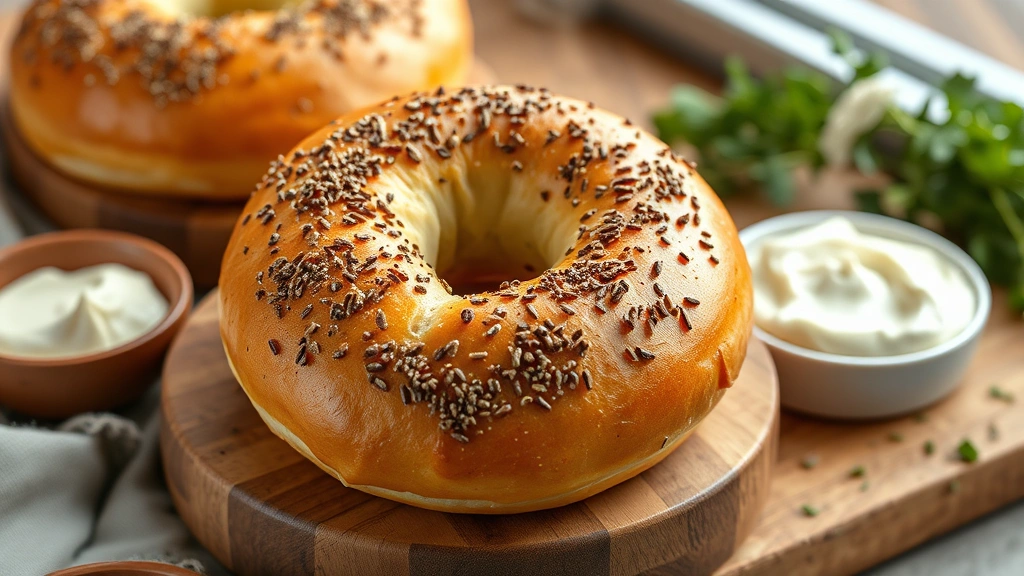
There’s nothing quite like a homemade bagel—chewy on the inside, perfectly golden on the outside, and infinitely better than anything you can buy at the store. This bagel recipe is surprisingly simple and will have your family gathered around the kitchen in no time. The secret to achieving that signature bagel texture is boiling them before baking, which creates that distinctive chewy crust we all crave.
I absolutely love making bagels at home because they’re more forgiving than you might think, and the results are restaurant-quality delicious. Whether you’re a seasoned baker or just starting your bread-making journey, this recipe will guide you through every step with clear, easy-to-follow instructions. Plus, once you master the basic bagel, you can customize them with everything from everything seasoning to cinnamon sugar. The dough comes together quickly, and most of the time is just letting it rise and develop those beautiful flavors.
What makes these bagels truly special is the boiling step—it gelatinizes the starches on the surface, creating that characteristic chewy texture that’s impossible to achieve with regular bread. You’ll want to use a Dutch oven or large pot for boiling, and don’t skip this crucial step. The whole process, from mixing to enjoying a warm bagel fresh from your oven, takes about 24 hours (mostly hands-off time), but the active work is minimal. Serve these with your favorite cream cheese spread, pickled red onions, or simply with butter and jam.
I’ve tested this recipe dozens of times to get it absolutely perfect, and I’m thrilled to share my foolproof method with you. The dough is enriched with a touch of honey and oil, which keeps the bagels tender and gives them a subtle sweetness. You don’t need any fancy equipment—just your hands, a pot, and an oven. This recipe makes eight beautiful bagels that are perfect for breakfast, lunch, or a satisfying snack any time of day.
Ingredients
- 500g (4 cups) bread flour, plus extra for dusting
- 7g (2¼ teaspoons) instant yeast
- 10g (2 teaspoons) salt
- 15ml (1 tablespoon) honey
- 15ml (1 tablespoon) vegetable oil
- 300ml (1¼ cups) lukewarm water
- 30ml (2 tablespoons) honey or baking soda for boiling water
- Coarse sea salt, sesame seeds, everything seasoning, or poppy seeds for topping (optional)
Instructions
- In a large mixing bowl, combine the bread flour, instant yeast, and salt. Whisk these dry ingredients together until well combined, making sure the salt and yeast are evenly distributed throughout the flour.
- Create a well in the center of the dry ingredients and pour in the honey, vegetable oil, and lukewarm water. Using a wooden spoon or your hands, mix until a shaggy dough forms. The dough should come together and leave the sides of the bowl clean.
- Turn the dough out onto a lightly floured work surface and knead for 10 minutes. The dough should become smooth and elastic. If it’s too sticky, add a tablespoon of flour at a time. If it’s too dry, add water one teaspoon at a time. This is important—don’t rush the kneading process.
- Shape the dough into a ball and place it in a lightly oiled bowl. Cover with a damp kitchen towel or plastic wrap and let it rise at room temperature for 1 hour, or until it has increased in size by about 50 percent.
- Turn the dough out onto your work surface and divide it into 8 equal pieces. You can use a kitchen scale for precision—each piece should weigh about 90 grams. Roll each piece into a tight ball.
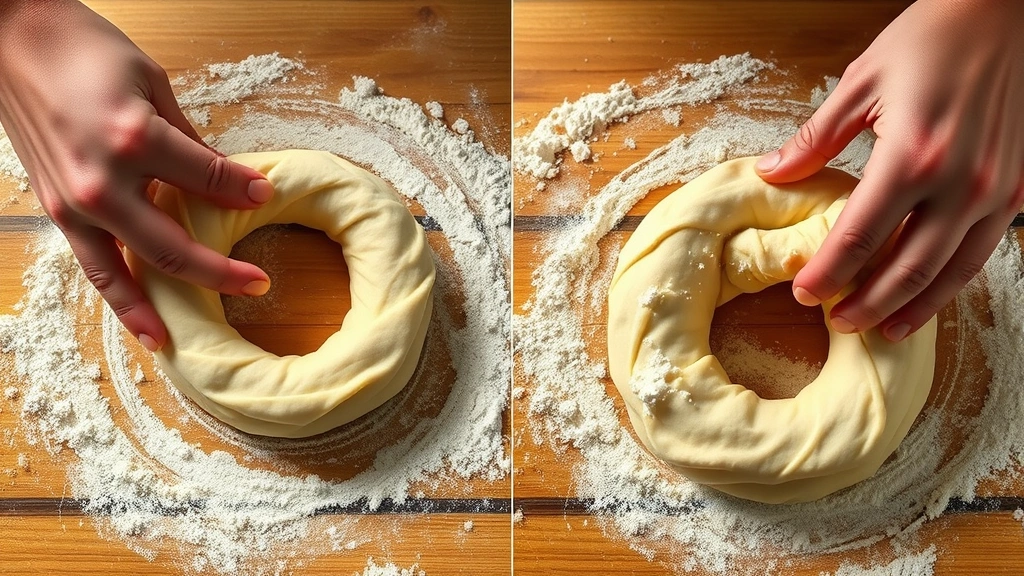
- Take one ball and poke a hole in the center with your thumb. Gently stretch the dough into a ring shape, about 3 inches in diameter, making sure the hole is centered and the thickness is even all the way around. The hole should be about 1½ inches in diameter.
- Place each shaped bagel on a piece of parchment paper. Cover all the bagels loosely with a damp towel or plastic wrap and let them rest for 10 minutes at room temperature.
- After the 10-minute rest, transfer the parchment paper with the bagels to a baking sheet and refrigerate for at least 12 hours, or up to 24 hours. This cold fermentation develops flavor and gives you more control over the baking process. You can also freeze them at this point for up to one month.
- When you’re ready to bake, preheat your oven to 425°F (220°C) and bring a large pot of water to a boil. Add 2 tablespoons of honey or baking soda to the boiling water—this helps create the signature bagel crust and prevents the bagels from absorbing too much water.
- Working in batches, carefully place 2-3 bagels into the boiling water. They should sink initially and then float to the surface within 30 seconds. Boil for 1 minute on each side, using a slotted spoon to flip them gently.
- Remove the boiled bagels from the water using a slotted spoon and place them back on the parchment-lined baking sheet. Pat them dry gently with a clean kitchen towel if they seem very wet.
- If desired, top the bagels with coarse sea salt, sesame seeds, everything seasoning, poppy seeds, or any other toppings you prefer. Press the toppings gently so they adhere to the damp surface.
- Bake the bagels for 20-25 minutes, until they’re deep golden brown and sound hollow when tapped on the bottom. The bagels should be crispy on the outside and chewy on the inside.
- Remove the bagels from the oven and transfer them to a wire cooling rack. Let them cool for at least 10 minutes before slicing and serving. They’re best enjoyed warm but can be stored for several days.
- To reheat day-old bagels, slice them in half and toast them in a toaster or toaster oven until they’re warmed through and slightly crispy on the cut sides.
Pro Tips
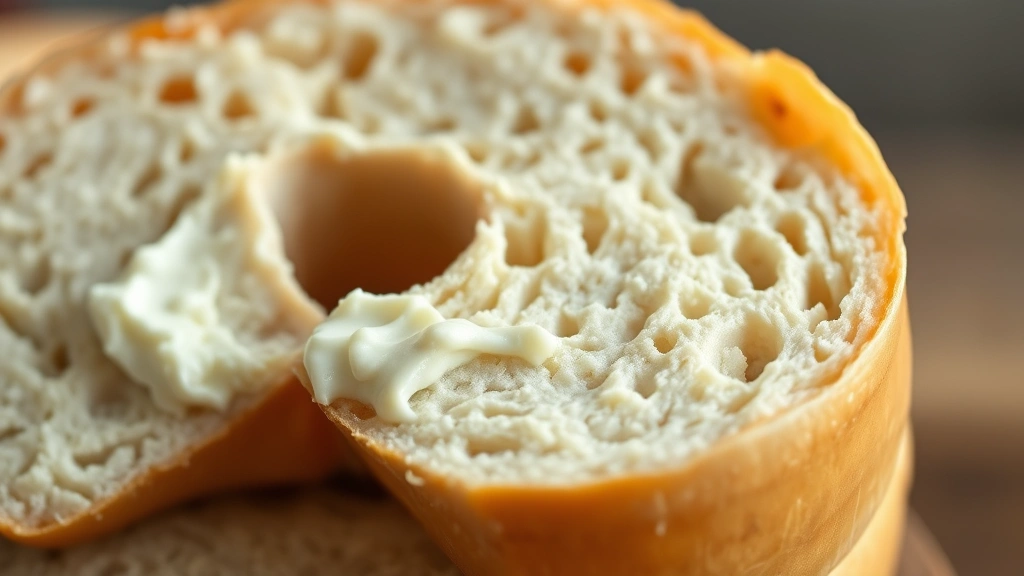
- The cold fermentation step (12-24 hours in the refrigerator) is absolutely crucial for developing authentic bagel flavor and texture. Don’t skip this step or rush it—it’s what separates homemade bagels from regular bread rolls.
- If you don’t have instant yeast, you can use active dry yeast, but you may need to increase the rising time slightly. Avoid rapid-rise yeast as it can ferment too quickly and affect the final texture.
- The honey or baking soda added to the boiling water is essential. Baking soda is more traditional for boiling, but honey works beautifully too. Either one helps create that characteristic chewy crust by adjusting the pH of the water.
- Don’t over-boil the bagels—1 minute per side is the sweet spot. Over-boiling can make them dense and gummy. If they sink and don’t float within 30 seconds, your water temperature might be too cool; increase the heat slightly.
- For seeded bagels, make sure to use a spray bottle to mist the surface with water before adding toppings. This helps them stick much better and ensures even coverage.
- Store cooled bagels in an airtight container at room temperature for up to 3 days, or freeze them for up to 3 months. Thaw frozen bagels at room temperature for about an hour before toasting.
- The dough temperature is important—aim for about 75°F when mixing. If your kitchen is very warm, use slightly cooler water; if it’s cold, use warmer water. This ensures consistent rising times.
- You can customize these bagels endlessly—try adding dried cranberries to the dough, making cinnamon raisin bagels, or creating an everything seasoning version. Add mix-ins during the final minute of kneading.
- If your bagels are coming out too dense, your dough might be too dry. Add water one teaspoon at a time during mixing until you achieve a soft, slightly sticky dough that’s still manageable.