
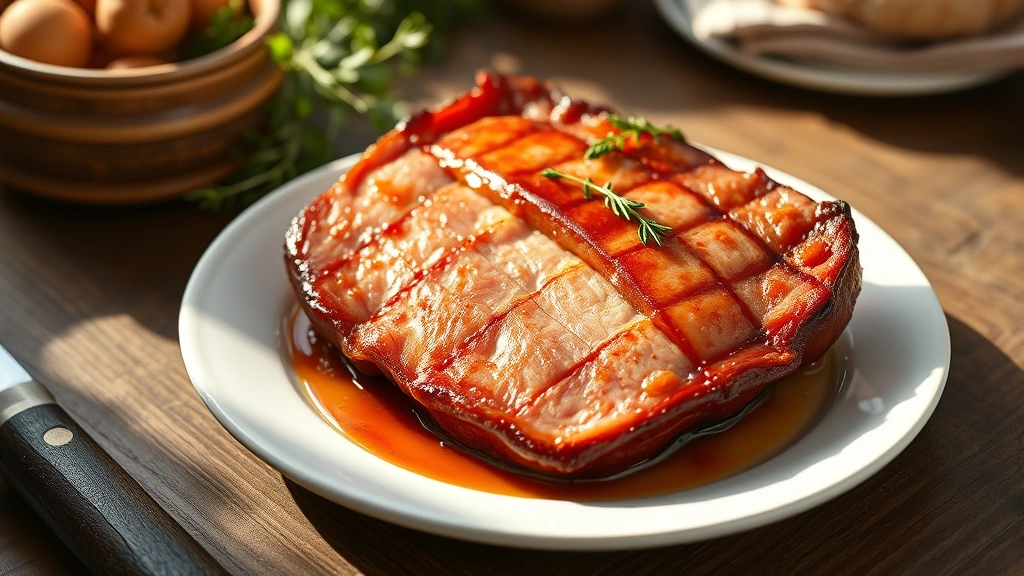
There’s something wonderfully nostalgic and comforting about a perfectly prepared ham steak. This classic dish brings back memories of Sunday dinners and holiday gatherings, and the best part? It’s incredibly simple to make at home. A quality ham steak deserves nothing more than a few quality ingredients and proper technique to truly shine.
Ham steaks are thick-cut slices of ham that have been cured and smoked, making them naturally flavorful and ready to cook in just minutes. Whether you’re preparing breakfast for a crowd or looking for an elegant weeknight dinner, a ham steak is your answer. The beauty of this recipe lies in its simplicity – we’re not trying to mask the quality of good ham with heavy sauces or complicated preparations.
What makes this the BEST ham steak recipe is our focus on proper cooking technique and complementary flavors. We’ll be using a combination of brown sugar, Dijon mustard, and a touch of heat to create a glaze that caramelizes beautifully on the outside while keeping the inside tender and juicy. This method works whether you’re cooking for two or feeding a family of eight.
I love serving ham steak with classic sides like green beans and bacon or crispy shishito peppers. For a more indulgent meal, pair it with a creamy Alfredo sauce or heavy cream pasta for something truly special. The ham steak’s natural saltiness plays beautifully against rich, creamy sides.
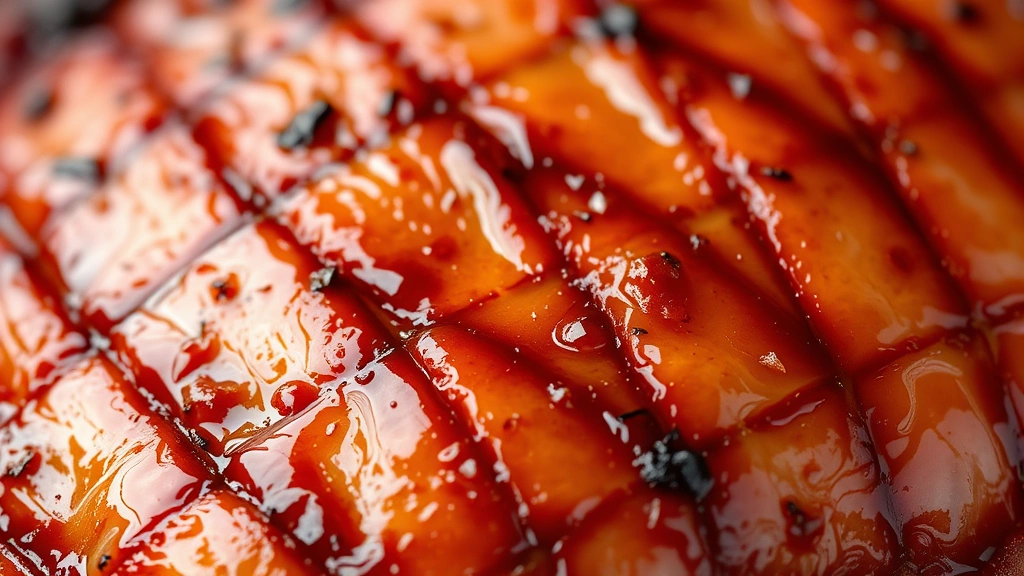
One of the secrets to restaurant-quality ham steak at home is scoring the surface in a crosshatch pattern before cooking. This allows the glaze to penetrate deeper and creates those beautiful caramelized edges that everyone loves. Don’t skip this step – it makes a real difference in the final result.
When selecting your ham steak, look for cuts that are about ¾ to 1 inch thick. Thinner cuts tend to dry out too quickly, while very thick cuts can be difficult to cook through evenly. Ask your butcher to cut them to order if possible – they’ll be fresher and have better flavor than pre-packaged options. Look for a nice pink color and avoid any that look gray or dull.
The cooking method we’re using here is a hybrid approach – we start on the stovetop to build a beautiful crust and develop the glaze, then finish in the oven if needed. This gives you maximum control over the cooking process and ensures the ham stays moist while the exterior becomes perfectly caramelized. The glaze will become sticky and glossy, coating each slice with delicious flavor.
Timing is everything with ham steak. Because it’s already cured and cooked, we’re really just heating it through and developing flavor. Overcooking will make it tough and dry, so pay close attention to the cooking time. A 1-inch thick ham steak typically needs about 4-5 minutes per side on medium-high heat, but this can vary based on your stove and the actual thickness of your cut.
For a more elegant presentation, you can make a pan sauce after cooking the ham steak. Simply deglaze the pan with a little apple juice or cider, add a touch more mustard, and let it reduce into a beautiful sauce that you can drizzle over the top. This adds sophistication without requiring any additional cooking skills.
This recipe is also incredibly versatile. You can make it for breakfast with eggs and toast, serve it for lunch with a fresh salad, or present it as the star of your dinner table. The glaze works beautifully with the natural flavors of ham and doesn’t overpower the meat.
According to Serious Eats, the key to preventing ham steak from drying out is maintaining proper heat control and not overcooking. Their culinary experts recommend using a meat thermometer to ensure you hit the perfect doneness. For a thoroughly heated ham steak, you’re looking for an internal temperature of about 140°F, since it’s already been cured and cooked during processing.
Many home cooks wonder about the difference between ham steak and other ham preparations. New York Times Cooking explains that ham steaks are simply thick-cut slices from a larger ham, usually cut between ½ and 1 inch thick. They’re perfect for smaller households that don’t want to cook an entire ham but still want that authentic ham flavor.
The beauty of this recipe is that it comes together in about 15 minutes from start to finish. It’s perfect for busy weeknights when you want something that tastes like you spent hours preparing it, but you didn’t. Your family will be impressed by how restaurant-quality this tastes.
Don’t be afraid to adjust the glaze to your preferences. If you like things sweeter, add a bit more brown sugar. If you prefer more tang, increase the Dijon mustard or add a splash of apple cider vinegar. This is your kitchen, and this recipe is flexible enough to accommodate your personal tastes.
The ham steak has been a staple in American cooking for generations, and for good reason. It’s affordable, quick to prepare, and delivers consistent, delicious results every single time. This recipe honors that tradition while keeping things simple and elegant. Enjoy!
Ingredients
- 2 ham steaks (about 1-inch thick, approximately 1.5 lbs total)
- 3 tablespoons brown sugar
- 2 tablespoons Dijon mustard
- 1 tablespoon butter
- ½ teaspoon black pepper
- ¼ teaspoon cayenne pepper (optional, for heat)
- 2 tablespoons apple juice or cider
- 1 tablespoon honey
- ½ teaspoon garlic powder
Instructions
- Remove ham steaks from refrigerator and let them sit at room temperature for 5 minutes while you prepare your ingredients. This ensures more even cooking throughout the meat.
- Pat the ham steaks dry with paper towels – this helps them brown better and creates a better crust. Moisture on the surface prevents proper caramelization.
- Using a sharp knife, score the surface of each ham steak in a crosshatch pattern, making shallow cuts about ¼ inch deep. Don’t cut all the way through – you’re just creating channels for the glaze to penetrate.
- In a small bowl, whisk together brown sugar, Dijon mustard, honey, black pepper, cayenne pepper (if using), and garlic powder until you have a thick paste. Set aside.
- Heat 1 tablespoon of butter in a large skillet over medium-high heat until it’s foaming and smells nutty, about 1-2 minutes.
- Once the butter is ready, carefully place the ham steaks in the skillet. You should hear them sizzle immediately – if you don’t, your pan isn’t hot enough.
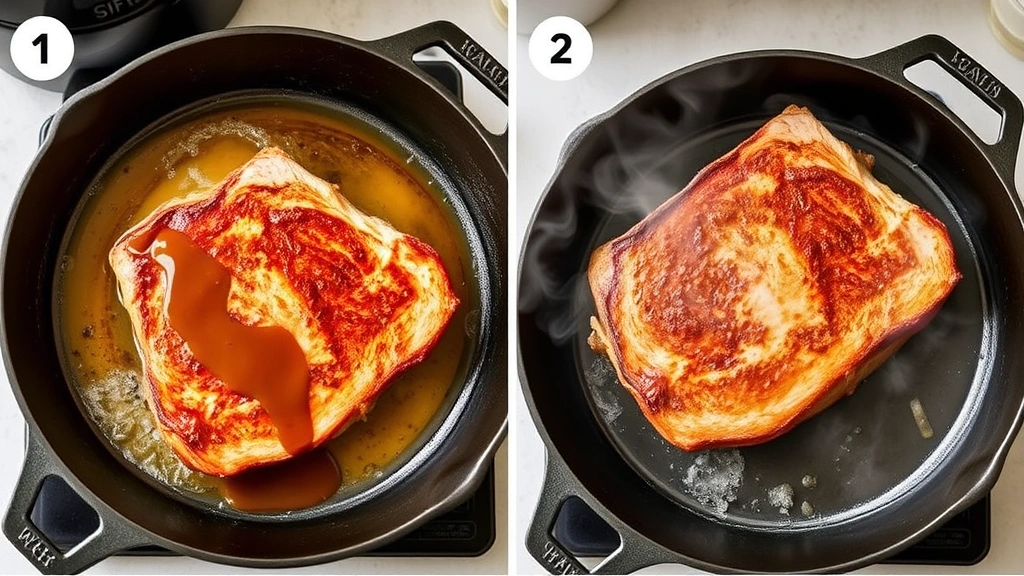
- Cook the ham steaks undisturbed for 4 minutes, allowing them to develop a golden-brown crust. Don’t move them around – this interrupts the browning process.
- Flip the ham steaks carefully using tongs or a spatula. Cook for another 3-4 minutes on the second side until that side is also golden brown.
- Spread half of the glaze mixture evenly across the top of both ham steaks. Use a pastry brush or the back of a spoon to coat them well.
- Cook for 1 minute, then flip the steaks again and spread the remaining glaze on the newly exposed top side.
- Cook for another minute until the glaze becomes sticky and starts to caramelize. The edges should be turning a darker brown color.
- Pour the apple juice or cider around the edges of the pan (not directly on the ham). This will help create a pan sauce.
- Let everything cook together for 30 seconds to 1 minute, allowing the liquid to reduce slightly and mingle with the glaze.
- Transfer the ham steaks to a serving platter, pouring any pan sauce over the top. Let them rest for 2 minutes before serving.
- Slice if desired, though serving the whole steak is beautiful for presentation. Drizzle any remaining pan sauce from the skillet over the top.
Pro Tips
The crosshatch scoring is not just for appearance – it serves a functional purpose by allowing the glaze to penetrate deeper into the meat and creates more surface area for caramelization. Make shallow cuts only, about ¼ inch deep.
Don’t skip the butter. Cooking ham steak in butter rather than oil creates a richer, more flavorful crust and helps prevent sticking. The milk solids in butter also add depth to the caramelization process.
Brown sugar is essential here – white sugar won’t caramelize the same way and won’t provide the same molasses undertones that complement ham beautifully. Don’t substitute with honey alone, as it has a different burn point.
The glaze should be thick like peanut butter before applying it to the ham. If it’s too thin, it will run off the meat and burn on the pan. If it’s too thick, whisk in a tiny bit of apple juice to loosen it slightly.
For thicker ham steaks (over 1 inch), you may need to finish cooking in a 350°F oven for 3-5 minutes to heat through completely while keeping the exterior from overcooking. Use a meat thermometer – aim for 140°F internal temperature.
Apple juice or cider complements ham beautifully due to their natural sweetness and acidity. Pineapple juice is also wonderful if you prefer that flavor profile. Avoid using water – it won’t add any flavor to the pan sauce.
If your ham steaks are particularly thin (less than ¾ inch), reduce cooking time to 2-3 minutes per side to prevent drying out. Thinner cuts brown faster, so watch them carefully.
Leftover ham steak is delicious. Store it in an airtight container in the refrigerator for up to 3 days. Reheat gently in a skillet over medium-low heat with a splash of apple juice to prevent drying out.
This recipe doubles easily if you’re feeding a larger crowd. Just use a larger skillet or cook in batches. Don’t overcrowd the pan, as this reduces heat and prevents proper browning.
The pan sauce can be made richer by adding a splash of heavy cream after the ham steaks are cooked. Stir it in with the pan drippings for an elegant sauce that works beautifully with side dishes.