
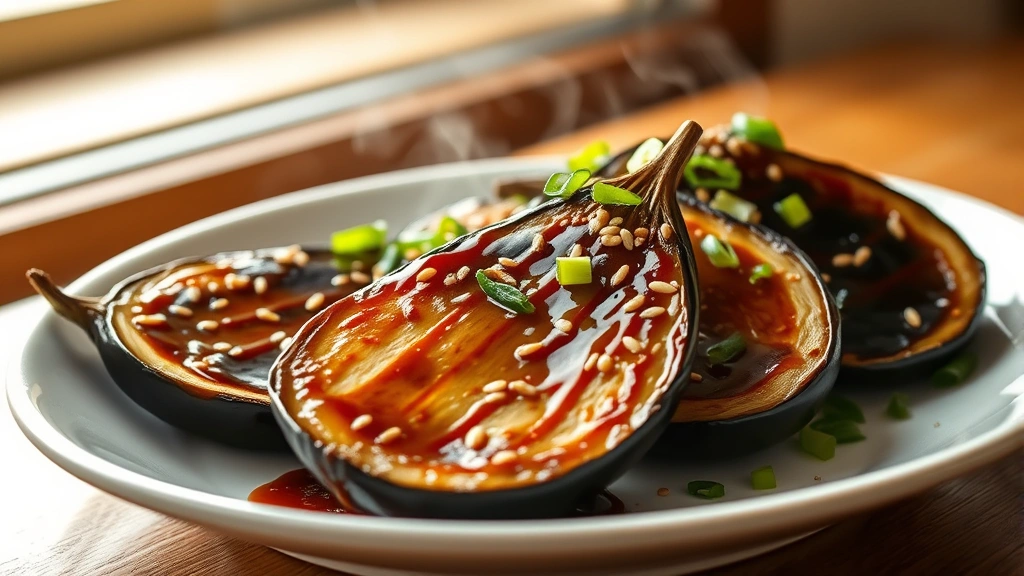
Japanese eggplant is such a delightful ingredient that deserves a place on your dinner table! With its tender, delicate flesh and mild flavor, this variety is incredibly versatile and cooks up beautifully in just minutes. Today, I’m sharing my absolute favorite way to prepare it—a simple yet elegant dish that lets the eggplant shine.
This recipe features Japanese eggplant prepared in a classic miso-butter glaze with a touch of garlic and ginger. It’s the kind of dish that feels restaurant-quality but comes together in your own kitchen with minimal effort. The beauty of Japanese eggplant is that it doesn’t require peeling, and the skin becomes wonderfully tender when cooked properly. I love serving this alongside steamed rice and a crisp side salad for a complete meal.
What makes this recipe so special is how the eggplant absorbs all those incredible umami flavors from the miso paste. The miso-butter combination creates a glossy, delicious coating that’s absolutely irresistible. If you’ve never worked with Japanese eggplant before, you’re in for a treat. They’re slimmer and longer than their globe counterparts, with fewer seeds and a creamier texture.
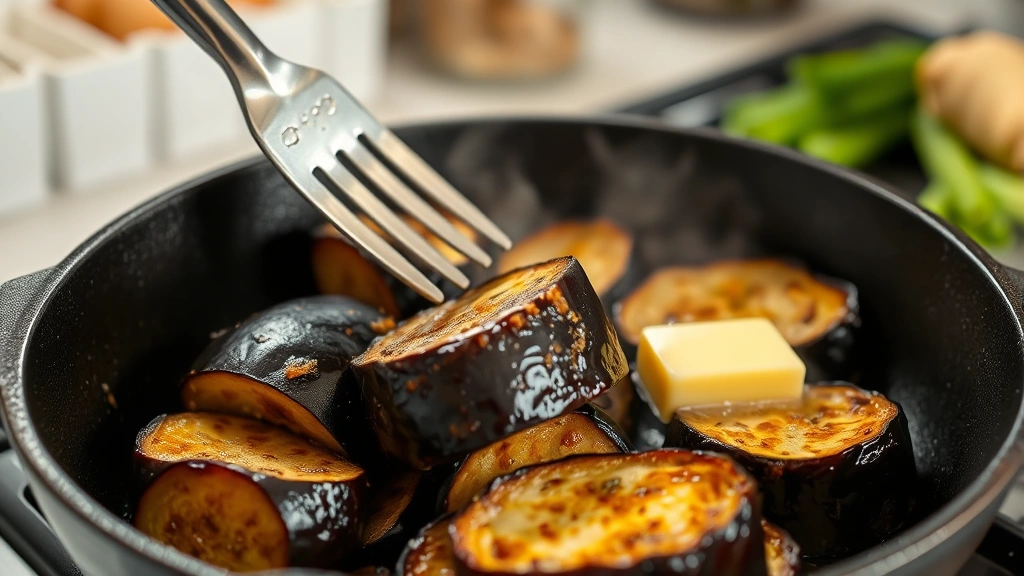
I’ve found that the key to success is not overcrowding your pan—give those eggplant pieces plenty of space to develop a gorgeous golden exterior. High heat is your friend here! You want to get some color on the eggplant, which adds depth of flavor and creates those beautiful caramelized edges. This is one of those recipes where you can really taste the difference between a quick pan-sear and a slow braise.
For a more indulgent version, try adding a drizzle of heavy cream alfredo sauce on the side, or serve it over creamy pasta. The eggplant also pairs beautifully with rice bowls or alongside grilled proteins like chicken or fish. You could even incorporate these into a chicken alfredo for an Asian-inspired twist.
This dish is naturally gluten-free if you use tamari instead of soy sauce, making it perfect for various dietary preferences. The cooking time is minimal—just about 15 minutes from start to finish—making this an ideal weeknight dinner. I highly recommend trying this recipe and making it a regular part of your rotation. Your family will be asking for it again and again!
For more inspiration, check out my shishito peppers recipe which uses a similar cooking technique, or explore garlic breadsticks as a perfect side dish.
Ingredients
- 4 medium Japanese eggplants, halved lengthwise
- 3 tablespoons white miso paste
- 2 tablespoons unsalted butter
- 2 tablespoons soy sauce or tamari
- 1 tablespoon rice vinegar
- 2 teaspoons honey or agave nectar
- 4 cloves garlic, minced
- 1 tablespoon fresh ginger, minced
- 2 tablespoons vegetable oil
- 1 teaspoon sesame oil
- Salt and pepper to taste
- 2 green onions, sliced thin
- 1 teaspoon sesame seeds
- Red pepper flakes for garnish (optional)
Instructions
- Pat the Japanese eggplants dry with paper towels and score the flesh gently in a crosshatch pattern, being careful not to cut through the skin. This helps the eggplant cook evenly and allows the sauce to penetrate.
- In a small bowl, whisk together white miso paste, soy sauce, rice vinegar, and honey until smooth. Set this glaze mixture aside.
- Heat vegetable oil in a large skillet or cast iron pan over medium-high heat until it shimmers.
- Once the oil is hot, carefully place the eggplant halves skin-side down in the pan in a single layer. You may need to work in batches to avoid overcrowding.
- Allow the eggplant to cook undisturbed for 5-6 minutes until the skin becomes darker and the flesh begins to soften. You should see some caramelization on the cut surface.
- Carefully flip the eggplant halves using tongs and cook for an additional 3-4 minutes on the skin side.
- Reduce heat to medium and push the eggplants to the sides of the pan. Add minced garlic and ginger to the center of the pan.
- Stir the garlic and ginger for about 30 seconds until fragrant, then add the butter to the pan.
- Once the butter has melted, pour in your prepared miso glaze and stir gently to combine all the flavors.
- Nestle the eggplants back into the center of the pan, coating them generously with the miso-butter sauce.
- Cook for an additional 2-3 minutes, tilting the pan occasionally to baste the eggplants with the glaze.
- Drizzle sesame oil over the eggplants and taste the sauce, adjusting salt and pepper as needed.
- Transfer the eggplants to a serving platter and pour any remaining sauce from the pan over the top.
- Garnish with sliced green onions, sesame seeds, and red pepper flakes if desired.
- Serve immediately while the eggplant is still warm and the glaze is glossy and delicious.
Pro Tips
Miso paste can be found in the international aisle of most grocery stores or at Asian markets. White miso is milder and slightly sweet, but red miso works too—just reduce the amount by half as it’s more intensely flavored.
If you can’t find Japanese eggplants, you can substitute smaller Italian or Chinese eggplants. Avoid large globe eggplants for this recipe as they have more seeds and a different texture.
The crosshatch scoring is optional but highly recommended. It helps the eggplant cook more evenly and allows the delicious sauce to penetrate the flesh.
Don’t skip the high initial heat. You want to develop some color and caramelization on the eggplant, which adds significantly to the overall flavor profile of the dish.
This dish is best served immediately, but leftovers can be refrigerated for up to 3 days. Reheat gently in a skillet over low heat with a splash of water to restore the sauce consistency.
For a spicier version, add sriracha or chili paste to the glaze. A tablespoon of fresh lime juice brightens the flavors beautifully if you prefer a more acidic profile.
The miso-butter glaze works wonderfully on other vegetables too. Try it with zucchini, mushrooms, or bell peppers for variety.
Serve this alongside steamed jasmine rice or sushi rice to soak up every drop of that incredible sauce. A simple cucumber salad or miso soup makes a perfect accompaniment.
For meal prep, you can score and halve the eggplants the night before. Store them covered in the refrigerator until you’re ready to cook.