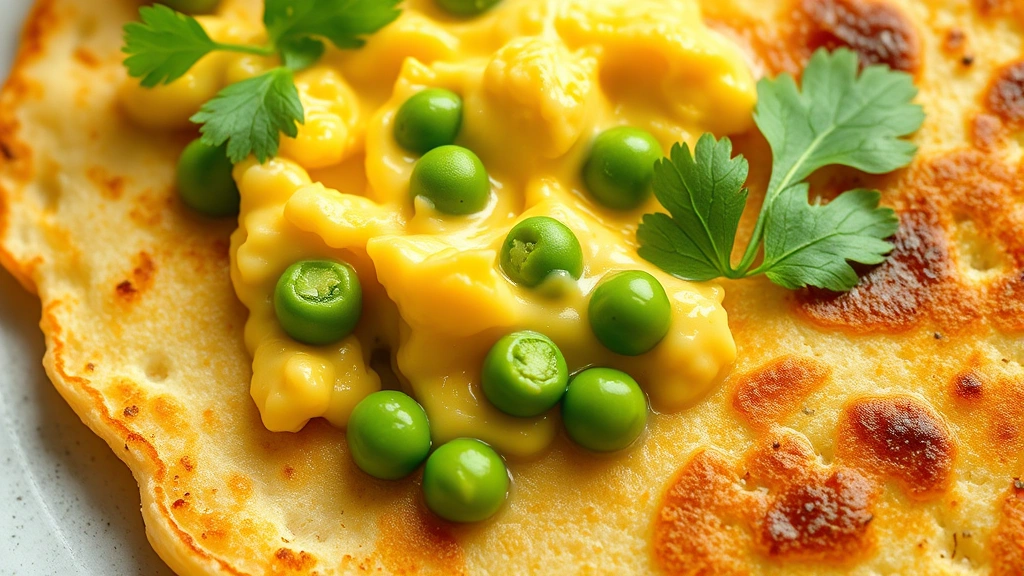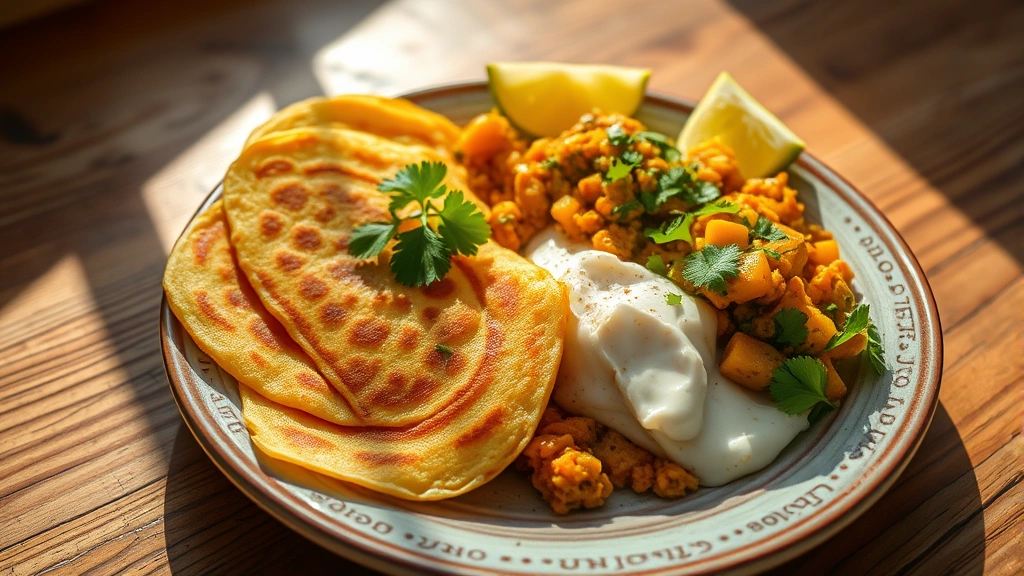
There’s nothing quite like starting your day with an authentic Indian breakfast that fills your kitchen with incredible aromas and your belly with warmth and comfort. This beautiful recipe combines traditional techniques with simple, accessible ingredients that you likely already have on hand. Whether you’re looking to explore protein-packed breakfast options or want to master the art of Indian morning cooking, this guide will walk you through every step with clarity and confidence.
Indian breakfasts are all about balance—crispy textures, aromatic spices, and fresh components that work together in perfect harmony. What makes this recipe so special is that it’s incredibly forgiving and adaptable to your taste preferences. You can prepare most components ahead of time, making weekday mornings less hectic while maintaining that fresh, homemade quality that sets Indian breakfasts apart from other morning meal traditions.
The beauty of this recipe lies in its versatility. Serve it alongside tangy pickled red onions for extra brightness, or complement it with fresh cilantro chutney for an authentic touch. According to Serious Eats, the key to exceptional Indian breakfast cooking is understanding how different spices bloom and develop flavor when introduced at specific cooking stages.
What I love most about this recipe is how it brings people together. Whether you’re cooking for yourself on a lazy weekend or preparing a feast for family and friends, this dish delivers restaurant-quality results without the stress. The combination of textures—tender, crispy, and fluffy—creates an eating experience that feels both sophisticated and deeply comforting.
Let’s explore the technique that makes this breakfast truly special. Proper seasoning is absolutely essential, so taste as you go and adjust to your preferences. The New York Times emphasizes that Indian cooking relies heavily on building layers of flavor, which is exactly what we’re achieving here. This recipe serves as a foundation that you can personalize with your favorite vegetables, proteins, or additional spices.
For the best results, use fresh ingredients whenever possible. The difference between fresh ginger and ground ginger, or fresh cilantro versus dried, is genuinely noticeable in Indian cuisine. Don’t skip the tempering step—this is where the magic happens and where you’ll develop those deep, complex flavors that make people ask for your recipe.
Ingredients
- 2 tablespoons ghee or clarified butter
- 1 medium yellow onion, thinly sliced
- 1 tablespoon fresh ginger, minced
- 2 cloves garlic, minced
- 1 green chili, finely chopped
- 1 teaspoon cumin seeds
- 1 teaspoon mustard seeds
- 1/2 teaspoon turmeric powder
- 1 teaspoon coriander powder
- 1/2 teaspoon red chili powder
- Salt and black pepper to taste
- 2 medium potatoes, diced into small cubes
- 1 cup fresh peas or frozen peas
- 1/4 cup fresh cilantro, chopped
- Juice of 1 lime
- 4 large eggs
- 1/2 cup whole wheat flour or all-purpose flour
- 1/4 cup plain yogurt
- 1/2 teaspoon baking powder
- Water as needed for consistency
Instructions
- Heat 1 tablespoon of ghee in a large skillet over medium-high heat. Once shimmering, add the cumin seeds and mustard seeds, allowing them to crackle and pop for about 30 seconds until fragrant.
- Add the thinly sliced onions to the pan and stir constantly, cooking for 4-5 minutes until they become golden brown and crispy at the edges.
- Reduce the heat to medium and add the minced ginger, garlic, and green chili to the pan. Stir continuously for about 1-2 minutes until the raw garlic smell disappears and the mixture becomes fragrant.
- Add the turmeric powder, coriander powder, and red chili powder to the pan. Mix well with the onion mixture and cook for another minute, being careful not to burn the spices.
- Add the diced potatoes to the pan and stir to coat them evenly with the spiced oil. Add a pinch of salt and black pepper.
- Cook the potatoes for 8-10 minutes, stirring occasionally, until they are golden brown on the edges and tender when pierced with a fork.
- Add the fresh peas to the pan and cook for another 2-3 minutes, stirring gently to combine all ingredients.
- Stir in the fresh cilantro and lime juice. Taste the mixture and adjust salt and spices as needed. Set aside and keep warm.
- In a medium bowl, whisk together the flour, yogurt, baking powder, and a pinch of salt. Add water gradually while whisking until you achieve a thick, pancake-like batter consistency.
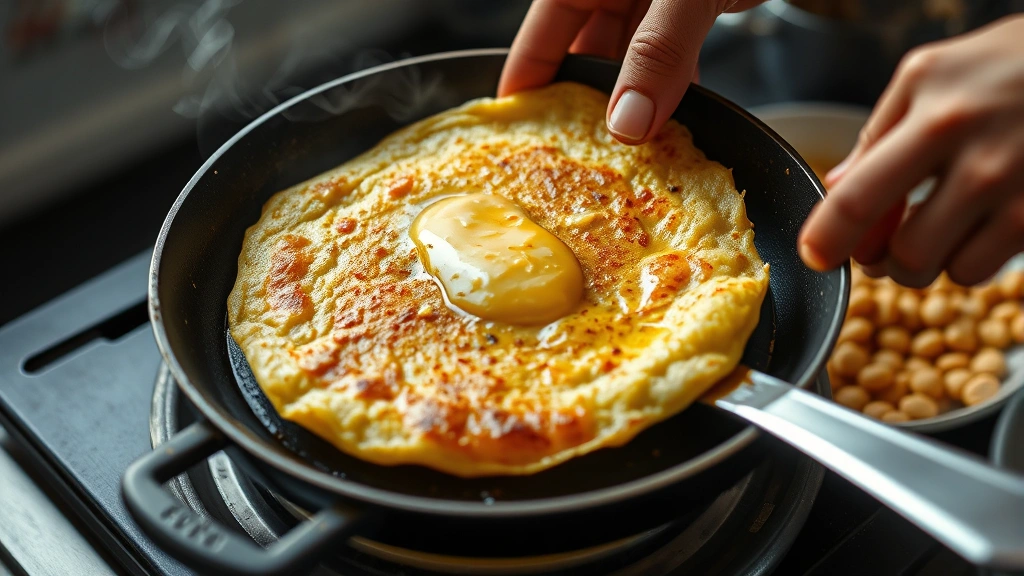
- Heat the remaining ghee in a separate non-stick skillet or griddle over medium heat.
- Pour small dollops of the batter onto the hot griddle, flattening them gently with the back of a spoon into thin, lacy pancakes.
- Cook each pancake for 2-3 minutes on the first side until the bottom is light golden brown, then carefully flip and cook the other side for another 1-2 minutes.
- Transfer the cooked pancakes to a warm plate and cover with foil to keep them warm.
- In a small bowl, lightly beat the eggs with a pinch of salt and black pepper.
- Pour the beaten eggs into a small portion of the hot skillet and scramble until they are cooked through but still slightly creamy, about 2-3 minutes.
- Arrange the pancakes on serving plates, top with the spiced potato and pea mixture, and place the scrambled eggs alongside.
- Serve immediately while everything is still warm, optionally garnished with additional fresh cilantro and lime wedges on the side.