
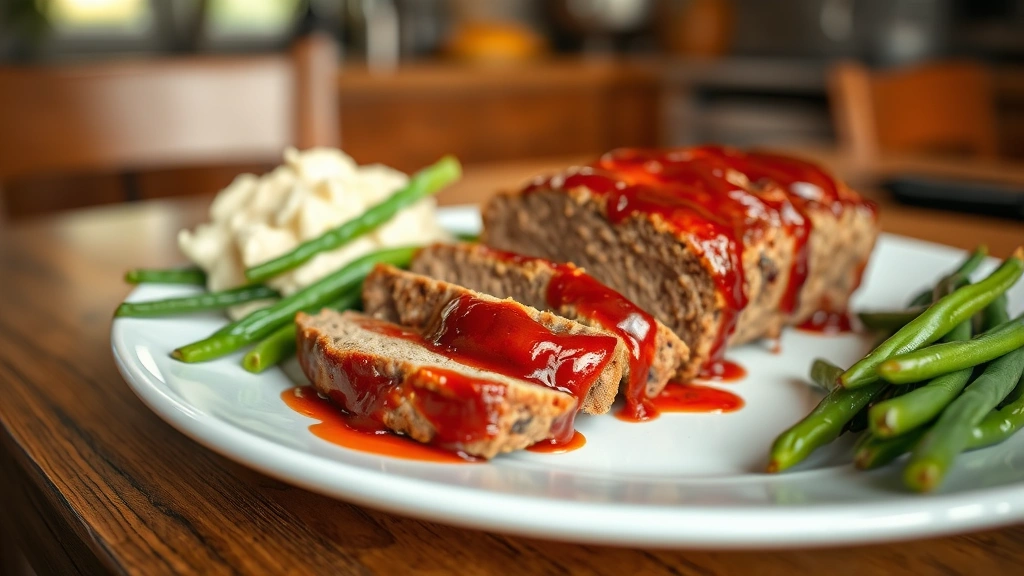
There’s something wonderfully nostalgic about a classic meatloaf, and this Quaker Oatmeal Meatloaf recipe takes that beloved comfort food to the next level. Using Quaker oats as a binder creates an incredibly moist and tender texture that stays juicy even after cooling, making it perfect for leftovers. This recipe has been a staple in American kitchens for generations, and for good reason—it’s affordable, simple to prepare, and delivers impressive results every single time.
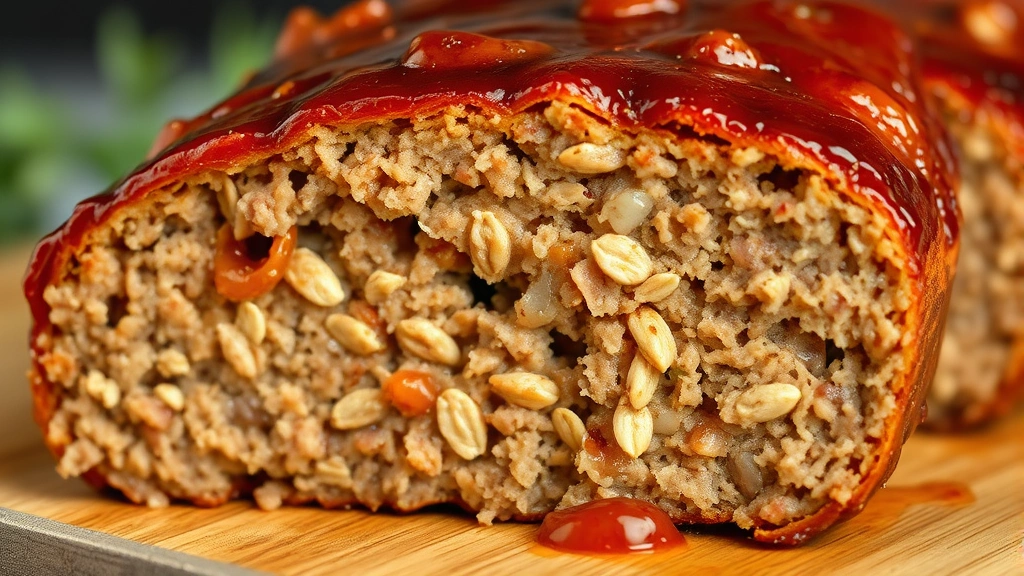
The secret to the best meatloaf lies in understanding how the oats work within the mixture. Unlike breadcrumbs alone, Quaker oats absorb moisture and help distribute it evenly throughout the meatloaf, preventing that dry, crumbly texture that can plague homemade versions. When combined with eggs, milk, and seasonings, the oats create a binder that keeps every slice tender and flavorful. This is the kind of recipe that grandmothers perfected and passed down because it simply works.
What makes this version special is the balance of flavors and the technique behind achieving that perfect texture. We’re using a combination of ground beef and ground pork for deeper flavor complexity, though you can adjust based on preference. The addition of sautéed onions and garlic creates an aromatic base, while a simple tomato glaze on top provides tanginess and visual appeal. Serve this alongside Best Pickled Red Onion Recipe for a bright contrast, or enjoy it with classic mashed potatoes and roasted vegetables.
This meatloaf is also incredibly versatile. You can prepare it ahead of time and refrigerate the mixture for up to 24 hours before baking, making it perfect for meal planning. Leftovers make amazing sandwiches, and you can even crumble cold meatloaf into a Best Chickpea Salad Recipe for added protein. The beauty of this recipe is its reliability—it delivers consistent, delicious results whether you’re cooking for your family on a Tuesday night or hosting a dinner party.
If you’re new to meatloaf-making, this recipe is forgiving and straightforward. The key is not to overmix the meat mixture, which can make the meatloaf dense and tough. Handle it gently, combining ingredients just until everything is incorporated. Many home cooks make the mistake of pressing the mixture too firmly into the loaf pan, but a lighter hand yields a more tender final product. Trust the process, follow the timing, and you’ll have a meatloaf that rivals any restaurant version.
For more inspiration on complementary sides and condiments, check out this Perfect Pickled Red Onions Recipe or explore Simple Pickled Onion Recipe for tangy accompaniments. For a complete meal plan, consider pairing with Best Greek Yogurt Parfait Recipe for a refreshing dessert. External resources like Bon Appétit and Serious Eats offer additional meatloaf variations and techniques worth exploring. For more detailed cooking science, New York Times Cooking provides excellent guidance on meat preparation and temperature control.
Ingredients
- 2 tablespoons butter
- 1 medium yellow onion, finely diced
- 4 cloves garlic, minced
- 1 cup Quaker old-fashioned oats (not instant)
- 1/2 cup whole milk
- 2 large eggs
- 1 pound ground beef (80/20 blend)
- 1 pound ground pork
- 1/4 cup fresh parsley, finely chopped
- 1/4 cup grated Parmesan cheese
- 2 teaspoons salt
- 1 teaspoon black pepper
- 1 teaspoon garlic powder
- 1 teaspoon onion powder
- 1/2 teaspoon dried thyme
- 1/4 teaspoon cayenne pepper (optional)
- 1 cup ketchup
- 3 tablespoons brown sugar
- 2 tablespoons apple cider vinegar
- 1 tablespoon Worcestershire sauce
Instructions
- Preheat your oven to 350°F (175°C). Line a loaf pan with aluminum foil or lightly grease it with cooking spray, then place it on a baking sheet to catch any drippings.
- In a large skillet over medium heat, melt the butter. Add the diced onion and cook for 5-7 minutes, stirring occasionally, until the onion becomes translucent and softened. Add the minced garlic and cook for an additional 1-2 minutes until fragrant. Remove from heat and let cool slightly.
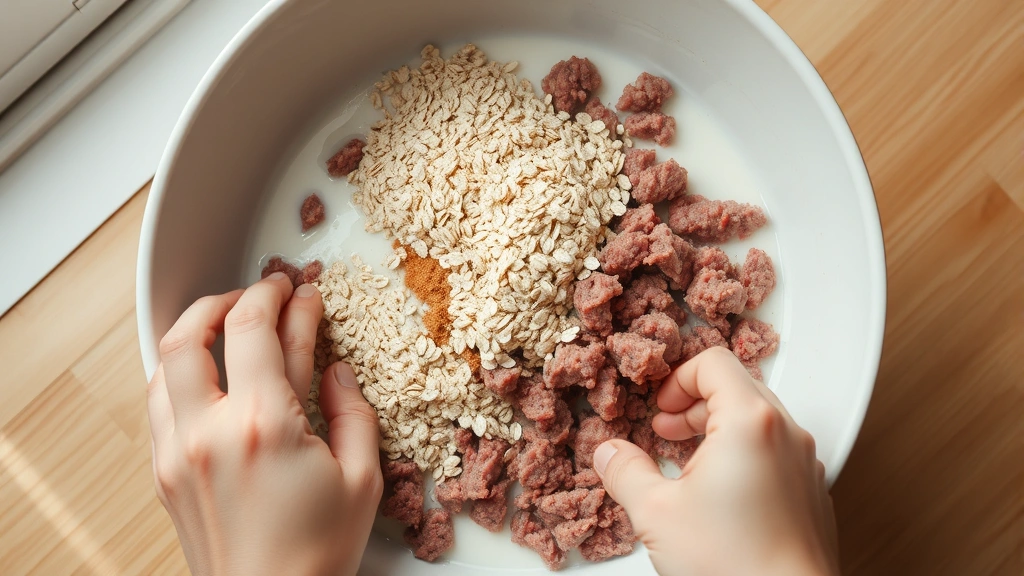
- In a small bowl, combine the Quaker oats and whole milk. Stir well and let sit for 5 minutes to allow the oats to absorb the milk. This creates a binder that will keep your meatloaf moist.
- In a large mixing bowl, crack the eggs and beat them lightly with a fork. Add the cooled oat mixture to the eggs and stir to combine.
- Add the ground beef and ground pork to the egg and oat mixture. Using your hands, gently combine the meats with the wet ingredients. Do not overmix—mix just until everything is evenly incorporated, about 1-2 minutes of gentle folding and combining.
- Add the fresh parsley, Parmesan cheese, salt, black pepper, garlic powder, onion powder, dried thyme, and cayenne pepper (if using) to the meat mixture. Fold these ingredients in gently until just combined, being careful not to overwork the mixture.
- Transfer the meatloaf mixture to the prepared loaf pan. Using your hands, gently press it into an even layer without compacting it too firmly. The mixture should fill the pan but not be densely packed.
- In a small bowl, whisk together the ketchup, brown sugar, apple cider vinegar, and Worcestershire sauce until smooth and well combined. This creates the signature glaze.
- Spread half of the glaze evenly over the top of the meatloaf. This will caramelize during the initial baking phase.
- Place the baking sheet with the meatloaf in the preheated 350°F oven. Bake for 40 minutes.
- Remove the meatloaf from the oven and carefully spread the remaining glaze over the top. Return to the oven and bake for an additional 20 minutes, or until the internal temperature reaches 160°F when measured with a meat thermometer inserted into the thickest part of the meatloaf.
- Remove the meatloaf from the oven and let it rest for 5 minutes before slicing. This resting period allows the juices to redistribute throughout the meat.
- Carefully pour any accumulated pan drippings into a small saucepan and simmer over medium heat for 2-3 minutes to concentrate the flavors, creating a pan sauce.
- Using a sharp knife, slice the meatloaf into 3/4-inch thick slices. Arrange on a serving platter and drizzle with the pan sauce or additional glaze.
- Serve warm with your choice of sides such as mashed potatoes, roasted vegetables, or a fresh green salad.
Pro Tips
- The key to a moist meatloaf is not overmixing the meat. Handle it gently and stop mixing as soon as all ingredients are just combined. Overmixed meatloaf becomes dense and tough rather than tender and moist.
- Quaker old-fashioned oats work best for this recipe. Instant oats will break down too much and create a mushy texture. Steel-cut oats are too chunky. Stick with the classic rolled oats for ideal results.
- The combination of ground beef and ground pork provides deeper flavor than beef alone, but you can use all ground beef if preferred. Ground turkey can also work as a leaner alternative, though you may want to add an extra egg or slightly more milk to maintain moisture.
- When sautéing the onions and garlic, don’t skip this step. The caramelized onions add significant depth of flavor that raw onions cannot provide. The cooking also mellows the garlic’s sharpness.
- For a spicier version, increase the cayenne pepper to 1/2 teaspoon or add 1/4 teaspoon of smoked paprika for a subtle smokiness. Red pepper flakes can also be added for heat.
- The glaze is crucial to the final product. The combination of ketchup, brown sugar, vinegar, and Worcestershire creates a balanced sweet-tangy coating that caramelizes beautifully.
- Make-ahead tip: Prepare the meatloaf mixture up to 24 hours in advance and refrigerate in the loaf pan covered with plastic wrap. Bake directly from the refrigerator, adding 10-15 minutes to the cooking time.
- Leftover meatloaf can be refrigerated for up to 5 days and makes excellent cold sandwiches or can be crumbled and reheated in various dishes. Freeze cooked meatloaf slices for up to 3 months.
- For a more pronounced tomato flavor, use half ketchup and half tomato paste in the glaze. Adjust sweetness by reducing brown sugar if your ketchup brand is particularly sweet.
- Temperature is critical for food safety. Ground meat must reach 160°F internally. Use an instant-read meat thermometer for accuracy, inserting it horizontally into the thickest part of the loaf without touching the pan.
- If your meatloaf is browning too quickly on top, tent it loosely with aluminum foil for the first 30 minutes of baking, then remove for the final 30 minutes to allow the glaze to caramelize.
- The resting period after baking is essential. It allows the internal temperature to stabilize and the juices to redistribute, resulting in juicier slices.