
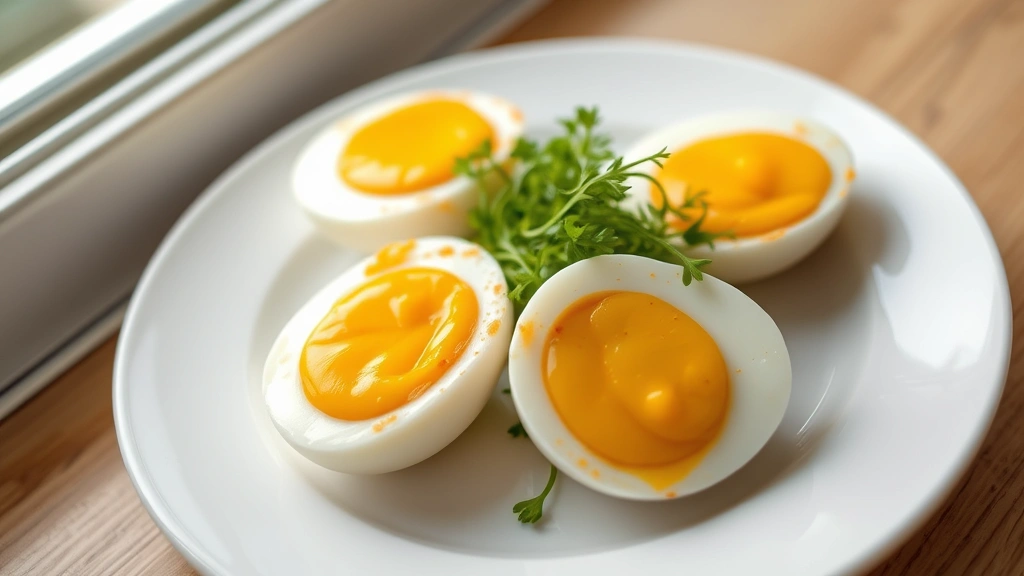
Ramen eggs, or ajitsuke tamago, are a Japanese delicacy that transforms simple hard-boiled eggs into something absolutely magical. These beautifully marinated eggs feature a perfectly jammy yolk surrounded by tender, flavorful whites that have absorbed the umami-rich marinade. What makes ramen eggs so special is the stunning visual contrast when you slice them in half—that gorgeous golden yolk just waiting to cascade over steaming noodles.
I’ve been making ramen eggs for years, and I can confidently say this is the easiest yet most impressive egg recipe you’ll ever master. The technique is straightforward, requiring just a handful of pantry staples and a bit of patience. Whether you’re topping a bowl of authentic ramen, adding them to rice bowls, or simply serving them as an elegant appetizer, these eggs never fail to impress.
The magic happens in the marinade, which typically combines soy sauce, mirin, sake, and a touch of garlic and ginger. This combination creates a deeply savory, slightly sweet coating that perfectly complements the creamy yolk. I love how versatile this recipe is—you can adjust the marinade to your taste preferences, and the eggs keep beautifully in the refrigerator for up to five days.
What I appreciate most about ramen eggs is how they demonstrate that restaurant-quality results don’t require complicated techniques. With precise timing and attention to detail, you can achieve that perfect jammy center that restaurants are known for. The key is understanding the science behind egg cooking and respecting the timing—too long and you’ll have a fully cooked yolk, too short and it won’t have set properly.
These eggs have become a staple in my kitchen, and I find myself making them regularly for meal prep, entertaining, and quick weeknight dinners. They pair beautifully with creamy sauces, complement pasta dishes, and elevate simple grain bowls. For a complete meal, consider pairing them with chicken proteins, alongside tangy pickled vegetables and charred peppers for a restaurant-worthy presentation.
Let me walk you through my foolproof method for creating ramen eggs that will have everyone asking for your secret.
Ingredients
- 6 large eggs, room temperature
- 1/4 cup soy sauce
- 2 tablespoons mirin
- 1 tablespoon sake (or water as substitute)
- 1 tablespoon rice vinegar
- 2 cloves garlic, smashed
- 1 teaspoon fresh ginger, sliced
- 1/2 teaspoon sugar
- 1/4 teaspoon red pepper flakes (optional)
- 1 green onion, cut into 2-inch pieces
- 1 cup water for ice bath
- Ice cubes as needed
Instructions
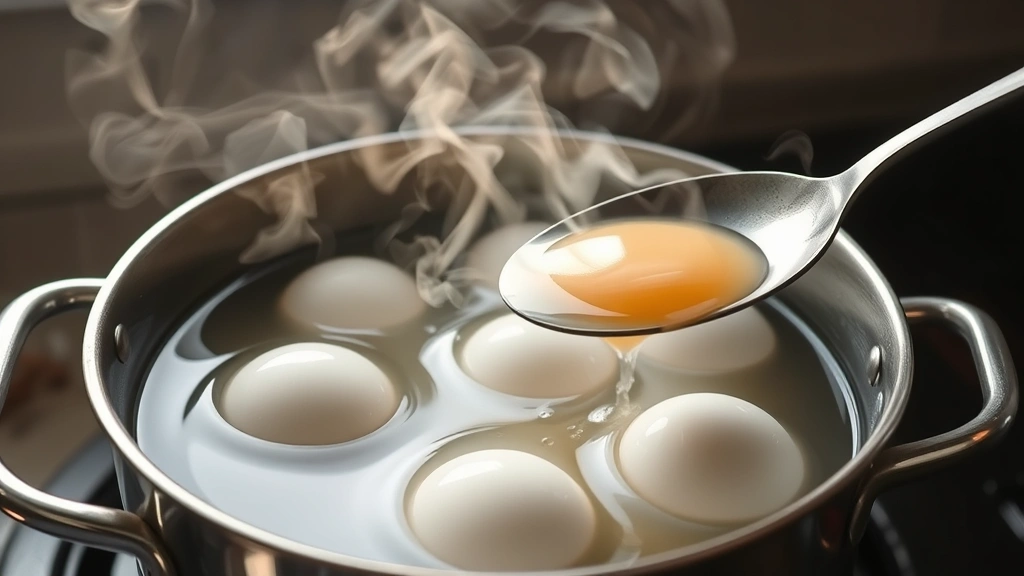
- Bring a pot of water to a rolling boil over high heat. You’ll want enough water to cover the eggs by about an inch—approximately 6-8 cups for 6 eggs.
- Carefully lower the room-temperature eggs into the boiling water using a spoon to prevent cracking. Set a timer immediately for exactly 6 minutes and 30 seconds for that perfect jammy center.
- While the eggs cook, prepare an ice bath by filling a bowl with ice and cold water. This stops the cooking process and is crucial for achieving the ideal yolk consistency.
- When the timer goes off, immediately transfer the eggs to the ice bath using a slotted spoon. Let them sit for at least 2 minutes, gently rolling them occasionally to cool evenly.
- Gently crack and peel the cooled eggs under cool running water, starting from the wider end where the air pocket is located. Work slowly and carefully to avoid damaging the delicate whites.
- In a small saucepan, combine the soy sauce, mirin, sake, rice vinegar, sugar, garlic, ginger, red pepper flakes, and green onion. Bring to a simmer over medium heat, stirring occasionally until the sugar dissolves completely, about 2 minutes.
- Remove the marinade from heat and let it cool to room temperature, approximately 10-15 minutes. This prevents the eggs from cooking further.
- Place the peeled eggs in a glass jar or container and pour the cooled marinade over them, ensuring they’re completely submerged. If needed, add a bit of water to cover.
- Cover the container and refrigerate for at least 4 hours, though overnight marinating yields the deepest flavor. The eggs will keep refrigerated for up to 5 days.
- Before serving, remove the eggs from the marinade and slice them in half lengthwise to showcase that beautiful jammy yolk. Spoon a bit of the marinade over the top for extra flavor.

Pro Tips
- The most critical factor in achieving the perfect ramen egg is precise timing. The 6 minute 30 second cooking time creates that ideal jammy center with a set white. Even 30 seconds makes a difference, so use a reliable kitchen timer.
- Room temperature eggs are essential because they cook more evenly and predictably than cold eggs straight from the refrigerator. Remove them from the fridge 15-20 minutes before cooking.
- The ice bath must be prepared before the eggs finish cooking. Having everything ready prevents delays that could overcook your eggs.
- When peeling, start from the wider end of the egg where the air pocket creates a natural separation. Work under cool running water as it helps separate the membrane from the white.
- The marinade can be customized based on personal preference. For a sweeter version, add more mirin. For extra umami depth, substitute some soy sauce with tamari or add a splash of fish sauce.
- If you don’t have sake, substitute with dry sherry, white wine, or simply omit it entirely and increase the water by one tablespoon. Sake adds subtle complexity but isn’t absolutely necessary.
- These eggs are perfect for meal prep. Make a double or triple batch at the beginning of the week for quick protein additions throughout your meals.
- Store the marinade even after the eggs are consumed. It’s delicious reused for the next batch of eggs or drizzled over rice, vegetables, and proteins.
- For a spicier version, increase the red pepper flakes to 1/2 teaspoon or add a pinch of wasabi to the marinade.
- The eggs can be served warm, room temperature, or chilled depending on how you’re using them. Cold ramen eggs are refreshing in summer salads, while room temperature eggs are perfect for warm ramen bowls.