
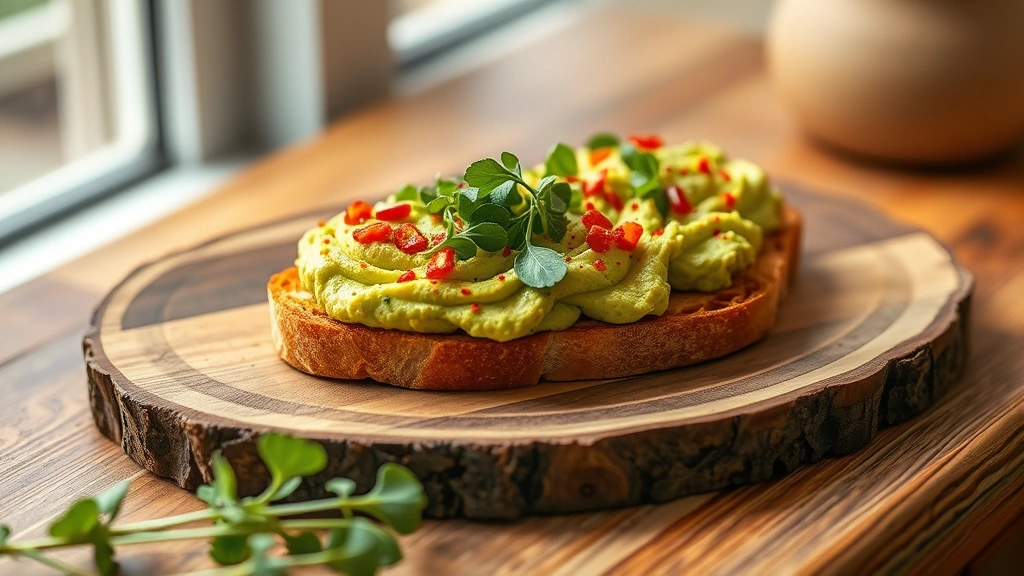
There’s something absolutely magical about perfectly executed avocado toast—it’s the kind of dish that feels both effortlessly simple and surprisingly sophisticated. When you start with ripe, creamy avocados and quality bread, you’re already halfway to breakfast or lunch perfection. This recipe has become a beloved staple in kitchens everywhere, and for good reason. It’s versatile, nutritious, and takes just minutes to prepare.
What makes avocado toast truly special is understanding how to choose your ingredients and layer your flavors thoughtfully. The foundation starts with selecting avocados at peak ripeness—they should yield slightly to gentle pressure but not be mushy. The bread is equally important; you want something substantial enough to support the creamy avocado without becoming soggy, yet toasted golden to provide a satisfying crunch and subtle nuttiness.
I’m sharing my secrets for making restaurant-quality avocado toast at home. This includes tips for preventing browning, creating the perfect toast texture, and adding complementary toppings that elevate the dish from simple to sensational. Whether you’re looking for a quick weekday breakfast or an impressive brunch option, this recipe delivers every single time.
The beauty of avocado toast lies in its adaptability. You can keep it minimal and pure, focusing on the quality of each component, or you can dress it up with various toppings. I love adding pickled red onions for brightness and tang, fresh herbs, crispy bacon, or even a perfectly cooked egg. For those seeking additional protein and substance, consider pairing this with chickpea salad for a more filling meal.
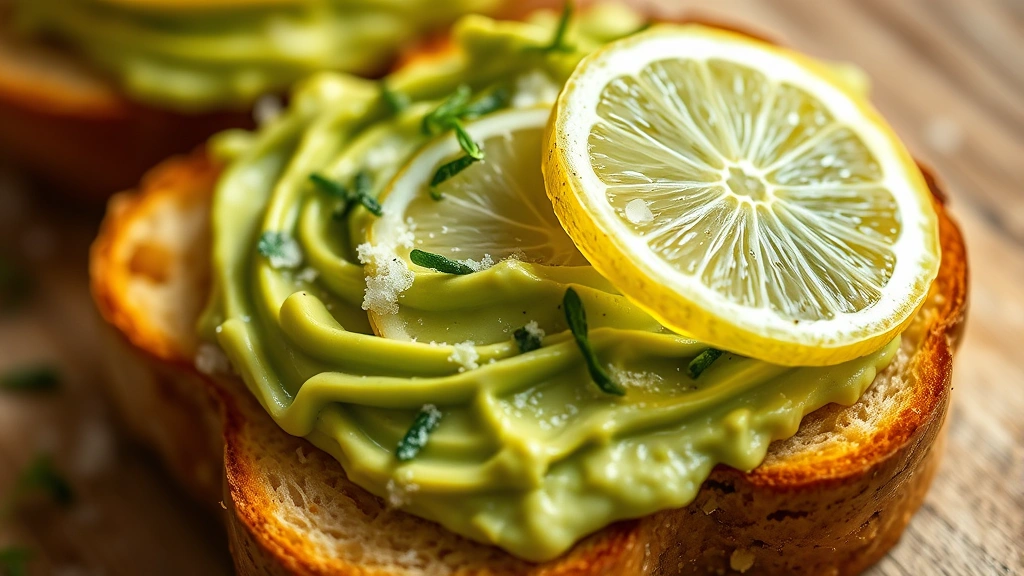
One of the most common mistakes people make is not seasoning their avocado toast properly. A generous pinch of fleur de sel, freshly cracked black pepper, and a squeeze of fresh lemon juice transform the simple avocado into something truly memorable. The acid from the lemon not only enhances flavor but also helps prevent the avocado from oxidizing and browning too quickly.
For more inspiration on creating elevated toast-based dishes, check out creamy sauce techniques that can be adapted for toast toppings. You might also explore rich, creamy base recipes for inspiration on flavor combinations. If you’re in the mood for something more substantial, chicken-based protein options can be wonderful additions to your toast.
What I love most about this recipe is that it’s a canvas for your creativity. The techniques and foundation I’m sharing will ensure your avocado toast is always perfectly executed, giving you the freedom to experiment with different toppings and flavor combinations based on what you have on hand and what you’re craving. From Bon Appétit’s take on classic avocado toast to more innovative variations, the possibilities are endless.
This recipe serves one generously or can easily be doubled, tripled, or scaled to whatever your needs are. It’s perfect for meal prep enthusiasts who want to assemble components ahead of time, though I recommend toasting the bread and mashing the avocado just before serving for optimal texture and appearance. Read on for my complete guide to avocado toast mastery.
Ingredients
- 1 ripe avocado, halved and pitted
- 1 slice high-quality bread (sourdough, whole grain, or your preference)
- 2 tablespoons unsalted butter or 1 tablespoon olive oil
- Fleur de sel or sea salt to taste
- Freshly cracked black pepper to taste
- 1/2 lemon, for juicing
- 1/4 teaspoon red pepper flakes (optional)
- Fresh herbs such as cilantro or microgreens (optional)
- 1 tablespoon crumbled feta cheese (optional)
- 2-3 cherry tomatoes, sliced (optional)
- 1 large egg, fried or poached (optional)

Instructions
- Select a ripe avocado by gently squeezing it in your palm—it should yield slightly to pressure without being mushy. If you’re using an avocado that’s not quite ripe, place it in a paper bag at room temperature for 1-2 days.
- Place your slice of bread in the toaster or toaster oven and toast to your preferred level of golden-brown crispness, typically 2-3 minutes. You want it crispy enough to provide texture but not so dark that it becomes bitter or hard to chew.
- While the bread is toasting, cut the avocado in half lengthwise, rotating around the large pit in the center. Once you’ve made a complete cut, gently twist the two halves apart.
- Remove the pit from the avocado half by carefully striking it with the sharp edge of your knife, twisting gently to loosen it, then scooping it out with a spoon.
- Using a spoon, scoop the avocado flesh into a small bowl. You can use either or both halves depending on how much avocado you prefer on your toast.
- Add a squeeze of fresh lemon juice to the avocado immediately upon scooping to prevent oxidation and browning. Stir gently to incorporate.
- Mash the avocado with the back of a fork to your preferred consistency—I prefer leaving some small chunks for texture, but you can make it smooth if you prefer.
- If using butter, lightly butter the warm toast while it’s still hot so the butter melts into the bread. If using olive oil, drizzle it onto the toast instead.
- Spoon the mashed avocado onto the buttered or oiled toast, using the back of your spoon to spread it into an even layer that reaches the edges.
- Generously sprinkle fleur de sel and freshly cracked black pepper over the avocado layer, tasting and adjusting seasonings as needed.
- Add any optional toppings you’re using: red pepper flakes for heat, fresh herbs for brightness, crumbled feta for tanginess, sliced tomatoes for freshness, or a fried egg for additional protein and richness.
- Serve immediately while the toast is still warm and crispy, ensuring you eat it right away to enjoy the best texture and flavor combination.
Pro Tips
Preventing Browning: The lemon juice is essential for preventing oxidation. Some people also add a tiny pinch of salt to the avocado, which also helps prevent browning. If you’re making this ahead and need to store it, press plastic wrap directly onto the surface of the mashed avocado to minimize air exposure.
Bread Selection: This recipe works with virtually any bread you enjoy, but sourdough is my top choice because its slight tang complements the creamy avocado beautifully. Whole grain bread adds interesting texture and nutrition, while a sturdy focaccia provides a luxurious feel. Avoid thin, delicate breads that won’t provide enough structural support.
Toasting Technique: The goal is to create enough crispness to provide textural contrast without making the bread so dark that it becomes unpleasant. Every toaster varies, so start checking at the 2-minute mark. If you prefer your toast softer, reduce the toasting time by about a minute.
Optional Toppings Worth Trying: Crispy bacon bits add smoky richness, while a perfectly cooked fried egg creates a luxurious element. Cherry tomato slices add freshness and visual appeal. Pickled red onions provide sharp acidity and beautiful color. Crumbled goat cheese or feta add tangy creaminess. Fresh cilantro or parsley brighten the plate. Red pepper flakes add a subtle heat. Microgreens create an elegant presentation.
Scaling the Recipe: This recipe easily doubles or triples for serving multiple people. Toast all the bread first, then assemble each toast individually so the avocado is as fresh as possible when served.
Make-Ahead Strategy: You can prepare components ahead of time—toast the bread and store in an airtight container for up to one day, prepare toppings in advance—but always mash the avocado and assemble the toast just before serving for the best results.
Nutritional Considerations: This recipe is naturally vegetarian, gluten-free if you use GF bread, and packed with healthy fats from the avocado. Add protein through toppings like eggs or cheese if desired for a more complete meal.
Pingback: How to make the BEST Pasta and Peas Recipe! So Tasty! – Simple Recipe Finder