
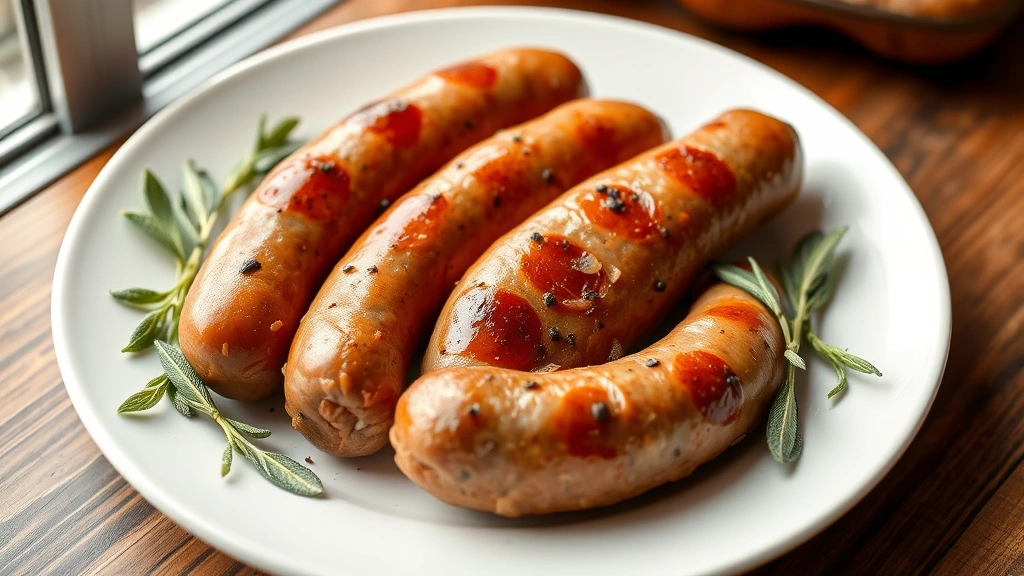
There’s nothing quite like homemade venison sausage—it’s a game-changer for anyone lucky enough to have access to fresh venison or wild game. This recipe transforms lean venison into incredibly flavorful sausage that’s perfect for breakfast, dinner, or any occasion in between. The key to the best venison sausage is balancing the rich, distinctive flavor of venison with just the right amount of fat and seasonings to keep it moist and delicious.
Venison is naturally very lean, which means it needs a bit of help in the fat department to create that perfect sausage texture. We’ll be mixing in some pork fat (often called backfat) to achieve the ideal ratio, along with a carefully curated blend of spices that complement rather than overpower the beautiful game flavor. This venison sausage recipe is versatile—you can make it spicy, herby, or keep it classic and simple. Whether you’re grinding your own meat or working with pre-ground venison, this guide will walk you through every step to create restaurant-quality sausage right in your own kitchen.
What I love most about making homemade venison sausage is the control you have over every ingredient. No mystery additives, no excess sodium, just pure, honest sausage made exactly how you want it. Once you master this recipe, you’ll find yourself making it again and again. Serve it alongside Perfect Lemon Orzo Recipe for a complete dinner, or enjoy it for breakfast with eggs and toast. You can also pair it with Best Chickpea Salad Recipe for a lighter meal option.
The beauty of this venison sausage recipe is that it’s forgiving and adaptable. If you prefer a richer flavor, add more pork fat. If you want it spicier, increase the red pepper flakes or add cayenne. The fundamental technique remains the same, and once you understand it, you’ll be creating custom sausage blends for all your favorite dishes. According to Serious Eats’ comprehensive sausage guide, the most important factor in sausage making is keeping everything cold, and we’ll definitely be following that crucial rule.
Many hunters and wild game enthusiasts have told me that this recipe is the best way to use their venison harvest. It’s economical, impressive, and absolutely delicious. Whether you’re making links, patties, or bulk sausage for Easy Chicken Alfredo Recipe variations, this recipe will deliver exceptional results every single time. Let’s get started on creating the best venison sausage you’ve ever tasted!
Ingredients
- 4 pounds ground venison, kept very cold
- 1 pound pork backfat, cut into small cubes and kept very cold
- 2 tablespoons kosher salt
- 1 tablespoon freshly ground black pepper
- 1 tablespoon garlic powder
- 1 tablespoon onion powder
- 2 teaspoons dried sage
- 1 teaspoon dried thyme
- 1 teaspoon paprika
- ½ teaspoon red pepper flakes (optional, adjust to taste)
- ¼ teaspoon ground nutmeg
- ¼ teaspoon ground cloves
- ½ cup ice water or beef broth, very cold
- Sausage casings (hog casings work best), soaked in warm water if using links
- 2 tablespoons olive oil for cooking

Instructions
- Prepare your workspace by chilling a large mixing bowl, grinder attachment, and all sausage-making equipment in the freezer for at least 30 minutes. This is absolutely critical—keeping everything cold prevents the fat from smearing and ensures the best texture.
- Cut the pork backfat into small cubes, roughly ¼ inch in size, and spread them on a chilled plate. Return to the freezer until the venison is ready. The fat needs to stay cold enough that it will grind into distinct pieces rather than turning into a paste.
- Remove the ground venison from the refrigerator and work quickly. If you’re grinding it yourself, cut venison into 1-inch cubes, chill thoroughly, and grind through a medium die into the chilled bowl.
- Add the very cold pork fat cubes to the ground venison. Toss gently to distribute the fat throughout the meat. The ratio should be roughly 4 parts venison to 1 part fat, which creates the ideal balance.
- In a small bowl, combine all dry seasonings: kosher salt, black pepper, garlic powder, onion powder, dried sage, dried thyme, paprika, red pepper flakes, nutmeg, and ground cloves. Mix thoroughly to ensure even distribution.
- Sprinkle the seasoning mixture over the meat and fat combination. Using a chilled fork or your very cold hands, begin mixing gently but thoroughly. Work quickly—you want to incorporate the seasonings without warming the mixture.
- Add the ice water or cold beef broth gradually while continuing to mix. The liquid helps bind everything together and makes the sausage juicier. Mix until the texture becomes sticky and tacky, about 2-3 minutes of gentle mixing.
- Test the seasoning by forming a small patty and cooking it in a skillet over medium heat for 2-3 minutes per side. Taste it and adjust seasonings as needed. Remember that salt is hard to remove, so add it conservatively.
- If making fresh bulk sausage, transfer the mixture to an airtight container and refrigerate until ready to cook. If making links, attach the grinder’s sausage stuffer to your grinder and fit a damp sausage casing onto the tube.
- Feed the sausage mixture slowly into the casing, gently pushing with your other hand to ensure even filling. Leave about ½ inch of space at each end and avoid overstuffing, which can cause the casing to burst during cooking.
- Once the casing is filled, twist at 4-5 inch intervals to create individual sausage links. Prick each link with a sharp needle or sausage pricker in several places to prevent them from bursting while cooking.
- Refrigerate finished sausage links for at least 2 hours, preferably overnight, to allow the flavors to meld and the casings to set properly.
- When ready to cook, heat olive oil in a large skillet over medium heat. Add sausage links or patties and cook for 8-10 minutes, turning occasionally, until they’re golden brown and reach an internal temperature of 160°F.
- Remove from heat and let rest for 5 minutes before serving. This allows the juices to redistribute throughout the sausage.
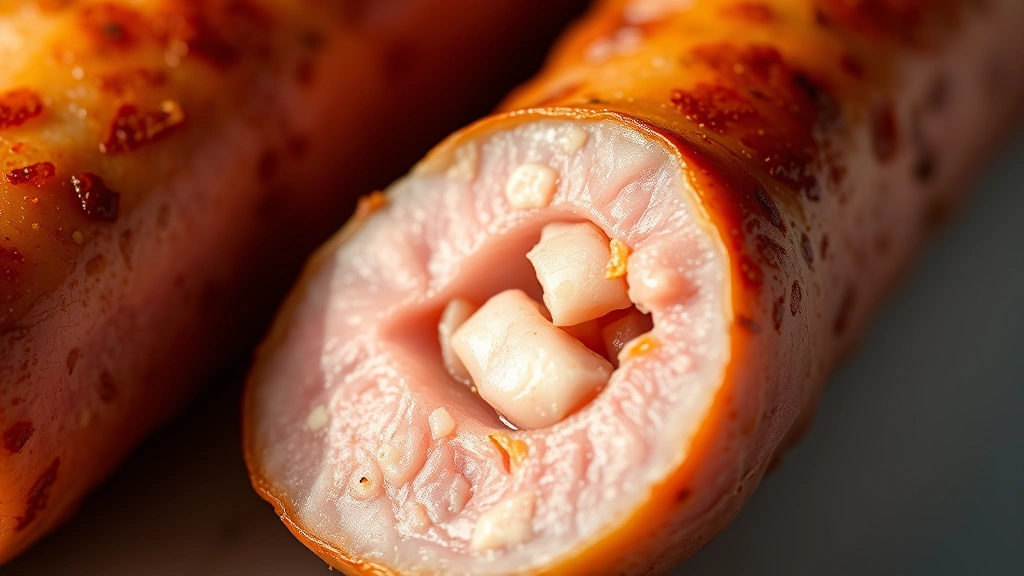
Pro Tips
- Keeping everything cold is the single most important factor in sausage making. Warm fat creates a mushy, unappetizing texture. Don’t skip the freezing steps.
- You can adjust the seasoning profile based on your preferences. For an Italian-style venison sausage, add fennel seeds and more garlic. For a spicy Cajun version, increase the cayenne and add paprika.
- Pork backfat is essential—don’t substitute with ground pork, which contains meat fibers that change the texture. Ask your butcher for backfat; they usually have it available or can order it.
- If you don’t have sausage casings, make bulk sausage instead. Simply skip the casing step and use the mixture for patties or crumbled sausage in pasta sauces and soups.
- Fresh venison sausage keeps in the refrigerator for 3-4 days or can be frozen for up to 3 months. Freeze on a baking sheet before transferring to freezer bags to prevent sticking.
- For a milder flavor, reduce the sage and thyme slightly. Venison’s gamey flavor is wonderful, but some people prefer more subtle seasoning.
- The ice water binding is crucial—it acts as an emulsifier and keeps the sausage moist during cooking. Don’t skip this step even though it seems small.
- Ground venison is available at many grocery stores and specialty butchers if you don’t hunt or grind your own. Ask if they can grind it fresh for you.
- Different sausage casings create different results. Hog casings (the most common) are about ¾ inch diameter and perfect for traditional sausage links.
- Pricking the casings prevents them from exploding during cooking and releases steam gradually for more even cooking throughout.
- Serve homemade venison sausage with eggs, toast, and hash browns for breakfast, or pair it with various pasta dishes and vegetables for dinner.