

Black pudding is a traditional British and Irish delicacy that’s absolutely divine when made at home. This rich, flavorful blood sausage has been enjoyed for centuries and is a staple of the full English breakfast. Don’t let the ingredient list intimidate you—making black pudding is easier than you might think, and the results are absolutely worth the effort.
This recipe combines pork blood, pork meat, and warming spices to create a deeply savory, slightly sweet sausage that’s perfect sliced and pan-fried until crispy on the outside. The key to the best black pudding is using quality ingredients and not being afraid of the process. Once you master this recipe, you’ll understand why black pudding deserves a place on your breakfast table alongside bacon and eggs.
For the best results, source your pork blood from a butcher or specialty meat supplier—many are happy to prepare it for you. You can also find pre-made black pudding casings at specialty shops, which makes the process significantly easier. Pair your homemade black pudding with pickled red onions for a bright contrast, or enjoy it as part of a traditional full breakfast.
This recipe yields approximately 2 pounds of black pudding, which you can store in the refrigerator for up to five days or freeze for up to three months. Whether you’re cooking this for a special weekend breakfast or impressing guests with an authentic British dish, this black pudding recipe will become a cherished favorite in your kitchen.
Ingredients
- 1 pound fresh pork blood (approximately 500ml)
- 1 pound pork shoulder or pork belly, finely diced
- ½ pound pork fat or lard, finely diced
- 1 cup panko breadcrumbs or steel-cut oats
- 1 medium yellow onion, finely diced
- 3 cloves garlic, minced
- 2 teaspoons ground black pepper
- 1 teaspoon ground allspice
- 1 teaspoon ground thyme
- ½ teaspoon ground cloves
- ½ teaspoon ground ginger
- 1 tablespoon kosher salt
- ½ teaspoon cayenne pepper (optional, for heat)
- ¼ teaspoon nutmeg
- 32-35mm hog casings (approximately 3-4 feet), rinsed and soaked
- 2 tablespoons vegetable oil for cooking
- Water for cooking
Instructions
- Prepare all your ingredients and equipment before beginning. Ensure your pork blood is fresh and has been kept at a cool temperature. If you’re using frozen blood, thaw it completely in the refrigerator overnight. Have a large mixing bowl, a meat grinder or food processor, a casing-filling tool or piping bag, and a large pot ready.
- If using a food processor, pulse the diced pork shoulder, pork fat, and diced onion together until the mixture is finely minced but not pureed. The texture should be slightly coarse, resembling ground meat. Transfer this mixture to your large mixing bowl.
- Add the minced garlic, panko breadcrumbs, black pepper, allspice, thyme, cloves, ginger, salt, cayenne pepper, and nutmeg to the pork mixture. Mix thoroughly with your hands until all the spices are evenly distributed throughout the meat. This should take about two to three minutes of mixing.
- Slowly pour the fresh pork blood into the meat mixture while gently stirring with your hands. The mixture will become darker and more cohesive as you incorporate the blood. Continue stirring until the blood is completely combined and the mixture has a uniform deep red-brown color. Be gentle to avoid creating excess air in the mixture.
- Rinse the hog casings under cool running water, both inside and outside. Soak them in a bowl of lukewarm water for at least ten minutes before filling. This makes them more pliable and easier to work with. Pat them dry with paper towels before using.
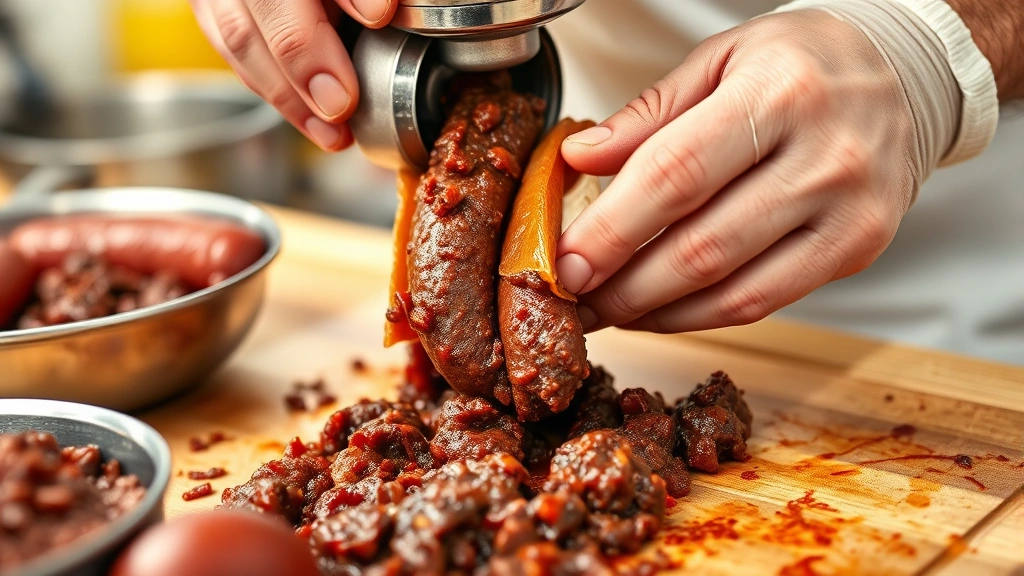
- Fit your casing onto the nozzle of your sausage stuffer or piping bag. Gently ease the casing onto the nozzle, accordion-style, leaving about three inches hanging free. Fill slowly and carefully, applying gentle pressure to avoid overstuffing, which can cause the casings to burst during cooking.
- Fill the casings with the black pudding mixture, leaving approximately half an inch of space at each end. Work slowly and steadily, gently guiding the casing as it fills. If air pockets form, prick them gently with a clean needle or toothpick.
- Once filled, tie the casings at regular intervals (approximately every four inches) using kitchen twine to create individual sausages. You can also tie them at both ends to create larger links. Prick any remaining air pockets with a sterilized needle.
- Bring a large pot of water to a gentle simmer (approximately 180-190°F or 82-88°C). The water should be steaming but not rolling at a boil. Carefully place the black pudding links into the simmering water.
- Poach the black pudding for approximately thirty to forty minutes. The sausages will initially sink to the bottom of the pot and will float to the surface when they’re nearly finished cooking. A fully cooked black pudding will feel firm to the touch and float steadily on the water’s surface.
- Using a slotted spoon, carefully remove the cooked black pudding from the water and transfer to a clean kitchen towel to drain and cool completely. Once cooled to room temperature, refrigerate until ready to serve.
- To serve, slice the black pudding into half-inch thick rounds. Heat the vegetable oil in a large skillet over medium-high heat until shimmering. Add the black pudding slices in a single layer, working in batches if necessary to avoid overcrowding.
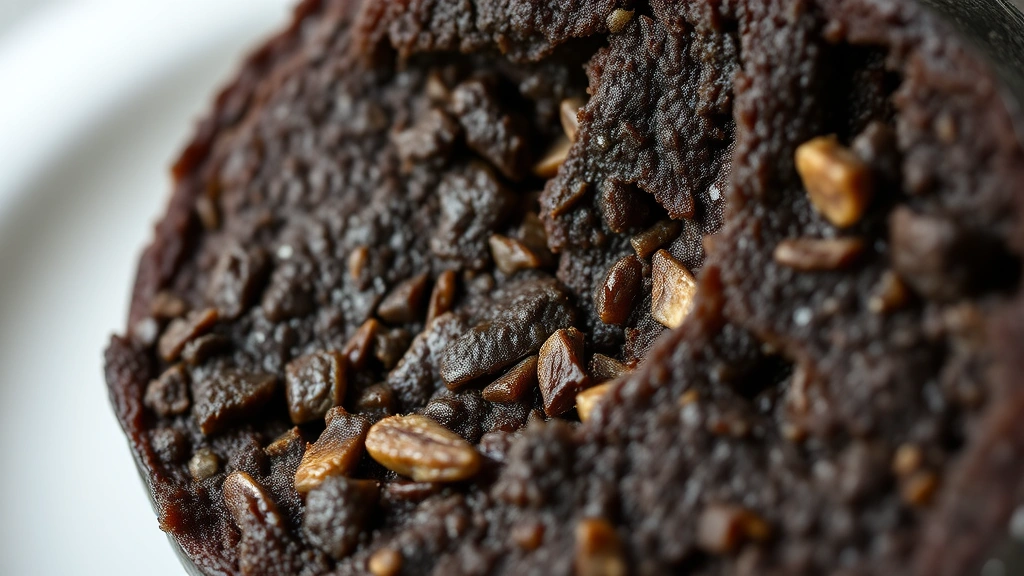
- Fry the black pudding slices for three to four minutes on each side until they develop a deep golden-brown crust and are heated through. The edges should be slightly crispy. Transfer to a paper towel-lined plate to drain any excess oil before serving hot.
Pro Tips
If you cannot find fresh pork blood, some specialty butchers and online retailers can provide it. Alternatively, some recipes substitute the blood with additional pork liver, though this creates a different flavor profile and texture.
The spice measurements in this recipe are traditional and balanced, but feel free to adjust according to your preferences. Some regional variations include more ginger or additional allspice for a slightly sweeter version.
For a vegetarian version, some cooks have experimented with beet juice and mushroom-based mixtures, though these don’t replicate the traditional flavor or texture.
Black pudding is excellent served with fried eggs, grilled tomatoes, and mushrooms for a traditional full English breakfast. It also pairs beautifully with salads for contrast.
When filling casings, work slowly and carefully to avoid air pockets. If the mixture becomes too warm while filling, refrigerate for twenty minutes before continuing.
The poaching temperature is critical—water that’s too hot will cause the casings to burst, while water that’s too cool won’t cook the pudding properly. Use a reliable kitchen thermometer if available.
Some cooks prefer to peel the casings before serving, while others leave them intact. Both methods are traditional and acceptable.
Leftover cooked black pudding can be reheated in a skillet over medium heat or warmed in a 350°F oven for ten minutes. Do not microwave, as this can cause the pudding to become tough and rubbery.