
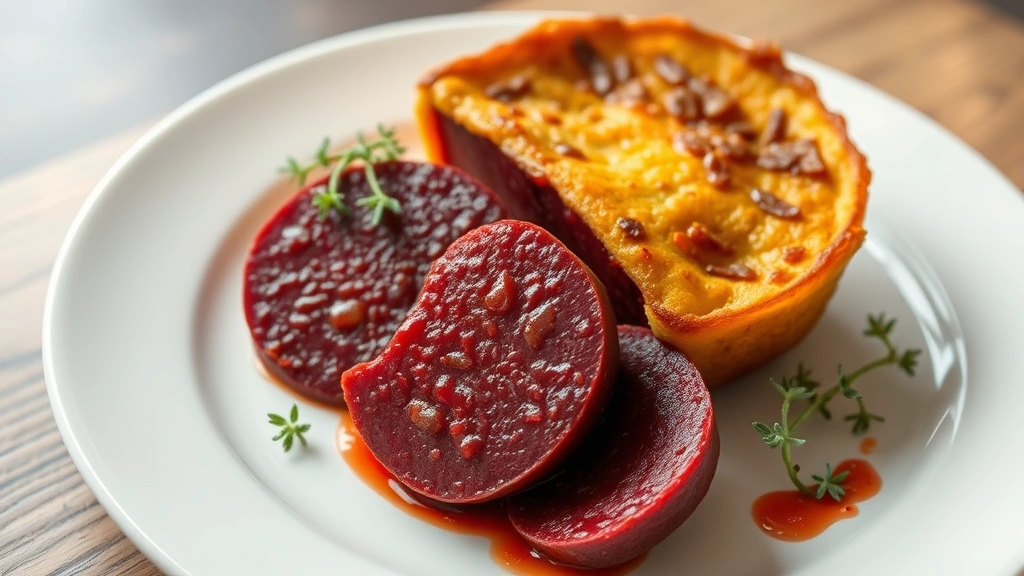
Blood pudding, also known as black pudding, is a traditional European delicacy that has been cherished for centuries. This authentic recipe celebrates the rich, deep flavors and unique texture that make blood pudding such a beloved ingredient in classic cuisine. Whether you’re exploring traditional British breakfast fare or European charcuterie, this homemade blood pudding recipe delivers exceptional results.
Making blood pudding at home might seem intimidating, but with the right guidance and quality ingredients, you’ll create something truly spectacular. The key to the best blood pudding lies in balancing the iron-rich blood with aromatic spices, premium pork fat, and carefully selected grains. This recipe honors traditional methods while ensuring food safety and incredible flavor.
Blood pudding pairs beautifully with pickled red onions for brightness, or serve alongside eggs and toast for an elegant breakfast. You can also incorporate it into bacon-forward dishes for added depth.
This recipe requires advance planning and sourcing quality pork blood from a trusted butcher, but the effort rewards you with homemade blood pudding that surpasses store-bought versions. The combination of barley, oatmeal, and spices creates a complex flavor profile that’s both comforting and sophisticated.
According to Serious Eats, blood pudding traditions vary significantly across regions, from Spanish morcilla to French boudin noir. This recipe draws inspiration from British black pudding, known for its generous use of pork fat and warming spices.
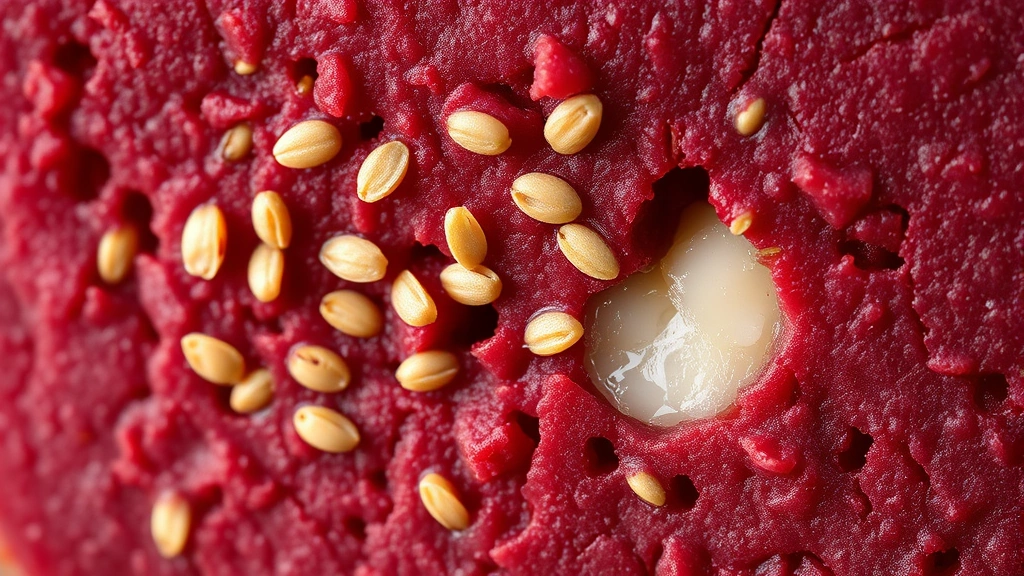
The texture of homemade blood pudding should be dense yet slightly yielding, with visible flecks of grain throughout. When sliced and pan-fried, it develops a beautiful crust while maintaining a tender interior. Serve immediately for the best experience, as blood pudding is most delicious when warm.
Learn more about building rich, savory sauces to accompany your blood pudding, or explore creamy pasta dishes that showcase similar luxurious ingredients. For a complete traditional breakfast, consider pairing with protein-forward recipes.
For detailed guidance on charcuterie techniques, Bon Appétit offers excellent resources on working with cured meats and traditional preparations. This blood pudding recipe combines Old World techniques with modern food safety standards, ensuring you create an authentic delicacy your family will love.
Ingredients
- 1 pound fresh pork blood (from a trusted butcher, kept cold)
- 8 ounces pork fatback, finely diced
- 1 large onion, finely minced
- 2 cups cooked pearl barley, cooled
- 1 cup steel-cut oatmeal, cooked and cooled
- 4 cloves garlic, minced
- 2 teaspoons ground black pepper
- 1.5 teaspoons ground allspice
- 1 teaspoon dried thyme
- 1 teaspoon dried marjoram
- 0.5 teaspoon ground nutmeg
- 0.5 teaspoon ground clove
- 2 teaspoons sea salt (adjust to taste)
- 0.25 teaspoon cayenne pepper
- 3 tablespoons fresh parsley, finely chopped
- 2 tablespoons fresh sage, finely chopped
- 0.5 cup pork or vegetable stock
- 2 natural hog casings (about 32mm diameter), rinsed and soaked
- 2 tablespoons butter for frying
- Fresh thyme sprigs for garnish
Instructions
- Begin by preparing your ingredients with meticulous care. Ensure the pork blood is fresh and has been kept at proper temperature. Dice the pork fatback into tiny pieces, approximately 0.25 inches, and place in a large mixing bowl.
- In a separate large bowl, combine the cooked pearl barley and cooked steel-cut oatmeal. These grains provide structure and traditional texture to your blood pudding while absorbing flavors beautifully.
- Heat 1 tablespoon of butter in a heavy-bottomed skillet over medium heat. Add the finely minced onion and cook, stirring frequently, until completely softened and beginning to caramelize, approximately 8-10 minutes.
- Add the minced garlic to the onions and cook for an additional 2 minutes, stirring constantly until fragrant. Be careful not to burn the garlic, as this will create bitter flavors.
- Transfer the cooked onion and garlic mixture to the bowl containing the barley and oatmeal. Stir well to combine evenly throughout the grains.
- In a small bowl, combine all dry spices: black pepper, allspice, thyme, marjoram, nutmeg, clove, sea salt, and cayenne pepper. Mix thoroughly to ensure even distribution of spices.
- Add the spice mixture to the grain mixture and stir well. Add the fresh parsley and sage, stirring to combine evenly. The mixture should be fragrant and well-seasoned.
- Gently fold the diced pork fatback into the grain and spice mixture, using a large spoon or your hands (wearing clean food-service gloves). Work slowly and carefully to distribute the fat evenly without crushing the grains.
- In a separate bowl, gently whisk the fresh pork blood with a fork until smooth and well combined. Do not overwhisk, as this can create an overly foamy texture.
- Slowly pour the whisked blood into the grain mixture while gently folding with a large spoon or spatula. Continue folding until the blood is completely incorporated and the mixture becomes a consistent, dark color with visible grains and fat pieces throughout.
- Add the pork or vegetable stock one tablespoon at a time while gently folding, until the mixture reaches a thick but slightly loose consistency that will hold together but is not dry. You may not need all the stock.
- Taste the mixture and adjust seasoning as needed. Remember that blood pudding flavors intensify during cooking, so be conservative with additional salt.
- Prepare your hog casings by rinsing thoroughly under cold water and soaking in room-temperature water for 15 minutes. This makes them flexible and easier to work with.
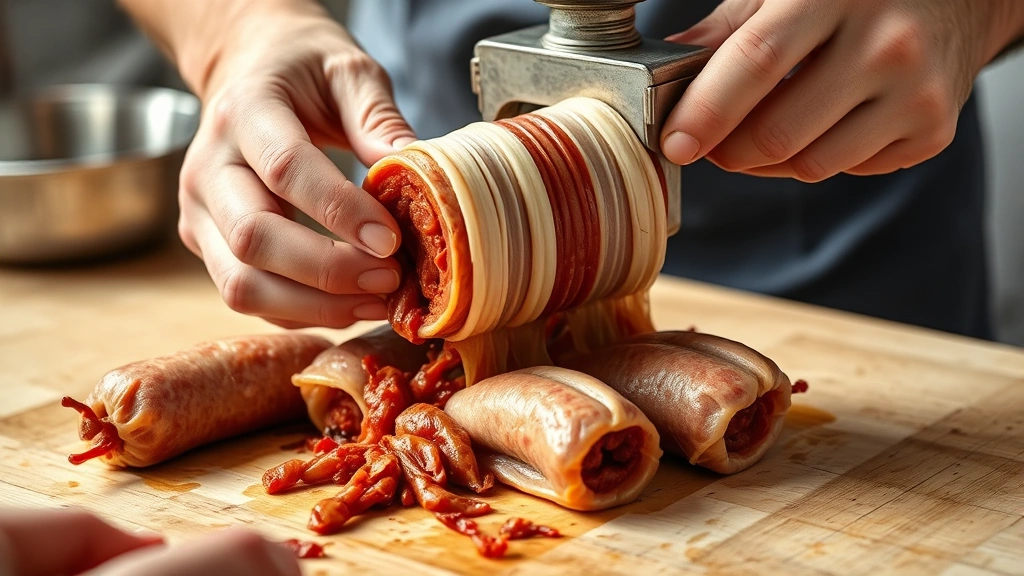
- Set up a sausage stuffer according to manufacturer’s directions, or use a piping bag fitted with a large round tip (approximately 0.5-inch diameter) as an alternative.
- Slide one end of a casing onto the stuffer nozzle or piping bag, leaving about 2 inches extending beyond the opening. Slowly feed the blood mixture into the casing, applying gentle pressure and stopping occasionally to release any trapped air bubbles.
- Fill the casings until they are comfortably full but not overstuffed, as blood pudding expands during cooking. Leave approximately 1 inch of casing empty at each end.
- Using clean kitchen string, tie both ends of each filled casing securely with a double knot. Prick the surface of the casing all over with a clean needle to prevent bursting during cooking.
- Bring a large pot of water to a gentle simmer (approximately 180-190°F). The water should be hot but never boiling, as high heat will cause the casings to burst.
- Carefully place the blood pudding into the simmering water and cook for approximately 30-35 minutes. The pudding should rise slightly and feel firm to the touch when fully cooked.
- Using a slotted spoon, carefully remove the cooked blood pudding from the water and place on a clean kitchen towel. Allow to cool completely to room temperature, approximately 20-30 minutes.
- Once cooled, the blood pudding can be wrapped in plastic wrap and refrigerated for up to 5 days, or frozen for up to 3 months. For serving, slice into 0.5-inch thick pieces.
- To serve, heat 1 tablespoon of butter in a skillet over medium-high heat until foaming. Place blood pudding slices in the pan and fry for 3-4 minutes per side until the exterior is crispy and golden brown, while the interior remains warm and tender.
- Transfer fried blood pudding to a warm plate and serve immediately, optionally garnished with fresh thyme sprigs. Serve hot for the best flavor and texture.
Pro Tips
- Blood pudding is a traditional European delicacy with deep historical roots in British, Spanish, and French cuisines. Each culture has developed its own variation with unique spice profiles and ingredient ratios.
- The most critical aspect of making blood pudding is sourcing fresh pork blood from a reputable butcher who specializes in charcuterie. Call ahead to ensure availability and proper handling.
- Always keep blood ingredients cold throughout the preparation process. Work quickly and maintain proper food safety protocols when handling raw blood products.
- The grains in blood pudding serve multiple purposes: they absorb blood and fat, provide structure, add nutritional value, and create the characteristic texture that distinguishes blood pudding from simple blood-based preparations.
- Hog casings are essential for traditional blood pudding but require careful handling. They’re delicate and can tear easily, so work gently during stuffing. Some recipes use synthetic casings, but natural casings provide superior texture and authenticity.
- The cooking temperature is crucial—water that’s too hot will burst the casings and create a grainy, unpleasant texture. Use a reliable thermometer to maintain the proper gentle simmer.
- Fresh blood pudding develops the best flavor after a day of rest in the refrigerator, as the spices continue to meld and develop complexity. If possible, prepare a day ahead.
- When pan-frying blood pudding slices, ensure the skillet is hot enough to create a crispy exterior. Medium-high heat is ideal—too low and the pudding will become greasy, too high and it may burn before heating through.
- Leftover cooked blood pudding can be reheated gently in a low oven (300°F) for 10-12 minutes, wrapped in foil to prevent drying out. Pan-frying is also effective for reheating.
- Traditional pairings include eggs, bacon, tomatoes, and mushrooms for breakfast service. For dinner, serve with crusty bread, sautéed greens, and a sharp mustard or horseradish cream.
- The spice blend can be adjusted to personal preference. Some regions favor more warm spices like cinnamon and ginger, while others prefer simple pepper and sage.