
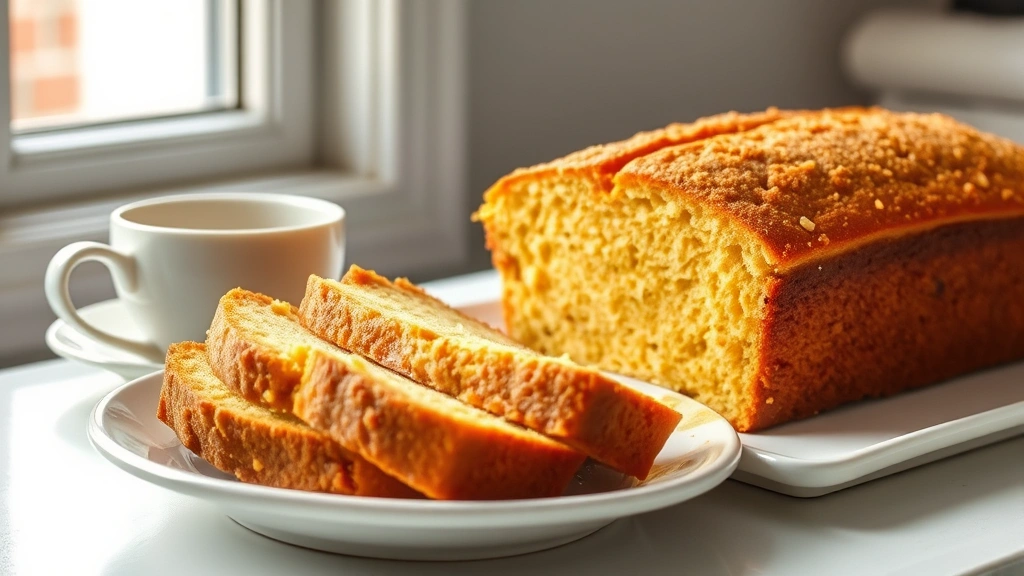
Castella cake, or kasutera, is a luxurious Japanese sponge cake that’s been beloved for centuries. This delicate, honey-sweetened cake has a tender crumb and beautiful golden exterior that makes it perfect for special occasions or whenever you want to impress. The beauty of castella lies in its simplicity—just a few quality ingredients whipped together create pure magic.
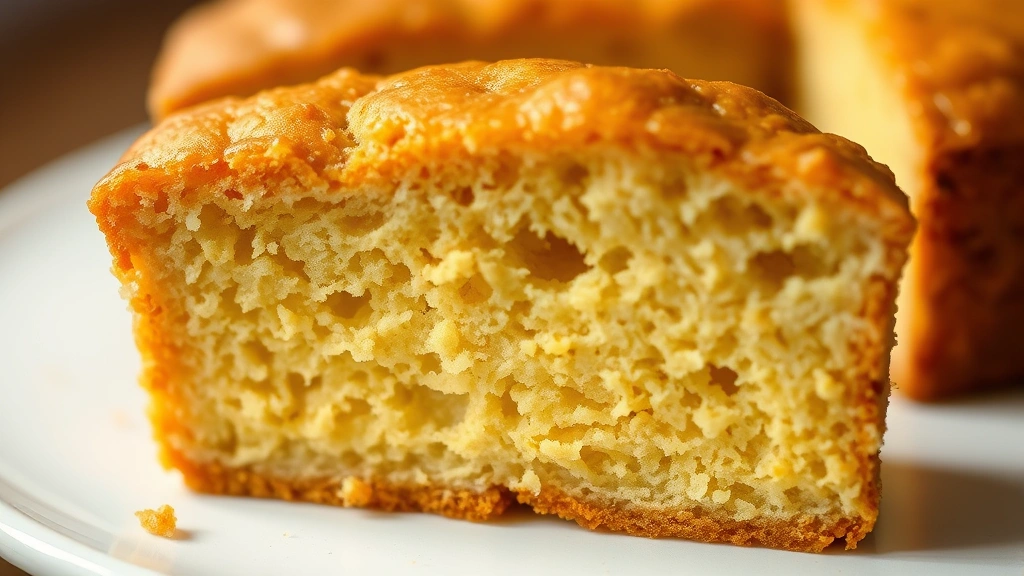
What makes castella so special is the technique. Unlike American-style cakes that rely on baking powder or soda, castella gets its airy structure purely from whipped eggs. This creates an incredibly moist, fine-textured cake that stays fresh for days. The traditional recipe uses a combination of whole eggs and egg yolks, along with honey or sugar, creating that signature tender crumb we all crave.
I’ve perfected this recipe over years of baking, and I’m thrilled to share my foolproof method with you. The key is patience and proper technique—don’t rush the egg beating, and pay close attention to folding. You’ll also want to invest in a good loaf pan and parchment paper, as this helps prevent the edges from browning too quickly while the center cooks through.
This castella cake recipe yields a stunning golden cake with a slightly crispy exterior and an incredibly moist, fine crumb inside. It’s wonderful served plain with tea, or you can dress it up with fresh berries and whipped cream. For a special touch, try pairing it with complementary flavors or creating a simple glaze.
The beauty of castella is that it’s naturally dairy-free and doesn’t require any chemical leavening agents. This makes it perfect for those with sensitivities, and it’s a wonderful introduction to Japanese baking techniques. Once you master this recipe, you’ll find yourself making it regularly—it’s that good and that addictive.
I recommend reading through the entire recipe before starting, as understanding the process will help you execute each step with confidence. Temperature matters, technique matters, and yes, even the type of pan matters. But don’t let that intimidate you—this cake is absolutely achievable for home bakers of all skill levels.
For more baking inspiration, check out this culinary guide or explore other kitchen techniques. You can also find great complementary recipes like pickled red onions and shishito peppers for entertaining.
For more detailed baking science, Serious Eats has excellent cake resources, and New York Times Cooking offers wonderful recipe variations. You can also explore Bon Appétit for inspiration on plating and presentation.
Ingredients
- 6 large eggs, separated (room temperature is crucial)
- 100g honey
- 40g granulated sugar, divided
- 40ml vegetable oil
- 40ml whole milk, room temperature
- 1 teaspoon vanilla extract
- 100g cake flour, sifted
- 1/4 teaspoon cream of tartar
- 1/8 teaspoon fine sea salt
Instructions
- Preheat your oven to 320°F (160°C). Line a 8.5×4.5 inch loaf pan with parchment paper, making sure it extends above the edges for easy removal. You can also grease the pan lightly before adding parchment for extra security.
- In a small bowl, whisk together the honey, vegetable oil, milk, and vanilla extract until well combined and emulsified. Set aside at room temperature.
- Sift the cake flour into a separate bowl, then add the egg yolks one at a time to the honey mixture, stirring well after each addition. Gently fold the sifted flour into the egg yolk mixture using a spatula, being careful not to deflate the mixture. The batter should be smooth and homogeneous.
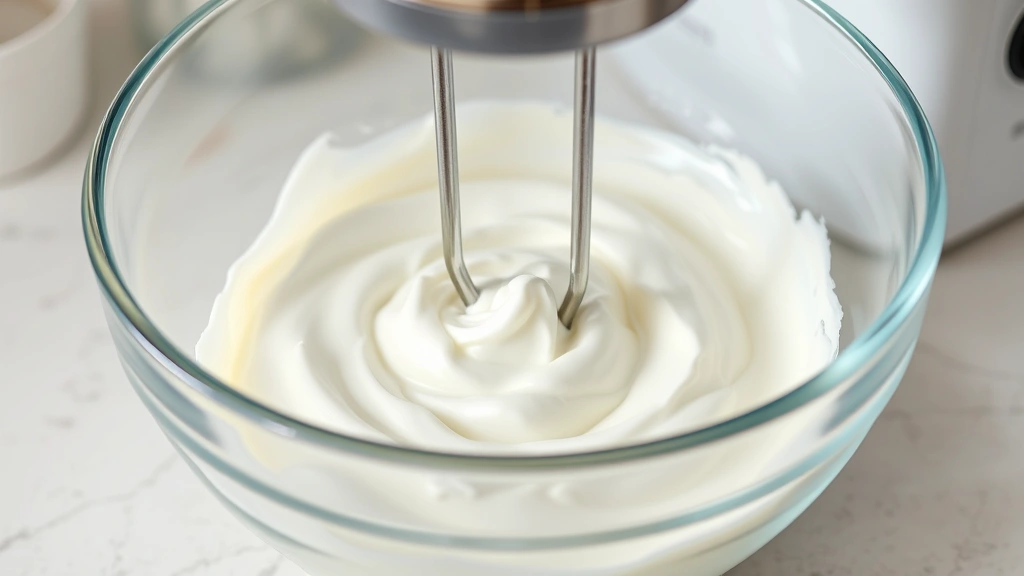
- In a large, absolutely clean bowl (any grease will prevent proper whipping), combine the egg whites, cream of tartar, and salt. Using an electric mixer on medium speed, begin beating the egg whites. Beat until soft peaks form, then gradually add the remaining 40g of sugar while continuing to beat on medium-high speed.
- Continue beating the egg whites until stiff peaks form and the mixture is glossy and thick. This should take about 8-10 minutes total from when you started beating. The egg whites should be completely white with no translucent areas remaining.
- Gently fold one-third of the whipped egg whites into the egg yolk and flour mixture using a spatula. Use broad, sweeping motions—cut down the center, across the bottom, and up the side, rotating the bowl as you go. This lightens the batter and makes folding in the remaining whites easier.
- Carefully fold in the remaining two-thirds of the whipped egg whites in two additions. Work gently but thoroughly—you want to fully incorporate the whites without deflating them. The final batter should be light, airy, and have a mousse-like texture.
- Pour the batter into your prepared loaf pan, smoothing the top gently with a spatula. Tap the pan gently on the counter a few times to release any large air bubbles, but be careful not to deflate the batter.
- Place the loaf pan into a larger roasting pan and add hot water to the roasting pan until it reaches halfway up the sides of the loaf pan. This water bath ensures gentle, even cooking and prevents the outside from browning too quickly.
- Carefully transfer the water bath to the preheated oven. Bake for 50-60 minutes, until a toothpick inserted into the center comes out clean or with just a few moist crumbs. The top should be golden brown and the cake should spring back when lightly touched.
- Remove the castella from the oven and let it cool in the pan for 10 minutes. Run a thin knife around the edges to loosen it from the pan, then carefully turn it out onto a wire rack to cool completely. Remove the parchment paper once it’s cool enough to handle.
- Once completely cool, wrap the castella tightly in plastic wrap or store it in an airtight container at room temperature for up to 4 days. The cake actually improves slightly after a day as the flavors meld and the texture becomes even more tender.
Pro Tips
The water bath is not optional—it’s what gives castella its characteristic tender, moist crumb. The gentle, humid heat prevents the outside from setting too quickly before the inside cooks through.
Sifting the flour multiple times (once before measuring, once before folding) ensures a fine, delicate crumb with no lumps. This extra step makes a noticeable difference in the final texture.
Don’t open the oven door during baking, as this can cause the cake to collapse. Use the oven light to check on it if you must peek.
Cream of tartar is important because it stabilizes the egg whites and helps them hold their peaks longer. If you don’t have it, you can substitute with 1/2 teaspoon of lemon juice or white vinegar.
The folding technique is critical. Overmixing deflates the whipped egg whites, resulting in a dense cake. Undermixing leaves streaks and an uneven crumb. Fold gently but thoroughly.
Castella keeps exceptionally well compared to many cakes. It actually tastes better the next day as the moisture redistributes and the flavors develop. Wrap it well to prevent it from drying out.
For variations, try adding 1/2 teaspoon of matcha powder for green tea castella, or a tablespoon of instant coffee for coffee castella. Fold these additions into the dry ingredients before combining with the egg yolk mixture.
If your cake has a crack on top, don’t worry—this is completely normal for castella and is actually considered a sign of proper baking. Some bakers even make the crack on purpose by scoring the top before baking.
Slice castella with a sharp, thin knife using a gentle sawing motion rather than pressing down. This prevents squishing the delicate crumb and gives you cleaner slices.
Pingback: How to Make the Easy Birria Tacos Recipe (So Delicious!) – Simple Recipe Finder
Pingback: How to make the BEST Shrimp Bisque Soup Recipe! – Simple Recipe Finder