

There’s something absolutely magical about pulling a tray of warm, gooey cinnamon rolls from the oven—especially when they’re made with heavy cream for an extra-rich, tender crumb. This isn’t your ordinary cinnamon roll recipe; the addition of heavy cream to both the dough and the filling creates a bakery-quality result that’s impossibly soft and decadent.
I’ve been perfecting this recipe for years, and I’m thrilled to finally share my secrets with you. The heavy cream works in two ways: it enriches the dough to create that pillowy-soft texture we all crave, and it adds a luxurious component to the filling that makes each bite absolutely unforgettable. Whether you’re baking these for a special weekend breakfast, a holiday gathering, or just because you deserve something delicious, this recipe will become your go-to.
The beauty of this recipe is that while it looks impressive and tastes like you spent hours in the kitchen, the process is actually quite manageable. We’re using a hybrid approach that combines the best techniques from traditional yeast-based recipes with modern shortcuts that don’t compromise on flavor or texture. The result is cinnamon rolls that rival any high-end bakery, but made right in your own kitchen.
What makes these cinnamon rolls truly special is the combination of ingredients. The heavy cream creates a tender, almost custard-like crumb that stays moist for days. The filling gets an extra boost from both brown sugar and cinnamon, with just a touch of vanilla to enhance the flavors. And the cream cheese frosting? It’s the perfect finishing touch that ties everything together beautifully.
I recommend making these rolls on a day when you have time to let them rise properly—this isn’t a rushed recipe, and the slow fermentation actually develops deeper flavor. However, you can prepare the dough the night before and bake them fresh in the morning for that just-baked aroma that makes your kitchen smell like a dream. Keep reading for my expert tips on achieving perfect rolls every single time, including how to store them and the best way to reheat them for maximum deliciousness.
For more enriched bread recipes, check out our Best Heavy Cream Alfredo Sauce Recipe and our Delicious Heavy Cream Pasta Recipe for other cream-based comfort foods. You might also enjoy our Easy Chicken Alfredo Recipe for another creamy indulgence. For external inspiration, check out Bon Appétit’s cinnamon roll guide and Serious Eats’ detailed approach to mastering this classic treat.
Ingredients
- 1 cup heavy cream, warmed
- 1/2 cup whole milk, warmed
- 4 1/2 teaspoons active dry yeast (1 1/2 packets)
- 1/2 cup granulated sugar
- 1/4 cup brown sugar
- 1 teaspoon salt
- 4 tablespoons butter, melted
- 2 large eggs, room temperature
- 1 teaspoon vanilla extract
- 3 1/4 cups all-purpose flour
- 2 tablespoons heavy cream (for filling)
- 6 tablespoons butter, softened (for filling)
- 1 cup brown sugar, packed (for filling)
- 3 tablespoons ground cinnamon (for filling)
- 1/4 teaspoon salt (for filling)
- 4 ounces cream cheese, softened
- 2 tablespoons butter, softened
- 1 cup powdered sugar
- 1/2 teaspoon vanilla extract
Instructions
- Combine the warmed heavy cream and warm milk in a large mixing bowl. Sprinkle the active dry yeast over the liquid and let it sit for about 5 minutes until it becomes foamy—this indicates the yeast is active and ready to work.
- Add the granulated sugar, brown sugar, salt, melted butter, eggs, and vanilla extract to the yeast mixture. Stir well until all the wet ingredients are fully combined and the sugar has mostly dissolved.
- Add 2 cups of the all-purpose flour to the mixture and stir vigorously for about 2 minutes. This initial mixing develops some gluten structure and helps distribute the yeast evenly throughout the dough.
- Gradually add the remaining 1 1/4 cups of flour, one-quarter cup at a time, stirring after each addition until a shaggy dough forms. The dough should be slightly sticky but hold together—it shouldn’t be dry or overly wet.
- Transfer the dough to a lightly oiled surface and knead for 8-10 minutes until the dough becomes smooth and elastic. You can also use a stand mixer with a dough hook attachment for 6-8 minutes on medium speed. The dough should be slightly tacky but not sticky.
- Place the kneaded dough in a lightly oiled bowl, turning it to coat all sides with oil. Cover with a damp kitchen towel or plastic wrap and let it rise in a warm location for about 1 hour, or until it has doubled in size.
- While the dough rises, prepare your filling ingredients. In a small bowl, combine the softened butter with the 2 tablespoons of heavy cream, mixing until you have a spreadable paste. In another bowl, mix together the packed brown sugar, ground cinnamon, and salt.
- Once the dough has risen, turn it out onto a lightly floured surface. Gently punch down the dough to release excess air, then roll it out into a 12×16 inch rectangle using a rolling pin.
- Spread the butter-cream cheese mixture evenly over the entire surface of the dough, leaving a small border around the edges. Make sure the mixture is applied in an even layer for consistent filling distribution.
- Sprinkle the cinnamon-brown sugar mixture evenly over the buttered dough, making sure to cover the entire surface. Use your fingers to gently press the filling into the butter so it adheres properly.
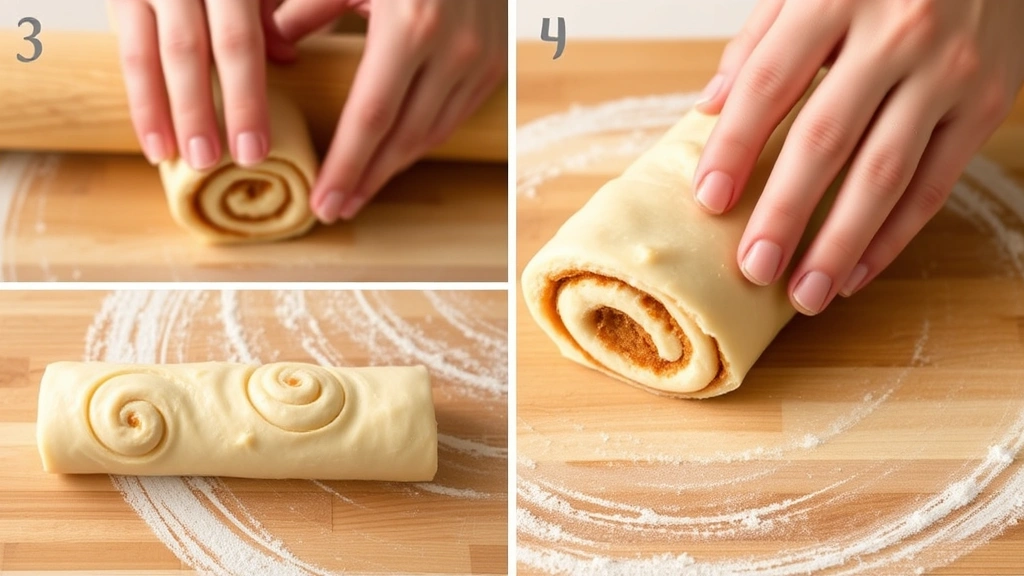
- Starting from one of the long sides, tightly roll the dough into a log, pinching the seam as you go to seal it. Avoid rolling too tightly, as the rolls need room to expand during their second rise.
- Using a sharp knife or unflavored dental floss, cut the log into 12 equal pieces, each about 1 1/3 inches thick. A helpful tip: use a piece of dental floss held taut to cut through the roll without deflating it.
- Arrange the rolls cut-side up in a greased 9×13 inch baking dish or similar sized pan, spacing them evenly so they have room to expand during the second rise.
- Cover the rolls with a damp towel or plastic wrap and let them rise in a warm location for about 45 minutes to 1 hour, until they’re puffy and nearly doubled in size.
- While the rolls complete their second rise, preheat your oven to 350°F (175°C). Make sure your oven rack is positioned in the center for even baking.
- Once the rolls have risen, bake them in the preheated oven for 22-27 minutes, until the tops are golden brown. The internal temperature should reach about 190°F (87°C) when measured with an instant-read thermometer.
- While the rolls bake, prepare the cream cheese frosting. Beat together the softened cream cheese and softened butter until light and fluffy, about 2 minutes. Gradually add the powdered sugar and vanilla extract, beating until smooth and spreadable.
- Remove the rolls from the oven and let them cool in the pan for about 5 minutes. This allows the structure to set slightly while they’re still warm enough for the frosting to melt into the crevices beautifully.
- Spread the cream cheese frosting generously over the warm rolls, allowing it to melt slightly into all the nooks and crannies. Serve immediately while still warm for the best texture and flavor.

Pro Tips
Freezing Instructions: Fully baked and frosted rolls can be frozen for up to 3 months. Wrap them individually in plastic wrap and aluminum foil. Reheat in a 300°F oven for about 15-20 minutes, covered with foil to prevent over-browning.
Reheating Tips: Leftover rolls are best reheated in a 325°F oven for 10-12 minutes, covered loosely with foil. You can also microwave individual rolls for 20-30 seconds, though this may make them slightly less fluffy.
Heavy Cream Benefits: The heavy cream creates an incredibly tender crumb because the fat content keeps the gluten strands from becoming too tight. It also helps the rolls stay moist for longer—these rolls will still be soft 2-3 days after baking.
Cinnamon Selection: Use fresh, high-quality ground cinnamon for the best flavor. Old or stale cinnamon will taste flat and dusty. If you prefer extra-intense cinnamon flavor, you can increase it to 3.5 tablespoons, though this is quite strong.
Temperature Matters: Ensure all your ingredients are at room temperature before mixing, especially the eggs and dairy. This helps the dough incorporate more evenly and rise more predictably. Warm ingredients help activate the yeast properly.
Rise Location: If your kitchen is cold, place the dough in a turned-off oven with the light on, or in a proofing box. The ideal temperature for yeast fermentation is between 75-80°F.
Dough Consistency: The dough should feel like a soft, slightly tacky baby’s skin—not dry, not overly wet. If it’s too dry, add milk one tablespoon at a time. If too wet, add flour one tablespoon at a time.
Customization Ideas: Try adding 1/2 teaspoon of cardamom to the filling for a Swedish twist, or add 1/4 cup of chopped pecans or walnuts for texture. Some people love adding a tablespoon of maple syrup to the frosting for extra depth.
Cream Cheese Frosting: Make sure your cream cheese is at room temperature so it blends smoothly into the frosting. Cold cream cheese will create lumpy frosting. You can make the frosting up to 2 hours ahead and refrigerate it until ready to use.