
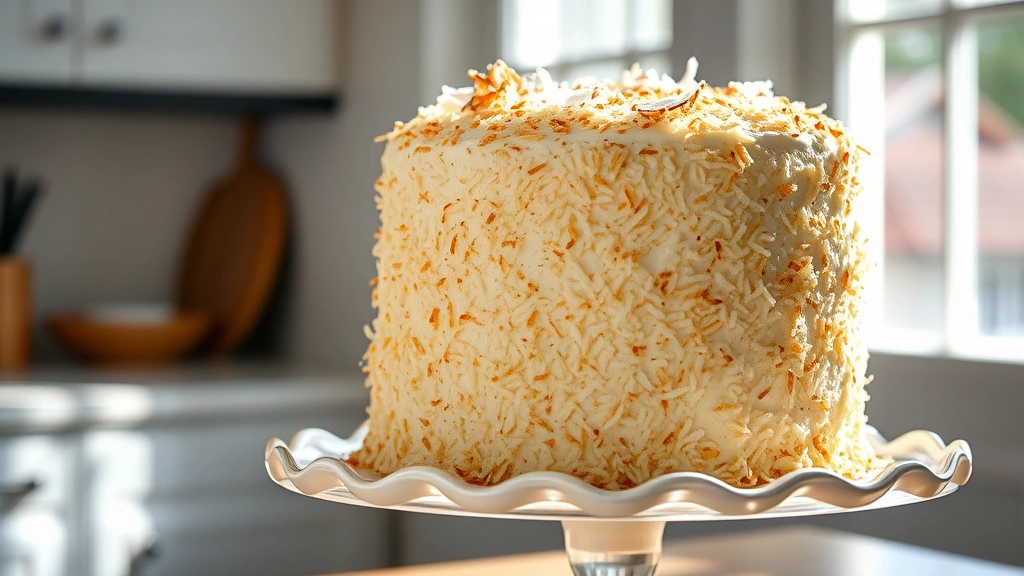
There’s something absolutely magical about a homemade coconut cake that brings back memories of summer gatherings and special celebrations. This isn’t just any coconut cake—it’s the one you’ll make again and again, the recipe your friends and family will request by name. With its tender, moist crumb, rich coconut flavor in every bite, and that signature fluffy frosting studded with toasted coconut, this is the coconut cake recipe that deserves a permanent spot in your baking rotation.
I’ve been perfecting this coconut cake for years, testing different ratios of coconut milk to buttermilk, experimenting with various frosting techniques, and discovering the secret tricks that make the difference between a good cake and an absolutely spectacular one. The key to achieving that coveted moist texture is using a combination of coconut milk and buttermilk in the batter, which creates a tender crumb that stays fresh for days. The frosting is a silky, stable cream cheese and butter mixture that holds up beautifully and tastes like pure coconut heaven.
What makes this recipe truly special is the attention to detail—from toasting the coconut for extra depth of flavor to creating a simple coconut syrup that you brush on the cake layers to ensure maximum moisture and coconut flavor. This three-layer beauty is perfect for birthdays, Easter brunch, or any occasion that calls for something extra special. Don’t be intimidated by the three-layer construction; I’ll walk you through every single step to ensure your success.
Whether you’re a seasoned baker looking to master the ultimate coconut cake or someone who’s never attempted a layer cake before, this recipe is designed to work for you. I’ve included detailed instructions, helpful tips, and troubleshooting advice to guarantee beautiful results. The combination of techniques used here—like proper room temperature ingredients and the creaming method—creates a cake with superior texture and flavor. Pair this with our best frosting techniques and you’ll understand why this cake has earned its reputation as the gold standard of coconut cakes.
This recipe yields three gorgeous layers that stack beautifully and serve about 12-16 people generously. The entire process, from mixing to frosting, takes about three hours, making it a perfect weekend project. Many bakers find that preparing the cake layers a day in advance and assembling with frosting the next day actually improves the flavor and texture, giving the cake time to set properly.
For additional inspiration on cake decorating and presentation, check out our creative plating techniques. If you’re looking to complement this cake with other impressive desserts, explore our guide to creating stunning dessert spreads. For those interested in flavor pairings and complementary dishes, don’t miss our expert tips on menu planning.
Now, let me share the secrets I’ve learned through countless batches and kitchen experiments. This coconut cake recipe has been refined through real-world testing and feedback from bakers just like you. The result is a foolproof recipe that delivers consistent, spectacular results every single time you make it.
Ingredients
- 2 3/4 cups all-purpose flour
- 1 teaspoon baking powder
- 1/2 teaspoon baking soda
- 1/2 teaspoon salt
- 1 cup unsalted butter, softened to room temperature
- 2 cups granulated sugar
- 4 large eggs, room temperature
- 1 cup full-fat coconut milk, room temperature
- 3/4 cup buttermilk, room temperature
- 1/2 cup sweetened shredded coconut
- 2 teaspoons pure vanilla extract
- 1 teaspoon coconut extract
- 1/2 cup coconut milk, reserved for syrup
- 1/4 cup granulated sugar, for syrup
- 1 lb unsalted butter, softened to room temperature
- 8 oz cream cheese, softened to room temperature
- 4 cups powdered sugar, sifted
- 1 teaspoon vanilla extract
- 1/2 teaspoon coconut extract
- 3/4 cup sweetened shredded coconut, toasted
- Additional toasted coconut for garnish
Instructions
- Preheat your oven to 350°F. Grease three 8-inch round cake pans with butter or non-stick cooking spray, then line the bottoms with parchment paper and grease again. This double-greasing technique ensures your cakes release perfectly without sticking.
- In a medium bowl, whisk together the flour, baking powder, baking soda, and salt. Set aside. Make sure to whisk these dry ingredients together thoroughly to distribute the leavening agents evenly throughout the flour.
- In a large mixing bowl, beat the softened butter and granulated sugar together on medium speed for 3-4 minutes, until the mixture is light, fluffy, and pale in color. This creaming process is crucial for incorporating air into your batter, which creates that tender crumb.
- Add the room temperature eggs to the butter mixture one at a time, beating well after each addition and scraping down the bowl with a spatula. Make sure each egg is fully incorporated before adding the next one. This prevents the batter from breaking and ensures an even texture.
- In a small measuring cup or bowl, combine the coconut milk, buttermilk, vanilla extract, and coconut extract, stirring until well combined.
- Add half of the flour mixture to the butter and egg mixture, beating on low speed just until combined. Do not overmix, as this can develop too much gluten and result in a tough cake.
- Pour half of the coconut milk mixture into the batter and beat on low speed just until combined. Again, be careful not to overmix at this stage.
- Add the remaining flour mixture and beat on low speed just until combined. Scrape down the bowl with a spatula.
- Add the remaining coconut milk mixture and beat on low speed just until combined. The batter should be smooth and well-incorporated, but don’t overwork it.
- Gently fold in the 1/2 cup of shredded coconut using a rubber spatula, being careful to preserve the air you’ve worked into the batter.
- Divide the batter evenly among the three prepared cake pans, smoothing the tops with a spatula. If the division isn’t perfectly even, you can use a kitchen scale for precision.
- Bake for 28-32 minutes, until a toothpick inserted in the center of each cake comes out with just a few moist crumbs. The cakes should be golden brown and spring back when lightly touched.
- Remove the cakes from the oven and allow them to cool in their pans for 15 minutes. This helps them set properly and prevents them from cracking when removed from the pans.
- Turn the cakes out onto wire cooling racks and remove the parchment paper. Allow the cakes to cool completely to room temperature, about 1-2 hours. Do not rush this step, as frosting a warm cake will result in a melted, uneven frosting.
- While the cakes cool, prepare the coconut syrup by combining the 1/2 cup coconut milk and 1/4 cup sugar in a small saucepan over medium heat. Stir until the sugar dissolves completely, then remove from heat and allow to cool to room temperature. This syrup will add incredible moisture and flavor to your cake layers.
- To make the frosting, in a large mixing bowl, beat the softened butter and cream cheese together on medium speed for 2-3 minutes, until light and fluffy. Make sure both ingredients are at room temperature for the best results.
- Gradually add the sifted powdered sugar, 1 cup at a time, beating on low speed after each addition and scraping down the bowl frequently. This prevents lumps and ensures a smooth frosting.
- Once all the powdered sugar is incorporated, add the vanilla extract and coconut extract, beating on medium speed for 1-2 minutes until the frosting is light, fluffy, and spreadable. If the frosting seems too soft, refrigerate for 15 minutes before using.
- Fold in the toasted shredded coconut gently by hand using a rubber spatula, reserving about 2 tablespoons for garnish if desired.
- Place the first cake layer on a cake plate or cake stand. Using a pastry brush, lightly brush the top of the cake with the coconut syrup, allowing it to absorb into the cake.
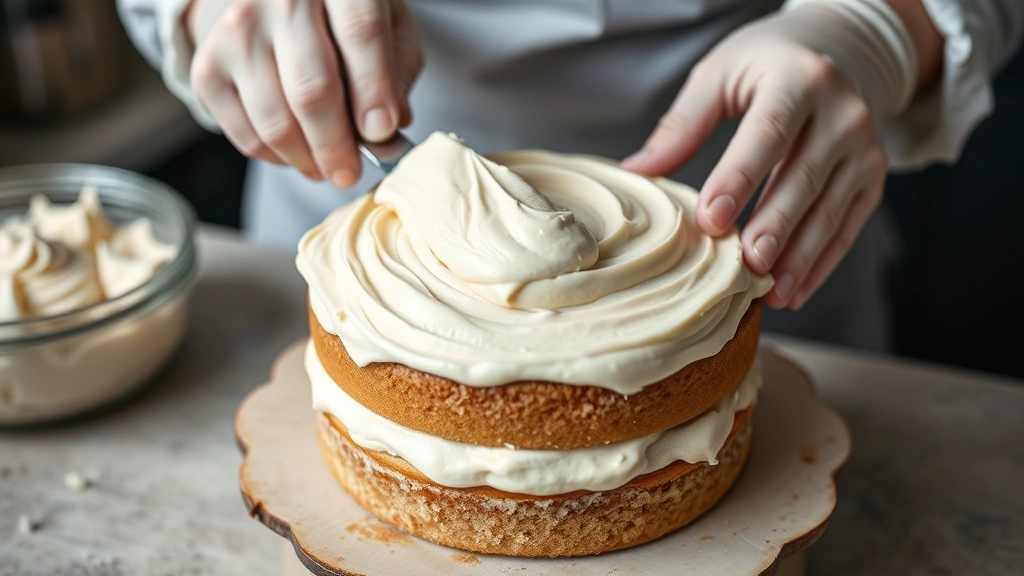
- Spread a thin layer of frosting on top of the first cake layer using an offset spatula, creating an even layer about 1/4 inch thick.
- Place the second cake layer on top of the frosting, pressing gently to ensure it’s level. Brush the top with coconut syrup and add another layer of frosting.
- Top with the third cake layer and brush lightly with remaining coconut syrup. Now it’s time to frost the outside of the cake.
- Spread a thin crumb coat of frosting over the entire outside of the cake using an offset spatula. This initial layer traps any crumbs. Refrigerate the cake for 15-20 minutes to set the crumb coat.
- Remove the cake from the refrigerator and apply the final layer of frosting over the outside, creating smooth sides and a beautiful top. Take your time with this step to create a polished, professional appearance.
- Press the toasted shredded coconut onto the sides of the cake using your hands or an offset spatula, creating a beautiful coconut-covered exterior. You can also sprinkle a bit on top for extra visual appeal.
- If desired, garnish the top with a few coconut flakes or fresh flowers for a stunning presentation. Refrigerate the finished cake for at least 30 minutes before serving to allow the frosting to set properly.
- Slice with a long, sharp knife, wiping the blade between cuts with a warm, damp cloth for clean slices. Serve at room temperature or chilled, depending on your preference.
Pro Tips
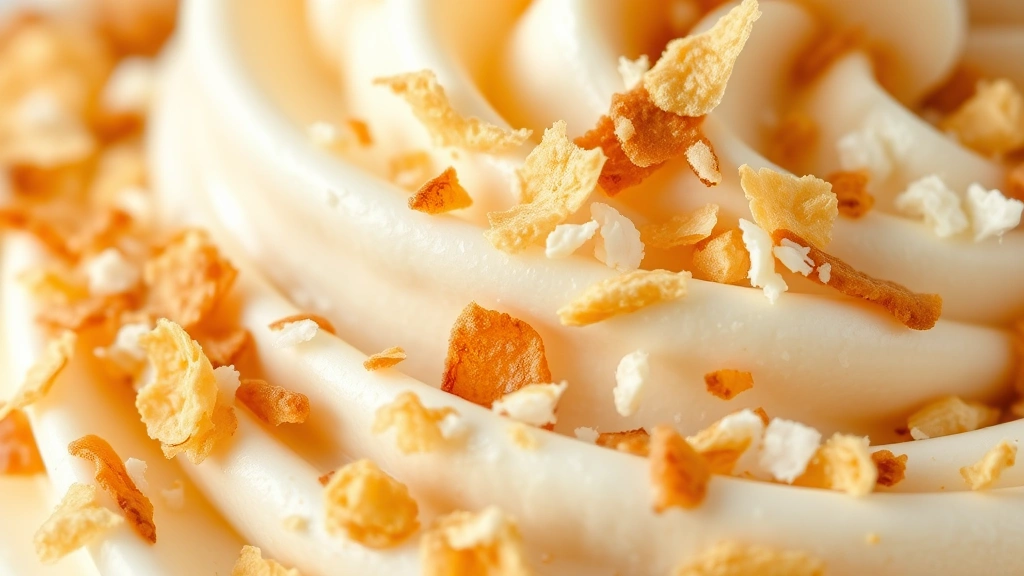
Toasting your own coconut elevates this recipe significantly. Spread unsweetened coconut on a baking sheet and bake at 325°F for 5-7 minutes, stirring occasionally, until golden and fragrant. Sweetened coconut requires less time, about 3-4 minutes. Watch carefully as coconut burns quickly.
Do not overmix the batter once you’ve added the dry ingredients. Overmixing develops gluten, resulting in a tough, dense cake rather than the tender crumb you’re after. Mix on low speed and stop as soon as everything is just combined.
The coconut syrup is the secret weapon in this recipe. It keeps the cake incredibly moist and intensifies the coconut flavor throughout. Don’t skip this step, even though it seems like an extra effort.
If you don’t have coconut extract, the cake will still be delicious using just vanilla extract. However, the coconut extract adds a subtle depth that really elevates the flavor profile.
This cake can be made a day in advance. Bake the layers, cool completely, wrap each in plastic wrap, and store at room temperature overnight. Prepare the frosting and assemble the cake the next day for best results.
Store leftover cake in an airtight container at room temperature for up to 3 days, or refrigerate for up to 5 days. The frosting will firm up when chilled, which some people prefer for easier slicing.
Freezing is possible with this cake. Wrap unfrosted, cooled layers tightly in plastic wrap and aluminum foil, then freeze for up to 2 months. Thaw at room temperature for about 2 hours before frosting and assembling.
If your frosting becomes too soft while working, refrigerate it for 15-20 minutes to firm up. You can also add 1-2 tablespoons of additional powdered sugar if needed.
For a more tropical presentation, garnish with fresh pineapple, macadamia nuts, or fresh mint. A light dusting of edible gold leaf also creates an elegant finish for special occasions.
If you prefer a less sweet frosting, reduce the powdered sugar by 1/2 cup and add 2-3 tablespoons of heavy cream for consistency. Adjust to your taste preference.
This recipe doubles beautifully if you want to make two cakes at once. Simply double all ingredients and divide between six 8-inch pans or two sets of three pans, baking them in batches.
Pingback: How to make the BEST Chicken and Noodles Recipe! – Simple Recipe Finder