
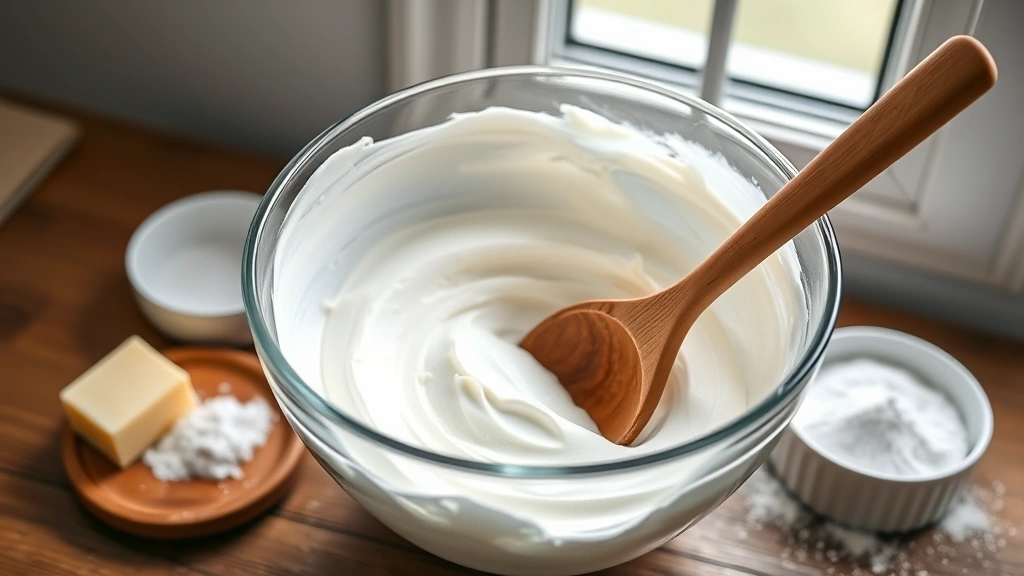
There’s truly nothing quite like homemade frosting made with powdered sugar – it’s silky, sweet, and absolutely perfect for adorning your favorite cakes, cupcakes, and cookies. Whether you’re a seasoned baker or just starting your culinary journey, mastering this classic frosting recipe will transform your desserts from ordinary to extraordinary.
This frosting recipe with powdered sugar is incredibly versatile and forgiving, making it the perfect base for any flavor variation you can dream up. The beauty of this recipe lies in its simplicity – just a few quality ingredients combined in the right proportions create magic. I’ve been making this frosting for years, and it never fails to impress guests and family alike. The secret is in the technique and understanding how to achieve that perfect balance between sweetness and creaminess.
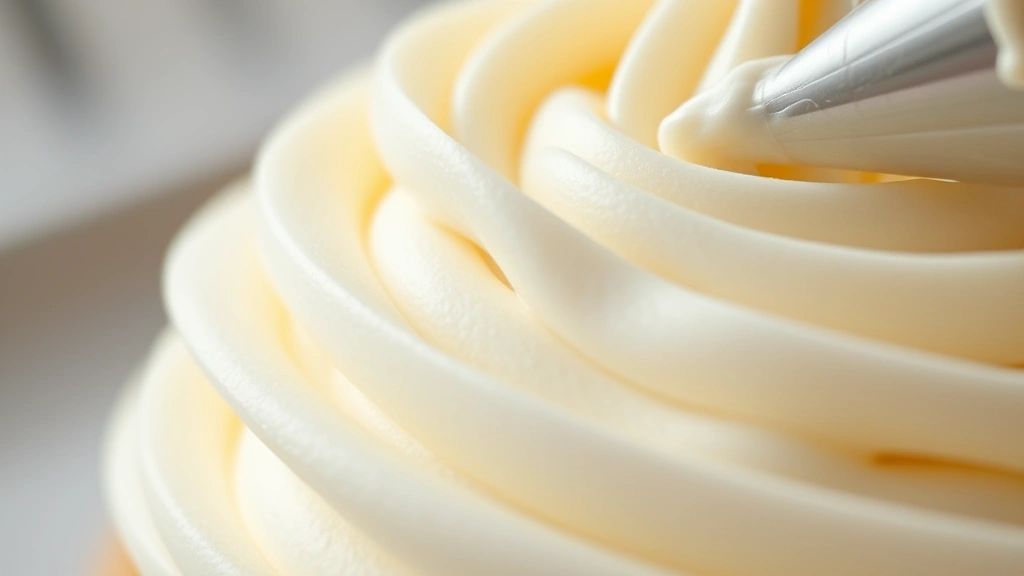
What makes this frosting so special is how it pipes beautifully, holds its shape, and tastes absolutely divine. Unlike store-bought frostings that often contain mysterious ingredients and preservatives, homemade frosting with powdered sugar is made with ingredients you actually recognize and can pronounce. You’ll notice the difference immediately – the flavor is fresher, the texture is more luxurious, and the overall quality is simply superior.
I recommend starting with this classic butter-based approach before experimenting with variations. Once you master the basic technique, you can easily adapt it for any occasion. Whether you’re decorating a special dinner dessert or creating an elaborate wedding cake, this frosting will be your secret weapon. Many professional bakers rely on this exact recipe because it’s reliable, delicious, and produces consistently beautiful results.
The key to success with any homemade recipe is using quality ingredients and following the instructions carefully. Make sure your butter is at room temperature – this is non-negotiable for achieving the perfect texture. Cold butter will result in a lumpy, grainy frosting, while overly soft butter can make the frosting too thin. I always set my butter out about 30 minutes before I plan to make frosting, and it works beautifully every time.
According to Serious Eats, the technique of properly creaming butter and sugar is fundamental to frosting success. The creaming process incorporates air into the butter, which creates that light, fluffy texture we all love. Don’t rush this step – it typically takes 3-5 minutes of beating to achieve the ideal consistency. You’ll know you’re done when the mixture is pale, fluffy, and has increased in volume.
For those who want to explore more advanced techniques, New York Times Cooking offers excellent guidance on frosting variations and decorating tips. Once you’ve mastered this basic frosting recipe with powdered sugar, you might enjoy experimenting with different extracts, zests, or even edible flowers for a more sophisticated presentation.
This frosting is perfect for layer cakes, sheet cakes, cupcakes, and even filling macarons. The consistency is easily adjustable – add more milk for a thinner consistency that’s perfect for spreading, or use less milk if you prefer a stiffer frosting for piping decorative borders and flowers. I often make a batch and keep some at different consistencies for various decorating tasks.
One final tip: store your homemade frosting in an airtight container at room temperature for up to two days, or refrigerate for up to one week. You can even freeze it for up to three months, though I find it’s best used fresh. If you’ve refrigerated your frosting and it’s become too stiff, simply let it sit at room temperature for a few minutes or give it a quick stir with an electric mixer to restore the perfect consistency.
Ingredients
- 1 cup (2 sticks) unsalted butter, at room temperature
- 3-4 cups powdered sugar, sifted
- 2-3 tablespoons heavy cream or whole milk
- 1 teaspoon vanilla extract
- Pinch of salt
Instructions
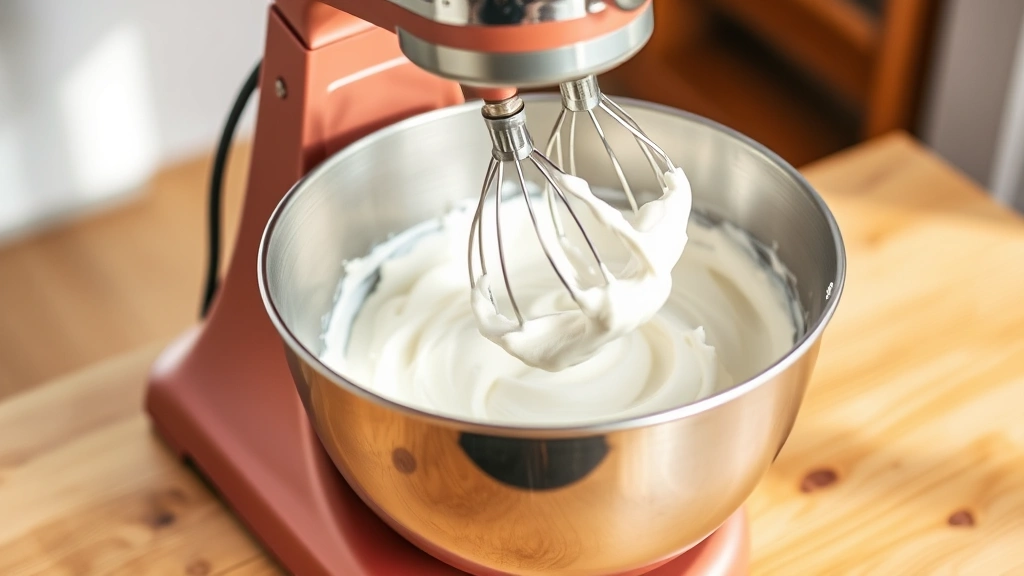
- Place the room temperature butter in a large mixing bowl. Using an electric mixer on medium speed, beat the butter for about 1-2 minutes until it becomes creamy and light in color, scraping down the sides of the bowl as needed.
- Add half of the sifted powdered sugar to the butter and beat on low speed until the sugar is mostly combined, then increase the speed to medium and beat for about 1 minute until well incorporated.
- Add the remaining powdered sugar to the bowl, along with the vanilla extract and salt. Beat on low speed initially to prevent powdered sugar from flying everywhere, then increase to medium speed.
- Add the heavy cream or milk one tablespoon at a time while beating on medium speed. Continue beating until the frosting reaches your desired consistency – it should be smooth, creamy, and spreadable but still hold stiff peaks.
- If the frosting seems too thick, add an additional tablespoon of cream. If it’s too thin, add more powdered sugar one tablespoon at a time and beat until you reach the perfect consistency.
- Continue beating on medium speed for 2-3 minutes until the frosting is light, fluffy, and pale in color. This incorporates air and creates the ideal texture.
- Use immediately for frosting cakes and cupcakes, or transfer to an airtight container for storage. If the frosting becomes too soft while working, refrigerate for 10-15 minutes to firm it up.
- For piping decorative designs, you may want a stiffer consistency – use slightly less cream when mixing. For spreading between cake layers, you may prefer a softer consistency – add a bit more cream as needed.
Pro Tips
Butter temperature is absolutely critical. Room temperature butter should be soft enough to leave a slight indentation when pressed but not so soft that it’s oily or melting.
For vanilla buttercream, use pure vanilla extract rather than imitation for superior flavor and a more professional taste.
This frosting can be easily customized by adding different extracts like almond, lemon, or peppermint – start with ½ teaspoon and adjust to taste.
For chocolate frosting, add 2-3 tablespoons of unsweetened cocoa powder with the powdered sugar and increase the milk slightly as cocoa absorbs moisture.
If making colored frosting, add gel food coloring rather than liquid coloring to avoid thinning the frosting too much.
Leftover frosting can be refrigerated for up to one week or frozen for up to three months in an airtight container.
When refrigerated, frosting will become very stiff – let it sit at room temperature for 15-20 minutes before using, or briefly beat with an electric mixer to restore creaminess.
For a less sweet frosting, reduce the powdered sugar to 2½-3 cups or add a pinch of lemon juice to balance the sweetness.
This frosting works beautifully with complementary flavors and can be paired with fresh garnishes for special presentations.
For the best results, use high-quality butter – European-style butter with higher fat content creates an even richer, more luxurious frosting.
If your frosting breaks or appears grainy, it may be due to temperature fluctuations. Let it sit at room temperature for 30 minutes, then beat again with an electric mixer.
Pingback: Easy & Delicious Salmon Loaf Recipe You Must Try! – Simple Recipe Finder