
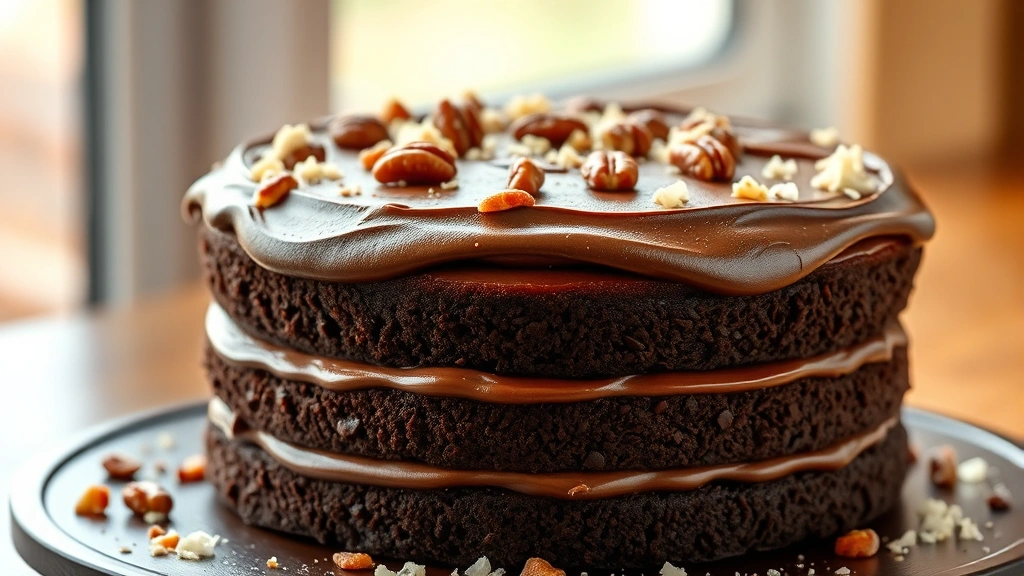
German chocolate frosting is the ultimate show-stopper topping that transforms any cake into a showstopper dessert! This classic frosting features a luscious combination of evaporated milk, butter, egg yolks, and coconut-pecan filling that creates an incredibly rich and decadent flavor profile. Unlike traditional buttercream frostings, German chocolate frosting has a unique, almost custard-like texture that’s cooked on the stovetop, giving it a deeper, more complex taste that’s absolutely irresistible.
This frosting gets its name from German’s Sweet Chocolate, a baking chocolate product that became popular in American kitchens during the mid-20th century. The beauty of this frosting lies in its versatility and the way it perfectly complements chocolate cakes, creating a harmonious balance between rich chocolate and sweet, nutty coconut flavors. Whether you’re baking for a special occasion or simply want to elevate your dessert game, mastering this frosting recipe is essential for any home baker.
The key to achieving perfect German chocolate frosting is understanding the cooking process and the importance of proper temperature control. Many home bakers struggle with this frosting because they don’t realize that the egg yolks need to be properly cooked to reach a safe temperature while still maintaining the creamy texture we’re after. We’ll walk you through every step to ensure your frosting turns out absolutely perfect every single time.
What makes German chocolate frosting so special is that it’s not overly sweet like some buttercream options, and it has a more substantial, almost fudgy quality that really sticks to your palate. The toasted coconut and pecans add wonderful texture and flavor complexity that elevates it far beyond basic chocolate cake toppings. Plus, this frosting is forgiving enough for beginners but impressive enough to wow even the most discerning dessert lovers at your table.
If you’re looking to master cake decorating and frosting techniques, check out our guide on creating smooth, professional-looking finishes. For those interested in exploring other rich, creamy toppings, our heavy cream frosting variations offer excellent alternatives. You might also enjoy our decadent dessert sauce recipes for additional topping inspiration, and don’t miss our flavor-layering techniques that work beautifully with frosted cakes.
For comprehensive frosting tutorials, Bon Appétit’s frosting guide offers professional tips and tricks. You can also find detailed chocolate frosting techniques at Serious Eats’ baking section. For traditional recipes and variations, New York Times Cooking provides excellent resources. Additional inspiration can be found at Bon Appétit’s recipe collection and Serious Eats recipes.
Ingredients
- 1 cup evaporated milk
- 3/4 cup granulated sugar
- 1/4 cup unsalted butter
- 3 large egg yolks
- 1 teaspoon vanilla extract
- 1 1/2 cups shredded coconut, toasted
- 1 cup chopped pecans, toasted
- 1/4 teaspoon salt
Instructions
- Gather all your ingredients and have them measured and ready before you begin, as this frosting comes together quickly once you start cooking.
- Toast the shredded coconut in a dry skillet over medium heat for 3-4 minutes, stirring frequently, until it’s golden brown and fragrant. Transfer to a plate and set aside.
- Toast the chopped pecans in the same skillet over medium heat for about 3-4 minutes, stirring occasionally, until they release their aroma. Set aside with the coconut.
- In a medium saucepan, combine the evaporated milk, granulated sugar, unsalted butter, and salt over medium heat.
- Stir the mixture constantly until the butter melts and the sugar dissolves completely, about 2-3 minutes.
- In a small bowl, lightly beat the three egg yolks with a fork until they’re combined and slightly lighter in color.
- Slowly pour a small amount of the hot milk mixture into the beaten egg yolks while whisking constantly to temper them, preventing scrambling.
- Continue adding the hot mixture in small increments while whisking constantly until you’ve incorporated about half of the liquid.
- Pour the tempered egg mixture back into the saucepan with the remaining hot liquid, whisking constantly to combine.
- Reduce the heat to medium-low and continue cooking, stirring constantly for 8-10 minutes, until the mixture thickens and reaches 160°F on an instant-read thermometer (this ensures food safety).
- Remove from heat and stir in the vanilla extract, mixing until fully incorporated.
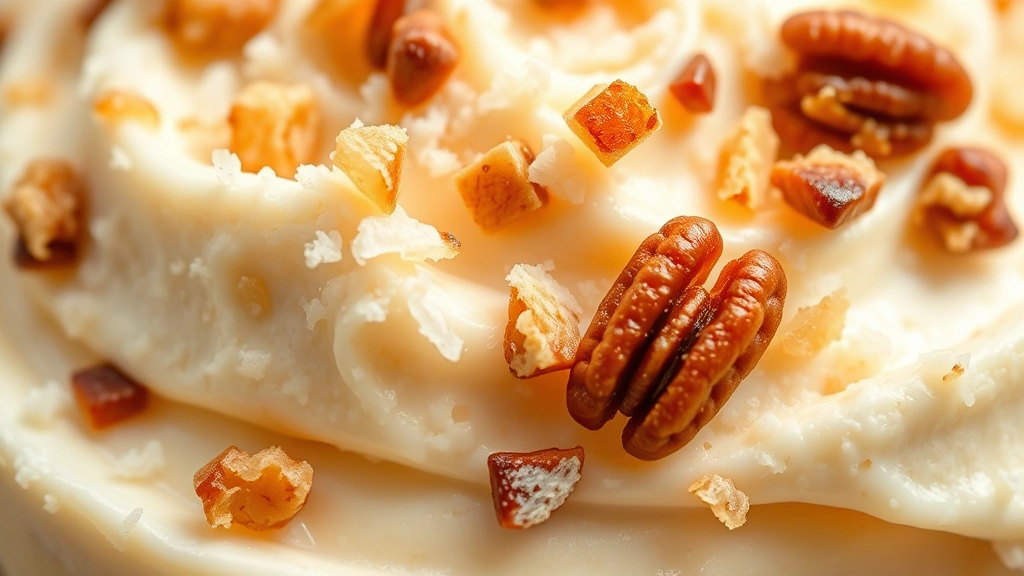
- Fold in the toasted coconut and toasted pecans using a rubber spatula, stirring gently until evenly distributed throughout.
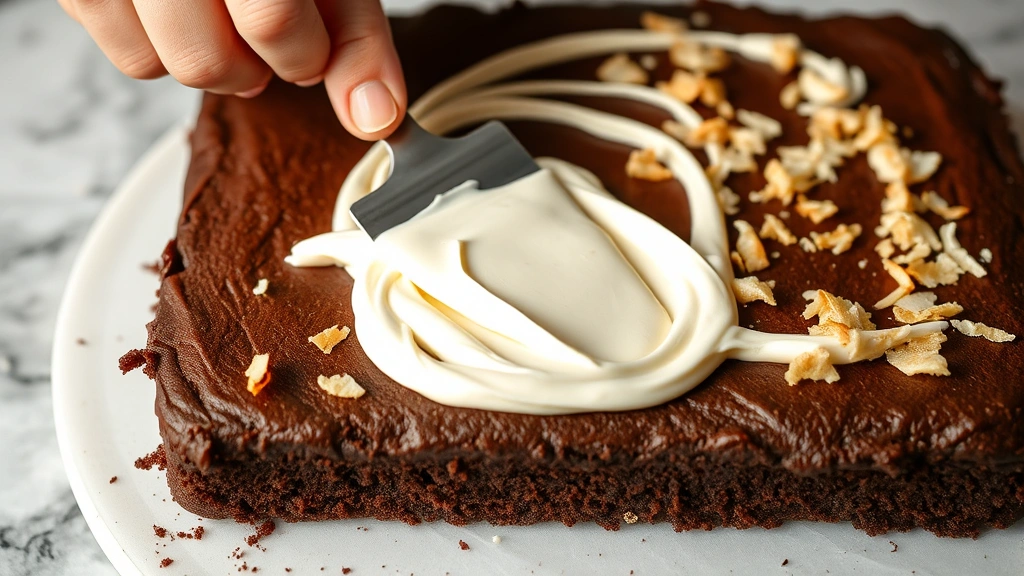
- Allow the frosting to cool to room temperature, about 15-20 minutes, before spreading it on your cooled chocolate cake layers.
- If the frosting becomes too thick as it cools, you can thin it slightly by stirring in a tablespoon of evaporated milk at a time.
Pro Tips
Toasting both the coconut and pecans beforehand is not optional if you want authentic, rich flavor. This step brings out the natural oils and deepens the nutty character that makes this frosting legendary.
The frosting will thicken significantly as it cools, which is completely normal. If it becomes too stiff to spread, gently reheat it over low heat while stirring, or fold in a bit more evaporated milk.
This frosting is best used on the same day it’s made, though you can store it in an airtight container in the refrigerator for up to three days. Bring it to room temperature before using, and you may need to stir it to restore the proper consistency.
For a more traditional appearance, spread the frosting between cake layers and on top, allowing it to drip naturally down the sides rather than trying to achieve a perfectly smooth finish.
If you don’t have evaporated milk on hand, sweetened condensed milk can work in a pinch, though it will produce a slightly sweeter result.
Make sure your eggs are fresh and from a reliable source when consuming this frosting raw or lightly cooked. Some people prefer to use pasteurized eggs for extra peace of mind.
The vanilla extract is essential for brightening the rich, heavy flavors and preventing the frosting from tasting overly sweet or cloying.
This frosting pairs beautifully with chocolate cake, but it’s also wonderful on vanilla, carrot, or even spice cakes for an unexpected flavor combination.