
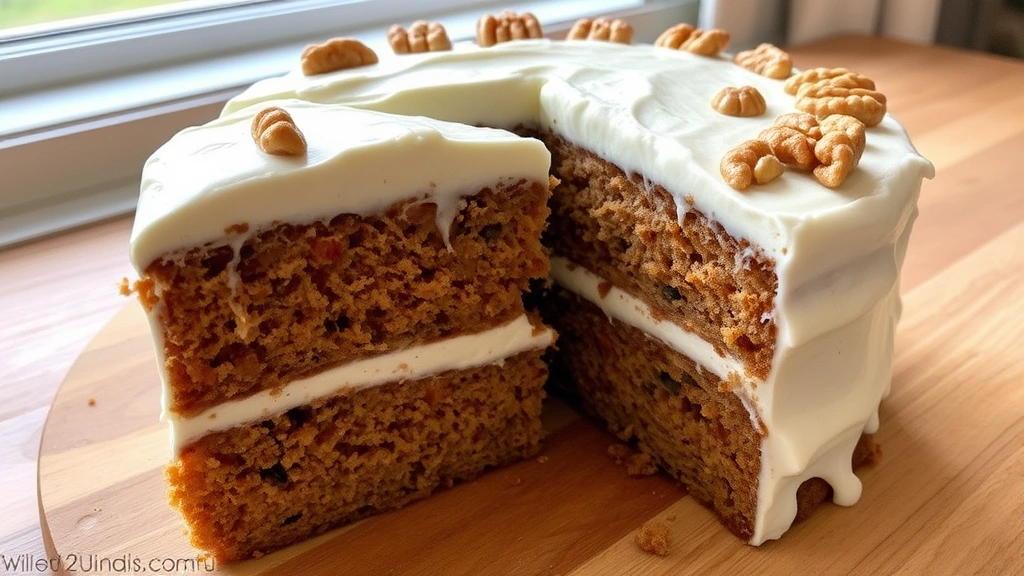
There’s something absolutely magical about a slice of homemade carrot cake—the tender crumb, the warm spices, and that luxurious cream cheese frosting. But if you’re navigating a gluten-free lifestyle, finding a carrot cake recipe that actually delivers restaurant-quality results can feel impossible. Well, darling, I’m here to tell you that this gluten-free carrot cake is absolutely the one you’ve been searching for!
I’ve spent countless hours perfecting this recipe, testing different flour blends and ratios to create a cake that’s moist, flavorful, and honestly, you’d never know it was gluten-free. The secret lies in using a combination of quality gluten-free flours—we’re talking brown rice flour, tapioca starch, and a touch of potato starch—along with grated carrots, crushed pineapple, and just the right amount of warm spices like cinnamon and nutmeg.
What makes this recipe truly special is the technique. We’re creaming the butter and sugar until it’s light and fluffy, which creates an incredibly tender cake. Then we fold in oil and eggs separately, and finally add our gluten-free flour blend with precision. The crushed pineapple adds moisture (you’ll want to drain it well, but reserve that juice for the frosting!), and the grated carrots bring both flavor and texture. This isn’t a dense, crumbly mess—this is a proper, beautiful carrot cake.
I recommend pairing this with my silky cream cheese frosting technique that works beautifully with gluten-free bakes. For a lighter option, you could also try this as a layer cake with whipped cream and fresh berries, though honestly, the frosting is where this cake truly shines.
This recipe makes two 8-inch round layers, perfect for a dinner party or special celebration. The cake actually tastes better the next day—the flavors deepen and the crumb sets up beautifully. You can bake this ahead and frost it the day of, or make it completely in advance and store it in an airtight container for up to three days. Let me walk you through exactly how to create your own gluten-free carrot cake masterpiece!
For more inspiration on baking gluten-free, check out Serious Eats’ gluten-free section, or explore Bon Appétit’s cake recipes for additional techniques. You might also love this Easy Chicken Alfredo Recipe for your dinner menu, and don’t forget the Best Chickpea Salad Recipe for a lighter side dish.
Ingredients
- 1¾ cups (210g) gluten-free all-purpose flour blend (with xanthan gum)
- 1 cup (120g) brown rice flour
- ½ cup (60g) tapioca starch
- ¼ cup (30g) potato starch
- 2 teaspoons baking soda
- 1½ teaspoons baking powder
- 2 teaspoons ground cinnamon
- 1 teaspoon ground ginger
- ½ teaspoon ground nutmeg
- ¼ teaspoon ground cloves
- ½ teaspoon fine sea salt
- ¾ cup (170g) unsalted butter, softened
- 1¾ cups (350g) granulated sugar
- ¾ cup (180ml) neutral oil
- 4 large eggs, room temperature
- 1 teaspoon vanilla extract
- 2 cups (240g) finely grated carrots (about 4-5 medium carrots)
- 1 cup (250g) crushed pineapple in juice, drained well (reserve juice)
- ¾ cup (90g) finely chopped walnuts or pecans
- 8 oz (225g) cream cheese, softened
- ½ cup (115g) unsalted butter, softened
- 2½ cups (300g) powdered sugar, sifted
- 1 teaspoon vanilla extract
- Pinch of fine sea salt
- 2-3 tablespoons reserved pineapple juice (or milk)
Instructions
- Preheat your oven to 350°F (175°C). Grease two 8-inch round cake pans and line the bottoms with parchment paper. This ensures your gluten-free cake releases perfectly without sticking.
- In a medium bowl, whisk together the gluten-free all-purpose flour, brown rice flour, tapioca starch, potato starch, baking soda, baking powder, cinnamon, ginger, nutmeg, cloves, and salt. Set aside—this flour blend is crucial for structure and texture.
- In a large mixing bowl, cream together the softened butter and granulated sugar on medium-high speed for 3-4 minutes, until the mixture is light, fluffy, and pale in color. This step is essential for creating a tender crumb.
- With the mixer running on medium speed, slowly pour in the oil in a thin stream, beating constantly. This creates an emulsion that keeps the cake incredibly moist.
- Add the room temperature eggs one at a time, beating well after each addition and scraping down the bowl as needed. The mixture should look smooth and creamy.
- Add the vanilla extract and beat for another 30 seconds to combine.
- Reduce the mixer speed to low and gently fold in the dry ingredients in three additions, alternating with the reserved pineapple juice (or milk). Start and end with the dry ingredients, mixing just until combined—don’t overmix, as this can develop gluten in the batter.
- Fold in the grated carrots, crushed pineapple, and chopped nuts using a spatula or wooden spoon until evenly distributed throughout the batter.
- Divide the batter evenly between your prepared pans, smoothing the tops with an offset spatula.
- Bake for 35-40 minutes, or until a toothpick inserted in the center comes out with just a few moist crumbs. The cakes should be golden brown and spring back slightly when gently touched.
- Remove from the oven and let the cakes cool in the pans for 10 minutes, then turn out onto wire racks to cool completely. This usually takes about 1-2 hours.
- While the cakes cool, prepare the cream cheese frosting: In a large mixing bowl, beat the softened cream cheese on low speed for about 1 minute until smooth and creamy. Don’t overbeat, or the frosting can become grainy.
- Add the softened butter and beat on medium speed for about 2 minutes until well combined.
- Reduce the speed to low and gradually add the sifted powdered sugar, beating until just combined. Scrape down the bowl frequently.
- Add the vanilla extract and salt, and beat on medium speed for 2-3 minutes until the frosting is light, fluffy, and spreadable. If the frosting is too soft, add more powdered sugar; if too stiff, add the pineapple juice a teaspoon at a time.
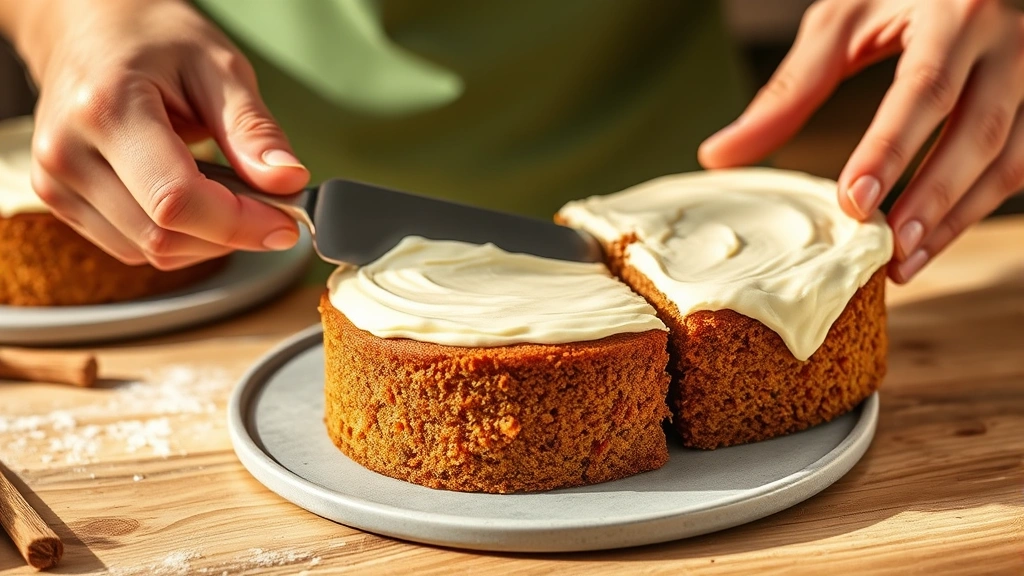
- Once the cakes are completely cool, place one layer on your cake stand or serving plate. Spread a generous layer of cream cheese frosting on top.
- Place the second cake layer on top and frost the top and sides of the entire cake with the remaining frosting. You can use an offset spatula for a rustic look or smooth it for a more polished finish.
- Garnish with crushed walnuts, candied carrots, or fresh berries if desired. Refrigerate for at least 30 minutes before slicing.
- Slice with a sharp knife, wiping between cuts with a warm, damp cloth for clean slices.
Pro Tips
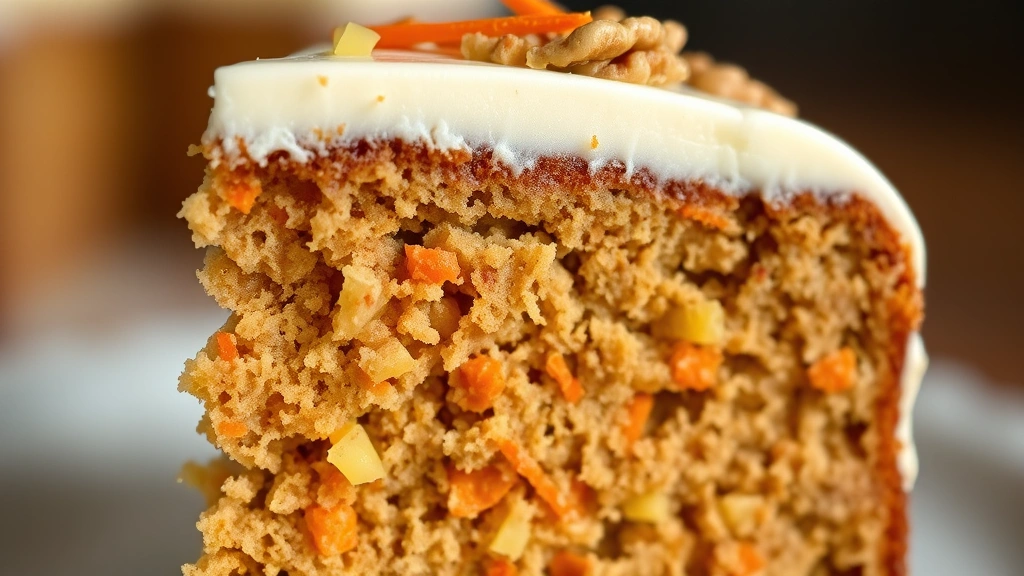
Moisture is Key: Crushed pineapple and grated carrots add significant moisture to this cake. Make sure to drain the pineapple well so the batter doesn’t become too wet, but don’t squeeze it completely dry—that juice is liquid gold for keeping the crumb tender.
Room Temperature Ingredients: Cold ingredients don’t incorporate as smoothly, especially in gluten-free baking where we need maximum emulsification. Pull your eggs, butter, and cream cheese out about an hour before baking.
Don’t Overmix the Batter: Gluten-free batters are more delicate than traditional batters. Once you add the dry ingredients, mix just until combined. Overmixing can create a dense, tough cake.
Cooking Time May Vary: Every oven is different, and gluten-free cakes sometimes bake slightly faster or slower than traditional cakes. Start checking at 33 minutes and look for that toothpick with a few moist crumbs.
Storage and Make-Ahead: Unfrosted cake layers can be wrapped tightly in plastic wrap and stored at room temperature for one day, refrigerated for three days, or frozen for up to three months. Thaw at room temperature before frosting. The frosted cake is best stored in an airtight container in the refrigerator for up to three days.
Frosting Consistency: The consistency of your frosting should be spreadable but not runny. If your kitchen is warm, the frosting may need extra powdered sugar; if your kitchen is cool, you might need the pineapple juice to thin it slightly.
Nut-Free Option: If you have nut allergies, simply omit the walnuts or pecans. The cake will still be delicious and moist from the other ingredients.
Cream Cheese Substitution: If you prefer a lighter frosting or need a dairy-free option, you can make a frosting with dairy-free cream cheese and dairy-free butter using the same ratios and method.
Laying the Cake: For perfectly level layers, consider using a cake leveler or a long serrated knife to trim any doming from the top of each layer before frosting.