
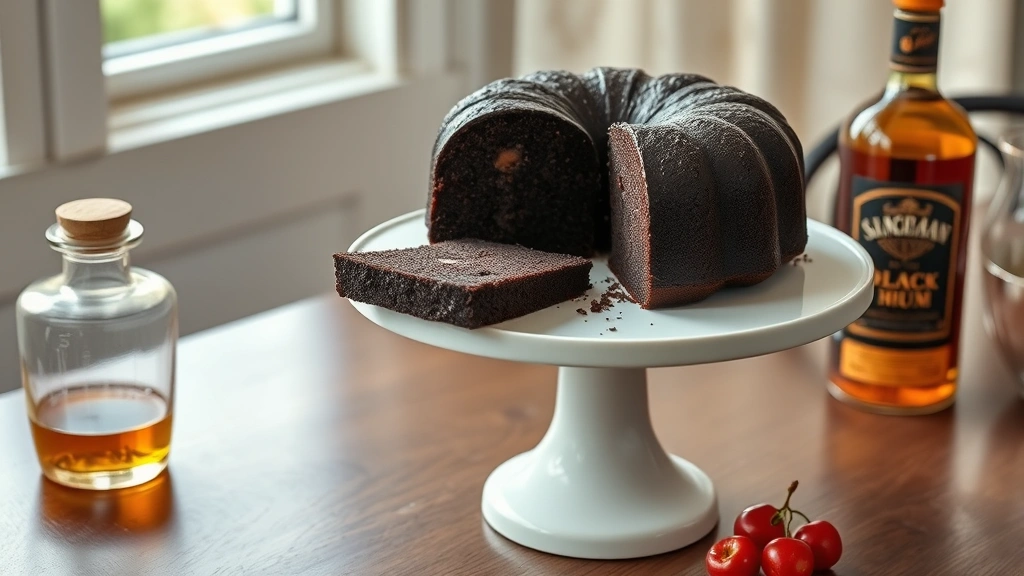
Jamaican Black Cake is a time-honored holiday tradition that’s rich, moist, and absolutely divine. This beloved Caribbean dessert is steeped in dark rum and filled with a medley of dried fruits that have been soaking for weeks, creating layers of complex, boozy flavor that only improve with age. The cake itself is dark and dense, almost black in color from the combination of brown sugar, molasses, and the fruit mixture, making it a showstopper centerpiece for any festive celebration.
What makes this Jamaican Black Cake truly special is the ritual surrounding its preparation. Families typically begin soaking their fruits months in advance, and the cake is often made weeks before serving, allowing the flavors to meld and intensify. The result is a sophisticated, grown-up cake that tastes like pure indulgence—every bite bursting with warmth from spices like cinnamon, nutmeg, and cloves, combined with the sweet earthiness of molasses and the depth of aged rum.
This recipe walks you through the entire process, from preparing your fruit mixture to baking and aging your cake to perfection. Whether you’re making this for Christmas, a special milestone, or simply to experience authentic Caribbean baking, you’ll find that the effort invested in this cake is absolutely worth it. The careful layering of ingredients and patient aging process creates something truly magical.
I’ve learned from my Caribbean friends and family that the key to the best Jamaican Black Cake is quality ingredients and patience. Use real spices, good dark rum, and don’t rush the soaking process. Some bakers even feed their cakes with additional rum throughout the aging period, which intensifies the flavor even more. This cake has a complexity that rivals any European fruitcake, but with its own distinct Caribbean character.
The beauty of making Jamaican Black Cake at home is that you can control exactly what goes into it. Unlike store-bought versions, you know every ingredient is fresh and high-quality. Plus, there’s something incredibly satisfying about serving a cake you’ve lovingly prepared over weeks. Your guests will be absolutely amazed by the depth of flavor and the tender, moist crumb. This is the kind of cake that gets passed down through generations, and once you master this recipe, you’ll understand why it’s so treasured in Jamaican culture. For more on building layers of flavor, check out this guide on creating depth in your cooking.
One more thing—this cake actually improves with time. Many bakers make their cakes in October or November for December celebrations, allowing months for the flavors to develop. Some even wrap their cooled cakes in rum-soaked cheesecloth and store them in airtight containers, occasionally “feeding” them with more rum. It’s this patience and dedication that transforms a good cake into an absolutely extraordinary one.
Ingredients
- 2 cups mixed dried fruits (raisins, currants, dried cherries, dried prunes)
- 1 cup dark rum or brandy (plus more for feeding the cake)
- 2 cups all-purpose flour
- 1 teaspoon baking powder
- 1 teaspoon baking soda
- 1 teaspoon ground cinnamon
- 1 teaspoon ground nutmeg
- ½ teaspoon ground cloves
- ¼ teaspoon ground allspice
- 1 cup (2 sticks) unsalted butter, softened
- 1 cup packed dark brown sugar
- ¾ cup molasses
- 6 large eggs, room temperature
- 2 tablespoons vanilla extract
- 1 tablespoon almond extract
- ½ cup blackstrap molasses
- ¼ cup browning sauce or caramel coloring
- 1 tablespoon salt
- ½ cup candied fruit (optional, for decoration)
- Rum-soaked cheesecloth for wrapping (optional)
- Parchment paper for baking
Instructions
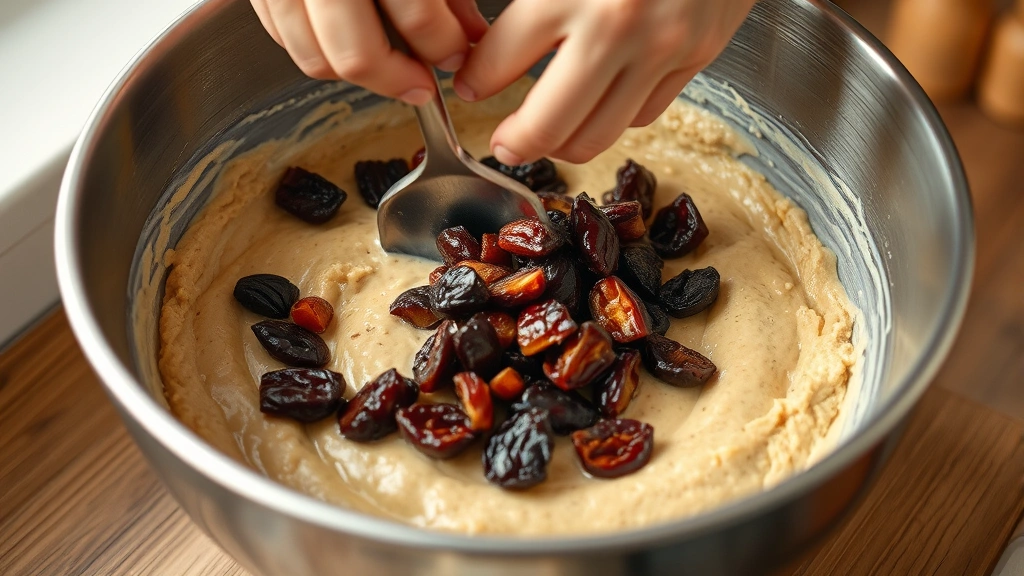
- Begin your fruit preparation 2-4 weeks before baking. Combine the mixed dried fruits in a large glass bowl or jar. Pour the dark rum or brandy over the fruits until they’re completely covered. Stir well to combine. Cover the bowl tightly with plastic wrap or a lid and store in a cool, dark place. Stir occasionally throughout the soaking period—this helps the fruits absorb the liquid evenly and develops deeper, more complex flavors. The longer the fruits soak, the richer your final cake will be.
- When you’re ready to bake, preheat your oven to 325°F (165°C). Line a 9-inch round cake pan (or 10-inch for a slightly thinner cake) with parchment paper, then grease the sides generously with butter. You can also wrap the outside of the pan with aluminum foil to prevent over-browning on the edges during the long bake.
- In a medium bowl, whisk together the flour, baking powder, baking soda, cinnamon, nutmeg, cloves, and allspice. Set this dry mixture aside. This combination of spices is essential to authentic Jamaican Black Cake—don’t skip any of them, as each contributes to the overall warmth and complexity.
- In a large mixing bowl, cream together the softened butter and dark brown sugar using an electric mixer on medium-high speed. Beat for 3-4 minutes until the mixture is light, fluffy, and pale in color. This creaming process incorporates air into the batter, which helps create a tender crumb.
- Add the molasses, blackstrap molasses, and browning sauce to the butter mixture. Beat on medium speed for 2-3 minutes until everything is well combined and the mixture has a deep, dark color. The browning sauce is key to achieving that signature black cake appearance.
- Add the vanilla extract and almond extract to the wet ingredients and mix well. These extracts add an underlying sweetness and depth that complements the spices and rum-soaked fruits beautifully.
- Add the eggs one at a time to the mixture, beating on medium speed for about 30 seconds after each addition. Make sure each egg is fully incorporated before adding the next. This gradual addition helps create a smooth, emulsified batter.
- Gently fold the dry ingredients into the wet ingredients using a rubber spatula or wooden spoon. Fold in thirds, being careful not to overmix—you want just enough stirring to combine the ingredients. Overmixing can result in a dense, tough cake.
- Drain the rum-soaked fruit mixture, reserving the liquid for later use (you’ll use it to feed the cake during aging). Fold the drained fruits and any remaining liquid into the batter until evenly distributed. Make sure the fruits are spread throughout the batter so you get a piece of fruit in every slice.
- Add the salt to the batter and fold gently to incorporate. Salt enhances all the flavors and prevents the cake from tasting one-dimensional.
- Pour the thick batter into your prepared pan, smoothing the top with a spatula. The batter will be quite thick and dense, which is exactly what you want. If you’d like to decorate the top, press some candied fruits into the surface now.
- Bake the cake in the preheated 325°F oven for 2 hours and 30 minutes to 3 hours. The cake is done when a skewer inserted into the center comes out clean or with just a few moist crumbs. The top should be deep brown and the cake should be pulling slightly away from the sides of the pan. Start checking around the 2-hour mark.
- Remove the cake from the oven and let it cool in the pan for about 30 minutes. During this time, prepare your feeding liquid if desired—combine equal parts of the reserved rum mixture with a bit of additional rum or brandy.
- Turn the cake out onto a wire cooling rack and let it cool completely, which will take 2-3 hours. Do not rush this step, as the cake needs to cool thoroughly before wrapping.
- Once completely cooled, you have two options for aging. For traditional method: wrap the cooled cake tightly in rum-soaked cheesecloth, then wrap again in aluminum foil. Store in an airtight container in a cool, dark place. For the simpler method: wrap the cake in plastic wrap and then foil, and store in an airtight container. Both methods work beautifully.
- If desired, feed your cake by carefully unwrapping it every 2-3 weeks and brushing the top and sides with the reserved rum mixture using a pastry brush or skewer. Rewrap and return to storage. This step is optional but highly recommended for maximum flavor development.
- Age your cake for at least 2-3 weeks before serving, though many bakers prefer to age it for 4-8 weeks or even longer. The longer it sits, the more the flavors meld and intensify. Some families make their cakes in September for December celebrations.
- To serve, slice the cake with a sharp knife dipped in hot water and wiped clean between cuts—this prevents the sticky cake from tearing. Serve at room temperature, with or without a dollop of whipped cream or rum-soaked cream. This cake pairs beautifully with coffee or as an after-dinner treat with a glass of aged rum.
Pro Tips
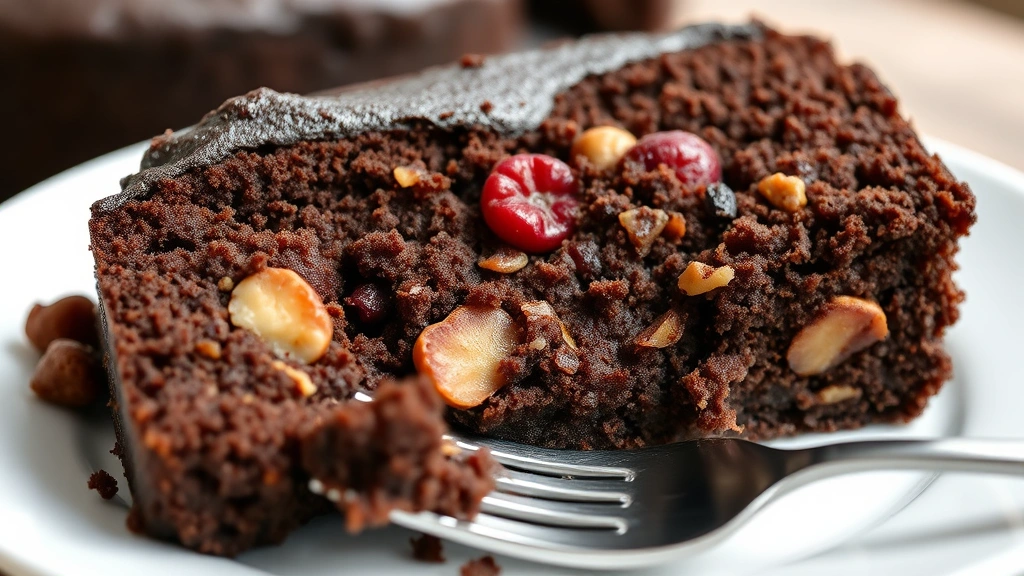
Fruit Options: Feel free to customize your fruit mixture based on personal preference. Traditional versions often include raisins, currants, and prunes, but you can also add dried cherries, dried cranberries, dried apricots, or candied citrus peel. The total amount should remain around 2 cups, and soaking in rum helps plump and flavor them.
Rum Selection: Use a quality dark rum or aged rum for soaking the fruits—this is where you’ll get the most flavor impact. Appleton Estate, Mount Gay, or Bacardi Select are excellent choices. The rum is the backbone of flavor in this cake, so don’t skimp on quality.
Browning Sauce: This ingredient gives the cake its signature deep, almost black color. Gravy Master or Colgin’s Liquid Smoke brands work well, but you can also find browning sauce in the Caribbean or international foods section of most grocery stores. If absolutely unavailable, you can substitute with extra molasses, though the color won’t be quite as dark.
Mixing Method: Creaming the butter and sugar thoroughly is crucial for incorporating air, which creates the tender crumb. Don’t rush this step—spend a full 3-4 minutes creaming until the mixture is noticeably lighter in color.
Egg Temperature: Room temperature eggs mix more easily into the batter and create a smoother, more emulsified mixture. Remove eggs from the refrigerator 30 minutes before baking.
Pan Preparation: Lining your pan with parchment paper makes removal easier and prevents sticking. The long baking time at a moderate temperature means the edges won’t burn, but wrapping the pan with foil can provide extra insurance against over-browning.
Feeding the Cake: Some bakers brush their aging cakes with rum every few weeks to keep them incredibly moist and intensify the flavor. This is traditional in Jamaican families and is highly recommended if you have the time.
Serving: This cake is rich and dense, so small slices are perfect. It’s wonderful served with a simple rum-based glaze, a dollop of whipped cream, or alongside a cup of strong coffee. Many families enjoy it with a small glass of aged rum.
Gift-Giving: Jamaican Black Cake makes an absolutely spectacular holiday gift. Wrap it beautifully in decorative foil or place it in a nice tin. Include a note about when you made it so the recipient knows it has been lovingly aged for weeks.