
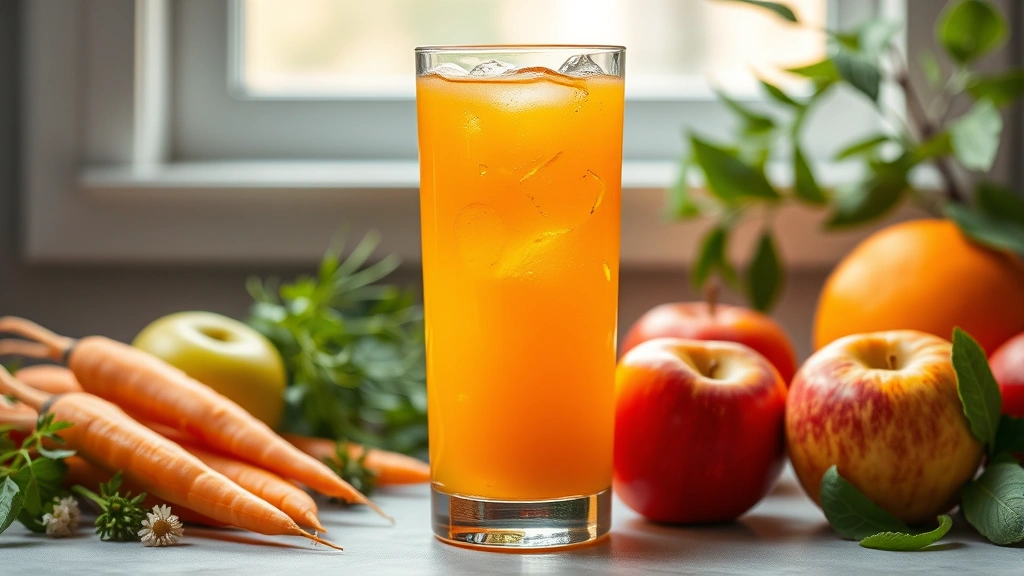
Fresh juicing is one of the most rewarding ways to incorporate vibrant fruits and vegetables into your daily routine, and the best part? It’s incredibly simple once you understand the basics! Whether you’re looking to boost your energy, support your immune system, or simply enjoy delicious, nutrient-packed drinks, this beginner-friendly juicing guide will transform the way you think about wellness.
Juicing has become increasingly popular as people discover the incredible benefits of consuming concentrated vitamins, minerals, and antioxidants in liquid form. Unlike smoothies, which retain all the fiber from whole fruits and vegetables, fresh juice allows your digestive system to absorb nutrients more efficiently and quickly. This makes juicing an excellent choice for those seeking immediate nutritional support or anyone recovering from illness.
The beauty of juicing lies in its versatility and accessibility. You don’t need an expensive, complicated juicer to get started, and you likely already have most of the ingredients you need in your kitchen. From simple citrus juices to elaborate vegetable blends, there’s truly something for everyone. When combined with other healthy recipes like chickpea salad or pickled red onions, fresh juices create a complete nutritional foundation for healthy eating.
Before you begin, it’s essential to understand that fresh juice is best consumed immediately after preparation. Oxidation occurs rapidly once fruits and vegetables are broken down, which means storing juice for extended periods can diminish its nutritional value. However, if you must store juice, keep it in an airtight glass container in the coldest part of your refrigerator for up to 24 hours.
Choosing quality ingredients makes all the difference in your juicing journey. Always opt for organic produce when possible, as this reduces pesticide exposure—especially important since you’re consuming the concentrated essence of these fruits and vegetables. Wash all produce thoroughly under running water, and don’t hesitate to scrub harder vegetables like carrots and beets with a soft brush.
For beginners, I recommend starting with sweeter juice combinations that feel more like treats than health drinks. This approach helps establish the juicing habit without overwhelming your palate. As your taste preferences evolve, you can gradually incorporate more vegetables and less fruit, creating increasingly sophisticated juice blends that support your specific wellness goals.
Understanding the relationship between fruits, vegetables, and juice ratios is crucial for success. Generally, fruits provide sweetness and aid digestion, while vegetables offer concentrated nutrients and minerals. A balanced beginner juice typically contains about 60% vegetables and 40% fruits, though you can adjust these ratios based on your personal preferences and nutritional goals.
One of the most exciting aspects of juicing is the creative freedom it offers. You’re not limited to traditional juice flavors—you can experiment with herbs, spices, and unexpected ingredient combinations to create signature drinks that reflect your personality and health objectives. From ginger’s warming properties to turmeric’s anti-inflammatory benefits, the possibilities are genuinely endless.
Juicing also pairs beautifully with a comprehensive healthy lifestyle. Combine your fresh juice routine with nourishing meals like heavy cream pasta prepared with fresh vegetables, or lighter options like chicken alfredo made with quality ingredients. Even decadent dishes benefit from the nutritional boost that fresh juicing provides throughout the day.
For those new to juicing, understanding your equipment options is important. Centrifugal juicers work quickly and are typically more affordable, making them excellent for beginners. Cold-press juicers extract more juice and preserve more nutrients, but they require a larger investment. Start with whatever juicer fits your budget and lifestyle—you can always upgrade as your juicing enthusiasm grows.
The investment in a quality juicer is genuinely worthwhile when you consider the long-term health benefits and money saved by not purchasing expensive bottled juices. A decent juicer typically costs between $100-$300 and will serve you reliably for years with proper maintenance and care.
As you develop your juicing practice, you’ll discover that certain ingredient combinations work better than others. Some juices are best consumed on an empty stomach for maximum absorption, while others pair perfectly with meals. Learning these nuances transforms juicing from a simple activity into a sophisticated wellness practice that truly supports your health journey.
Fresh juice can also serve as an excellent vehicle for consuming vegetables you might otherwise avoid. That beet and carrot juice can mask the earthiness of greens, while citrus fruits brighten vegetable-heavy blends. This strategic approach to juicing makes it easier to consume the recommended daily servings of fruits and vegetables without feeling like you’re forcing yourself to eat foods you dislike.
For more inspiration on creating balanced, nutritious meals alongside your juicing routine, explore recipes like heavy cream alfredo sauce, which can be prepared with fresh, quality ingredients that complement your juicing lifestyle.
Remember that juicing is not a replacement for eating whole fruits and vegetables—it’s a supplement that enhances your overall nutrition. The fiber found in whole produce is crucial for digestive health, so maintain a balanced approach that includes both fresh juice and whole foods throughout your day.
Starting your juicing journey today opens doors to improved energy, better digestion, clearer skin, and enhanced overall wellness. With these simple guidelines and recipes, you’ll become confident in creating delicious, nutritious juices that support your health goals and delight your taste buds!
Ingredients
- 4 large carrots, scrubbed and cut into chunks
- 2 medium apples, cored and quartered
- 1 medium orange, peeled and segmented
- 1 small piece fresh ginger root (about 1 inch), peeled
- 1/2 lemon, peeled
- 1/4 small beet, peeled and cut into chunks
- Filtered water for rinsing produce
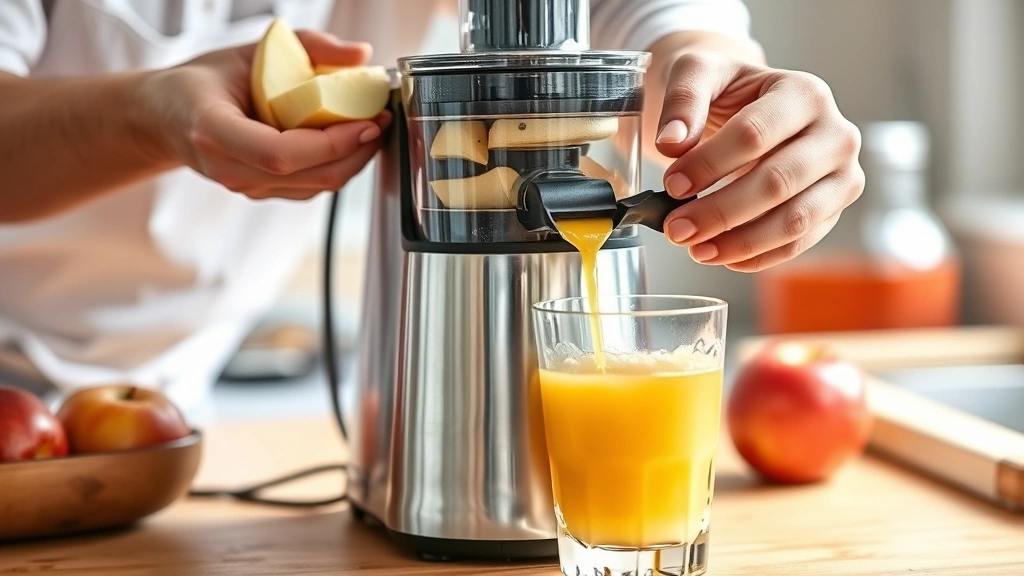
Instructions
- Thoroughly wash all produce under cool running water, scrubbing carrots and beets gently with a soft brush to remove any dirt.
- Peel the orange and lemon, leaving as much white pith on the citrus fruits as possible since it contains valuable nutrients and fiber.
Peel the beet and ginger, cutting them into manageable chunks that will fit easily into your juicer’s chute.
- Core the apples and cut them into quarters, removing any seeds which can add a bitter taste to your juice.
- Arrange your ingredients in the order of hardest to softest: begin with beets, followed by carrots, then ginger, then apples, and finish with citrus fruits.
- Assemble your juicer according to the manufacturer’s instructions, ensuring the collection pitcher is positioned properly beneath the juice spout.
- Turn on your juicer and begin feeding ingredients slowly and steadily through the chute, using the provided pusher to gently guide produce rather than forcing it.
- Allow each ingredient to fully process before adding the next, watching the juice flow into your collection pitcher.
- Once all ingredients have been processed, stir the juice gently to combine any settling pulp or concentrated elements.
- Pour immediately into tall glasses filled with ice and serve right away to maximize nutritional content and vibrant flavor.
- If desired, garnish with a thin apple slice or fresh ginger coin for an elegant presentation that impresses guests.

Pro Tips
o The beauty of this recipe lies in its flexibility—substitute apples with pears, add celery for extra minerals, or include a handful of leafy greens like spinach for enhanced nutrition
o Fresh ginger can be adjusted based on your spice tolerance; start with a smaller piece and increase gradually as you develop a preference for its warming bite
o Beets add beautiful color, natural sweetness, and powerful detoxifying compounds, but use sparingly if you’re new to their earthy flavor profile
o Always juice immediately before consumption, as fresh juice begins losing nutritional value within 15-30 minutes of preparation
o If your juicer produces dry pulp, you’re extracting excellent juice; if pulp remains wet, you may benefit from investing in a cold-press juicer for better efficiency
o Store any leftover juice in an airtight glass container in your refrigerator’s coldest section, consuming within 24 hours for best results
o This juice pairs beautifully with a light breakfast and works wonderfully as a pre-workout drink or afternoon energy boost
o Experiment by adding a pinch of turmeric or cayenne pepper for anti-inflammatory benefits and a sophisticated flavor dimension
o Beginners should start with sweeter juice combinations like this one, gradually incorporating more vegetables as their palate becomes accustomed to fresh juice flavors
o Consider making double batches on weekends when you have more time, though remember that fresh juice truly is best consumed immediately for maximum nutrition