
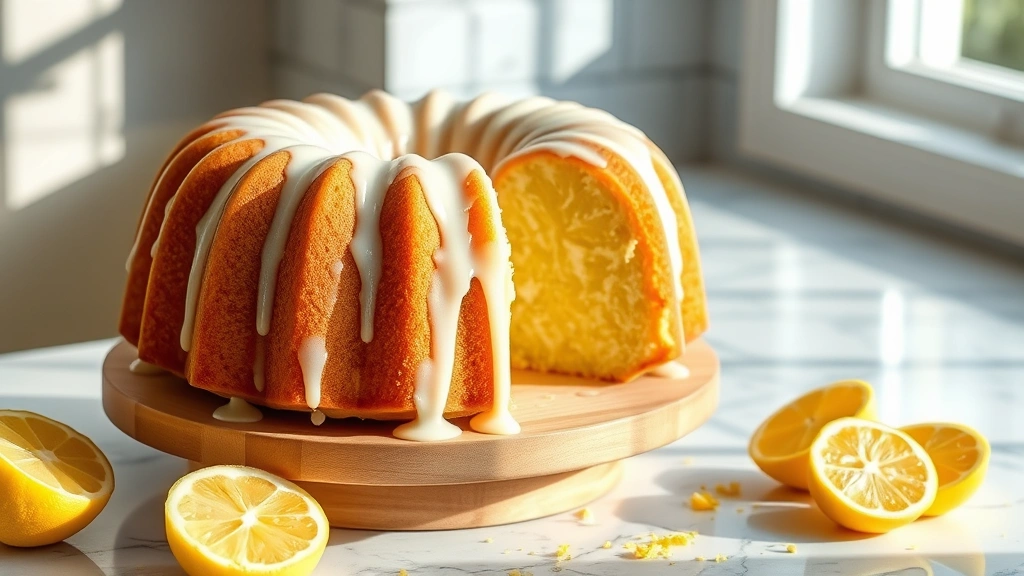
There’s something absolutely magical about a homemade lemon bundt cake that fills your kitchen with the most wonderful citrus aroma. This isn’t just any lemon cake—it’s the BEST lemon bundt cake recipe that combines bright, fresh lemon flavor with a tender, moist crumb that keeps people coming back for slice after slice. The secret lies in using both fresh lemon juice and zest, plus a touch of buttermilk to create that incredibly tender texture that makes this cake stand out from the rest.
What makes this recipe truly special is the two-part approach: a beautifully flavored cake base combined with a simple but elegant lemon glaze that adds just the right amount of sweetness and tang. Whether you’re baking for a special occasion, a dinner party, or just because you deserve something delicious, this lemon bundt cake is guaranteed to impress. The presentation is stunning with that gorgeous golden exterior and the glossy glaze dripping down the sides, making it look like something from a fancy bakery.
I’ve spent years perfecting this recipe, testing different ratios of lemon juice to zest, adjusting the sugar levels, and experimenting with various techniques to achieve maximum moisture and flavor. The result is a cake that’s bursting with bright lemon taste without being overly tart, with a crumb that’s so tender it practically melts in your mouth. This recipe is perfect for spring gatherings, Easter brunches, or anytime you want to bring some sunshine to the table.
One of my favorite things about making this cake is how the kitchen smells while it’s baking. The lemon zest combined with vanilla creates this incredible fragrance that makes everyone wonder what delicious treat is in the oven. Serve this with fresh berries, whipped cream, or even a light cream sauce for an extra special presentation.
The beauty of a bundt cake is that it looks impressive without requiring any special decorating skills. The fluted shape of the pan creates beautiful ridges that catch the light, and the glaze pools naturally in all those crevices. Whether you’re a seasoned baker or someone who’s just starting out in the kitchen, this recipe is straightforward enough to follow but impressive enough to make you feel like a professional pastry chef.
I always recommend having all your ingredients at room temperature before you start, as this helps everything incorporate more smoothly and creates a more tender final product. The combination of oil and butter in this recipe ensures the cake stays moist for days, making it perfect for baking ahead. You can easily make this cake the day before your event and store it covered at room temperature, which is one less thing to worry about when you’re hosting.
Ingredients
- 2 cups all-purpose flour
- 1 teaspoon baking powder
- 1/2 teaspoon baking soda
- 1/2 teaspoon salt
- 3/4 cup (1.5 sticks) butter, softened
- 1/2 cup vegetable oil
- 2 cups granulated sugar
- 4 large eggs, room temperature
- 1 cup buttermilk, room temperature
- Zest of 4 large lemons (about 3-4 tablespoons)
- 1/2 cup fresh lemon juice (about 3-4 lemons)
- 2 teaspoons vanilla extract
- For the glaze: 2 cups powdered sugar
- For the glaze: 3-4 tablespoons fresh lemon juice
- For the glaze: 1 tablespoon butter, melted
- For the glaze: Pinch of salt

Instructions
- Preheat your oven to 325°F. Generously grease and flour a bundt pan, making sure to get into all the fluted details. Set aside and have all your ingredients measured and ready before beginning.
- In a medium bowl, whisk together the flour, baking powder, baking soda, and salt. Set this dry mixture aside.
- In a large mixing bowl, cream together the softened butter and vegetable oil with an electric mixer on medium speed for about 1 minute until combined.
- Gradually add the granulated sugar to the butter mixture, beating on medium-high speed for 3-4 minutes until the mixture becomes light, fluffy, and pale in color.
- Add the lemon zest to the creamed mixture and beat for another 30 seconds to distribute it evenly throughout.
- Add the eggs one at a time, beating well after each addition and scraping down the sides of the bowl as needed. This step should take about 2 minutes total.
- Add the vanilla extract and beat until combined.
- Reduce the mixer speed to low and add the dry ingredients in three additions, alternating with the buttermilk, starting and ending with the dry ingredients. Mix until just combined after each addition, being careful not to overmix.
- Add the fresh lemon juice and beat on low speed for about 30 seconds until fully incorporated. Scrape down the sides of the bowl one final time.
- Pour the batter into your prepared bundt pan and smooth the top with a spatula.
- Bake in the preheated 325°F oven for 45-50 minutes, until a toothpick inserted into the thickest part of the cake comes out clean or with just a few moist crumbs. The top should be golden brown.
- Remove the cake from the oven and let it cool in the pan for 15 minutes.
- Run a thin knife around the edges of the cake and the center tube to loosen it from the pan.
- Place a serving plate or cake plate over the top of the bundt pan and carefully invert the cake onto the plate. Gently lift off the pan.
- Allow the cake to cool completely to room temperature, about 1-2 hours, before glazing.
- While the cake cools, prepare the glaze by whisking together the powdered sugar, fresh lemon juice, melted butter, and salt in a small bowl until smooth and pourable.
- Once the cake is completely cool, slowly pour or drizzle the glaze over the top, allowing it to run down the sides naturally.
- Allow the glaze to set for at least 30 minutes before slicing and serving.

Pro Tips
Don’t skip the lemon zest. While lemon juice provides the tangy flavor, the zest contains the aromatic oils that give this cake its incredible fresh lemon taste. Use a microplane zester for the finest texture.
The combination of oil and butter is intentional. Butter provides flavor while oil keeps the cake incredibly moist. Using only butter can result in a drier cake, especially after a day or two of storage.
Buttermilk is crucial to the texture of this cake. It reacts with the baking soda to create tender crumbs. If you don’t have buttermilk, you can make a substitute by adding 1 tablespoon of lemon juice or vinegar to regular milk and letting it sit for 5 minutes.
Baking at 325°F instead of the traditional 350°F allows the cake to bake more gently and evenly, reducing the risk of a dome forming on top or the edges drying out.
Fresh lemon juice is non-negotiable for the best flavor. Bottled lemon juice simply doesn’t have the same brightness and complexity. Juice your lemons fresh for this recipe.
The glaze should be pourable but not too thin. If it’s too thick, add more lemon juice a teaspoon at a time. If it’s too thin, add more powdered sugar. The consistency should be like thick honey.
This cake keeps beautifully at room temperature for up to 3 days covered with plastic wrap or in an airtight container. You can also freeze the unfrosted cake for up to 3 months. Thaw at room temperature before glazing.
For a more decorative presentation, you can add candied lemon slices on top of the glaze, or sprinkle with additional lemon zest once the glaze has set.
If you want to make this cake extra special, brush the warm cake with a simple lemon syrup (equal parts lemon juice and sugar heated together) before glazing for added moisture and flavor.
Different oven temperatures can vary, so start checking for doneness at 45 minutes. A toothpick should come out clean or with just a few moist crumbs, not wet batter.
For the most impressive presentation, serve this cake with fresh whipped cream, fresh berries, or alongside a simple lemon sauce.
Pingback: How to make a Tasty Salmon Meatloaf Recipe in 30 Minutes! – Simple Recipe Finder