
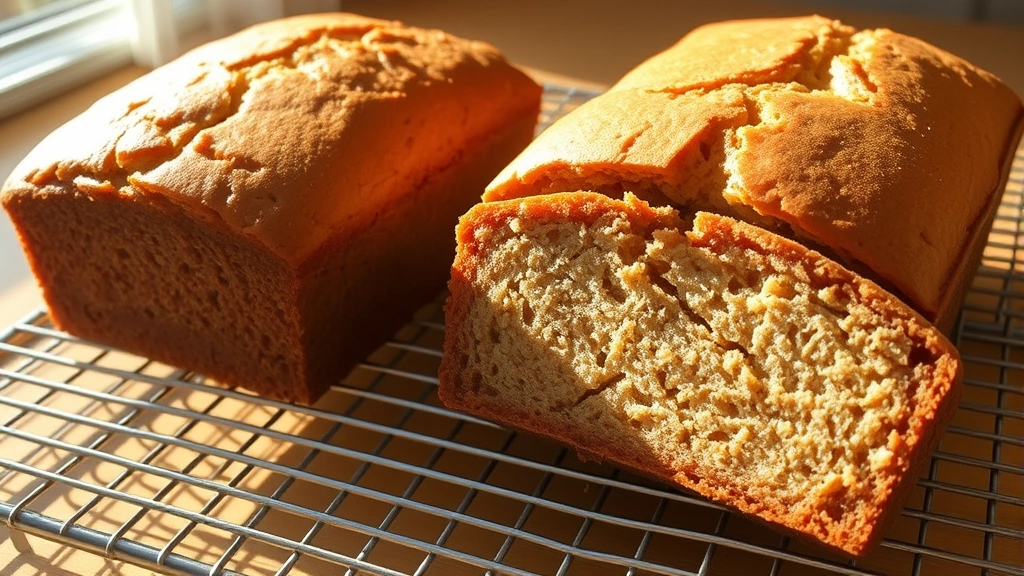
There’s something absolutely magical about a slice of warm, moist banana bread fresh from the oven—especially when sour cream is the secret ingredient that transforms an ordinary loaf into something truly extraordinary. This isn’t just any banana bread recipe; this is the one you’ll return to again and again because it delivers that perfect balance of tender crumb, deep banana flavor, and that signature moisture that keeps every bite tasting fresh even days later.
The magic of this sour cream banana bread lies in understanding why sour cream works so beautifully in baking. Unlike regular milk, sour cream adds richness, tang, and most importantly, moisture that lingers. The acidity in sour cream reacts with baking soda to create lift, resulting in a tender crumb that practically melts on your tongue. Combined with ultra-ripe bananas (the kind with brown spots that most people throw away), you get a loaf that’s bursting with flavor and stays moist for days.
I’ve tested countless banana bread recipes over the years, and I can confidently say this version has won over every single person who’s tried it. Whether you’re baking for a Sunday brunch, a potluck, or simply because your kitchen smells like heaven, this recipe delivers consistent, impressive results. The beauty of this approach is its simplicity—no special equipment needed, no complicated techniques. Just quality ingredients mixed together in the most straightforward way possible.
What makes this different from standard banana bread? It’s the combination of three key elements: the sour cream for moisture and tenderness, brown butter for deep nutty flavor, and the perfect ratio of bananas to flour. Some recipes skimp on bananas or use too much flour, resulting in a dense, dry loaf. This recipe respects the bananas as the star ingredient while ensuring structural integrity.
Before you start, let me share some insider tips for baking success. First, use bananas that are heavily speckled with brown spots—this is when they’re sweetest and most flavorful. Second, don’t skip browning the butter; those nutty, caramelized flavors elevate the entire loaf. Third, measure your flour correctly by spooning it into your measuring cup rather than scooping directly from the bag, which can pack it down and make your bread dense.
This recipe makes two standard loaves, which means you can enjoy one fresh while freezing the other for later. It’s also wonderfully adaptable—feel free to add chocolate chips, nuts, or a streusel topping if you’re feeling fancy. The foundation is so solid that it handles additions beautifully.
I grew up watching my grandmother make banana bread, and while her recipe was delicious, it was often a bit dry by day three. When I discovered the magic of sour cream in baking, I immediately thought of her recipe and knew I had to recreate it with this special ingredient. The result? A loaf that tastes just as good on day five as it does fresh from the oven. That’s the kind of recipe worth keeping in your regular rotation, and it’s the kind of treat that makes your home smell absolutely incredible while it bakes.
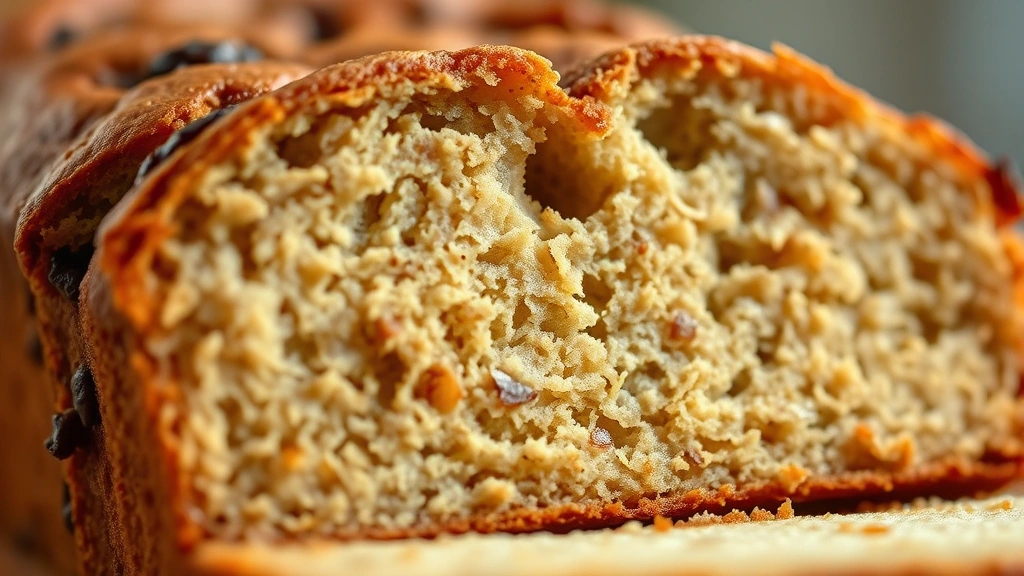
The science behind this recipe is actually fascinating. Sour cream contains lactic acid, which not only adds flavor but also tenderizes the gluten structure in the flour. This means less gluten development, which translates to a softer, more tender crumb. The sour cream also adds fat, which creates that luxurious mouthfeel you’re after. When combined with properly ripe bananas and just the right amount of mixing, you get banana bread that’s genuinely moist rather than gummy—there’s a real difference.
Whether you’re a seasoned baker or someone who rarely steps into the kitchen, this banana bread recipe is your new best friend. It’s forgiving, it’s foolproof, and most importantly, it delivers bakery-quality results that will have everyone asking for your recipe. Now let’s get baking!
For more inspiration on creating the perfect texture in your baked goods, check out this guide on creating creamy, tender results. You might also enjoy exploring how quality ingredients make a difference in any recipe. And if you want to understand more about achieving perfect texture, this creamy recipe guide offers valuable insights.
Ingredients
- 6 tablespoons (85g) unsalted butter, plus more for greasing pans
- 1 cup (200g) granulated sugar
- 2 large eggs, room temperature
- 1 cup (240ml) sour cream, room temperature
- 1 teaspoon vanilla extract
- 5-6 very ripe bananas (about 2 pounds), mashed (should yield about 2 cups)
- 2 cups (240g) all-purpose flour
- 1 teaspoon baking soda
- 1/2 teaspoon baking powder
- 3/4 teaspoon salt
- 1/2 teaspoon ground cinnamon
- 1/4 teaspoon ground nutmeg
- Optional: 1 cup (170g) chocolate chips or 1 cup (120g) chopped pecans or walnuts
Instructions
- Preheat your oven to 350°F (175°C). Generously butter two standard loaf pans (9×5 inches each) and line the bottoms with parchment paper for easy removal. This prevents sticking and ensures your loaves come out beautifully intact.
- In a small saucepan over medium heat, melt 6 tablespoons of butter, swirling occasionally, until it turns a deep golden brown with a nutty aroma, about 5-7 minutes. Watch carefully to avoid burning. Pour the browned butter into a small bowl and let it cool for about 5 minutes.
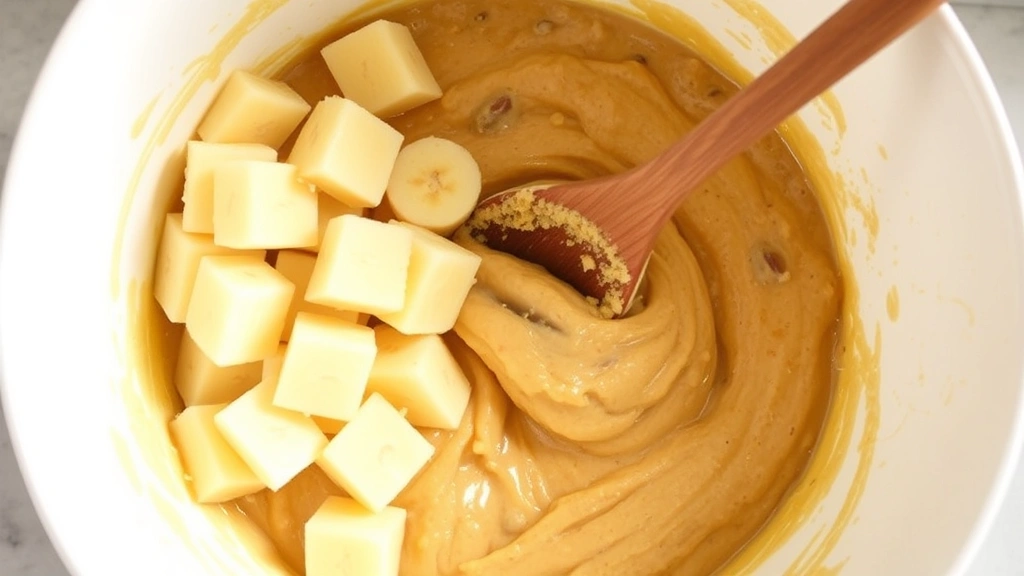
- In a large mixing bowl, whisk together the cooled browned butter and granulated sugar until well combined. The mixture should be slightly grainy in texture. This helps distribute the butter evenly throughout the batter.
- Add the room-temperature eggs one at a time to the butter-sugar mixture, whisking well after each addition until fully incorporated. Room temperature eggs emulsify better and create a smoother batter.
- Add the sour cream and vanilla extract to the mixture, whisking until smooth and well combined. The batter should look creamy and homogeneous at this point.
- In a medium bowl, whisk together the all-purpose flour, baking soda, baking powder, salt, cinnamon, and nutmeg. Sifting isn’t necessary if you whisk well, but it does help break up any lumps and incorporate air.
- Fold the mashed bananas into the wet ingredients using a spatula or wooden spoon, stirring just until mostly combined. A few small lumps of banana are perfectly fine and actually desirable.
- Gently fold the dry ingredients into the wet ingredients using as few strokes as possible—you want to avoid overmixing, which can develop the gluten and create a tough, dense crumb. Stop folding when you see just a few streaks of flour remaining.
- If using chocolate chips or nuts, gently fold them into the batter in the final few strokes. This prevents them from being crushed or distributed unevenly.
- Divide the batter evenly between your prepared loaf pans, smoothing the tops slightly with the back of a spatula. Try to make the tops relatively level for even baking.
- Place the loaf pans on a baking sheet (this catches any potential drips and helps with even heat distribution) and transfer to your preheated 350°F oven.
- Bake for 55-65 minutes, until a toothpick or cake tester inserted into the center of each loaf comes out with just a few moist crumbs attached. Overbaking will result in dry bread, so start checking at 55 minutes.
- Remove the loaves from the oven and let them cool in their pans for 15 minutes. This allows the structure to set so they don’t fall apart when you remove them.
- Turn the loaves out onto a wire cooling rack and let them cool completely before slicing, about 1-2 hours. This cooling time is crucial for the crumb to fully set.
- Once cooled, slice and serve as desired. Store leftover banana bread wrapped tightly at room temperature for up to 5 days, or freeze for up to 3 months.
Pro Tips
Browning the Butter: This step is non-negotiable if you want that depth of flavor. Brown butter adds a toasty, nutty dimension that regular melted butter cannot provide. Don’t rush this step—let it brown slowly over medium heat and listen for that wonderful nutty aroma.
Banana Ripeness: Those brown spots on the banana peel mean the starches have converted to sugars, making them sweeter and more flavorful. If your bananas aren’t quite ripe enough, you can place them in a paper bag at room temperature for a day or two. Never refrigerate bananas until they’re perfectly ripe—the cold will turn the peel black even if the fruit inside isn’t ready.
Mashing Bananas: For the smoothest batter, mash your bananas well using a fork or potato masher. Some people prefer using a food processor for an even smoother consistency, but a fork works just fine. You want minimal banana chunks for the best texture, though a few small pieces are lovely.
Flour Measurement: Spoon your flour into your measuring cup and level it off with a knife rather than scooping directly from the bag. Scooping compresses the flour and can add an extra 30-50 grams to your measurement, resulting in dry, dense banana bread. If you have a kitchen scale, this recipe is even better by weight.
Not Overmixing: Once you add the dry ingredients, fold gently and stop as soon as you see just a few streaks of flour. Overmixing develops the gluten, which creates a tough, dense crumb rather than the tender crumb we’re after. It’s okay if there are a few small flour pockets—they’ll disappear during baking.
Baking Time: Every oven is different, so start checking your banana bread at 55 minutes. The toothpick test is your friend here. It should come out with just a few moist crumbs—not completely clean, which indicates overbaking. If the tops are browning too quickly, loosely tent them with foil.
Cooling Process: Resist the urge to slice into your banana bread immediately. That 15 minutes in the pan allows the structure to set, and the additional cooling on the rack ensures the crumb has fully set and won’t be gummy. Slicing into hot bread will result in a crumbly mess.
Storage and Make-Ahead: Wrapped tightly in plastic wrap or stored in an airtight container, this banana bread keeps beautifully at room temperature for up to five days. You can also freeze cooled loaves for up to three months. Thaw at room temperature before serving. This makes it perfect for baking ahead of time.
Additions and Variations: Feel free to add 1 cup of chocolate chips, chopped pecans, or walnuts to the batter. You can also make a streusel topping by mixing together brown sugar, flour, cinnamon, and melted butter, then sprinkling it over the batter before baking. Some people love adding a tablespoon of rum or bourbon for a grown-up version.
Pingback: Perfect Lamb Shoulder Chop Recipe (Quick & Easy!) – Simple Recipe Finder