
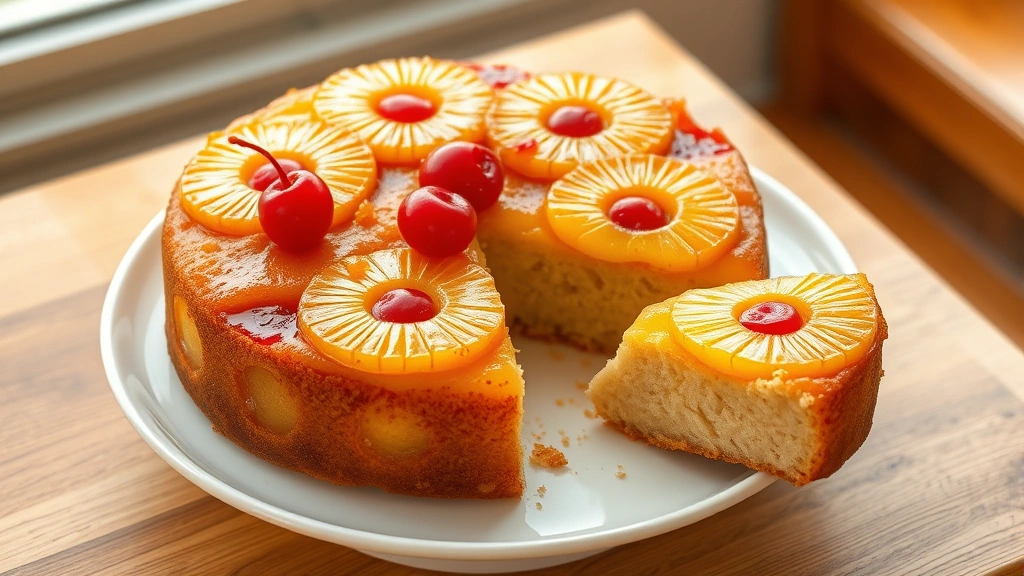
There’s something absolutely magical about flipping a pineapple upside-down cake onto a plate and revealing those gorgeous caramelized rings glistening on top. This classic dessert has been a beloved favorite for generations, and honestly, once you master this recipe, you’ll understand why. The combination of buttery, tender cake with the sweet, sticky pineapple topping is simply irresistible.
What makes this the BEST pineapple upside-down cake recipe is the perfect balance of flavors and textures. We’re talking about a moist, fluffy vanilla cake that’s sturdy enough to support those beautiful pineapple rings without falling apart, but tender enough to practically melt in your mouth. The caramelized brown sugar and butter base creates this incredible toffee-like sauce that soaks into the cake as it cools, making every bite absolutely divine.
I’ve tested this recipe dozens of times, adjusting everything from the brown sugar ratio to the butter content, and I’m thrilled to share my findings with you. The secret is using both butter and a touch of pineapple juice in your topping, which creates the most incredible depth of flavor. Plus, we’re going to use a combination of all-purpose flour and a tiny bit of cornstarch to ensure your cake has that perfect tender crumb.
This recipe is perfect for dinner parties, potlucks, or just because you deserve something spectacular for dessert. It’s not overly complicated, but it looks absolutely impressive when you present it to your guests. The whole process takes about an hour from start to finish, and most of that is baking time, so you can prep everything else while the oven does the work.
One of my favorite things about this cake is how well it keeps. Unlike many cakes that dry out after a day or two, this beauty actually gets better as it sits, with the pineapple syrup continuing to soak into the cake layers. You can make it the day before your event, and it’ll be even more delicious.
If you’re looking for other classic desserts to master, you might enjoy learning about our collection of beloved comfort desserts. And for more baking inspiration, check out our favorite cake recipes and classic flavor combinations. Whether you’re a seasoned baker or just starting out, this pineapple upside-down cake recipe will become your go-to dessert.
I also recommend checking out Serious Eats for baking science and Bon Appétit for cake inspiration. For additional baking techniques, The New York Times Cooking has wonderful resources. You might also love exploring our favorite side dishes to serve alongside your dessert.
Ingredients
- 6 tablespoons unsalted butter
- ¾ cup packed light brown sugar
- ¼ cup pineapple juice (from the canned pineapples)
- 1 teaspoon vanilla extract
- 1 can (20 ounces) pineapple rings in juice, drained (reserve juice)
- 10-12 maraschino cherries, optional but recommended
- 1¾ cups all-purpose flour
- 2 tablespoons cornstarch
- 1½ teaspoons baking powder
- ½ teaspoon salt
- ½ cup unsalted butter, softened to room temperature
- ¾ cup granulated sugar
- 2 large eggs, room temperature
- ½ cup whole milk, room temperature
- 1 teaspoon vanilla extract
- ¼ teaspoon almond extract, optional
Instructions
- Preheat your oven to 350°F (175°C). Get a 9-inch round cake pan and have it ready—don’t grease it, as we’ll be adding the topping directly to the bottom.
- In a small saucepan, melt 6 tablespoons of butter over medium heat. Once melted, remove from heat and stir in the packed brown sugar and pineapple juice until well combined.
- Pour this buttery brown sugar mixture evenly into the bottom of your ungreased 9-inch cake pan, spreading it out so it covers the entire bottom in an even layer.
- Arrange the pineapple rings on top of the brown sugar mixture in a single layer, overlapping them slightly if needed. Place a maraschino cherry in the center of each pineapple ring for that classic presentation.
- In a medium bowl, whisk together the all-purpose flour, cornstarch, baking powder, and salt. Set this dry mixture aside.
- In a large bowl, using an electric mixer, cream together the softened butter and granulated sugar for about 3-4 minutes until the mixture is light, fluffy, and pale in color.
- Add the eggs to the butter-sugar mixture one at a time, beating well after each addition. Make sure each egg is fully incorporated before adding the next one.
- Stir in the vanilla extract and almond extract (if using) until combined.
- With the mixer on low speed, alternate adding the dry ingredients and the milk to the butter mixture, beginning and ending with the dry ingredients. Start with about one-third of the flour mixture, then half the milk, then another third of the flour, then the remaining milk, and finally the last of the flour mixture. Mix until just combined after each addition—don’t overmix.
- Carefully pour the batter over the pineapple rings in the prepared pan, spreading it gently and evenly with an offset spatula or the back of a spoon, being careful not to disturb the fruit arrangement.
- Place the cake pan on a baking sheet (this catches any drips) and transfer it to the preheated oven.
- Bake for 38-42 minutes, until a toothpick inserted into the cake portion (not the topping) comes out clean and the top is golden brown.
- Remove the cake from the oven and let it cool in the pan for about 5 minutes—this is crucial because it allows the caramel to set just enough so the fruit stays in place.
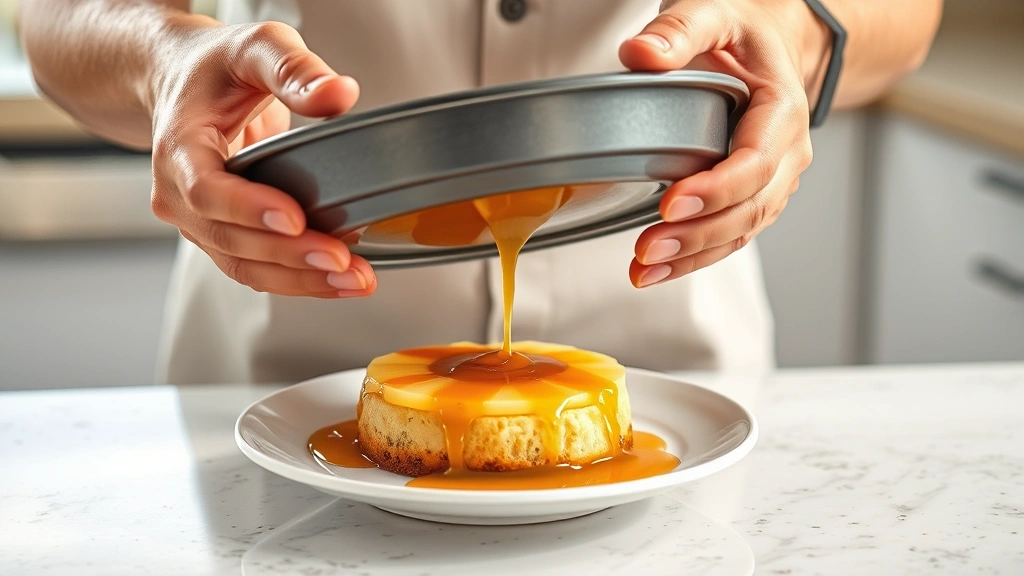
- After 5 minutes, run a thin knife around the edges of the pan to loosen the cake, then place a serving plate on top of the pan.
- Holding the plate and pan together firmly, quickly and confidently flip the cake onto the plate. The pineapple rings and caramel should cascade onto the top of the cake.
- Carefully lift off the cake pan. If any pineapple pieces stick to the pan, gently remove them and place them back on the cake.
- Allow the cake to cool to room temperature, about 30-45 minutes, before serving. This helps the caramel set and makes slicing much easier.
Pro Tips
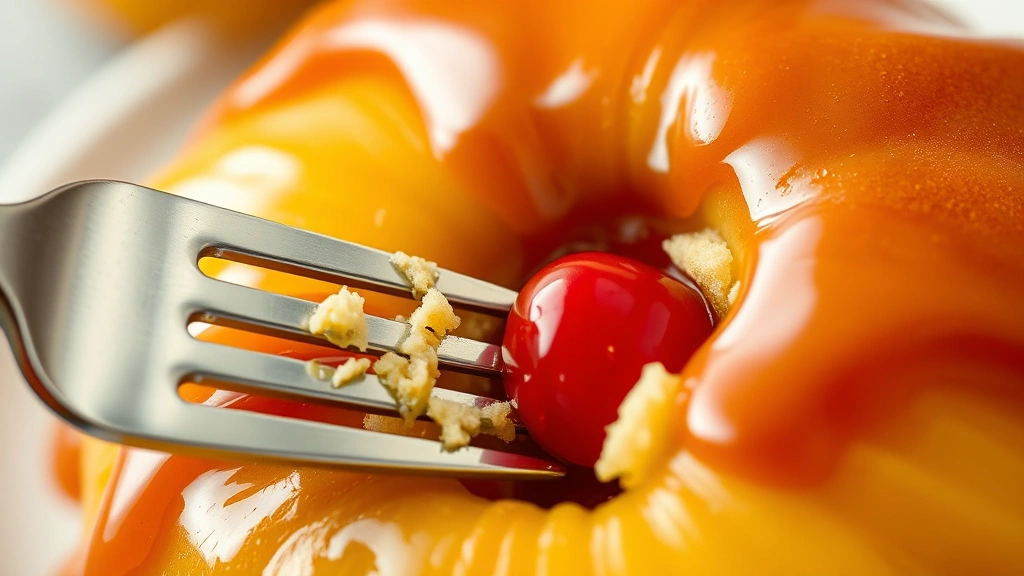
Brown Sugar Topping: Don’t skip draining the pineapple juice thoroughly. Any excess liquid can make your topping too thin and prevent it from caramelizing properly. The pineapple juice we do use adds a subtle fruity depth to the caramel.
Pineapple Rings: If you prefer a different arrangement, you can cut some rings in half to fill in gaps, but the classic overlapping ring pattern is stunning and professional-looking. The maraschino cherries are traditional and add a pop of color, though you can omit them if you prefer.
The Five-Minute Cool: This timing is absolutely essential. If you flip too early, the caramel is still too soft and will slide around. If you wait too long, it hardens and the cake may crack. Five minutes is the sweet spot.
Flipping Technique: Be confident with your flip. Hesitation can result in the cake sliding off the plate. Make sure your plate is large enough and hold everything firmly together.
Storage: Cover leftover cake with plastic wrap or store it in an airtight container at room temperature for up to 3 days. The cake actually improves after a day as the caramel continues to soak into the cake layers, making it even more moist and delicious.
Make-Ahead Options: You can prepare all your dry ingredients in a bowl the night before. You can also prepare your pan with the caramel and pineapple topping several hours ahead of time—just keep it at room temperature and don’t cover it.
Baking Pan Tips: Make sure your cake pan is truly 9 inches in diameter (measured across the top). Using a different size will affect baking time. Glass pans may require reducing the oven temperature by 25°F.
Cake Texture: The addition of cornstarch to the flour creates a more tender crumb, similar to cake flour. This prevents the cake from being too dense or tough, especially important when supporting the weight of the pineapple topping.
Flavor Variations: Add ½ teaspoon of ginger or nutmeg to the cake batter for warm spice notes. You can also substitute dark brown sugar for a deeper molasses flavor in the topping.