
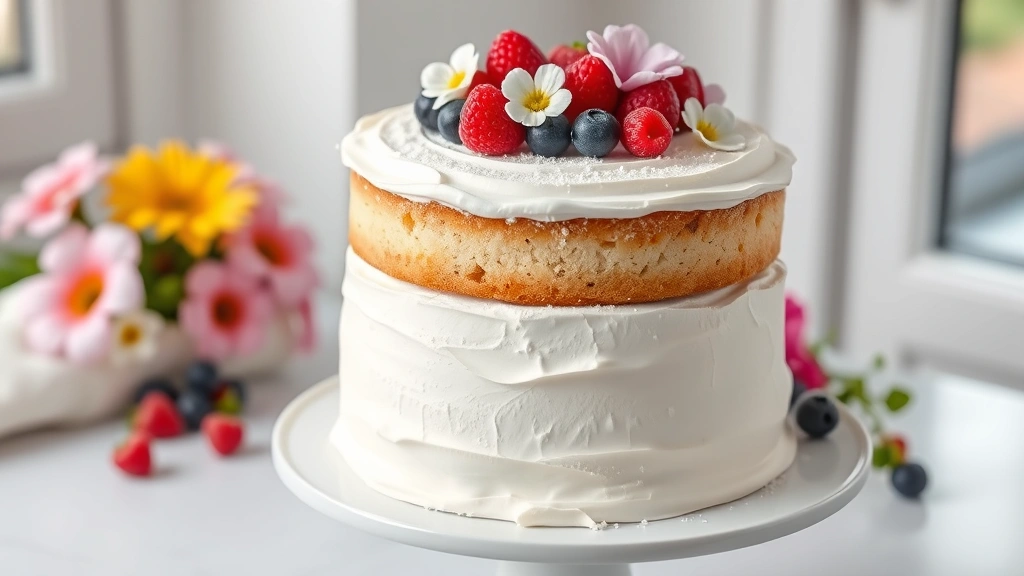
There’s something truly magical about homemade powdered sugar icing that store-bought versions simply can’t replicate. This classic frosting is the foundation of countless desserts, from delicate sugar cookies to elegant layer cakes, and learning to make it perfectly will elevate your baking game entirely. Whether you’re decorating Christmas cookies with intricate royal icing details or topping a simple vanilla cake, this powdered sugar icing recipe is foolproof and endlessly versatile.
The beauty of powdered sugar icing lies in its simplicity and adaptability. With just a few basic ingredients—powdered sugar, butter, milk, and vanilla—you can create a smooth, spreadable frosting that’s perfect for any occasion. The key to achieving that silky-smooth texture that looks professionally done is understanding the ratio of wet to dry ingredients and incorporating them in the right order. Many home bakers struggle with icing that’s either too thick and lumpy or too thin and runny, but once you master this recipe, you’ll have foolproof frosting every single time.
What makes this powdered sugar icing recipe so special is its incredible versatility. You can use it as a simple glaze for donuts and quick breads, pipe it onto cupcakes with beautiful swirls, or use it as a base for more elaborate decorating. The texture is smooth enough to spread easily with an offset spatula, yet sturdy enough to hold piped designs. You can adjust the consistency by adding more milk for a thinner glaze or more powdered sugar for a thicker consistency perfect for intricate piping work.
Beyond the classic vanilla version, this recipe opens doors to endless flavor variations. Add a splash of almond extract for a sophisticated twist, incorporate fresh lemon juice for a bright citrus icing, or blend in some melted chocolate for a decadent chocolate version. You can even tint it with gel food coloring to coordinate with your dessert theme. If you’re looking for inspiration on how to use this icing, check out our Best Heavy Cream Alfredo Sauce Recipe for creative decorating ideas, or explore our Delicious Heavy Cream Pasta Recipe for complementary dessert pairings.
One of the most common questions about powdered sugar icing is whether to use salted or unsalted butter. I always recommend unsalted butter because it gives you complete control over the salt content—you can add a pinch of sea salt if you want that trendy salted caramel effect, or keep it pure and sweet. Room temperature butter is essential because cold butter won’t incorporate smoothly, resulting in a lumpy frosting that’s difficult to work with.
The milk you choose also matters. Whole milk creates the richest flavor and smoothest texture, but you can use 2% milk if that’s what you have on hand. Some bakers prefer using heavy cream for an ultra-luxurious frosting, while others use buttermilk for a subtle tang that complements vanilla beautifully. For a dairy-free version, try using oat milk or almond milk, though the flavor will be slightly different.
Timing is another crucial element that many bakers overlook. Making this icing ahead of time is perfectly fine—it actually benefits from sitting for a bit as the flavors meld together. You can prepare it up to three days in advance and store it in an airtight container in the refrigerator. Just bring it back to room temperature and give it a quick stir before using. This makes it perfect for planning ahead when you’re tackling a big baking project. For more dessert inspiration, explore our Quick Tasty Bacon Carbonara Recipe for creative plating ideas.
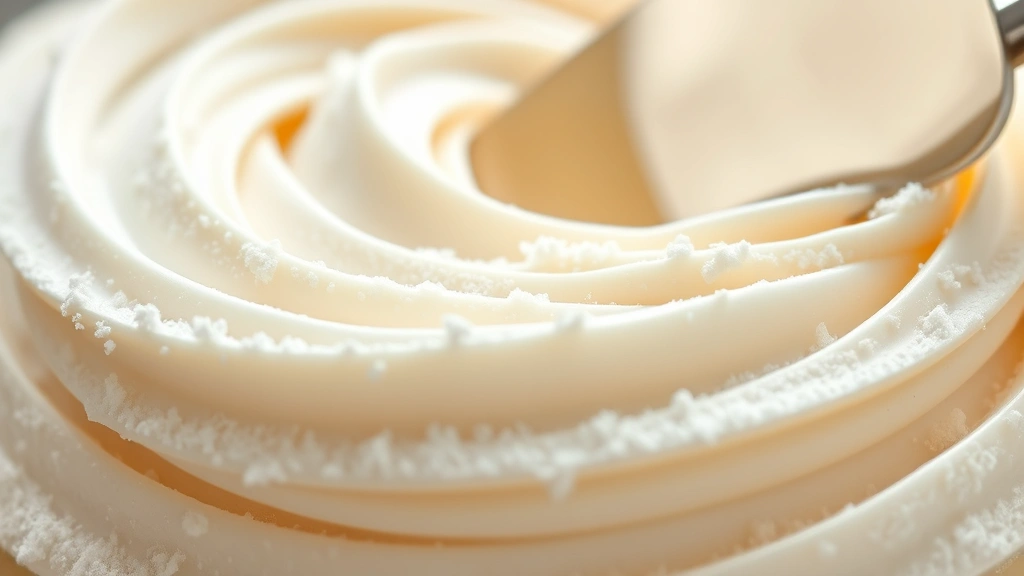
When it comes to decorating, understanding the consistency of your icing is paramount. For a thick consistency ideal for piping roses or intricate designs, use less milk and more powdered sugar. For a thin glaze that drips beautifully over donuts or bundt cakes, add more milk until you reach the desired consistency. The icing should fall slowly from a spoon rather than plopping down immediately or running off instantly.
For professional-looking results, invest in a good offset spatula and a piping bag with various tips. Dip your spatula in warm water and smooth the icing on cakes for a polished finish. When piping, hold the bag at a 45-degree angle and apply steady, even pressure. Practice on parchment paper first if you’re new to piping—it’s easier than you might think.
Temperature control is vital when working with powdered sugar icing. If your kitchen is very warm, the icing may become too soft and lose its shape. In this case, refrigerate it for 15-20 minutes to firm it up. Conversely, if your icing is too stiff, let it sit at room temperature for a few minutes or add milk one teaspoon at a time until you reach the perfect consistency. This balance is what separates amateur-looking frosting from truly professional results.
One insider tip that professional bakers swear by is adding a tiny pinch of cornstarch to your powdered sugar icing. This helps prevent the icing from being too sticky and makes it easier to work with, especially if you’re decorating in a humid environment. Just add 1/4 teaspoon per cup of powdered sugar and mix thoroughly.
For additional dessert inspiration and techniques, check out Bon Appétit’s frosting guides and Serious Eats’ comprehensive baking tutorials. These resources offer advanced decorating techniques and flavor combinations that can take your powdered sugar icing to the next level. You might also find inspiration in our Best Creamy Pesto Recipe for unique flavor integration techniques.
This powdered sugar icing recipe is truly a baker’s best friend. Once you master it, you’ll find yourself making it again and again for everything from simple sheet cakes to elaborate decorated cookies. The satisfaction of creating restaurant-quality frosting in your own kitchen is unmatched, and your friends and family will be impressed by your baking prowess. Happy decorating!
Ingredients
- 4 cups powdered sugar, sifted
- 1/2 cup unsalted butter, room temperature
- 2-3 tablespoons whole milk
- 2 teaspoons pure vanilla extract
- 1/4 teaspoon sea salt
- Optional: food coloring, almond extract, or other flavoring
Instructions
- Sift your powdered sugar into a large mixing bowl to remove any lumps and ensure a smooth final texture. This step is crucial for achieving that silky, lump-free frosting.
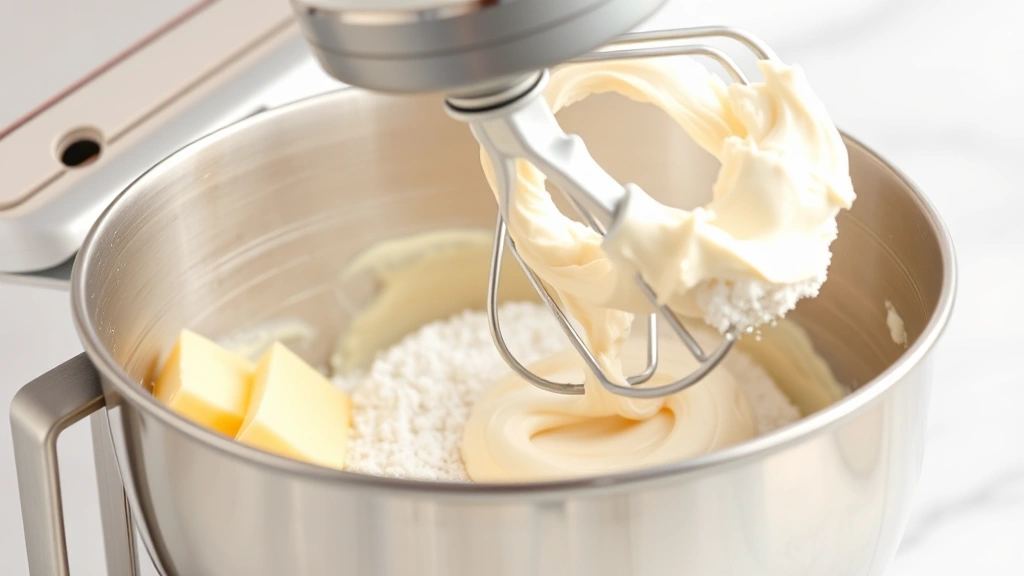
- Add the room temperature butter to the bowl with the sifted powdered sugar.
- Using an electric mixer on low speed, beat the butter and powdered sugar together for about 2-3 minutes until the mixture resembles coarse sand and becomes crumbly.
- Increase the mixer speed to medium and continue beating for another 2-3 minutes until the mixture becomes lighter in color and starts to clump together.
- Add the vanilla extract and sea salt to the butter and sugar mixture.
- Gradually add the milk, one tablespoon at a time, while continuing to beat on medium speed. Start with 2 tablespoons of milk.
- Beat for another 1-2 minutes after adding the milk, scraping down the sides of the bowl as needed to ensure all ingredients are fully incorporated.
- Check the consistency by lifting the mixer beaters—the icing should fall slowly from the beaters rather than running off or clumping. If it’s too thick, add additional milk one teaspoon at a time; if it’s too thin, add more powdered sugar one tablespoon at a time.
- Once you’ve reached the desired consistency, beat on medium-high speed for one final minute to incorporate air and achieve a fluffy, spreadable texture.
- If adding food coloring or additional flavoring, add it now and beat until the color is evenly distributed throughout the frosting.
- Transfer the frosting to an airtight container if not using immediately, or use right away for decorating your baked goods.
- If the frosting becomes too soft while working with it, refrigerate for 15-20 minutes to firm it up before continuing.
Pro Tips
Sifting the powdered sugar is not optional if you want truly smooth, lump-free frosting. Use a fine-mesh sifter or a whisk to break up any clumps before adding it to the butter.
The milk-to-sugar ratio can be adjusted based on your needs. For decorating cakes with an offset spatula, use the minimum amount of milk for a thicker consistency. For piping intricate designs, you can add slightly more milk for better flow.
This frosting can be made 2-3 days in advance and stored in an airtight container in the refrigerator. Bring it to room temperature and stir well before using.
For a dairy-free version, substitute the milk with unsweetened almond milk or oat milk. You may need to adjust the amount slightly as plant-based milks can have different consistency properties.
Adding a tiny pinch of cornstarch (about 1/4 teaspoon per cup of powdered sugar) helps prevent stickiness and is especially useful in humid climates.
Flavor variations: Replace vanilla with almond extract for almond icing, add lemon juice and zest for citrus frosting, or stir in melted chocolate for chocolate icing.
To tint with food coloring, use gel coloring rather than liquid for more vibrant colors and better consistency control. Liquid food coloring can thin out the frosting.
This frosting is perfect for decorating sugar cookies, cupcakes, layer cakes, cinnamon rolls, and donuts. It can be spread smooth, piped into decorative swirls, or drizzled over desserts.
If your frosting breaks or becomes grainy, it’s likely because the butter was too cold. Warm the bowl slightly by running it under warm water and beat again.
Store decorated baked goods in an airtight container at room temperature for up to 3 days, or refrigerate for up to one week.