
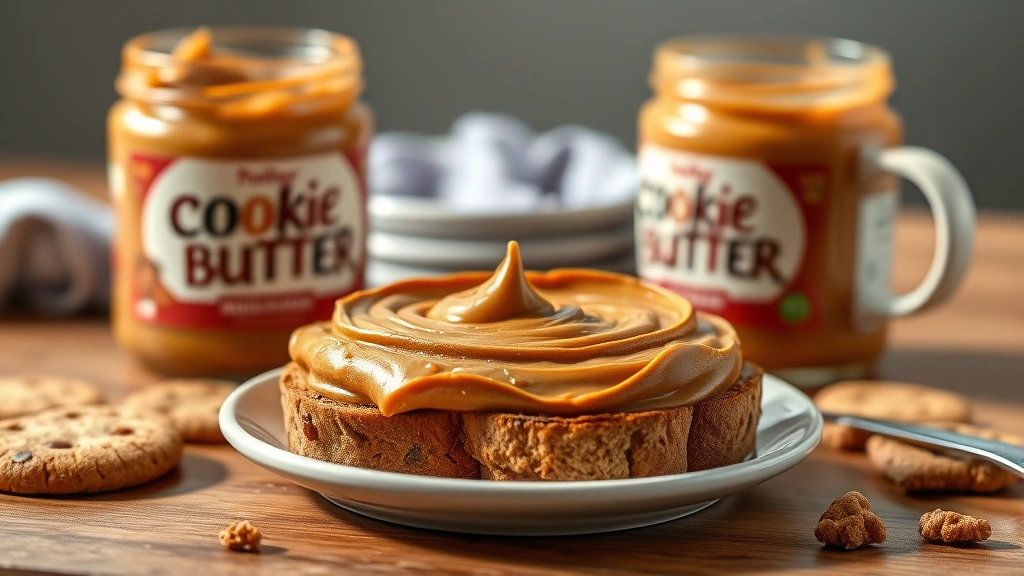
If you’re looking for a homemade spread that rivals those fancy European imports, this cookie butter recipe is about to become your new obsession! There’s something absolutely magical about spreading warm, creamy cookie butter on toast, swirling it into your morning oatmeal, or using it as a dip for fresh fruit. This recipe is so simple—just a handful of ingredients and a food processor—yet the results taste like pure indulgence.
Cookie butter, also known as speculoos spread, has taken the baking world by storm. While store-bought versions can be pricey and loaded with additives, making it at home is surprisingly easy and so much more rewarding. The best part? You control exactly what goes into it. No mysterious preservatives or added sugars you don’t recognize. Just pure, delicious cookie butter that tastes even better than the store-bought stuff.
This recipe uses simple butter cookies as the base—you can use store-bought speculoos cookies (like Biscoff), or make your own using quality ingredients. The magic happens when you blend them down with a bit of coconut oil or butter and a touch of vanilla. In about 15-20 minutes, your food processor transforms humble cookies into the silkiest, most luxurious spread you’ve ever tasted.
I love serving this at brunch parties—spread it on fresh bread or pair it with chocolate wafers. It also makes an absolutely stunning gift when packaged in a pretty jar with a handwritten label. Whether you’re a busy parent looking for an easy treat, a home baker wanting to impress guests, or simply someone who appreciates good food made right, this cookie butter recipe needs to be in your rotation.
For more creative spreading inspiration, check out this Bon Appétit guide to cookie spreads. And if you’re interested in other delicious homemade spreads, don’t miss our collection of comfort food recipes.
The beauty of this recipe lies in its versatility. Once you master the basic formula, you can experiment with flavors—add cinnamon for warmth, a pinch of sea salt to enhance sweetness, or even a hint of espresso powder for depth. The possibilities are endless, and honestly, every batch tastes better than the last as you dial in your preferences. Let me walk you through exactly how to make this creamy dream come true.
Ingredients
- 2 cups butter cookies or speculoos cookies (about 10-12 ounces)
- 3 tablespoons coconut oil or unsalted butter, melted
- 2 tablespoons honey or maple syrup
- 1 teaspoon vanilla extract
- 1/4 teaspoon sea salt
- 1/4 teaspoon ground cinnamon, optional
- Pinch of nutmeg, optional
Instructions
- Gather all your ingredients and make sure your food processor bowl and blade are clean and dry. This ensures your cookie butter will have the silkiest texture possible.
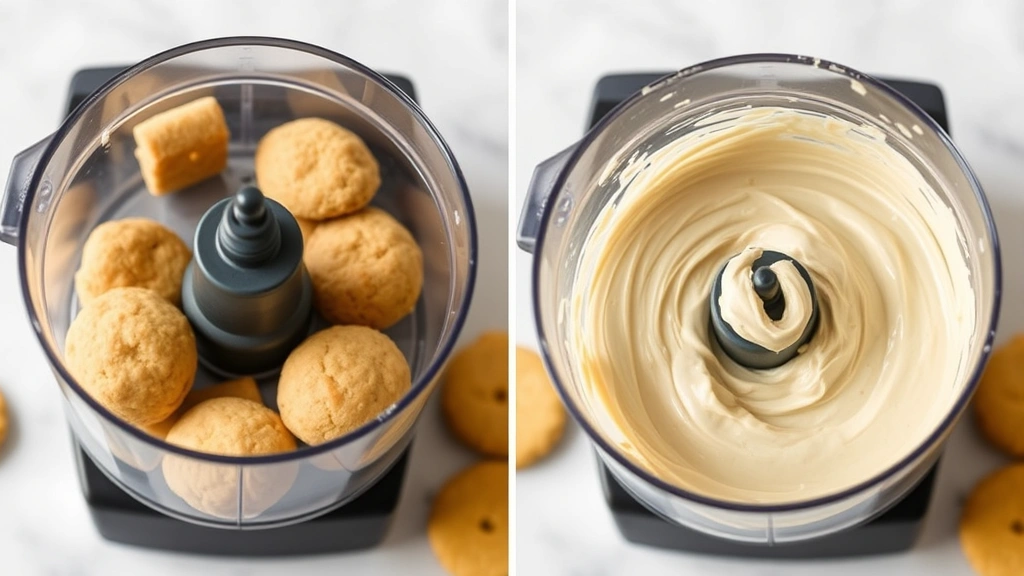
- Break your butter cookies into smaller pieces—about the size of a walnut. This helps the food processor blend them more evenly and prevents the motor from working too hard.
- Add the broken cookie pieces to your food processor and pulse for 30 seconds, breaking them down into a coarse crumb texture.
- Scrape down the sides of the bowl with a spatula, making sure all the cookie pieces are incorporated into the center.
- Process for another 30-45 seconds until the cookies resemble wet sand. You’ll start to see the natural oils from the cookies being released.
- Drizzle in your melted coconut oil or butter while the food processor is running on low speed. This helps create that creamy, spreadable consistency.
- Add the honey, vanilla extract, sea salt, and any optional spices you’d like to include.
- Process on medium speed for 5-8 minutes, stopping every minute to scrape down the sides of the bowl. This is the most important step—the extended processing time breaks down the cookies further and develops that smooth, luxurious texture.
- After about 5 minutes of processing, you’ll notice the mixture begins to clump together and look almost like wet cookie dough.
- Continue processing for another 2-3 minutes until the cookie butter becomes smooth and creamy, releasing its natural oils completely.
- The mixture will gradually transform from chunky to silky smooth. If it seems too thick, you can add another tablespoon of melted coconut oil and process for 30 more seconds.
- Stop processing when you reach your desired consistency—some prefer it thick and spreadable, others like it thinner and more pourable.
- Transfer your homemade cookie butter to a clean glass jar with an airtight lid.
- Let it cool completely to room temperature before sealing. The butter will continue to firm up slightly as it cools.
- Store in an airtight container at room temperature for up to 2 weeks, or refrigerate for up to 1 month.

Pro Tips
- Cookie Selection Matters: Use high-quality butter cookies for the best flavor. Speculoos cookies (Biscoff brand is popular) create that authentic European taste, but any butter cookie works wonderfully. Avoid overly sweet varieties or those with added flavors unless you want that reflected in your spread.
- Food Processor Power: This recipe requires patience and a good food processor. Don’t rush the blending stage—the extended processing time is what transforms cookies into creamy butter. If your processor seems to be struggling, stop and let it rest for a minute before continuing.
- Oil Matters: Coconut oil creates a slightly lighter, less greasy texture, while butter adds richness. Coconut oil is my preference for a cleaner taste, but use what you prefer. Make sure whatever oil you use is melted but not hot.
- Sweetness Control: The honey adds moisture and subtle sweetness. If you prefer your cookie butter less sweet, reduce to 1 tablespoon. If you want it sweeter, add up to 3 tablespoons, but remember the cookies already contain sugar.
- Optional Flavor Additions: Ground cinnamon (1/4 teaspoon) adds warmth, while nutmeg (a pinch) adds complexity. Sea salt (1/4 teaspoon) enhances the overall flavor and balances sweetness. Vanilla extract (1 teaspoon) adds depth.
- Storage Solutions: Keep your cookie butter in a glass jar at room temperature if you’ll use it within 2 weeks. For longer storage, refrigerate or freeze. Frozen cookie butter keeps for up to 3 months. It may separate slightly in storage—just stir well before using.
- Texture Tips: If your cookie butter is too thick, add more melted coconut oil one tablespoon at a time. If it’s too thin, process it longer to develop more natural oils, or refrigerate it for a thicker consistency.
- Serving Suggestions: Spread on toast, swirl into yogurt, dip apple slices, mix into brownies, or use as a frosting for chocolate cakes. It’s incredible on waffles and pancakes too.
- Homemade Cookies: For an even more impressive version, bake your own butter cookies from scratch first, then make this spread. It’s extra special and makes an incredible gift.
- Ingredient Quality: Use real vanilla extract, not imitation, for the best flavor. Grade-B maple syrup works beautifully if you prefer it over honey and adds a deeper flavor profile.