
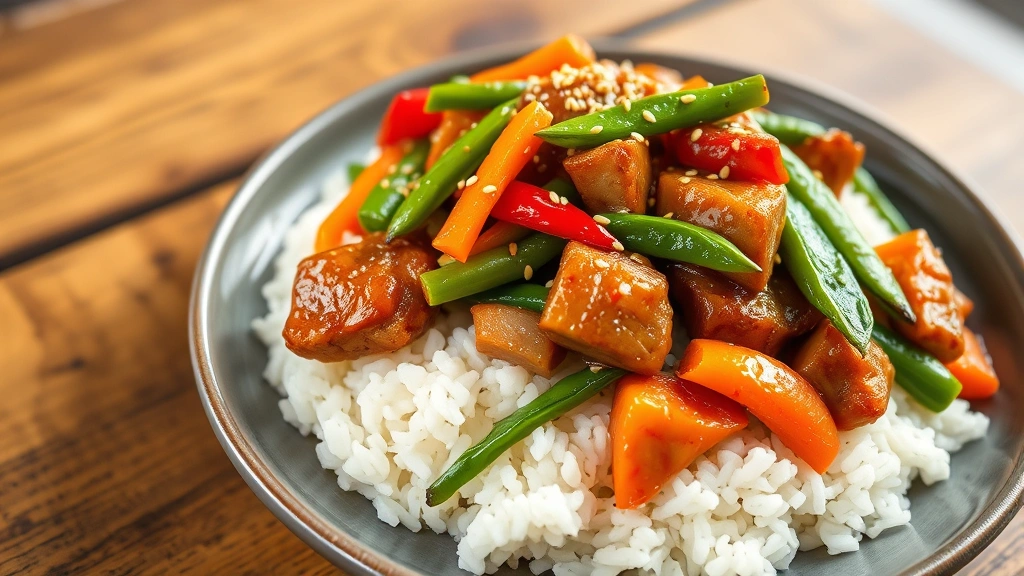
There’s something absolutely magical about a homemade Asian pork stir-fry that just hits different from takeout. This recipe is my go-to when I want restaurant-quality results without leaving my kitchen, and honestly, it’s so much easier than you’d think. The secret is in the sauce – a beautiful balance of savory, sweet, and tangy that coats tender, perfectly cooked pork and crisp-tender vegetables.
I’ve been making stir-fries for years, and I’ve learned a few tricks that really make all the difference. First, having everything prepped and ready before you start cooking is absolutely essential – the actual cooking happens so fast that you won’t have time to chop vegetables mid-stir. Second, using a good quality soy sauce and fresh ginger makes such a difference in the final flavor. And third, the key to getting that restaurant-style texture is using high heat and not overcrowding your pan.
This particular version uses pork tenderloin, which is lean, cooks quickly, and absorbs all those delicious Asian flavors beautifully. I love pairing it with a mix of colorful vegetables – bell peppers, snap peas, carrots, and green onions – because they not only taste amazing but look so vibrant and appetizing. The sauce comes together in just a few minutes and brings everything together in the most delicious way.
What I absolutely love about this recipe is how versatile it is. You can serve it over steamed rice, rice noodles, or even cauliflower rice if you’re going that route. It’s also perfect for meal prep – the whole thing comes together in about 30 minutes from start to finish, making it ideal for busy weeknight dinners. Plus, if you have any leftovers, they reheat beautifully and actually taste even better the next day as the flavors meld together.
If you’re looking for other delicious protein-based recipes, you might also enjoy our Quick Tasty Bacon Carbonara Recipe or this Best Heavy Cream Alfredo Sauce Recipe. For a lighter side dish option, check out our Perfect Pickled Red Onions Recipe, which adds such a nice bright touch to Asian-inspired meals. And for meal prep ideas, our Best Chickpea Salad Recipe is another fantastic option.
Let me share the techniques that make this stir-fry so special. The pork gets sliced thin so it cooks quickly and evenly, and the vegetables are cut into uniform sizes so everything finishes at the same time. The sauce is a perfect blend of soy sauce, oyster sauce, rice vinegar, and a touch of honey for sweetness – it’s the kind of sauce that makes you want to lick your plate clean. And the fresh garlic and ginger add that authentic Asian flavor that just can’t be replicated. For more detailed information on stir-fry techniques, check out resources like Serious Eats or Bon Appétit for their excellent cooking guides. You can also find great inspiration at New York Times Cooking.
I really hope you try this recipe and fall in love with it as much as I have. It’s the kind of dish that feels impressive but is actually totally doable in your home kitchen. Once you master this basic technique, you can start playing around with different proteins, vegetables, and sauce variations – the possibilities are truly endless!
Ingredients
- 1.5 pounds pork tenderloin, sliced thin
- 3 tablespoons soy sauce
- 2 tablespoons oyster sauce
- 1 tablespoon rice vinegar
- 1 tablespoon honey
- 2 tablespoons vegetable oil, divided
- 4 cloves garlic, minced
- 1 tablespoon fresh ginger, minced
- 1 red bell pepper, sliced into strips
- 1 yellow bell pepper, sliced into strips
- 1 cup fresh snap peas
- 1 medium carrot, sliced thin on a bias
- 4 green onions, cut into 2-inch pieces
- 1 teaspoon sesame oil
- 1/4 teaspoon red pepper flakes (optional)
- 2 teaspoons cornstarch
- 2 tablespoons water
- Sesame seeds for garnish
- Cooked rice or noodles for serving
Instructions
- Start by preparing all your ingredients and arranging them on your work surface in the order you’ll use them. This is called mise en place and is absolutely crucial for stir-fry success. Slice the pork tenderloin into thin pieces, about 1/4 inch thick – this ensures they’ll cook quickly and evenly.
- In a small bowl, whisk together the soy sauce, oyster sauce, rice vinegar, and honey. This is your sauce base, and you want to have it ready before you start cooking. Set it aside within easy reach of your stovetop.
- In another small bowl, mix the cornstarch with the water to create a slurry. This will help thicken your sauce and give it that glossy, restaurant-quality finish. Keep this nearby as well.
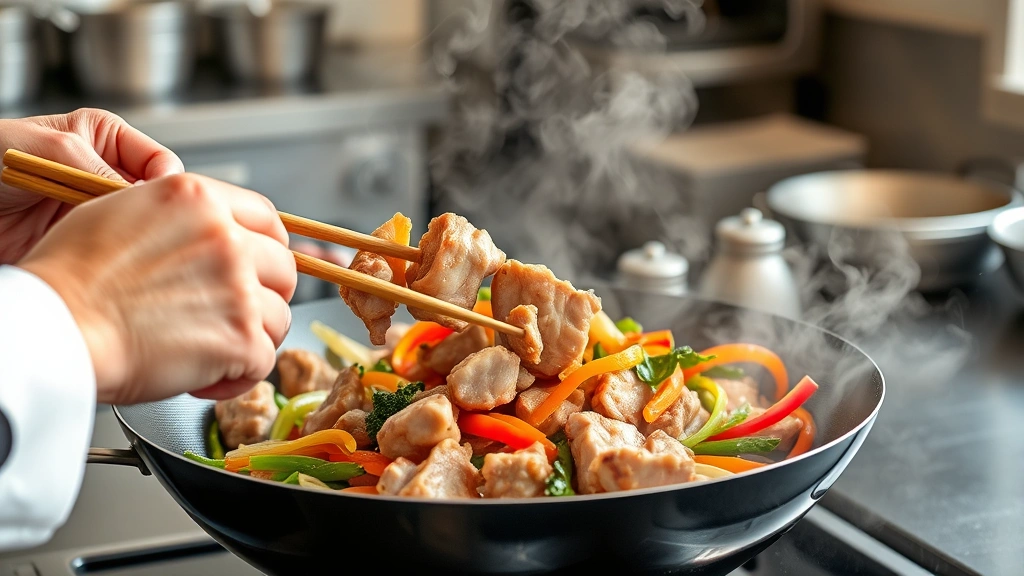
- Heat a large wok or skillet over medium-high heat. Allow it to get nice and hot – this is important for proper browning and cooking. You want to hear that beautiful sizzle when the food hits the pan.
- Add 1 tablespoon of vegetable oil to the hot pan. Once it’s shimmering, add the sliced pork in a single layer. Don’t stir it immediately – let it cook undisturbed for about 2-3 minutes so it can brown nicely on one side.
- Stir the pork and cook for another 2-3 minutes until it’s cooked through but still tender. The internal temperature should reach 145°F. Remove the pork to a clean plate and set aside.
- Add the remaining 1 tablespoon of oil to the same pan. Once it’s hot, add the minced garlic and ginger, stirring constantly for about 30 seconds until fragrant. Be careful not to burn the garlic – you want it golden and aromatic.
- Add the sliced bell peppers and carrots to the pan. Stir-fry for about 3-4 minutes until they start to soften but still have a nice crunch. You’re looking for that perfect tender-crisp texture.
- Add the snap peas to the pan and continue cooking for another 1-2 minutes. The vegetables should all be colorful and vibrant at this point.
- Pour the sauce mixture you prepared earlier into the pan with the vegetables. Stir everything together to coat the vegetables evenly with the sauce.
- Return the cooked pork to the pan along with the green onions. Toss everything together so the pork heats through and gets coated with the sauce, about 1-2 minutes.
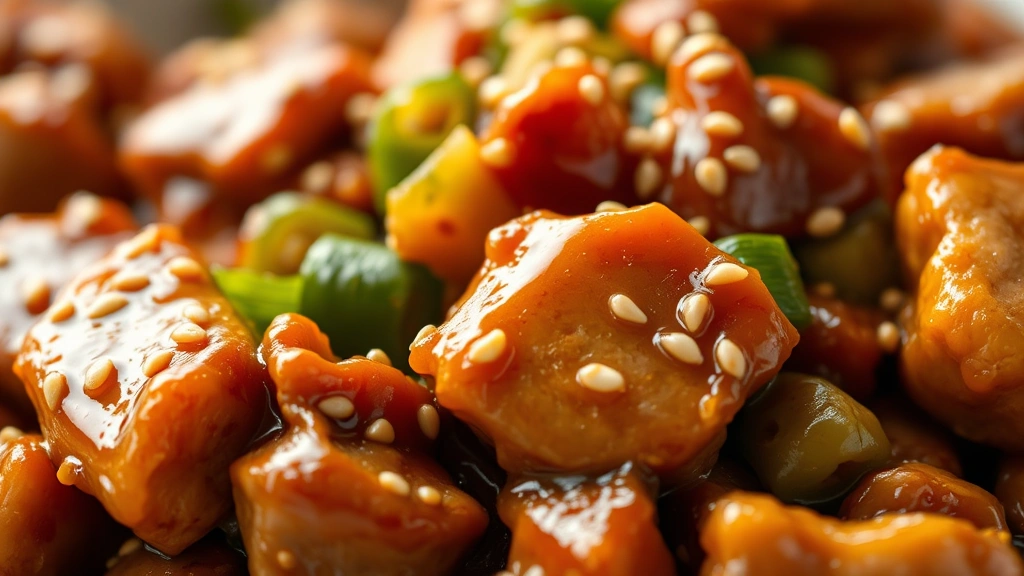
- Pour the cornstarch slurry into the pan while stirring constantly. The sauce will thicken almost immediately into a gorgeous, glossy coating. This usually takes about 1 minute.
- Remove from heat and stir in the sesame oil. Add the red pepper flakes if you like a little extra heat. Taste and adjust seasoning as needed – you might want a touch more soy sauce or a squeeze of lime juice.
- Transfer to a serving platter and garnish with sesame seeds. Serve immediately over steamed rice or noodles while everything is hot and delicious.
Pro Tips
- The key to great stir-fry is having everything prepped before you start cooking. The actual cooking process happens very quickly, often in just 15 minutes total, so you won’t have time to chop vegetables once you’ve started.
- Slice the pork against the grain for maximum tenderness. This helps break up the muscle fibers and makes each bite more tender and easier to chew.
- Don’t overcrowd the pan when cooking the pork. If you add too much at once, the temperature drops and you’ll end up steaming rather than searing. Work in batches if necessary.
- For the best results, use high heat throughout the cooking process. A hot pan is what gives you that beautiful caramelization and restaurant-quality results.
- Feel free to substitute other vegetables based on what you have on hand or what you prefer. Broccoli, bok choy, mushrooms, or water chestnuts would all work beautifully in this recipe.
- You can make the sauce ahead of time and store it in the refrigerator for up to a week, making this recipe even quicker on busy nights.
- Leftovers store well in an airtight container in the refrigerator for up to 3 days. Reheat gently in a skillet over medium heat to maintain the texture of the vegetables.
- This recipe doubles easily if you’re cooking for a crowd. Just make sure you have a large enough pan or work in batches to maintain the proper cooking temperature.
- For a lower-sodium version, use reduced-sodium soy sauce and oyster sauce, adjusting the amounts to taste.
- If you can’t find pork tenderloin, pork shoulder or pork loin work well as substitutes. Just be sure to slice them thin and cook until they reach the proper internal temperature.
- Sesame oil has a strong flavor, so a little goes a long way. Add it at the end of cooking rather than during to preserve its delicate, nutty flavor.