
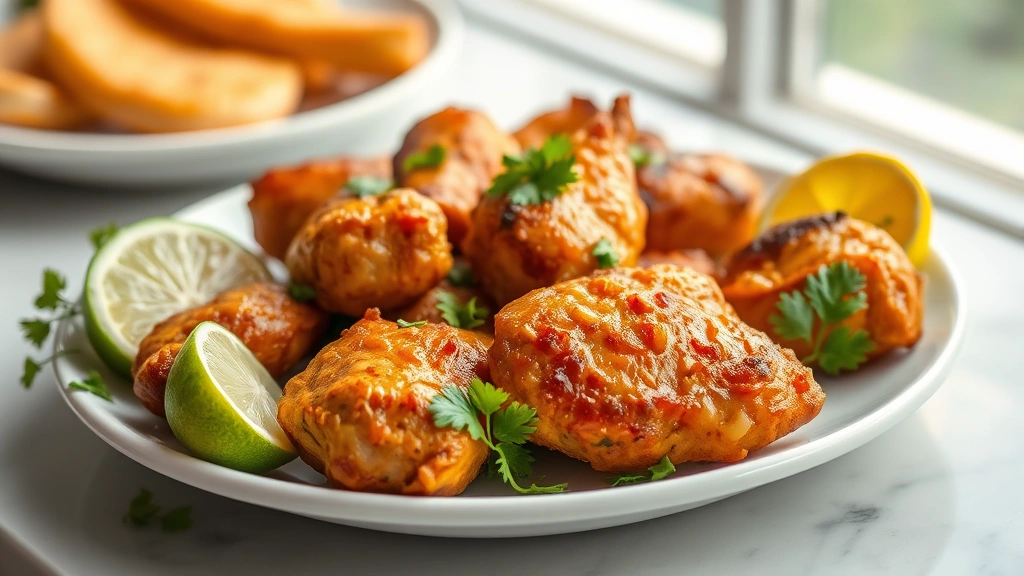
There’s nothing quite like authentic jerk chicken—that perfect marriage of heat, smoke, and Caribbean spice that transports you straight to a beachside cookout. This recipe captures the true essence of Jamaican jerk seasoning, passed down through generations and perfected over countless family gatherings. The magic happens when you blend scotch bonnet peppers, allspice, thyme, and warm spices into a paste that clings to every fiber of the chicken, creating a crust that’s crispy on the outside and impossibly juicy within.
What makes this jerk chicken truly authentic is the balance of flavors—it’s not just about heat, though the scotch bonnets certainly bring the fire. It’s about the complexity of the spice profile, the subtle smokiness from the grill, and the way the marinade penetrates the meat over several hours. I’ve spent years perfecting this recipe, testing different pepper varieties, adjusting the spice ratios, and experimenting with various grilling techniques to achieve that restaurant-quality result at home.
The beauty of this recipe is its versatility. Whether you’re planning a casual weeknight dinner or hosting a summer gathering, jerk chicken always delivers. It pairs beautifully with pickled red onions for brightness, serves alongside chickpea salad for a complete meal, and works wonderfully as part of a Caribbean-inspired spread. The smoky, spiced exterior contrasts beautifully with cooling sides and tropical accompaniments.
I recommend starting with bone-in, skin-on chicken pieces—they hold up better on the grill and stay incredibly moist. The skin crisps up beautifully when properly marinated, and the bones help conduct heat evenly through the meat. This recipe uses readily available ingredients, though tracking down fresh scotch bonnet peppers is worth the effort for that authentic kick. If you can’t find them, habaneros work as a substitute, though they’re slightly milder.
The key to success is patience with the marinade. While you can cook the chicken after just a few hours, overnight marinating gives you the most flavorful results. The acids in the lime juice and vinegar begin breaking down the proteins while the spices penetrate deeper into the meat, creating layers of flavor that simply can’t be rushed. This is why authentic jerk chicken tastes so phenomenal—it’s been given time to develop complexity.
For external inspiration and technique refinement, check out Bon Appétit’s grilling guides, explore Serious Eats’ marinading science, and discover New York Times cooking techniques. These resources have deepened my understanding of how marinades work and why certain techniques produce superior results. The science behind jerk seasoning is fascinating—the enzymatic action of the lime juice, the antimicrobial properties of the spices, and how heat transforms the surface of the meat during grilling.
Once you master this authentic jerk chicken recipe, you’ll find yourself making it regularly. It’s the kind of dish that becomes a signature in your cooking repertoire, the one your family and friends request again and again. The combination of preparation, technique, and genuine Caribbean flavors creates something truly special that goes far beyond ordinary grilled chicken.
Ingredients
- 4-5 pounds bone-in, skin-on chicken pieces (thighs, drumsticks, breasts)
- 4 scotch bonnet peppers, roughly chopped (seeds removed for less heat if desired)
- 6 scallions, roughly chopped
- 3 tablespoons fresh thyme leaves
- 2 tablespoons allspice berries (or 1 tablespoon ground allspice)
- 1 tablespoon ground cinnamon
- 1 teaspoon fresh nutmeg, grated
- 1 teaspoon black peppercorns
- 1/2 teaspoon cloves
- 1/4 teaspoon cayenne pepper
- 3 tablespoons fresh lime juice
- 2 tablespoons apple cider vinegar
- 3 tablespoons soy sauce
- 2 tablespoons olive oil
- 2 tablespoons brown sugar
- 4 cloves garlic, minced
- 1 tablespoon fresh ginger, grated
- 1 teaspoon salt
- 1/2 teaspoon black pepper
- 2 tablespoons vegetable oil for grilling
Instructions
- Toast the allspice berries, black peppercorns, cloves, and cinnamon in a dry skillet over medium heat for 2-3 minutes, stirring frequently until fragrant. This blooming process releases the essential oils and deepens the flavors. Transfer to a spice grinder or mortar and pestle and grind to a coarse powder.
- In a food processor, combine the toasted spice mixture with scotch bonnet peppers, scallions, thyme, garlic, and ginger. Pulse until roughly combined, creating a chunky paste base.
- Add the lime juice, apple cider vinegar, soy sauce, olive oil, brown sugar, salt, and pepper to the food processor. Pulse again until you achieve a thick, textured paste consistency. The paste should cling to a spoon and have visible flecks of herbs and spices throughout.
- Pat the chicken pieces dry with paper towels—this helps the marinade adhere better to the skin. Don’t skip this step as moisture prevents proper marinating.
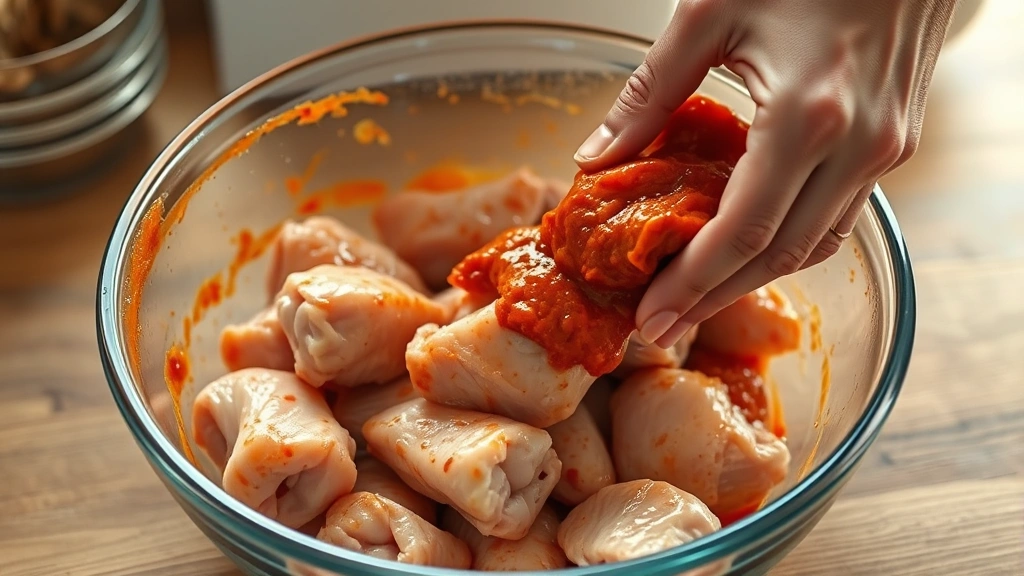
- Transfer the jerk paste to a large bowl or gallon-sized zip-top bags. Add all the chicken pieces, ensuring each piece is thoroughly coated with the marinade. Use your hands to work the paste under the skin where possible.
- If using bowls, cover tightly with plastic wrap and refrigerate for at least 8 hours, preferably overnight. If using zip-top bags, seal well and refrigerate for the same duration. The longer marinating time allows deeper flavor penetration.
- Remove the chicken from the refrigerator 30 minutes before grilling to bring it closer to room temperature. This ensures more even cooking throughout.
- Preheat your grill to medium-high heat, approximately 375-400°F. If using charcoal, arrange coals to create two zones: a hotter direct side and a cooler indirect side for temperature control.
- Lightly oil the grill grates with vegetable oil to prevent sticking. Wipe away excess marinade from the chicken pieces using tongs or paper towels, reserving some of the paste to brush on during cooking.
- Place chicken pieces skin-side down on the hotter side of the grill. Cook for 6-8 minutes without moving them, allowing the skin to develop color and char.
- Flip the chicken pieces and cook for another 5-7 minutes on the second side, again resisting the urge to move them around—this creates beautiful caramelization.
- Brush the chicken with additional reserved marinade paste and move pieces to the cooler indirect side of the grill. Continue cooking for 15-20 minutes, turning occasionally, until the internal temperature reaches 165°F when measured with a meat thermometer in the thickest part without touching bone.
- For thicker pieces like bone-in breasts, you may need to cover the grill with the lid during the indirect cooking phase to ensure thorough cooking without burning the exterior.
- Transfer finished chicken to a clean plate or serving platter and let rest for 5 minutes before serving. This allows the juices to redistribute throughout the meat.
- Serve hot with your choice of traditional Caribbean sides and enjoy the fruits of your labor.
Pro Tips
Marinating Timeline: While 8 hours gives excellent results, 12-24 hours of marinating produces even more profound flavors. The citric acid in lime juice slowly denatures the chicken proteins, making the meat more tender and allowing spices to penetrate deeper. Plan accordingly for meal prep.
Grilling Equipment Options: This recipe works beautifully on charcoal grills, gas grills, or even a well-ventilated stovetop grill pan. Charcoal provides the most authentic smokiness, but gas grills offer better temperature control. If using a grill pan indoors, work in batches and ensure proper ventilation as the spices create aromatic smoke.
Temperature Precision: A meat thermometer is non-negotiable for food safety and perfect doneness. Chicken is safe at 165°F, but thighs remain juicier if taken to 170-175°F. Always measure in the thickest part without touching bone for accurate readings.
Marinade Reuse Safety: Never reuse marinades that have contacted raw chicken without boiling them first. If you want reserved marinade for serving, set aside a portion before adding raw chicken.
Traditional Serving Suggestions: Pair with rice and peas, fried plantains, coleslaw, or tropical fruit salsas. The heat from the jerk seasoning pairs beautifully with cooling sides and sweet, acidic components.
Make-Ahead and Storage: Marinated chicken keeps for up to 24 hours in the refrigerator. Cooked jerk chicken stores well for 3-4 days and reheats beautifully. For longer storage, freeze marinated chicken for up to 3 months.
Spice Adjustments: If you prefer milder heat, reduce scotch bonnets or remove seeds before processing. For extra kick, add cayenne pepper or leave seeds intact. The beauty of this recipe is its flexibility to suit your heat preferences.
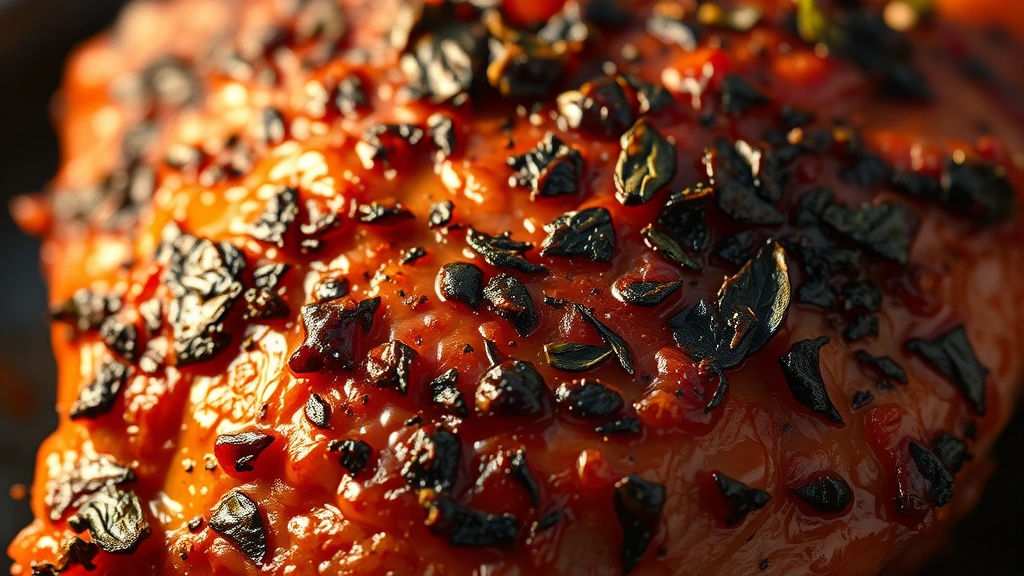
Grill Marks and Char: Don’t fret over perfect grill marks—rustic, charred patches are signs of proper caramelization and add depth to the flavor profile. Some char is desirable and contributes to the authentic jerk experience.