
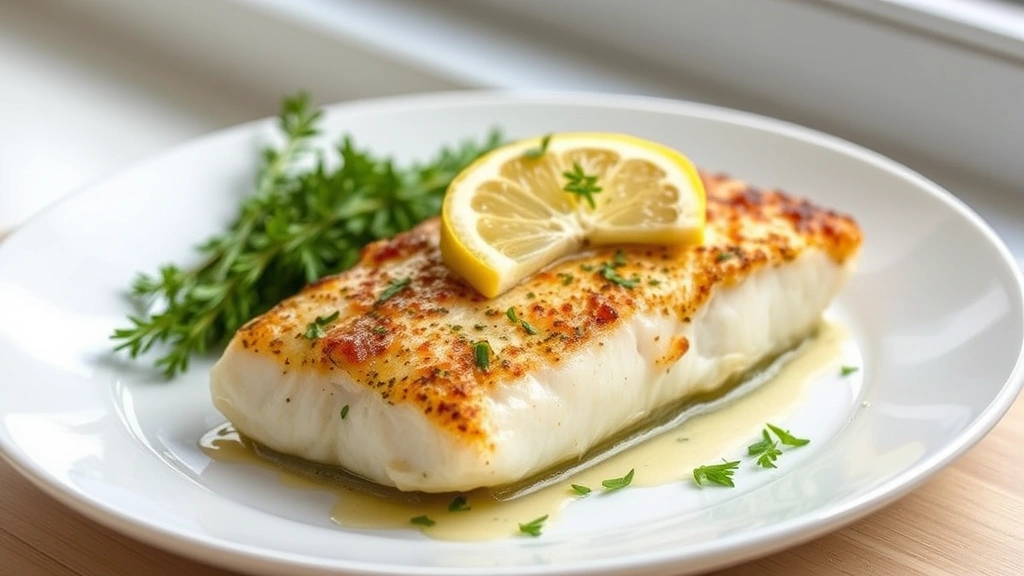
Baked mahi-mahi is one of those elegant yet surprisingly simple dishes that feels fancy enough for dinner guests but comes together in under 30 minutes. This recipe celebrates the delicate, slightly sweet flavor of mahi-mahi with a buttery lemon topping and fresh herbs that elevate it to restaurant-quality status. The beauty of this preparation is that the fish stays incredibly moist and tender while developing a golden, herb-crusted exterior.
Mahi-mahi, also known as dolphinfish (though it’s not related to dolphins!), is a wonderfully versatile white fish with a mild flavor and firm texture. It’s perfect for baking because it holds up beautifully to heat without becoming dry or flaky. The key to perfect baked mahi is not overcooking it—we’re looking for that perfectly opaque center that flakes gently with a fork.
This recipe pairs beautifully with roasted vegetables, creamy pasta, or a bright chickpea salad. You can also serve it alongside pickled red onions for a fresh, tangy contrast. For a richer meal, consider pairing it with a light cream sauce on the side, or keep it simple and let the fish shine on its own.
What makes this baked mahi recipe so foolproof is the simple technique: season, top with butter and lemon, and bake until just done. No complicated techniques, no stress, just perfectly cooked fish that tastes like you spent hours in the kitchen. Whether you’re cooking for yourself on a weeknight or impressing dinner guests, this recipe delivers every single time. The fragrant herbs, bright lemon, and tender fish create a combination that feels both comforting and sophisticated.
I love how adaptable this recipe is too. You can add capers, olives, or sun-dried tomatoes to the topping. You can use different herbs based on what you have on hand—dill, tarragon, and thyme all work beautifully with mahi. The foundation is solid, which means you can make it your own while still achieving that perfect baked mahi result.
Ingredients
- 4 mahi-mahi fillets (6 ounces each)
- 4 tablespoons unsalted butter, softened
- 3 cloves garlic, minced
- 2 tablespoons fresh parsley, finely chopped
- 1 tablespoon fresh dill, finely chopped
- Zest of 2 lemons
- Juice of 1 lemon
- 1/2 teaspoon kosher salt
- 1/4 teaspoon black pepper
- 1/4 teaspoon red pepper flakes (optional)
- 2 tablespoons panko breadcrumbs
- 1 tablespoon grated Parmesan cheese
- Olive oil for the baking sheet
- Lemon slices for garnish
- Fresh herb sprigs for garnish
Instructions
- Preheat your oven to 400°F (200°C). Line a baking sheet with parchment paper or lightly brush it with olive oil to prevent sticking.
- Pat the mahi-mahi fillets dry with paper towels. This step is crucial as it helps the fish cook evenly and prevents excess moisture from steaming the fish instead of baking it.
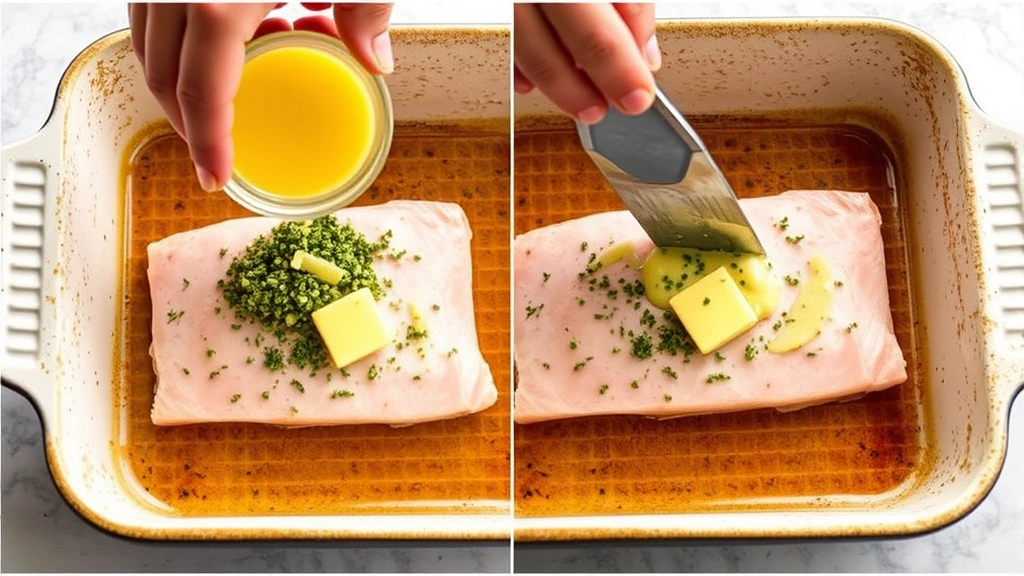
- In a small bowl, combine the softened butter, minced garlic, chopped parsley, chopped dill, lemon zest, and red pepper flakes if using. Mix until well combined and fragrant.
- In another small bowl, combine the panko breadcrumbs, grated Parmesan cheese, and a pinch of salt. This topping will add a delightful crunch to your baked mahi.
- Arrange the mahi-mahi fillets on the prepared baking sheet, spacing them about 2 inches apart. Season each fillet on both sides with kosher salt and black pepper.
- Spread approximately 1 tablespoon of the herb butter mixture evenly over the top of each fillet, making sure to distribute it across the entire surface.
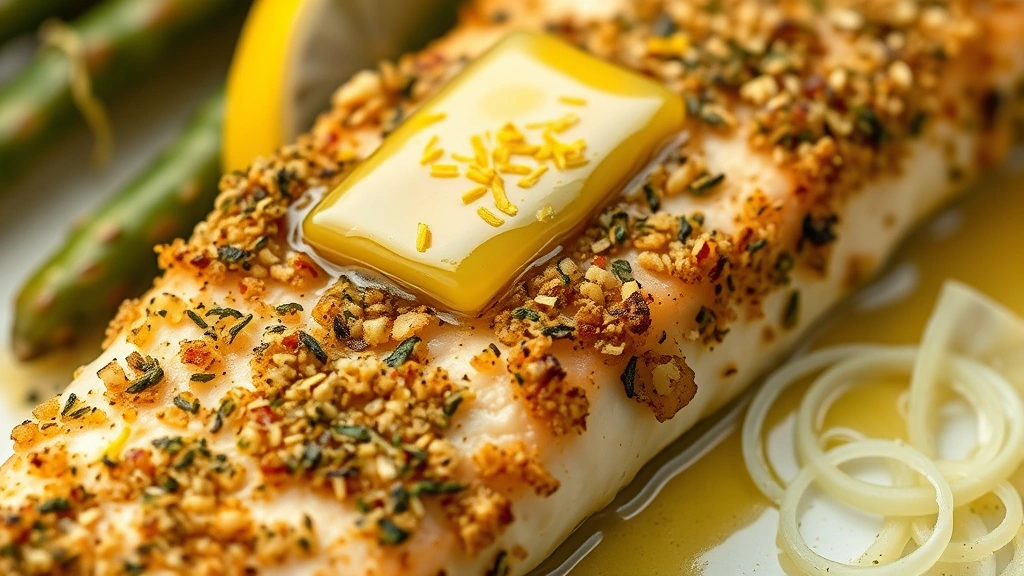
- Sprinkle the panko-Parmesan mixture evenly over each butter-topped fillet. This creates a beautiful golden crust as it bakes.
- Place the baking sheet in the preheated 400°F oven and bake for 12-15 minutes, depending on the thickness of your fillets. The fish is done when it reaches an internal temperature of 145°F (63°C) and flakes easily with a fork.
- Remove the baked mahi from the oven and immediately drizzle with fresh lemon juice over the top of each fillet while still hot.
- Garnish with fresh lemon slices and additional fresh herb sprigs for a beautiful presentation.
- Serve immediately while the fish is hot and the butter topping is still melted and fragrant. Serve with your choice of sides such as roasted vegetables, rice, or pasta.
Pro Tips
The herb butter can be made up to 2 days in advance and stored in an airtight container in the refrigerator. Simply bring it to room temperature before using.
For thicker fillets over 1 inch, you may need to extend the baking time by 2-3 minutes. Use a meat thermometer to check for doneness—aim for 145°F internal temperature.
Don’t skip the step of patting the fish dry. This prevents steam from building up and ensures the top gets crispy rather than soggy.
You can customize the herb topping based on preferences. Tarragon, thyme, basil, or chives all work beautifully with mahi-mahi.
For a Mediterranean twist, add chopped olives, capers, or sun-dried tomatoes to the herb butter mixture.
This recipe doubles easily for larger gatherings. Simply multiply all ingredients and arrange fillets in a single layer on baking sheets.
Leftovers can be refrigerated in an airtight container for up to 2 days and reheated gently in a 300°F oven for about 5 minutes.
Pair with a crisp white wine like Sauvignon Blanc or Pinot Grigio for a restaurant-quality dinner at home.
The key to not overcooking mahi is to start checking for doneness at 12 minutes. The flesh should be opaque and flake gently but still feel slightly moist.