
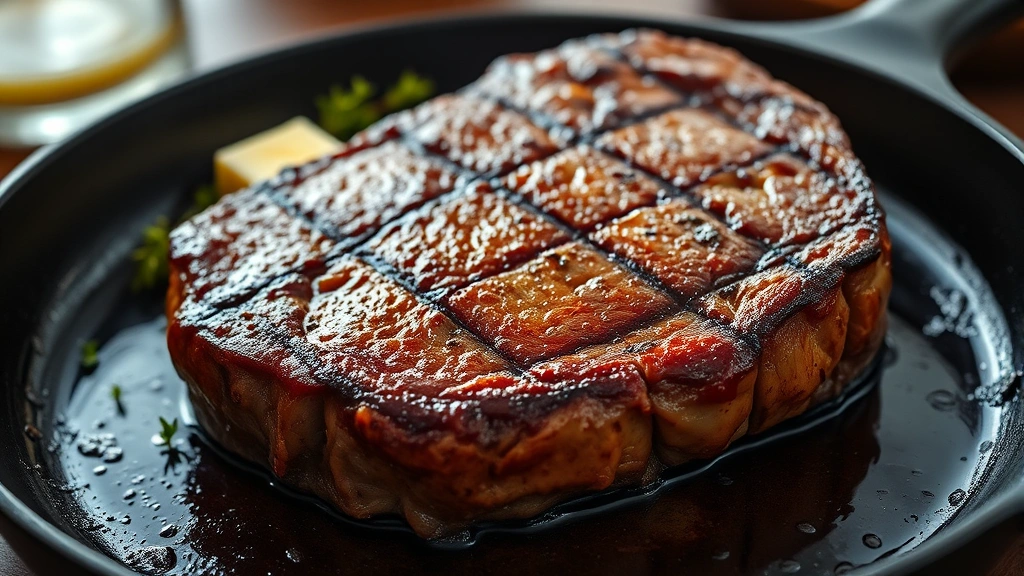
There’s something absolutely magical about a perfectly cooked beef porterhouse steak – it’s the kind of dish that feels fancy enough for a special occasion, yet simple enough to master in your own kitchen. A porterhouse is truly the best of both worlds, featuring a generous strip steak on one side of the bone and a smaller tenderloin (filet) on the other, giving you two different textures and flavors in one stunning cut.
I absolutely love making porterhouse steaks at home because they’re so forgiving when you use the right technique. The key to perfection lies in a few critical steps: choosing a high-quality, well-marbled steak that’s at least 1.5 inches thick, bringing it to room temperature before cooking, and using a screaming hot cast-iron skillet to develop that gorgeous golden crust. The bone adds incredible flavor and helps conduct heat evenly throughout the meat, which is why I always recommend asking your butcher for a beautiful porterhouse rather than boneless cuts.
This recipe walks you through my foolproof method for achieving a restaurant-quality steak at home with a gorgeous crust, perfectly pink center, and incredible beefy flavor. Whether you’re planning a special dinner or simply want to treat yourself to an exceptional meal, this porterhouse technique will absolutely become your go-to. I’ve included all my insider tips and tricks to ensure you nail it every single time.
The beauty of this cooking method is that it works whether you’re using a cast-iron skillet, grill, or even a heavy stainless steel pan. The most important factor is heat – you want your cooking surface absolutely screaming hot before the steak touches down. This creates that magnificent Maillard reaction that develops the flavorful crust we all crave. Once you master this basic technique, you’ll find yourself making porterhouse steaks regularly, and honestly, who could blame you? Pair it with creamy sides or fresh salads like this chickpea salad, and you’ve got an unforgettable meal.
For additional inspiration on premium cooking techniques, check out Serious Eats’ comprehensive steak guide and Bon Appétit’s perfect steak methods. You might also appreciate The New York Times’ steak cooking guide for additional professional insights.
Ingredients
- Two 18-20 ounce bone-in beef porterhouse steaks (1.5-2 inches thick)
- 3 tablespoons kosher salt
- 1 tablespoon freshly ground black pepper
- 2 tablespoons high-heat vegetable oil (avocado or canola)
- 4 tablespoons unsalted butter
- 6 cloves garlic, smashed
- 4-5 fresh thyme sprigs
- 2 fresh rosemary sprigs
- Sea salt flakes for finishing
- Additional cracked black pepper to taste
Instructions
- Remove your porterhouse steaks from the refrigerator 30-45 minutes before cooking. This is crucial – bringing meat to room temperature ensures even cooking from edge to center. Pat them completely dry with paper towels, as any surface moisture will steam rather than sear.
- While the steaks come to temperature, season them generously on both sides with kosher salt and freshly ground black pepper. Don’t be shy here – you want a visible coating on all surfaces. Let the seasoning sit for at least 10 minutes so it can begin dissolving into the meat.
- Place your cast-iron skillet over high heat and let it preheat for 3-5 minutes. You want it absolutely screaming hot – you should see wisps of smoke coming off the pan. This intense heat is what creates that gorgeous golden crust.
- Add your high-heat oil to the smoking skillet and swirl to coat evenly. Let it heat for another 30 seconds until the oil is shimmering and smoking slightly.
- Carefully lay the first porterhouse steak into the hot skillet, laying it away from you to avoid splashing oil. Resist the urge to move it – let it sear undisturbed for 3-4 minutes to develop that beautiful brown crust.
- Using tongs, flip the steak carefully and let the second side sear for another 3-4 minutes until it’s equally golden brown.
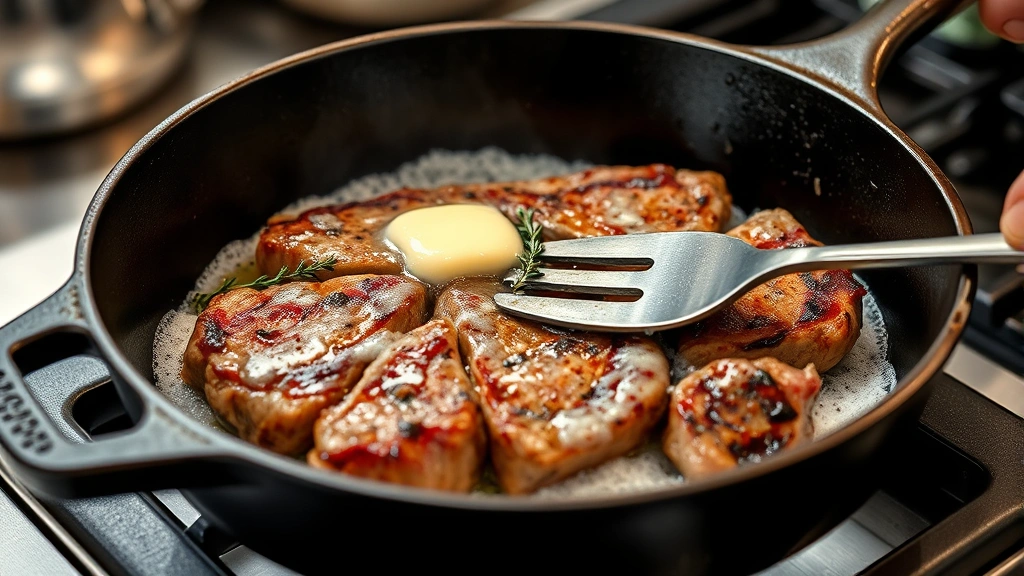
- Reduce heat to medium-high and add the butter, garlic, thyme, and rosemary sprigs around the steak. Tilt the pan so the butter pools toward the steak.
- Using a spoon, continuously baste the steak with the foaming butter mixture for 2-3 minutes. This adds incredible flavor and helps cook the top of the steak gently.
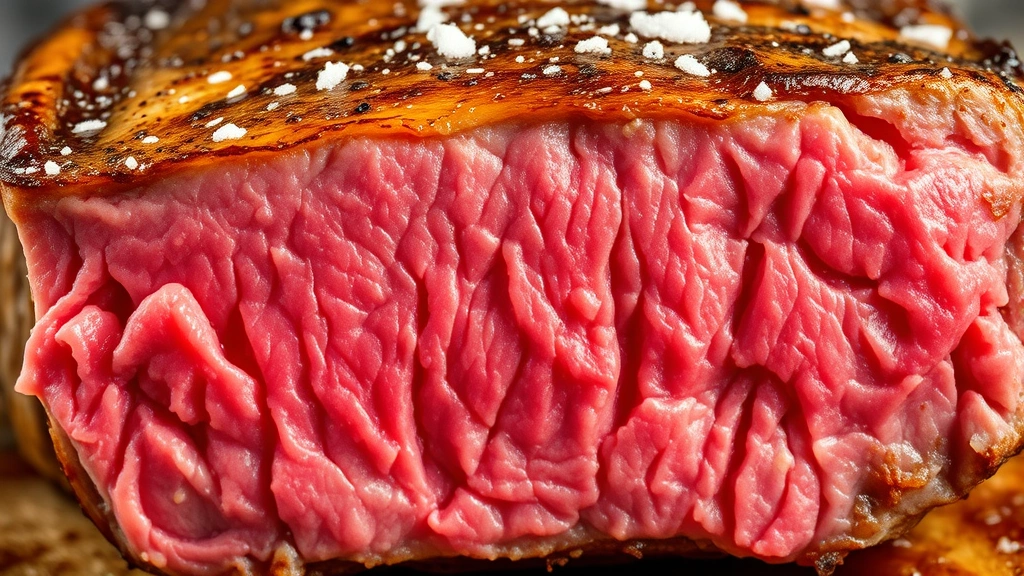
- Insert an instant-read thermometer into the thickest part of the meat, being careful not to touch bone. For medium-rare (the ideal temperature for porterhouse), look for 130-135°F. Remember that carryover cooking will raise the temperature another 5 degrees while the steak rests.
- Transfer the cooked steak to a warm plate and repeat the entire process with your second steak if cooking one at a time, or cook both simultaneously if your skillet is large enough.
- Once both steaks reach the correct temperature, transfer them to a warm plate and let them rest for 5-7 minutes. This is non-negotiable – resting allows the juices to redistribute throughout the meat rather than pooling on your plate.
- Finish with a pinch of sea salt flakes and fresh cracked pepper just before serving. Serve immediately while still warm, optionally drizzling with any pan juices.
Pro Tips
Don’t skip the drying step: Pat your steaks completely dry with paper towels. Moisture on the surface prevents proper browning and creates steam rather than a beautiful crust.
Pre-heat your skillet properly: Your pan should be hot enough that a drop of water immediately sizzles and disappears. This creates the Maillard reaction that develops flavor.
Use high-heat oil: Vegetable, canola, and avocado oils have high smoke points. Olive oil will burn at these temperatures and ruin your flavor profile.
Don’t move the steak while searing: Let it sit undisturbed for the full 3-4 minutes. Moving it prevents proper crust development. You should only flip once during the searing phase.
The bone is your friend: The bone conducts heat beautifully and adds flavor. It’s one reason porterhouses are so superior to boneless cuts.
Baste with butter and aromatics: This final step infuses the steak with incredible depth. The foaming butter, garlic, and fresh herbs create a restaurant-quality result.
Temperature matters: Use an instant-read thermometer for consistency. Rare is 120-125°F, medium-rare is 130-135°F, and medium is 140-145°F. Remember that carryover cooking continues after you remove the steak.
Resting is non-negotiable: Those 5-7 minutes of rest allow muscle fibers to relax and reabsorb juices. Cutting into an unrested steak causes all those delicious juices to run onto your plate instead of staying in the meat.
Quality matters: Buy from a reputable butcher if possible. A well-marbled, properly aged porterhouse makes an enormous difference in the final result.
Finish with sea salt flakes: The texture and flavor of finishing salt is noticeably different from table salt. It adds a professional touch and enhances the beef’s natural flavors.