
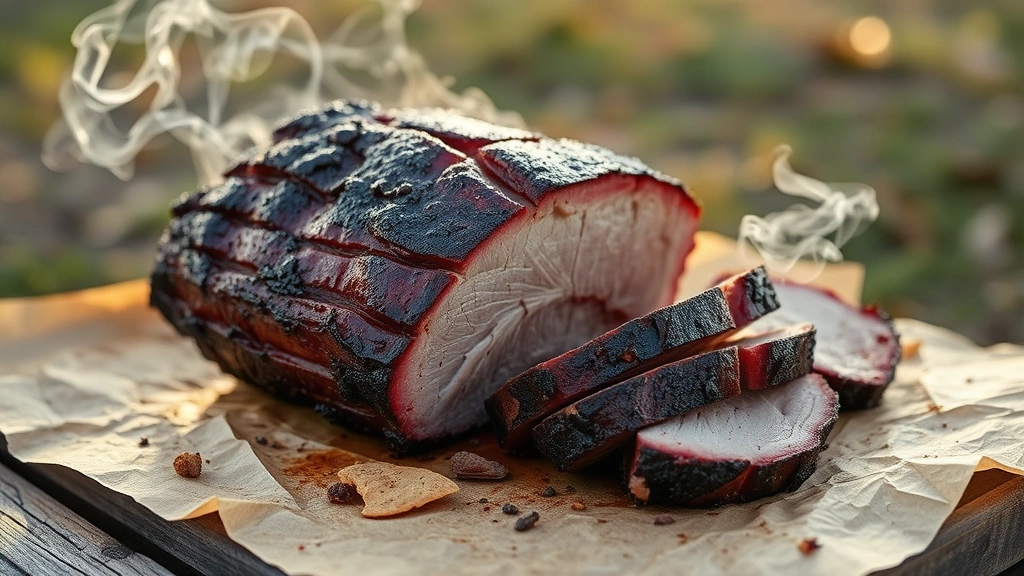
There’s something absolutely magical about smoking a brisket low and slow until it reaches that perfect tender, juicy perfection. This isn’t just any brisket recipe—this is the one that will have your guests asking for your secrets and coming back for more. I’ve spent years perfecting this technique, and I’m thrilled to share my tried-and-true method with you today.
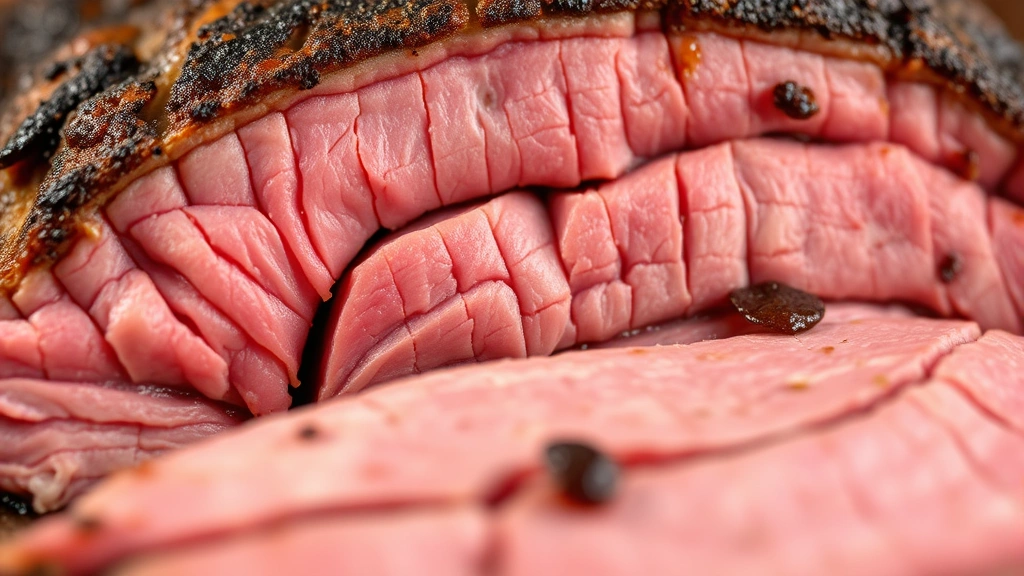
Smoked brisket is truly the crown jewel of barbecue. The combination of quality meat, the right spice rub, and patient smoking creates something that’s simply unforgettable. What makes this recipe the best is the balance of flavors, the perfect bark, and that incredible smoke ring that tells you everything has been done right. Whether you’re a seasoned pitmaster or this is your first time tackling a whole brisket, this guide will walk you through every step to ensure success.
The key to amazing smoked brisket starts with selecting a quality brisket with good marbling. You’ll want a packer cut (both the point and flat) that weighs between 12-16 pounds. The fat cap protects the meat during the long smoking process and keeps it moist and tender. I always let my brisket come to room temperature before it hits the smoker—this ensures even cooking throughout.
My signature dry rub is simple but powerful. It features brown sugar for sweetness and a beautiful caramelized bark, paprika for color and mild flavor, garlic and onion powders for depth, and a generous amount of coarse black pepper and kosher salt for that essential seasoning base. Some folks like to add cayenne for heat, but I prefer to let the natural flavors shine. You can find more complementary side dishes like pickled red onions to serve alongside your brisket for brightness and contrast.
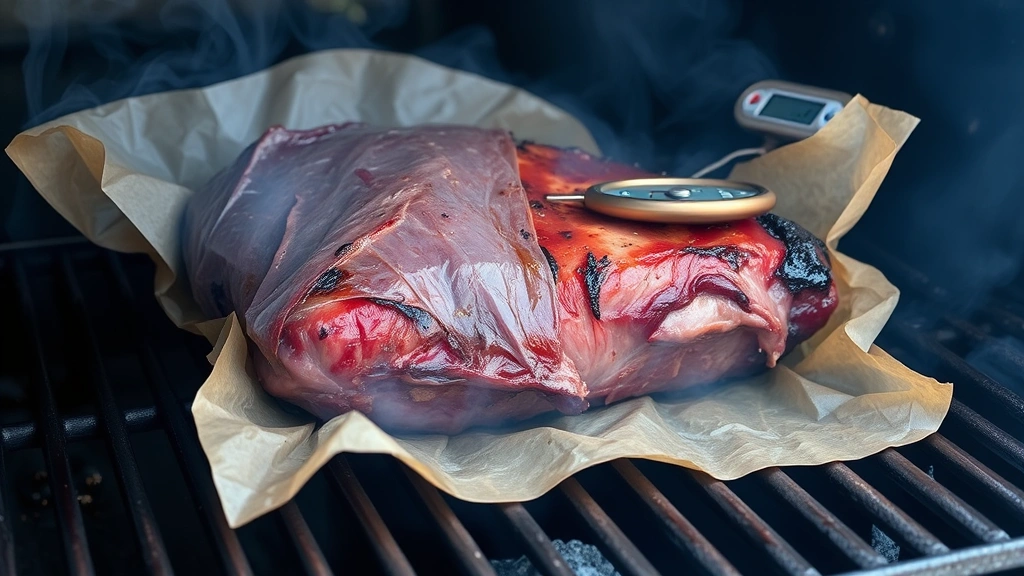
The smoking process requires patience and a steady temperature. I smoke at 225-250°F, using a combination of oak and hickory wood for that perfect smoky flavor without being overwhelming. The “Texas crutch” method—wrapping the brisket in butcher paper partway through—helps speed up the cook while still developing that beautiful bark. This technique has been a game-changer for consistent results.
Timing is everything with brisket. Plan for about 1 hour and 15 minutes per pound at 225°F. For a 14-pound brisket, you’re looking at roughly 17-18 hours total. I always use a meat thermometer to check for doneness rather than relying solely on time. When the thickest part of the flat reaches 203°F internal temperature and probes tender when pierced with a fork, you’re ready to rest.
The resting period is absolutely crucial and shouldn’t be skipped. Wrapping your finished brisket in towels and letting it rest in a cooler for at least one hour allows the juices to redistribute throughout the meat. This is what makes the difference between a good brisket and an absolutely spectacular one. If you slice too early, those precious juices will run right out onto your cutting board instead of staying in the meat.
For slicing, use a sharp brisket knife and cut against the grain. The flat and point have different grain directions, so you’ll need to pay attention to this. Thin, clean slices showcase all your hard work and create that perfect bite. Serve your sliced brisket on kraft paper with some quality barbecue sauce on the side for dipping.
This recipe pairs beautifully with traditional barbecue sides. Consider serving with cornbread, coleslaw, or a fresh chickpea salad for something lighter. The richness of the smoked brisket is complemented perfectly by acidic or fresh sides that balance the meal.
For more inspiration on smoking techniques and temperature management, check out Serious Eats’ comprehensive smoking guides. If you want to explore different barbecue flavor profiles, Bon Appétit offers creative takes on classic barbecue. And for detailed temperature and timing charts, The New York Times Cooking section has excellent resources.
I also love adding a beef injection to keep the brisket extra moist. This isn’t traditional, but it’s become part of my personal technique. A simple beef broth with butter, Worcestershire sauce, and a touch of hot sauce injected every few inches throughout the meat adds incredible depth and moisture.
Remember, smoking a brisket is as much art as it is science. Weather conditions, your specific smoker, and even the individual brisket will affect cooking time. Keep notes on what works for you, stay flexible, and most importantly—enjoy the process. There’s nothing quite like the satisfaction of pulling a perfectly smoked brisket off the smoker and seeing that beautiful smoke ring and bark. This recipe will become your go-to for impressing family and friends at every gathering.
Ingredients
- 1 whole brisket packer cut, 14-16 pounds (untrimmed)
- 1/4 cup coarse kosher salt
- 1/4 cup coarsely ground black pepper
- 3 tablespoons smoked paprika
- 3 tablespoons garlic powder
- 3 tablespoons onion powder
- 2 tablespoons brown sugar
- 1 tablespoon cayenne pepper (optional)
- 1 tablespoon mustard powder
- 1 cup beef broth
- 4 tablespoons unsalted butter
- 2 tablespoons Worcestershire sauce
- 1 tablespoon hot sauce
- Butcher paper for wrapping
- Oak and hickory wood chunks for smoking
- Barbecue sauce for serving
Instructions
- Remove brisket from refrigerator 2 hours before smoking to bring to room temperature. This ensures even cooking throughout the entire brisket.
- While brisket comes to temperature, prepare your smoker. Fill the water pan with hot water and arrange grates. Aim for a steady temperature of 225-250°F throughout the cook.
- Mix all dry rub ingredients in a small bowl: salt, pepper, paprika, garlic powder, onion powder, brown sugar, cayenne, and mustard powder. Stir until well combined.
- Pat brisket dry with paper towels, removing any excess moisture from the surface. This helps the rub stick better and promotes bark development.
- Apply dry rub generously to all sides of the brisket, massaging it into the meat. Don’t be shy—you want good coverage. Save about 2 tablespoons of rub for later if desired.
- Prepare beef injection by heating broth with butter, Worcestershire sauce, and hot sauce in a small saucepan until butter is melted. Let cool slightly, then draw into an injection syringe.
- Using the beef injection syringe, inject the brisket at 2-inch intervals throughout the entire brisket, especially into the thicker flat section. This adds moisture and flavor deep into the meat.
- Place prepared wood chunks in smoker, allowing them to smolder and create steady smoke. Aim for thin, consistent blue smoke rather than thick white smoke.
- Place brisket fat-side up on the smoker grates. Maintain smoker temperature between 225-250°F and monitor throughout the cook.
- Smoke for approximately 8-10 hours until the bark has formed and the brisket has taken on a deep mahogany color. At this point, insert a meat thermometer into the thickest part of the flat.
- When brisket reaches about 165°F internal temperature (usually around the 8-10 hour mark), remove it from the smoker and wrap tightly in butcher paper. This is the ‘Texas crutch’ technique.
- Return wrapped brisket to smoker and continue cooking at 225-250°F until the thickest part of the flat reaches 203°F. This typically takes another 6-8 hours.
- Check for doneness by inserting a probe thermometer or fork into the meat. It should slide through easily like butter with minimal resistance.
- Remove brisket from smoker and wrap in clean towels. Place in a cooler or insulated box and let rest for at least 1 hour, up to 2 hours. This critical step allows juices to redistribute.
- Remove brisket from cooler and place on a clean cutting board. Trim away excess fat if desired, leaving a thin layer for flavor.
- Using a sharp brisket knife, slice against the grain of the meat. The flat and point have different grain directions, so adjust your knife accordingly.
- Arrange sliced brisket on a serving platter lined with kraft paper. Serve immediately with barbecue sauce on the side for dipping.
Pro Tips
Temperature control is absolutely essential. Invest in a quality smoker thermometer and even consider a wireless remote thermometer so you can monitor temperature without opening the smoker repeatedly.
Don’t skip the resting period. This isn’t optional—resting allows carryover cooking to finish, allows the fibers to relax, and gives juices time to redistribute throughout the meat. A properly rested brisket will slice cleanly without falling apart.
The bark is the flavorful, crusty exterior that develops during smoking. If your bark isn’t forming well, you may need more smoke or your rub needs adjustment. The Texas crutch (wrapping in butcher paper) stops bark development, so if you want extra bark, wait longer before wrapping or skip wrapping altogether.
Wood selection affects flavor significantly. Oak is mild and versatile, hickory adds sweetness, and mesquite is strong and smoky. Mix and match based on personal preference, but avoid softwoods like pine or cedar which can impart bitter flavors.
Leftover brisket keeps in the refrigerator for up to 5 days in an airtight container. Slice and reheat gently with a bit of beef broth to maintain moisture. Brisket also freezes beautifully for up to 3 months.
If you’re cooking for a smaller crowd, you can use just the flat instead of a full packer, though the point has more fat and tends to be more forgiving. Reduce cooking time proportionally.
Don’t skip the beef injection if you want extra moist brisket. The combination of beef broth, butter, and Worcestershire adds incredible depth of flavor and helps maintain moisture during the long cook.
Keep a spray bottle with apple juice handy. Some pitmasters like to spritz the brisket every hour or two during the first phase of smoking to add moisture and prevent the bark from getting too hard.
Every smoker is different. Your first brisket may take longer or shorter than expected. Keep detailed notes on your times, temperatures, and results so you can replicate success in future cooks.