
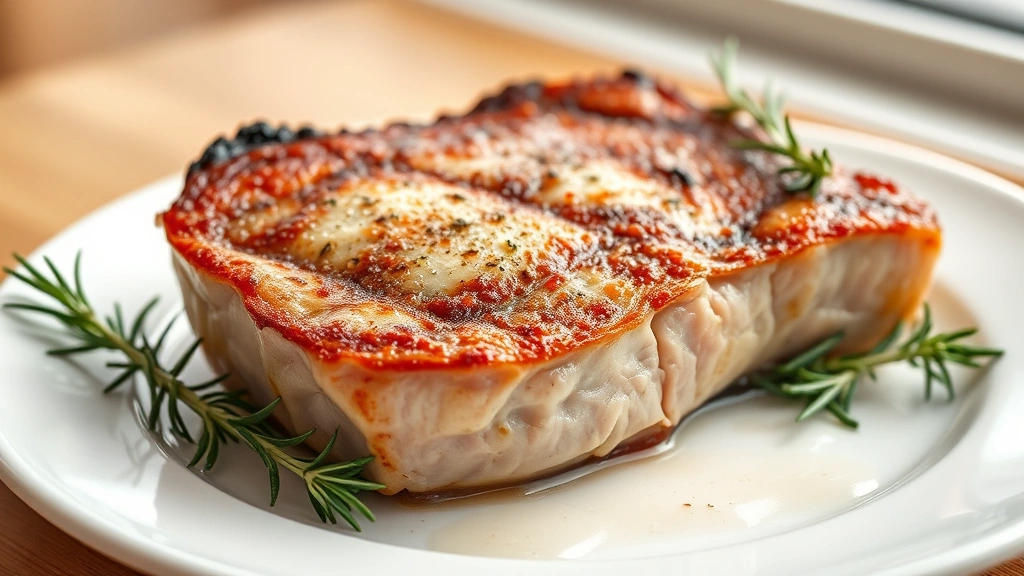
There’s something absolutely magical about a perfectly cooked bone-in pork chop—the kind that has a gorgeous golden crust on the outside while remaining tender and juicy on the inside. I’m talking about that restaurant-quality result that makes you wonder why you don’t cook pork chops more often. The secret? It’s all about respecting the meat, using proper technique, and not being afraid to get that pan really hot.
Bone-in pork chops are one of my favorite proteins to cook at home because they’re elegant enough for a dinner party yet simple enough for a weeknight meal. The bone adds so much flavor to the meat as it cooks, and it also helps the chop cook more evenly. Plus, there’s something inherently satisfying about picking up that bone and taking a bite—it just feels more indulgent and delicious.
This method combines a quick sear in a cast iron skillet with a gentle finish in the oven, ensuring that your pork chops are cooked through perfectly without drying out. I like to serve mine with bright, acidic sides like pickled red onions or shishito peppers to cut through the richness of the pork. You could also pair them with creamy sauces like alfredo sauce or even toss them with pasta in a bacon carbonara situation.
The beauty of this recipe is its simplicity—you really only need quality pork chops, salt, pepper, butter, and maybe some fresh herbs. But don’t let that fool you into thinking it’s boring. When you nail the technique, these humble ingredients transform into something truly spectacular. I’ve been making pork chops this way for years, and it never gets old.
What makes bone-in pork chops so superior to boneless? The bone acts as an insulator, protecting the meat from overcooking while allowing for better heat distribution. It also contributes collagen and marrow flavors that seep into the meat as it cooks. You’ll notice the difference immediately when you take that first bite. For the best results, look for chops that are at least 1.5 inches thick—this gives you a nice window of time to develop a crust without overcooking the interior. Check out Serious Eats for more in-depth pork cooking science if you want to geek out on the details like I do!
Ingredients
- 4 bone-in pork chops, 1.5 inches thick (about 8-10 oz each)
- Kosher salt
- Freshly ground black pepper
- 2 tablespoons neutral oil (vegetable or canola)
- 3 tablespoons unsalted butter
- 4 cloves garlic, smashed
- 4-5 fresh thyme sprigs
- 2-3 fresh rosemary sprigs
- 1/2 cup dry white wine or chicken broth (optional, for pan sauce)
- Fleur de sel for finishing (optional but recommended)
Instructions
- Remove your pork chops from the refrigerator 20-30 minutes before cooking. This is crucial because it allows them to come to room temperature, ensuring even cooking throughout. Pat them completely dry with paper towels—any excess moisture will prevent proper browning.
- Preheat your oven to 400°F. If you’re using a cast iron skillet, place it in the oven now so it gets screaming hot.
- Season both sides of your pork chops generously with kosher salt and freshly ground black pepper. Don’t be shy here—the seasoning should be visible on the surface. This is your only opportunity to properly season the meat before it’s seared.
- Heat your neutral oil in the cast iron skillet over medium-high heat until it’s shimmering and just barely smoking. You want it hot enough that the pork will sizzle aggressively the moment it hits the pan.
- Carefully place the pork chops into the hot skillet. Do not move them around—let them sit undisturbed for 3-4 minutes to develop a beautiful golden-brown crust on the first side.
- Flip the chops and sear the second side for another 2-3 minutes until it’s equally golden brown. The crust that forms is packed with flavor from the Maillard reaction.
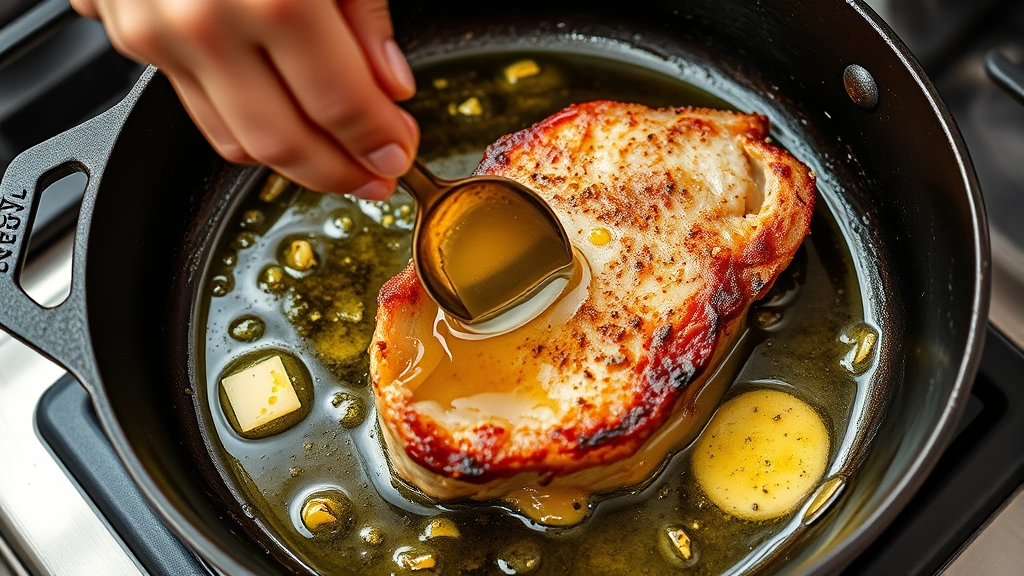
- Add the butter, smashed garlic, thyme, and rosemary to the skillet. Tilt the pan and use a spoon to baste the pork chops with the melted butter and aromatics. This adds incredible flavor and keeps the meat moist.
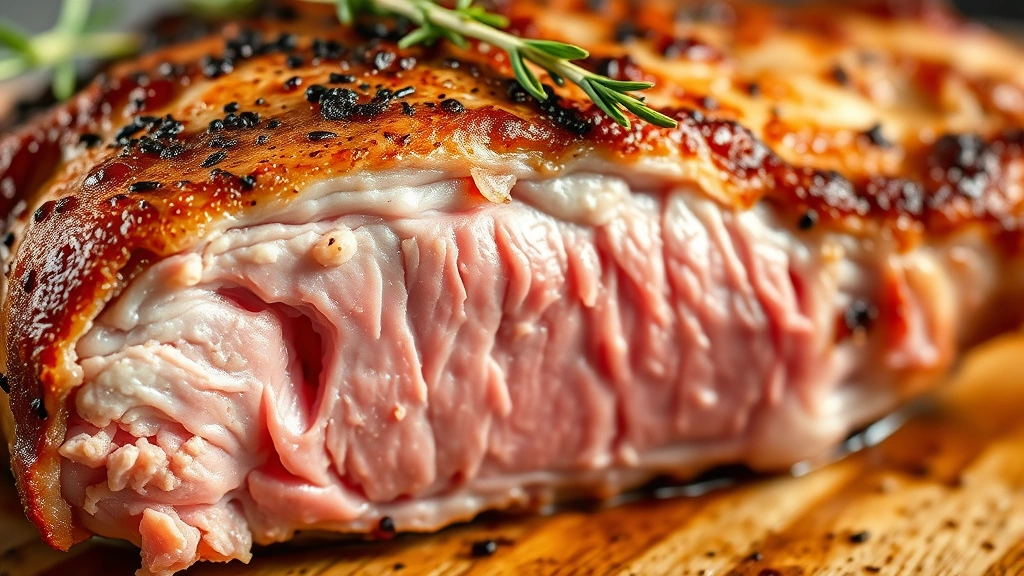
- Transfer the entire skillet to the preheated oven and bake for 5-7 minutes, depending on the thickness of your chops. The pork should reach an internal temperature of 145°F at its thickest point when measured with a meat thermometer.
- Remove from the oven and let the pork chops rest in the skillet for 3-4 minutes. This allows the juices to redistribute throughout the meat, ensuring maximum tenderness and juiciness.
- If you’d like to make a quick pan sauce, remove the pork chops and herbs to a plate, then deglaze the hot skillet with white wine or broth, scraping up all the browned bits. Simmer for 2-3 minutes until slightly reduced, then whisk in a tablespoon of cold butter to finish.
- Plate your pork chops, spoon any pan sauce over top, and finish with a sprinkle of fleur de sel if you have it. Serve immediately while hot.
Pro Tips
Thermometer is your friend: Pork is safe to eat at 145°F (63°C). Use an instant-read thermometer to check doneness without guessing. Overcooked pork becomes dry and sad, so don’t skip this step.
Bone-in versus boneless: Always choose bone-in when possible. The bone adds flavor, helps with even cooking, and honestly just tastes better. You’re paying for quality, so get the good stuff.
Cast iron is ideal: Cast iron retains heat exceptionally well and distributes it evenly. If you don’t have cast iron, a heavy stainless steel skillet works too, but avoid non-stick for this application.
Don’t skip the resting period: Those 3-4 minutes of rest after cooking are when the magic happens. The residual heat continues cooking the interior slightly while the juices settle. Cut into it too early and all those beautiful juices end up on your plate instead of in the meat.
Pan sauce options: Beyond wine, try using apple juice, apple cider vinegar, or even balsamic vinegar for different flavor profiles. Finish with a knob of cold butter for a silky sauce.
Seasoning timing: Season right before cooking, not hours ahead. Salt draws out moisture if left too long, though some chefs disagree. I prefer to season just before the pan for maximum crust development.
Meat selection: Look for chops with good marbling and a pink bone. Avoid anything that looks pale or has an off smell. Quality meat makes all the difference.
Leftovers: Pork chops are delicious cold the next day sliced thin and added to salads, or gently reheated in a low oven at 300°F until warmed through.