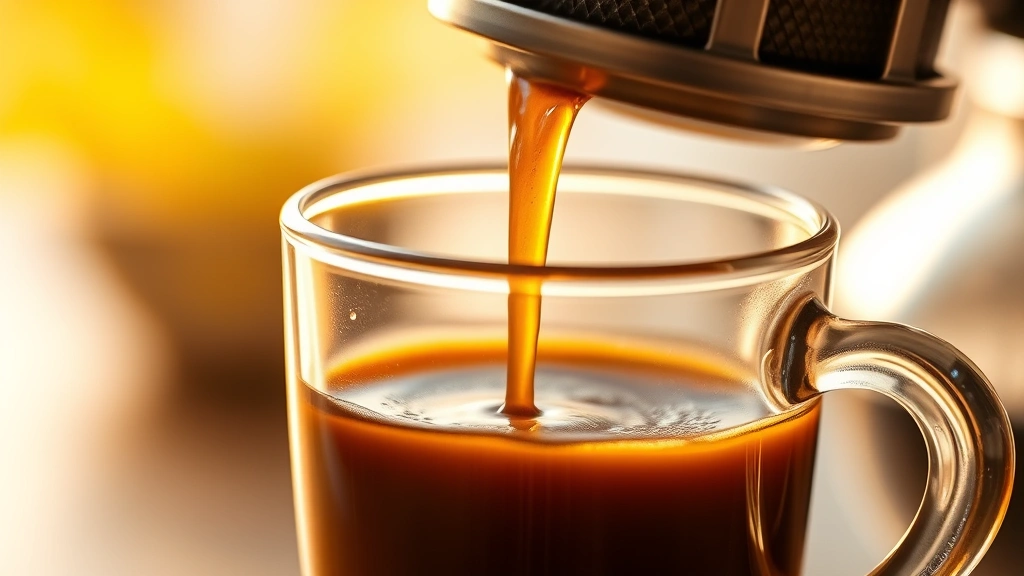
An aeropress recipe isn’t just about brewing coffee—it’s about unlocking a ritual of precision, flavor, and pure joy in your morning cup. Whether you’re a dedicated coffee enthusiast or someone just beginning to explore the world of specialty coffee brewing, mastering the Aeropress will transform how you think about your daily caffeine fix. This beloved brewing device, invented by Alan Adler in 2005, has revolutionized home coffee making by combining the best elements of espresso machines, French presses, and pour-over methods into one elegant, portable contraption.
What makes an aeropress recipe so special is its incredible versatility and consistency. Unlike some brewing methods that require years of practice to master, the Aeropress delivers café-quality coffee within minutes, even for beginners. The combination of immersion and pressure creates an exceptionally clean cup with bright, vibrant flavors that highlight the unique characteristics of your beans. I’ve been brewing with my Aeropress for years now, and I still get excited every morning when I hear that satisfying hiss of air pushing through freshly ground coffee.
Jump To Section
Why This Aeropress Recipe Method Works
The genius of the Aeropress lies in its simple yet sophisticated design. The device uses a piston mechanism to force hot water through finely ground coffee and a paper filter, creating a brewing process that’s faster than a French press but more forgiving than pour-over methods. This hybrid approach gives you the best of both worlds: the full-bodied richness you love and the clarity and cleanliness that makes specialty coffee so addictive. According to Serious Eats’ comprehensive coffee brewing guide, the Aeropress consistently ranks among the top methods for producing excellent coffee at home.
The five methods I’m sharing with you today represent different approaches to Aeropress brewing, each offering unique flavor profiles and brewing experiences. Whether you prefer the traditional method, the inverted technique, or one of the experimental approaches, you’ll discover that your aeropress recipe can be customized to match your taste preferences perfectly. The beauty of this brewing device is that there’s no single “right” way—there’s only the way that makes you happiest.
Essential Ingredients & Equipment Guide
Before diving into the specific brewing methods, let’s talk about what you’ll need for success. The foundation of any great aeropress recipe starts with fresh, quality coffee beans. I always recommend using beans roasted within the last two weeks for optimal flavor. Medium to medium-fine grounds work best, though you’ll find that different methods benefit from slight variations in grind size. Water temperature is crucial—aim for 195-205°F (90-96°C), which is hot enough to extract flavors fully but not so hot that it scorches delicate notes.
You’ll also need a reliable coffee grinder (burr grinders are essential for consistency), a gooseneck kettle for better control, and a kitchen scale for precise measurements. These tools might seem excessive, but they’re what separate good coffee from great coffee. The New York Times cooking section emphasizes that precision in coffee brewing is just as important as precision in baking, and I couldn’t agree more.
The Five Best Aeropress Recipe Methods Explained
The classic Aeropress method is what most beginners start with, and rightfully so. It’s intuitive, reliable, and produces consistently delicious results. The inverted method, where you flip the device upside down, allows for longer steeping time and often results in a bolder, more full-bodied cup. Then there’s the bypass method, perfect for those who prefer lighter, more tea-like coffees with exceptional clarity. The James Hoffmann method, named after the World Barista Champion, has become wildly popular for its attention to detail and exceptional results. Finally, the cold-brew-style approach using your Aeropress gives you a smooth, less acidic option that’s perfect for warmer months or for those with sensitive stomachs.
Each method takes between 2-4 minutes of active brewing time, making the Aeropress one of the fastest specialty coffee brewing devices available. This isn’t just convenient—it’s also forgiving, because shorter brew times mean less opportunity for over-extraction or other common brewing mistakes.
Pro Tips for Aeropress Coffee Success
After years of experimentation, I’ve discovered several game-changing tips that elevate every aeropress recipe. First, always rinse your paper filter with hot water before brewing—this removes any papery taste and preheats the device. Second, use filtered water if possible; mineral content in tap water can affect extraction and flavor. Third, don’t rush the grind: invest in a quality burr grinder and dial in your grind size specifically for your preferred method. Bon Appétit’s guide to coffee grinders offers excellent recommendations for different budgets and preferences.
Another crucial tip: keep your brewing water within that optimal temperature range. I use an inexpensive digital thermometer to ensure accuracy, and it’s made a noticeable difference in my coffee quality. Finally, experiment with different coffee-to-water ratios. The standard 1:16 ratio (1 gram coffee to 16 grams water) is a great starting point, but don’t be afraid to adjust based on your taste preferences. Some people love a stronger, more concentrated cup at 1:12, while others prefer a lighter brew at 1:18.
Storage, Serving & Coffee Enjoyment
The beauty of an aeropress recipe is that you’re making fresh coffee in small batches, so storage isn’t usually an issue. However, if you do brew more than you can immediately drink, transfer it to an insulated carafe to maintain temperature. Never reheat brewed coffee—the flavors deteriorate significantly. Instead, brew smaller quantities more frequently, or make a concentrate that you can dilute with hot water later.
Serve your Aeropress coffee immediately in warmed cups for the best experience. The moment the coffee exits the device, it begins to cool and oxidize, so timing matters. I love sipping my cup black or with just a touch of cream to fully appreciate the nuanced flavors I’ve worked to extract. For those who prefer milk-based drinks, an Aeropress actually makes an excellent concentrated coffee that’s perfect for lattes, cappuccinos, and other specialty beverages. The concentrated output works beautifully with steamed milk, creating café-quality drinks at home.
Store your Aeropress itself in a cool, dry place. The rubber seals will last longer if you keep the device disassembled and the plunger lightly oiled with food-grade silicone oil. With proper care, your Aeropress will provide excellent coffee for years to come. Many of my readers have been using the same device for over a decade, which speaks volumes about the durability and longevity of this simple but brilliant design.
Ingredients
- 15-17 grams freshly ground coffee (medium-fine grind)
- 200-220 grams filtered water (195-205°F / 90-96°C)
- 1 Aeropress paper filter
- Optional: pinch of sea salt to enhance flavor
- Optional: 1-2 ounces milk or cream
- Optional: 1 teaspoon honey or sweetener of choice
Instructions
- Insert a paper filter into the Aeropress filter cap and rinse with hot water to remove papery taste and preheat the device. Discard rinse water.
- Screw the filter cap onto the bottom of the Aeropress chamber and place on top of your cup or serving vessel.
- Measure out 15-17 grams of freshly ground coffee using a kitchen scale. The grind should resemble table salt—not too fine, not too coarse.
- Pour the ground coffee into the Aeropress chamber and create a small well in the center with your finger.
- Begin with a “bloom” phase: pour just enough hot water (about 50 grams) to saturate the grounds and let sit for 30 seconds. This allows gases to escape and improves extraction.
- Slowly pour the remaining hot water (approximately 150-170 grams total) in a circular motion over the grounds, filling the chamber to near the top. The entire pour should take about 30-45 seconds.
- Insert the plunger gently into the chamber without pressing down. Let the coffee steep for 1-1.5 minutes depending on your chosen method (shorter for lighter coffee, longer for fuller body).
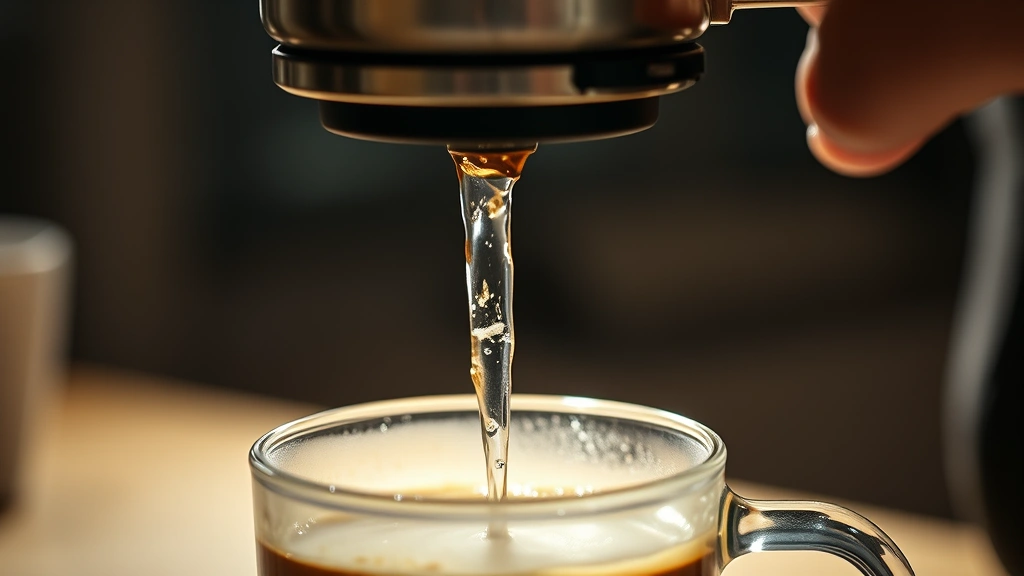
- Place a sturdy cup or carafe under the Aeropress. Using steady, even pressure, press down on the plunger slowly over 25-30 seconds until you hear a hissing sound, indicating the air has been fully expelled.
- Stop pressing when you hear the hiss—this is your signal that extraction is complete. Remove the Aeropress from your cup and serve immediately.
- Optional: dilute with hot water for a longer, lighter cup, or add milk and sweetener to taste. Enjoy while hot within the first few minutes.