
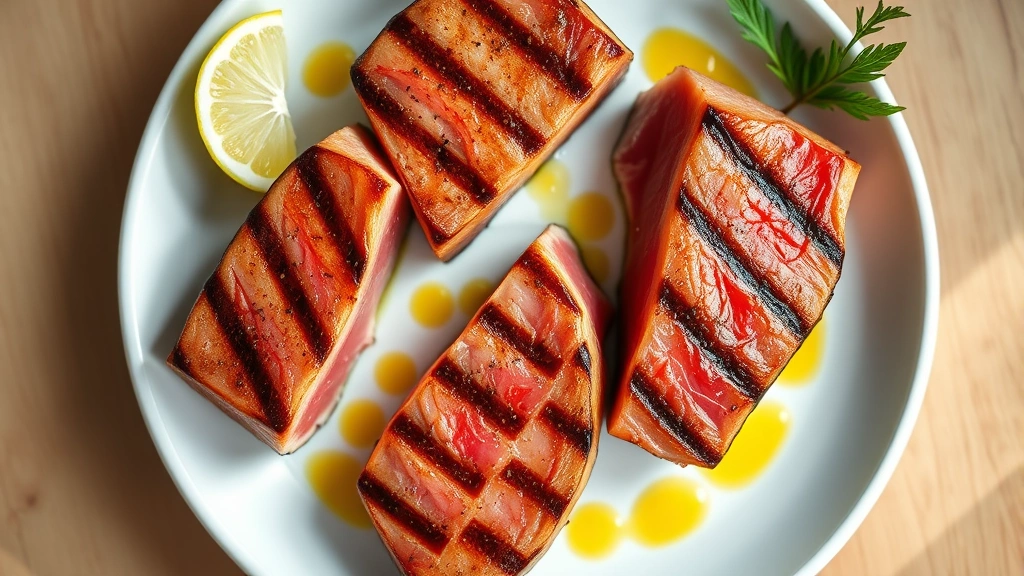
This ahi tuna recipe is an absolute game-changer for weeknight dinners when you want something that tastes restaurant-quality but comes together in just 15 minutes. I’m completely obsessed with how simple it is to create a stunning seared tuna dish that will have everyone at your table thinking you spent hours in the kitchen.
The magic happens when you start with sushi-grade ahi tuna and a screaming hot pan. You’ll get that gorgeous crust on the outside while keeping the inside perfectly pink and buttery. It’s the kind of dish that feels fancy enough for date night but easy enough for a Tuesday.
Jump To Section
Why This Recipe Works
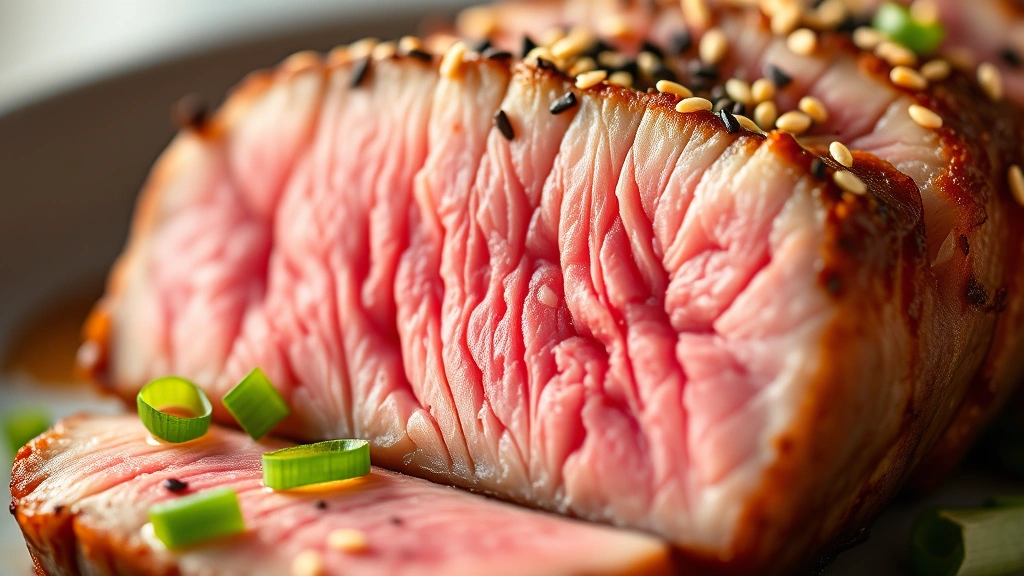
What makes this ahi tuna recipe so special is the contrast of textures and temperatures. The exterior gets a beautiful golden-brown sear in just minutes, while the center stays tender and practically melts on your tongue. High heat is truly your best friend here.
Additionally, the seasoning is intentionally minimal because quality ahi speaks for itself. A generous pinch of sea salt, cracked pepper, and a touch of sesame oil is all you need to let the fish’s natural flavor shine through. However, if you want to elevate it further, a quick soy-ginger glaze adds incredible depth without overpowering the delicate fish.
The beauty of this approach is that it respects the ingredient rather than masking it. For instance, I always source the absolute best ahi I can find from my fishmonger, and the minimal preparation honors that quality investment.
Ingredient Tips & Substitutions
When selecting your ahi tuna, look for bright red color with no dark brown spots or discoloration. The flesh should smell like the ocean—fresh and clean, never fishy or ammonia-scented. Always ask your fishmonger if the tuna is sushi-grade, which means it’s been flash-frozen to eliminate parasites and is safe to eat raw or barely cooked.
One pound of ahi typically yields four beautiful steaks that are about 1.5 inches thick. This thickness is crucial because you want time to develop that crust without overcooking the interior. If your fishmonger cuts thinner steaks, simply reduce the cooking time by a minute or two per side.
Meanwhile, the oil choice matters more than you’d think. I prefer a high-smoke-point oil like avocado oil or refined sesame oil because they can handle the intense heat without burning. Additionally, toasted sesame oil is wonderful for finishing, but it has a lower smoke point so save it for drizzling after cooking.
For serving alongside your seared tuna, consider pairing it with a fresh Thai cucumber salad recipe for a light, refreshing contrast. You could also create a complete Asian-inspired meal by serving it with Chinese salad recipe on the side.
Serving Suggestions & Flavor Pairings
This ahi tuna recipe is incredibly versatile when it comes to plating and presentation. Serve it sliced over a bed of sushi rice with avocado, cucumber, and pickled ginger for a poke bowl situation. Or keep it simple with just a squeeze of fresh lime and a sprinkle of fleur de sel for a more elegant presentation.
For a more substantial meal, pair your seared ahi with roasted asparagus and a creamy Oriental dressing recipe drizzled over mixed greens. The cool, crisp salad provides a beautiful textural contrast to the warm, buttery fish.
If you’re feeling adventurous, nestle your sliced ahi into crispy lettuce cups inspired by PF Chang’s lettuce wrap recipe style preparations. Add some sautéed mushrooms, green onions, and a drizzle of hoisin sauce for an interactive, fun dinner experience.
For something warm and comforting alongside your tuna, you might whip up a quick Tom Yum soup recipe as an appetizer course. The spicy, aromatic broth sets the perfect stage for your elegant seared ahi main course.
Storage & Reheating Tips
Here’s the honest truth: seared ahi is best enjoyed immediately while it’s still warm and the crust is at peak crispiness. However, leftover seared tuna will keep in an airtight container in the refrigerator for up to two days.
When you’re ready to enjoy your leftovers, slice the tuna thinly and serve it cold over a fresh salad, or quickly warm it in a 350°F oven for about 5 minutes just until it’s heated through. Don’t overdo the reheating or you’ll lose that beautiful pink center and end up with overcooked fish.
Alternatively, flake your leftover ahi and fold it into sushi rolls, toss it into a poke bowl with rice and veggies, or crumble it into a grain bowl for lunch the next day. The flaked texture actually works beautifully in these applications and prevents the “reheated fish” texture.
Pro Tips for Perfect Results
The single most important factor in this ahi tuna recipe is getting your pan hot enough. I mean seriously hot—almost smoking. Pat your fish completely dry with paper towels before it hits the pan, because any moisture will steam the tuna instead of searing it. This step alone makes the difference between a golden crust and a gray, overcooked exterior.
Don’t skip the resting period either. Once you’ve seared your tuna and removed it from heat, let it rest on a cutting board for 2-3 minutes. This allows the residual heat to gently finish cooking the very center while the outside stays beautifully rare.
Temperature control is key, so if you have a kitchen thermometer, aim for an internal temperature of 110-115°F for that perfect rare center. However, if you prefer your tuna cooked through, simply extend the cooking time to 2-3 minutes per side. The choice is entirely yours based on your preferences and comfort level.
Many professional chefs recommend seasoning your ahi right before cooking rather than in advance, as salt can draw out moisture and prevent proper searing. I’ve found this makes a noticeable difference in achieving that coveted golden crust.
For more detailed searing techniques, Serious Eats has excellent resources on high-heat cooking methods. You might also find New York Times Cooking’s tuna guides incredibly helpful for mastering different preparations. Additionally, Bon Appétit’s seafood section offers fantastic inspiration for elegant plating.
This ahi tuna recipe has become my go-to when I want to impress without stress. It’s proof that the best dishes don’t need to be complicated—just quality ingredients, proper technique, and a bit of confidence. Once you master this simple method, you’ll be making it again and again.
Ingredients
- 1 pound sushi-grade ahi tuna, cut into 4 steaks (about 1.5 inches thick)
- 2 tablespoons avocado oil or refined sesame oil
- 1 teaspoon sea salt
- 1/2 teaspoon freshly cracked black pepper
- 1 tablespoon toasted sesame oil (for finishing)
- 1 lime, cut into wedges
- 2 tablespoons low-sodium soy sauce (optional)
- 1 teaspoon fresh grated ginger (optional)
- 1 teaspoon honey (optional)
- Sesame seeds for garnish (optional)
- Fresh green onions, thinly sliced (optional)
Instructions
- Remove your ahi tuna steaks from the refrigerator about 5 minutes before cooking to bring them closer to room temperature, which ensures more even cooking.
- Pat the tuna steaks completely dry using paper towels—this is absolutely essential for achieving a proper sear and golden crust.
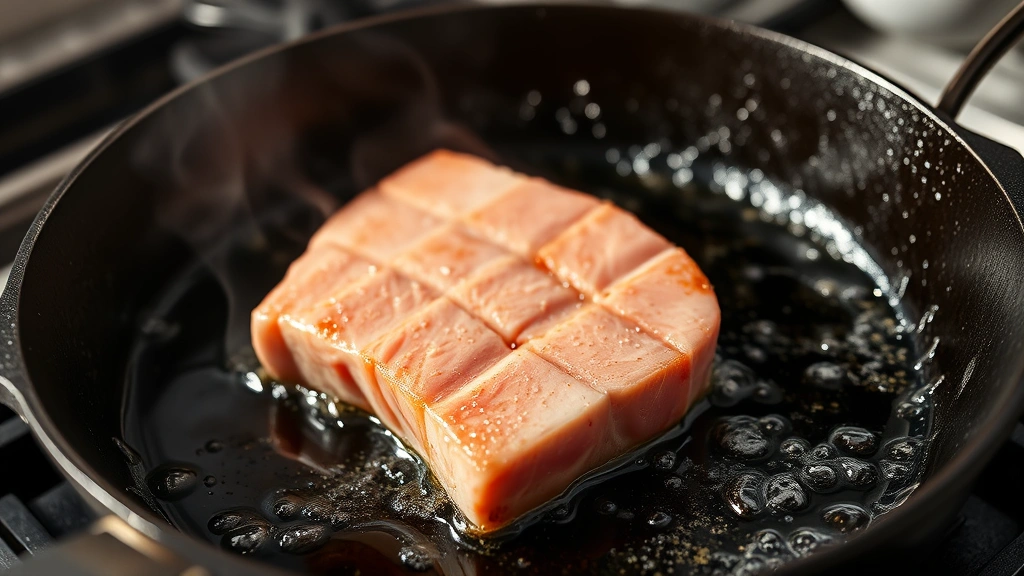
- Heat a cast-iron skillet or stainless steel skillet over high heat for about 3-4 minutes until it’s smoking hot. You want the pan to be as hot as possible.
- While the pan heats, combine the sea salt and cracked black pepper in a small bowl, then season both sides of each tuna steak generously just before cooking.
- Add the avocado oil or refined sesame oil to the hot pan and swirl it around to coat the surface evenly. The oil should shimmer immediately.
- Carefully place each tuna steak in the pan and resist the urge to move it. Let it sear for exactly 90 seconds to 2 minutes on the first side without touching it.
- Using tongs or a thin spatula, flip each steak carefully and sear the other side for another 90 seconds to 2 minutes for rare, or 2-3 minutes if you prefer it more cooked through.
- Remove the tuna steaks from the pan and place them on a clean cutting board to rest for 2-3 minutes. This is when carryover cooking happens and the center finishes gently.
- If making the optional ginger-soy glaze, whisk together the soy sauce, fresh grated ginger, and honey in a small bowl while the tuna rests.
- Drizzle each tuna steak with a small amount of toasted sesame oil and squeeze fresh lime juice over the top.
- If using the glaze, drizzle it over the seared tuna steaks in an elegant pattern.
- Garnish with sesame seeds and sliced green onions if desired, then serve immediately while the tuna is still warm.
Pro Tips
The most common mistake people make with this ahi tuna recipe is not getting the pan hot enough. Your skillet should be smoking—literally smoking—before the fish hits the surface. If it’s not hot enough, you’ll get a sad, gray exterior instead of that beautiful golden crust.
Pat your tuna completely dry before cooking. Any surface moisture will turn to steam and prevent searing. I usually pat mine three times with fresh paper towels to make absolutely sure.
Don’t flip your tuna more than once per side. Let it sit undisturbed for the full cooking time so it develops that gorgeous crust. Poking and flipping constantly will ruin the sear and dry out your fish.
For those who prefer their fish cooked more thoroughly, simply extend the cooking time to 2.5-3 minutes per side. You can also use a meat thermometer to check for your desired doneness: 110-115°F for rare, 120-125°F for medium-rare, and 130°F+ for medium or beyond.
If you’re concerned about food safety with rare tuna, rest assured that sushi-grade ahi has been flash-frozen at very low temperatures to eliminate parasites. It’s completely safe to eat raw or barely cooked. Always ask your fishmonger specifically for sushi-grade ahi to ensure it meets these safety standards.
Leftover seared tuna keeps in the refrigerator for up to two days in an airtight container. Cold, sliced tuna is wonderful over salads or in sushi rolls. Alternatively, you can briefly warm it in a 350°F oven for about 5 minutes, though it’s truly best enjoyed fresh.
The optional ginger-soy glaze is wonderful but not necessary. If you do use it, prepare it while your tuna rests so it’s ready to drizzle immediately upon plating. The flavors meld beautifully and add an extra layer of sophistication to the dish.
For extra flavor, consider marinating your tuna in a mixture of soy sauce, sesame oil, and ginger for 15-30 minutes before cooking. However, pat it dry before searing or it won’t develop that crucial crust.
This recipe scales easily for larger parties. Simply multiply the ingredients and use multiple skillets if needed to avoid crowding the pan. Each steak needs its own space to sear properly.