
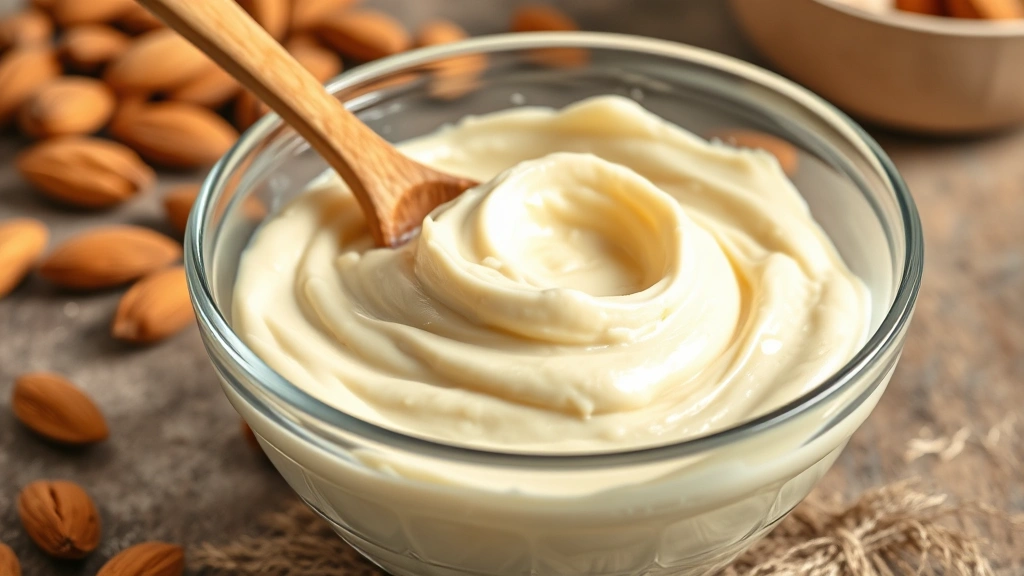
Making an almond paste recipe at home is genuinely one of the easiest kitchen projects you can tackle, and the results are so much better than store-bought. In just five minutes, you’ll have silky, fragrant almond paste that transforms your baking and cooking in ways you never expected. This isn’t some complicated technique that requires special equipment—just almonds, a food processor, and a little patience.
I first discovered how simple this was while experimenting with homemade fillings for pastries. The moment I tasted fresh almond paste compared to the jarred version, everything changed. That pure, intense almond flavor is impossible to replicate any other way. Now I make batches regularly and keep them on hand for everything from cookies to fancy pastries.
Jump To Section
What makes homemade almond paste so special is the control you have over texture and sweetness. Store-bought versions often contain additives and stabilizers that affect both flavor and how the paste behaves in recipes. When you make it yourself, you know exactly what’s going in. Plus, there’s something deeply satisfying about creating such a versatile ingredient from scratch.
Why This Recipe Works
The magic happens because blanched almonds are naturally high in oils. When you process them in a food processor, those oils release gradually, turning the dry nuts into a creamy paste without any added liquid. It’s pure alchemy in a bowl. The key is patience and the right blade technique—rushing this step can result in chunky, separated paste instead of the smooth consistency you want.
Blanched almonds are essential here because they give you that beautiful pale color and refined texture. If you use unblanched almonds, you’ll end up with a darker paste with a slightly different flavor profile. Both work, but blanched almonds create that classic almond paste appearance that bakers expect. Additionally, the sugar adds just enough sweetness to balance the almonds’ slight bitterness while keeping the paste shelf-stable.
The small amount of salt enhances the almond flavor dramatically. However, if you’re using this in sweet applications where you’ll be adding more sweetness, you can reduce the salt slightly. For instance, some bakers prefer to make a plain version without sugar and add it later depending on their recipe needs. This approach gives you maximum flexibility in the kitchen.
Ingredient Tips & Substitutions
Sourcing quality almonds makes a real difference in the final product. Look for fresh, fragrant blanched almonds from reputable sources. If your almonds have been sitting in your pantry for over a year, they may have lost some flavor potency. Tasting one before committing to a full batch is always smart—fresh almonds should taste sweet and buttery, never rancid or stale.
You can absolutely customize this recipe based on your needs. Some people add a tiny bit of almond extract for extra intensity, though I prefer letting the almonds shine on their own. Others incorporate a small amount of honey or maple syrup instead of granulated sugar for a different flavor dimension. Powdered sugar creates an even finer texture if you prefer something ultra-smooth.
For those with dietary restrictions, this base recipe is naturally gluten-free and vegan-friendly. You might also enjoy pairing this with fresh salads—check out this Perfect Easter Salad Recipe which pairs beautifully with almond-based dressings, or explore this Best Waldorf Salad Recipe that actually benefits from homemade almond paste additions.
How to Achieve Perfect Texture
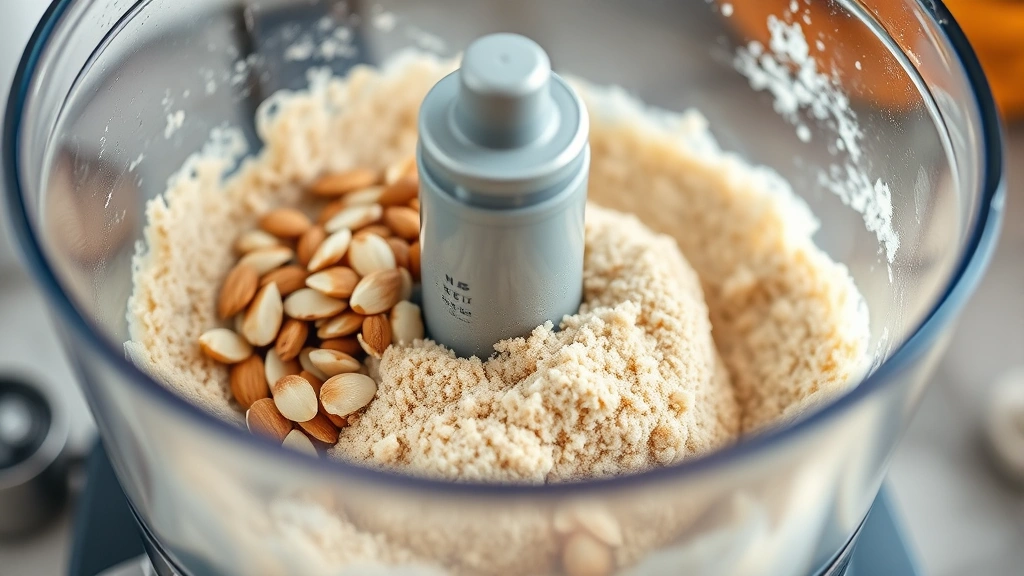
The processing journey is fascinating to watch. First, you’ll see the almonds break into smaller pieces with a sandy texture. Continue processing, and they’ll become finer and finer. Around the two-minute mark, you’ll notice clumping as the natural oils begin releasing. This is exactly what you want—keep going even though it looks like it might separate.
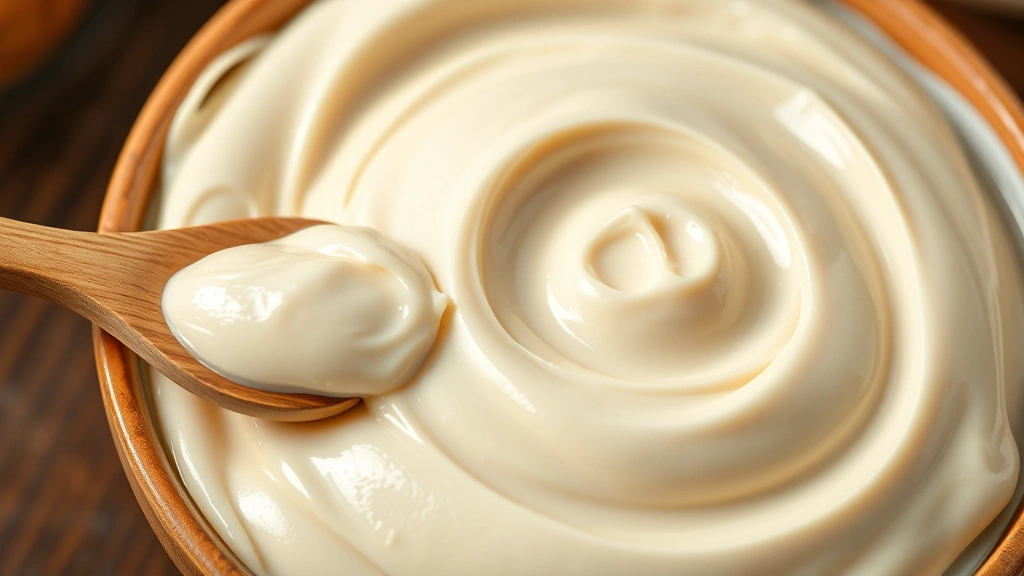
Patience during the final stages is crucial. The paste will look almost grainy before suddenly becoming silky and smooth. This transformation happens gradually between minutes three and five. Scraping down the bowl occasionally helps ensure even processing. The moment your paste reaches that creamy, spreadable consistency is when you can stop—overdoing it won’t hurt, but you’ve achieved perfection.
If your paste seems slightly oily and separated after processing, don’t worry. Sometimes this happens naturally with very fresh, high-oil almonds. Simply let it rest in the refrigerator for an hour, and the oils will redistribute. Alternatively, you can fold in a tablespoon of powdered sugar to help bind everything together more smoothly.
Serving Suggestions & Uses
This almond paste works beautifully in countless applications. Spread it on toast with jam for an elegant breakfast. Swirl it into brownies or chocolate cakes for luxury flavor. Use it as a filling for cookies, macarons, or pastries. The versatility is genuinely remarkable once you have a batch made.
For savory applications, you can make almond-based sauces and dressings that elevate simple salads into something restaurant-worthy. Whisk some almond paste with olive oil, vinegar, and herbs to create a creamy dressing. This Italian Dressing Pasta Salad Recipe could be reinvented with an almond paste base for a unique twist. Meanwhile, traditional pasta dishes benefit from almond paste additions—try it with Easy Tortellini Pasta Salad Recipe for an unexpected flavor boost.
Bakers also use almond paste for marzipan, almond cakes, and French macarons. It’s the secret ingredient in many Mediterranean desserts. You might even discover that adding it to your favorite Perfect Ravioli Pasta Dough Recipe creates a sophisticated filling option you never considered before.
Storage & Make-Ahead Tips
Homemade almond paste keeps remarkably well when stored properly. Keep it in an airtight container in the refrigerator for up to three weeks. The cool temperature slows any oil oxidation and maintains the best flavor and texture. For longer storage, freeze almond paste in ice cube trays, then transfer the frozen cubes to freezer bags for up to three months.
One of the best parts about making this recipe is batch-making. Prepare several jars at once and store them throughout your week. This way, you always have quality almond paste ready for spontaneous baking projects. Thawing is simple—just let it come to room temperature before using, or use it straight from the fridge depending on your recipe.
Label your containers with the date so you remember when you made them. Fresh almond paste has the most vibrant flavor, though it remains perfectly usable throughout its storage window. You’ll notice it stays fresher longer than store-bought versions because you’re not dealing with preservatives or additives.
For inspiration on how almond paste transforms other recipes, explore these external resources: Bon Appétit features numerous almond paste applications, while Serious Eats offers technical baking insights. The New York Times Cooking section has wonderful almond-forward recipes worth exploring as well.
Making your own almond paste recipe is genuinely transformative for any home baker or cook. The quality difference is immediate and noticeable in everything you create. Once you’ve experienced homemade almond paste, you’ll find yourself making it regularly and wondering why you ever relied on store-bought versions. The five-minute investment pays dividends in flavor, freshness, and the simple joy of creating something so fundamentally delicious from scratch.
Ingredients
- 2 cups (200g) blanched almonds, raw or lightly roasted
- 1/2 cup (100g) granulated sugar
- 1/4 teaspoon fine sea salt
- 1/2 teaspoon almond extract (optional)
Instructions
- Add the blanched almonds to a food processor fitted with the metal blade attachment.
- Process the almonds for about 2 minutes, stopping to scrape down the sides of the bowl with a spatula.
- Add the granulated sugar and salt to the processor with the almonds.
- Continue processing, scraping down the sides every 30 seconds, until the mixture transforms into a smooth, creamy paste (about 2-3 more minutes total).
- If using almond extract, add it during the final minute of processing and mix until fully incorporated.
- Transfer the finished almond paste to an airtight container and store in the refrigerator until ready to use.
Pro Tips
Processing time can vary depending on your food processor’s power and the moisture content of your almonds. Some high-powered machines finish in three minutes total, while standard processors may need closer to five minutes. Don’t rush this step—the gradual release of natural oils is what creates that silky texture.
If your almond paste looks slightly separated or oily after processing, this is completely normal with very fresh almonds. Simply refrigerate for an hour and the oils will redistribute naturally. Alternatively, pulse in one tablespoon of powdered sugar to help bind everything together more evenly.
For a less sweet version, reduce the sugar to 1/4 cup. This works wonderfully if you plan to use the almond paste in savory applications or if you’ll be adding additional sweetness in your final recipe. Conversely, for a sweeter paste better suited to candy-making or frosting applications, increase the sugar to 3/4 cup.
Make sure your almonds are truly blanched (skins removed) for the classic pale appearance. Unblanched almonds will create a darker paste with the skins visible, which affects both appearance and slightly changes the flavor profile. Both versions taste delicious, but blanched almonds produce that refined look most bakers expect.
Storage is straightforward—keep almond paste in airtight containers in the refrigerator for up to three weeks. For longer storage, freeze in ice cube trays, then transfer frozen cubes to freezer bags for up to three months. Thaw at room temperature before using, or use directly from the fridge depending on your recipe requirements.
This recipe scales beautifully if you want to make larger batches. Simply multiply all ingredients proportionally and process in batches if your food processor has capacity limitations. Making multiple jars at once means you’ll always have fresh almond paste ready for spontaneous baking projects throughout your week.