
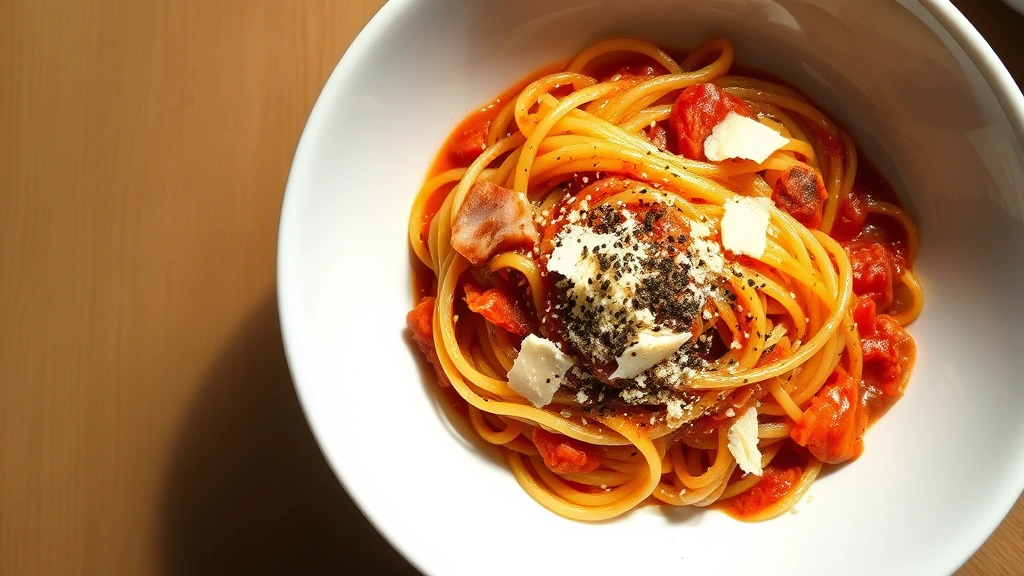
An amatriciana recipe is one of those magical Italian dishes that proves you don’t need hours in the kitchen to create something absolutely stunning. This classic Roman pasta comes together in just 30 minutes, yet tastes like you’ve been simmering it all day long.
I fell in love with amatriciana during a trip to Rome, where I watched a nonna in a tiny trattoria toss together guanciale, tomatoes, and pecorino Romano with the kind of confident simplicity that only comes from making something a thousand times. She barely looked at what she was doing, yet somehow created the most incredible bowl of pasta I’d ever tasted. When I came home, I was determined to recreate that magic in my own kitchen, and I’m thrilled to share this authentic approach with you.
Jump To Section
Why This Recipe Works
The beauty of an amatriciana recipe lies in its restraint. There are no cream sauces, no complicated techniques—just four simple ingredients that somehow transform into pure comfort. Guanciale (cured pork jowl) is the star here, rendering its rich fat to create an incredible base. The tomatoes need nothing more than heat and time to break down into a silky sauce.
What makes this different from other tomato sauces is the balance. The salty, porky guanciale plays against the bright acidity of San Marzano tomatoes. The pecorino Romano adds a sharp, peppery note that ties everything together. Meanwhile, black pepper isn’t just a seasoning—it’s a crucial ingredient that gives the sauce its characteristic bite.
Additionally, the pasta water is your secret weapon. That starchy liquid emulsifies the sauce and helps it cling beautifully to each strand. This is why authentic Italian cooking always reserves pasta water before draining.
Ingredient Tips & Substitutions
Finding guanciale can be tricky, but it’s worth seeking out. Check your local Italian market or order online from specialty retailers. However, if guanciale truly isn’t available, pancetta or bacon works as a backup—though the flavor won’t be quite as authentic and distinctive. The key is that rendered fat, which should be generous and fragrant.
San Marzano tomatoes are the gold standard for this recipe. They have lower acidity and fewer seeds than other varieties, which means a smoother, more elegant sauce. For instance, if you can’t find them fresh, canned San Marzano tomatoes are actually preferable to fresh tomatoes that aren’t in season. Look for tomatoes packed in their own juice rather than puree.
Pecorino Romano is non-negotiable here—don’t substitute Parmigiano-Reggiano, which is milder and won’t provide that sharp, salty punch the dish needs. Freshly grated cheese makes an enormous difference in texture and flavor. You might also consider trying our best penne rosa recipe if you want a cream-based variation on classic Roman pasta.
Black pepper should be freshly ground—and generously applied. This isn’t a dish where you sprinkle pepper delicately. The sauce should have a noticeable peppery warmth that builds as you eat.
The Cooking Process
Start by cutting your guanciale into small dice, about the size of a pea. You want pieces small enough to distribute throughout the pasta but large enough that you get little bursts of rich, salty flavor. Place them in a cold skillet before turning on the heat. This method allows the fat to render slowly and gently, rather than splattering everywhere.
Cook over medium heat until the guanciale is crispy and the fat is completely rendered. This takes about 8-10 minutes. The rendered fat should be fragrant and have taken on a golden color. Remove the crispy pieces with a slotted spoon and set aside, leaving the fat in the pan—that’s liquid gold for your sauce.
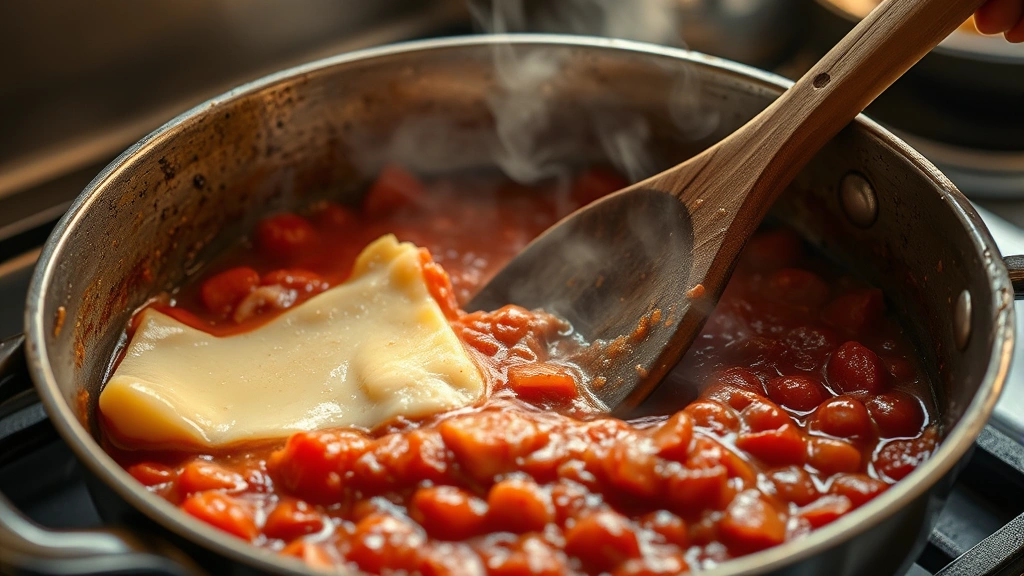
Add your tomatoes to the hot fat and crush them with the back of a spoon. Let this simmer for about 15 minutes, stirring occasionally. The sauce should reduce slightly and become deeper in color. This is also a perfect time to get your pasta water boiling and your pasta cooking.
When your pasta is just shy of al dente, reserve a cup of starchy pasta water before draining. Return the pasta to the pot and pour in the tomato sauce along with the crispy guanciale. Toss everything together, adding pasta water as needed to create a silky consistency. The sauce should coat the pasta, not pool at the bottom.
Serving Suggestions
Serve amatriciana immediately, while everything is hot and the sauce is glossy. Grate fresh pecorino Romano over each bowl and finish with a generous crack of black pepper. A simple green salad makes the perfect accompaniment—try our best romaine salad recipe with a drizzle of perfect oil and vinegar salad dressing for a complete Italian meal.
For a heartier dinner, consider pairing this with crusty bread for soaking up every last drop of sauce. A crisp white wine—perhaps a Pinot Grigio or Vermentino—cuts through the richness beautifully. If you’re in the mood for more Italian pasta dishes, explore our best lemon pasta recipe for a lighter option.
Storage & Make-Ahead Tips
Amatriciana sauce actually improves after a day or two in the refrigerator, as the flavors continue to meld and deepen. Store the sauce separately from the pasta in an airtight container for up to four days. When you’re ready to serve, gently reheat the sauce in a pan with a splash of water to restore its silky consistency.
You can also freeze the sauce for up to three months. However, I recommend cooking the pasta fresh rather than reheating cooked pasta, which tends to become mushy. The beauty of this recipe is that even though it takes 30 minutes start to finish, most of that time is passive simmering, so making it fresh is genuinely convenient.
If you’re meal prepping, make the sauce in advance and store it properly. Then, when you’re ready for dinner, simply cook fresh pasta and toss it all together. This approach gives you restaurant-quality results on even your busiest weeknight.
For additional inspiration on authentic Italian pasta dishes, check out Serious Eats’ Italian cooking section or New York Times Cooking for more traditional Roman recipes.
This amatriciana recipe has become my go-to when I want something special without the stress. It’s proof that the best cooking often comes from respecting simple, quality ingredients and letting them shine. Every time I make it, I’m transported back to that little Roman trattory, and I hope it does the same for you.
Ingredients
- 6 ounces guanciale, cut into small dice
- 1 pound fresh or canned San Marzano tomatoes
- 1 pound spaghetti or bucatini pasta
- 2 ounces pecorino Romano cheese, finely grated
- 2 teaspoons freshly ground black pepper
- Salt to taste
- Pasta water for sauce consistency
Instructions
- Place diced guanciale in a cold skillet and set over medium heat. Cook for 8-10 minutes, stirring occasionally, until the guanciale is crispy and the fat is fully rendered. The pieces should be golden brown and fragrant.
- Using a slotted spoon, remove the crispy guanciale and set aside on a paper towel. Leave the rendered fat in the skillet.
- Add the tomatoes to the hot fat and crush them with the back of a wooden spoon. Stir in the black pepper and let the sauce simmer for 15 minutes, stirring occasionally, until it reduces and deepens in color.
- While the sauce simmers, bring a large pot of salted water to a rolling boil. Add the pasta and cook until just shy of al dente, about 1-2 minutes less than package directions.
- Before draining the pasta, reserve 1 cup of starchy pasta water in a measuring cup or liquid measure.
- Return the drained pasta to the pot and pour in the tomato sauce along with the crispy guanciale. Toss everything together over low heat.
- Add pasta water gradually, about a quarter cup at a time, tossing constantly until the sauce becomes silky and coats each strand of pasta. You may not need all the reserved water.
- Divide the amatriciana among four bowls. Grate fresh pecorino Romano generously over each serving and finish with another crack of freshly ground black pepper. Serve immediately while hot.
Pro Tips
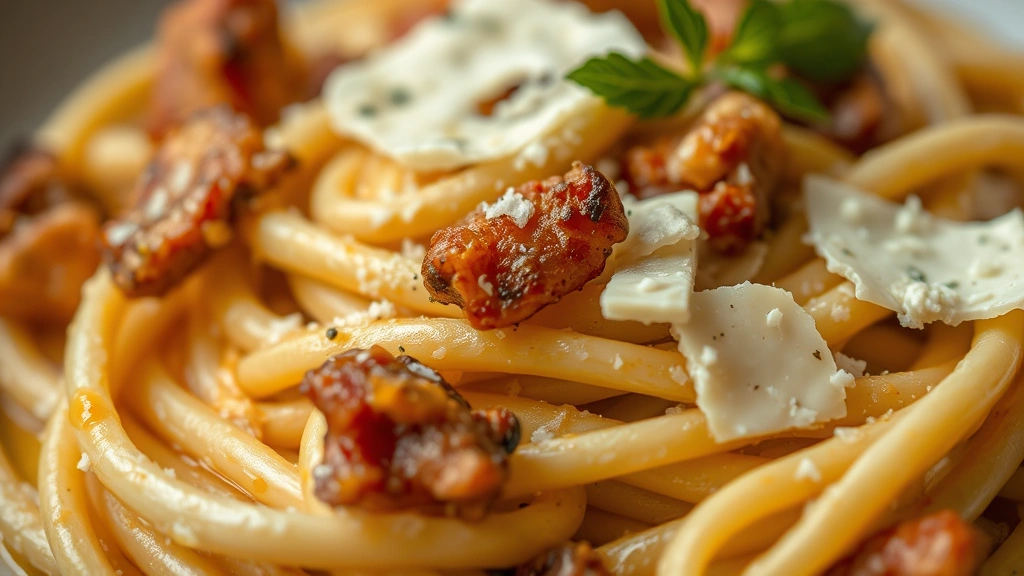
The key to authentic amatriciana is not rushing the guanciale. Let it render slowly over medium heat so the fat becomes clear and flavorful rather than burnt or sputtering. This foundational step makes all the difference in the final dish.
San Marzano tomatoes are truly worth seeking out for this recipe. Their natural sweetness and low acidity create a sauce that tastes balanced and refined. If using canned tomatoes, look for whole peeled tomatoes rather than crushed, as you’ll crush them yourself during cooking for better texture control.
Pasta water is genuinely essential here—don’t skip it. The starch in the water emulsifies with the fat and creates a silky sauce that clings to the pasta. This is fundamental Italian cooking technique that transforms the dish from good to extraordinary. Add it gradually and stop once you achieve the right consistency.
For substitutions, pancetta works if guanciale is unavailable, though the flavor will be milder and less distinctive. Bacon is a last resort option. Additionally, if you can’t find pecorino Romano, aged Parmigiano-Reggiano can work in a pinch, though it won’t provide quite the same sharp, salty bite.
The black pepper should be assertive and noticeable. This isn’t a delicate dish—the pepper is as much an ingredient as the tomatoes and guanciale. Freshly ground black pepper from a grinder tastes vastly superior to pre-ground pepper.
Cooking pasta to just shy of al dente is crucial since it finishes cooking slightly when tossed with the hot sauce. Overcooked pasta becomes mushy and won’t have the pleasant bite that makes Italian pasta special. Trust your timing and start tasting a minute or two before the package directions suggest.
This recipe scales beautifully for larger crowds. For every additional serving, use 4 ounces guanciale, 5 ounces tomatoes, 4 ounces pasta, and 0.5 ounces pecorino Romano. The cooking time remains essentially the same since everything cooks quickly.