
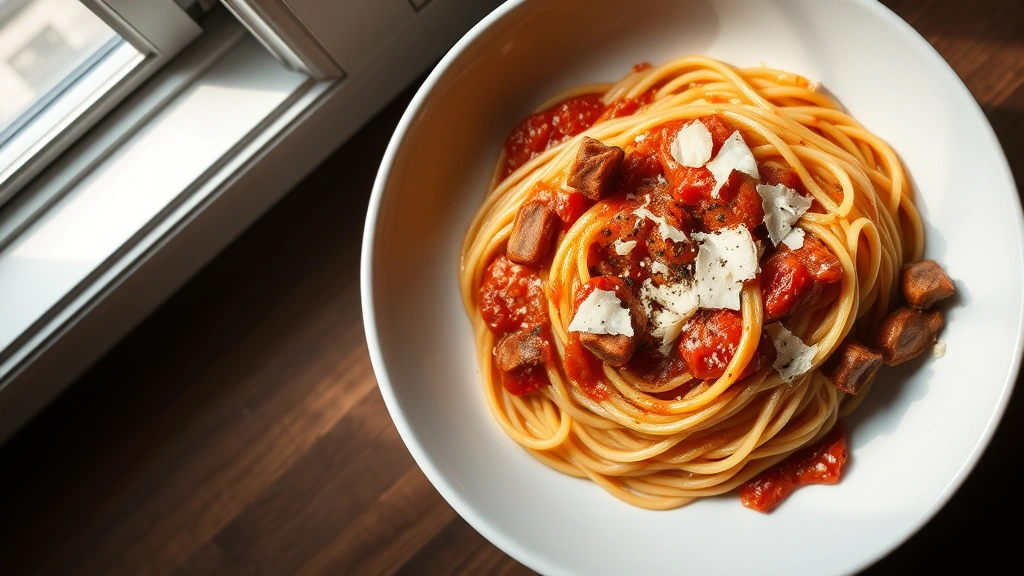
An authentic amatriciana sauce recipe is one of those magical Italian dishes that proves you don’t need complicated techniques or a long ingredient list to create something absolutely extraordinary. This traditional Roman pasta sauce comes together in just 20 minutes, yet tastes like it’s been simmering all day. The beauty of amatriciana lies in its simplicity—just guanciale, tomatoes, pecorino Romano, and a touch of heat—combined in perfect harmony.
I first fell in love with this sauce during a cooking trip through Rome, where I watched a nonna in a tiny trattoria whip it up with the kind of ease that comes from making the same dish a thousand times. She taught me that amatriciana isn’t about fancy techniques; it’s about respecting each ingredient and knowing when to let them shine. That lesson changed how I approach cooking forever.
Jump To Section
Why This Recipe Works
The secret to an incredible amatriciana sauce recipe is understanding what makes each component essential. Guanciale—cured pork jowl—provides a richness and depth that regular bacon simply can’t match. When rendered slowly, it creates a flavor foundation that transforms humble canned tomatoes into something restaurant-worthy.
The pecorino Romano cheese isn’t just a garnish; it’s integral to the sauce itself. Its sharp, salty bite cuts through the richness of the guanciale and creates an emulsion when tossed with the hot pasta water. This isn’t fancy cooking—it’s Roman cooking, passed down through generations for good reason. Additionally, the red pepper flakes add just enough heat to keep things interesting without overwhelming the delicate balance of flavors.
What makes this sauce special is the technique of finishing the pasta directly in the sauce. Unlike other spaghetti sauce recipes, amatriciana relies on the starch from pasta water to bind everything together into a silky, cohesive sauce. This is why timing matters—you want to add the pasta while it’s still hot, allowing those starches to work their magic.
Ingredient Tips & Substitutions
Finding authentic guanciale can be tricky depending on where you live. If your local Italian market doesn’t carry it, many specialty butchers and online retailers ship it nationwide. However, if you absolutely cannot find guanciale, pancetta is your next best option—it won’t be quite the same, but it will still deliver wonderful flavor and texture.
For the tomatoes, San Marzano canned tomatoes are traditional and worth seeking out. They have fewer seeds, thinner skins, and a naturally sweeter flavor than other varieties. Meanwhile, if you have access to fresh tomatoes at peak season, you can absolutely use them—just crush about 2 pounds of ripe tomatoes and proceed as written.
Pecorino Romano is non-negotiable in an authentic amatriciana sauce recipe, so don’t substitute it with Parmesan. The sharp, almost briny quality of pecorino is what makes this sauce distinctly Roman. That said, if you have a dairy allergy, a hard aged cheese made from sheep’s milk alternatives exists, though traditional amatriciana truly calls for the real thing.
How to Achieve Perfect Texture
One of the most common mistakes people make with amatriciana is either cooking the guanciale too quickly or not rendering it enough. You want those crispy bits to be truly golden and fragrant, but not burnt. This takes patience—give it a solid 8-10 minutes over medium heat, stirring occasionally.
The tomatoes should break down into a sauce that coats the back of a spoon, but it shouldn’t be thick and pasty. For instance, if your sauce seems too thin after 10 minutes, let it simmer a bit longer. If it’s too thick, splash in a little more pasta water. The consistency should be somewhere between a light coating and a proper sauce—fluid enough to cling to each strand of spaghetti.
Temperature is crucial when finishing the dish. The pasta should go straight from the boiling water into the sauce while everything is piping hot. This is what creates that signature creamy, emulsified texture that makes people think there’s cream involved—spoiler alert, there isn’t any. The magic comes entirely from pasta starch and cheese.
Serving Suggestions & Pairings
Traditionally, amatriciana is served with spaghetti or bucatini—those thin, round pastas that catch the sauce beautifully in every bite. Bucatini is actually more authentic, with its hollow center that allows sauce to flow through it. However, if you only have spaghetti on hand, it works wonderfully.
This sauce pairs exceptionally well with a crisp white wine like Pinot Grigio or a light red like Barbera. The acidity in the wine cuts through the richness of the guanciale while complementing the tomato flavors. For a non-alcoholic option, sparkling water with a squeeze of lemon is surprisingly refreshing alongside this rich sauce.
Beyond pasta, you can get creative with leftover amatriciana. Spoon it over creamy polenta, toss it with fresh egg noodles, or use it as a base for baked pasta dishes. I’ve even spread it on pizza before topping with fresh mozzarella—it’s spectacular.
Storage & Make-Ahead Tips
The beauty of an amatriciana sauce recipe is that it actually improves after a day or two in the refrigerator. The flavors meld and deepen, making it perfect for meal prep. Store the cooled sauce in an airtight container for up to 5 days, or freeze it for up to 3 months.
Here’s a pro tip: freeze the sauce without the cheese. This way, when you reheat it, you can add fresh pecorino Romano, which maintains its sharp, bright flavor better than cheese that’s been frozen. Reheat gently over medium-low heat, stirring occasionally, and add a splash of pasta water if it seems too thick.
If you’re planning ahead for a dinner party, you can render the guanciale and prepare everything except the final cooking of the sauce up to 2 hours before serving. Keep the guanciale and its fat in a covered bowl at room temperature, then proceed with cooking when guests arrive. This way, everyone gets the sauce at its absolute best.
For those exploring other Italian pasta preparations, you might enjoy trying a sun-dried tomato pasta recipe or learning how to make Italian dressing pasta salad for lighter occasions. Additionally, if you’re interested in Italian cuisine beyond pasta, exploring Zuppa Toscana offers wonderful insights into traditional Italian flavor profiles.
I also recommend checking out Bon Appétit’s Italian pasta collection and Serious Eats’ pasta sauce guide for additional inspiration. The New York Times Cooking section also features excellent variations on classic Roman sauces that pair beautifully with amatriciana.
What I love most about this amatriciana sauce recipe is how it connects us to centuries of Roman cooking tradition. When you’re standing at your stove, hearing the guanciale sizzle and watching the tomatoes break down into glossy sauce, you’re participating in something timeless. That’s the real magic here—not fancy equipment or hard-to-find ingredients, but respect for simplicity and tradition. Make this sauce, serve it with love, and watch how something so straightforward becomes absolutely unforgettable.
Ingredients
- 6 ounces guanciale, diced into small cubes
- 1 (28-ounce) can San Marzano tomatoes, crushed by hand
- 1/2 teaspoon red pepper flakes, or to taste
- 1 pound spaghetti or bucatini
- 1 cup freshly grated pecorino Romano cheese, divided
- Kosher salt and freshly ground black pepper, to taste
- Fresh pasta water (reserved from cooking pasta)
Instructions
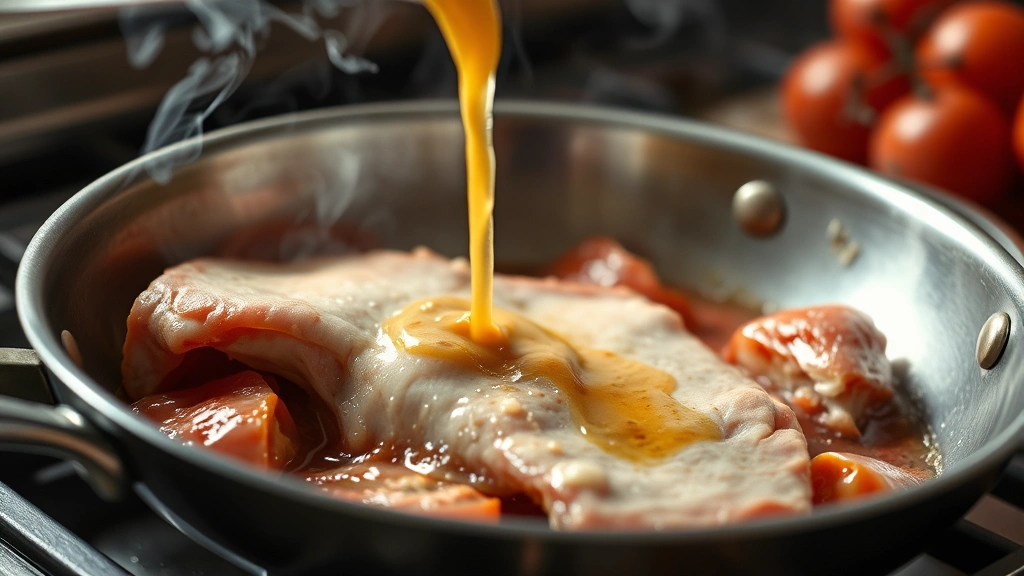
- Dice the guanciale into small cubes, about 1/4-inch pieces. Place a large skillet over medium heat and add the guanciale. Cook, stirring occasionally, for 8-10 minutes until the fat renders and the pieces are golden and crispy. You should hear a gentle sizzle and smell that incredible cured pork aroma—that’s how you know it’s perfect.
- Add the red pepper flakes to the rendered guanciale and cook for just 30 seconds, stirring constantly, to bloom the spice and release its flavor. Be careful not to burn it, as this can make it taste bitter.
- Pour in the crushed San Marzano tomatoes along with their juice. Stir well, breaking up any large chunks. Bring the sauce to a gentle simmer and let it cook, uncovered, for 10 minutes. The sauce should reduce slightly and become more concentrated in flavor. Taste and season with salt and pepper as needed—remember that the pecorino Romano is quite salty, so be conservative here.
- While the sauce simmers, bring a large pot of salted water to a rolling boil. The water should taste like the sea—this is your only opportunity to season the pasta itself. Add the spaghetti or bucatini and cook according to package directions until al dente, usually about 9-11 minutes. Reserve at least 1 cup of pasta water before draining.
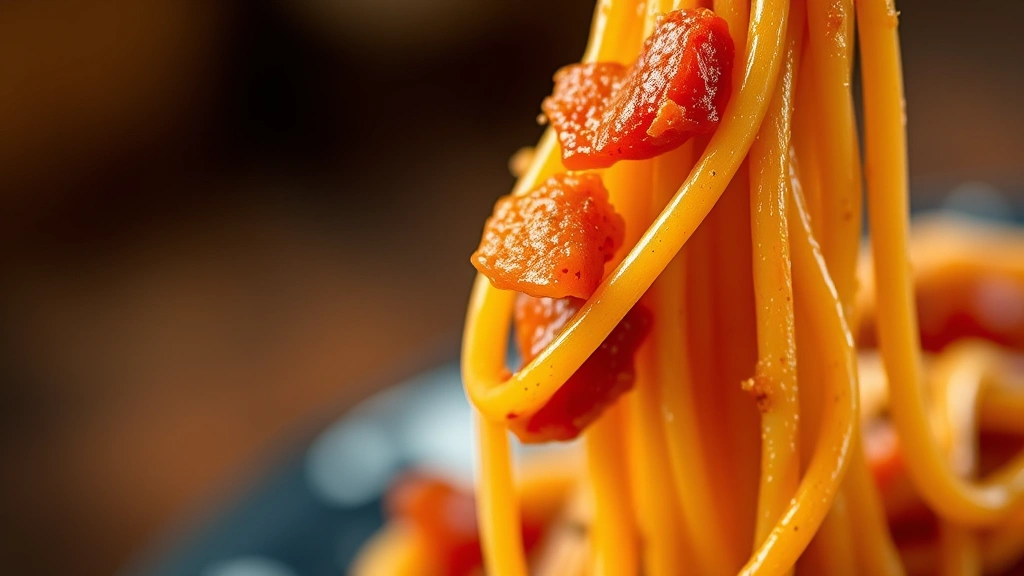
- Add the hot, drained pasta directly to the simmering sauce. Toss gently but thoroughly, allowing the pasta to absorb the sauce. This is where the magic happens—the starch from the pasta water will help create a silky sauce. If the mixture seems too dry, splash in a bit of the reserved pasta water, a few tablespoons at a time, until you reach the desired consistency.
- Remove the skillet from heat and add 3/4 cup of the freshly grated pecorino Romano cheese. Toss everything together quickly, allowing the residual heat to melt the cheese and create a glossy, creamy sauce. The key is working quickly before everything cools down.
- Divide the pasta among four warm bowls and serve immediately. Top each serving with a generous portion of the remaining pecorino Romano cheese. A crack of fresh black pepper on top adds a nice finishing touch. Serve right away while everything is hot and the sauce is at its silkiest.
Pro Tips
The most important element of an amatriciana sauce recipe is finding authentic guanciale. This cured pork jowl is available at most Italian specialty markets and many online retailers. If you absolutely cannot find it, pancetta is your backup plan, though it won’t quite capture that distinctive guanciale flavor. Never substitute with regular bacon—the cure is different and will throw off the entire balance of the dish.
San Marzano tomatoes matter more than you might think. These tomatoes, grown in the volcanic soil near Mount Vesuvius, have fewer seeds and a naturally sweeter flavor than other canned varieties. They’re worth seeking out in the international aisle of most grocery stores or online. However, if you’re working with what you have, quality crushed or whole tomatoes from any reputable brand will still yield delicious results.
The pasta water is non-negotiable in this recipe. It contains starch that emulsifies with the fat and cheese to create that signature silky sauce. This is why you should never rinse your pasta or use a colander to drain it completely. Simply lift the pasta from the pot using tongs or a pasta fork, allowing some water to cling to the noodles as you transfer them to the sauce.
Timing is everything here. The entire sauce should come together in about 15 minutes from start to finish. This quick cooking time is part of what makes amatriciana so elegant—it’s restaurant-quality but achievable on a busy weeknight. Don’t feel tempted to let the sauce simmer for 30 minutes or longer, as the tomatoes will break down too much and lose their fresh quality.
For storage, allow the sauce to cool completely before transferring to an airtight container. It keeps beautifully in the refrigerator for up to 5 days and freezes well for up to 3 months. Interestingly, many cooks find that the flavors actually deepen and improve after a day in the fridge, making this a great option for meal prep. Reheat gently over medium-low heat, adding a splash of water or broth if needed to restore the creamy consistency.
This sauce pairs beautifully with simple side dishes. A fresh green salad with lemon vinaigrette, some crusty bread for soaking up extra sauce, or roasted vegetables all complement the richness of amatriciana without overwhelming it. The key is letting this magnificent sauce be the star of the show.