
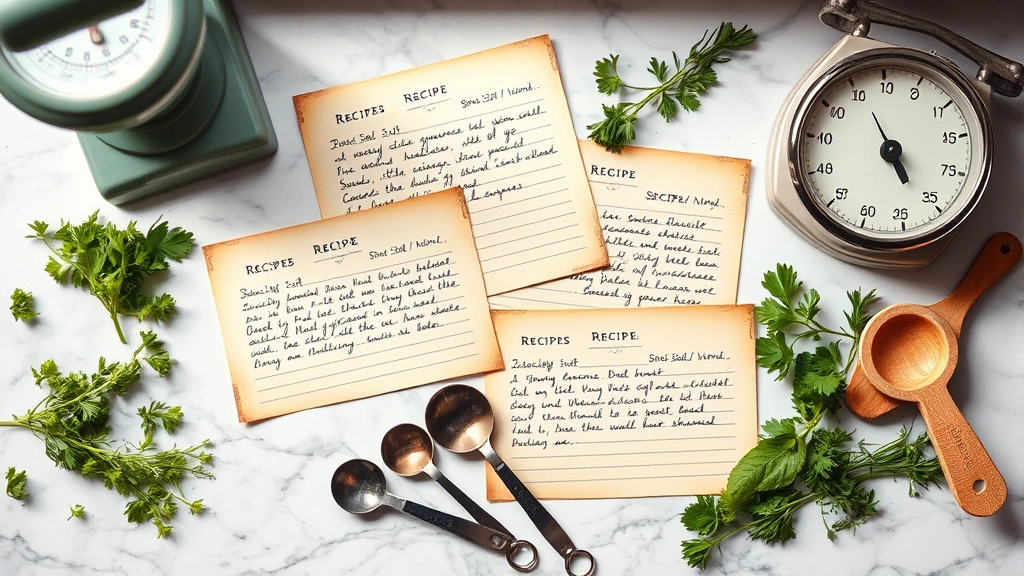
An ambiguous recipe amount crossword puzzle might seem like a quirky kitchen challenge, but it’s actually the perfect gateway into understanding how professional cooks interpret vague measurements and make magic happen in the kitchen. Whether you’re staring at a vintage recipe that says “a pinch” of salt or trying to decode what “some butter” really means, learning to solve these culinary mysteries transforms you from a confused home cook into a confident kitchen problem-solver.
I discovered the joy of deciphering ambiguous measurements while helping my grandmother organize her handwritten recipe collection. She’d written things like “enough flour to make it right” and “butter the size of a walnut,” which drove me absolutely crazy at first. But then something clicked: these weren’t mistakes or lazy notation. They were shortcuts developed by someone who’d made the dish a hundred times and didn’t need precise measurements anymore.
Jump To Section
What Makes Recipe Amounts Ambiguous?
Ambiguous recipe measurements come from several sources. Older recipes, especially those passed down through families, often rely on visual cues and feel rather than exact volumes. Additionally, many traditional recipes use descriptive language like “a handful,” “a splash,” or “cook until golden” instead of tablespoons and degrees.
Cultural cookbooks frequently embrace ambiguity because seasoning preferences vary wildly from household to household. For instance, one family’s “a pinch of salt” might be very different from another’s. Meanwhile, professional chefs sometimes write recipes assuming home cooks have intuition and experience they may not actually have.
The beauty of understanding these ambiguous measurements is that you gain the confidence to adapt recipes to your own preferences. You’re not just following orders; you’re thinking like a chef, making decisions based on visual and sensory cues rather than blind obedience to a recipe.
Decoding Common Ambiguous Measurements
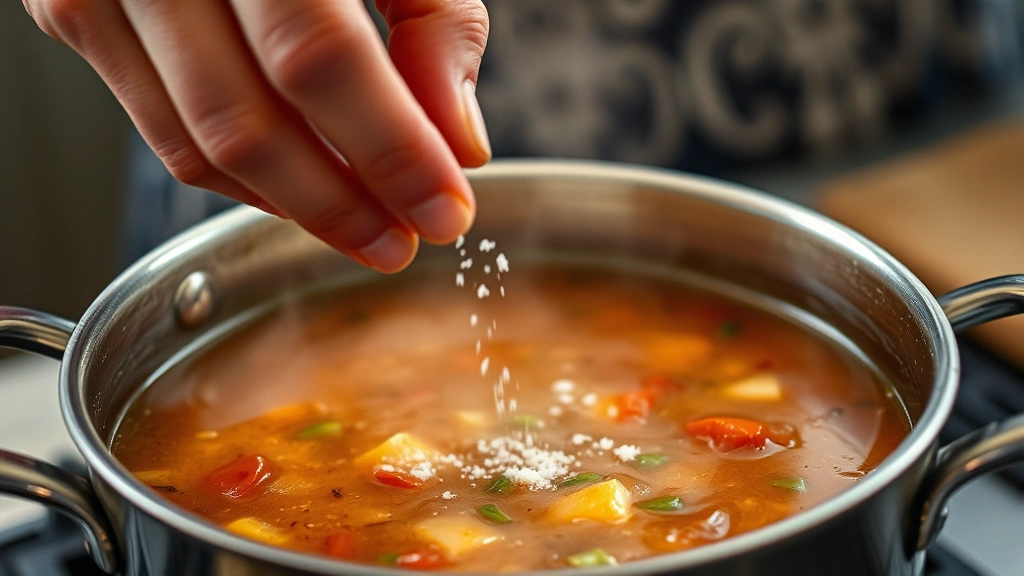
Let’s break down the most common vague measurements you’ll encounter. A “pinch” typically equals about 1/16 teaspoon, though honestly it varies by hand size. A “dash” is slightly larger, roughly 1/8 teaspoon, while a “smidge” falls somewhere in between (yes, these are real culinary terms).
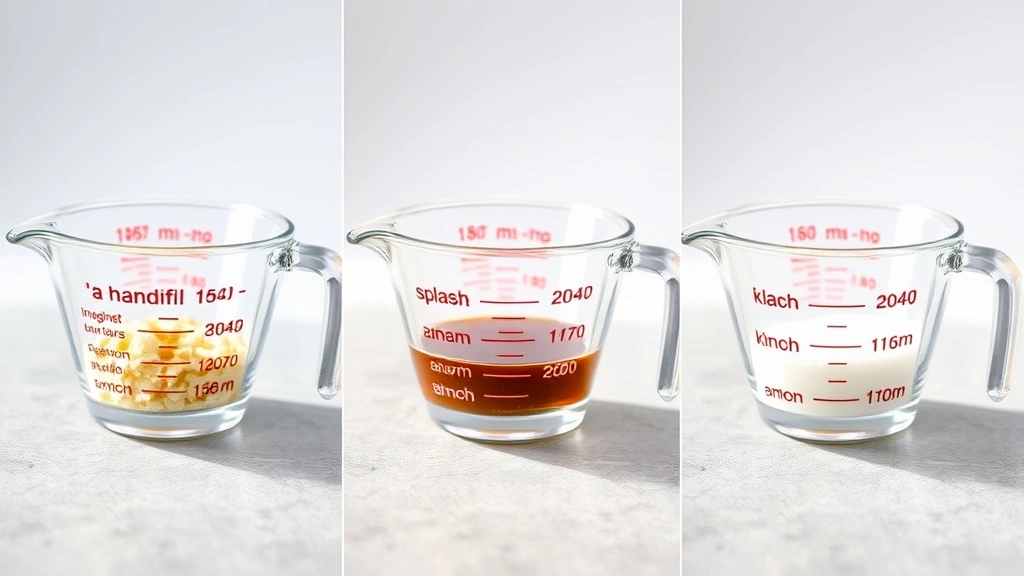
When recipes call for “a handful,” they usually mean about 1/4 cup for most ingredients, though this depends entirely on hand size and what you’re measuring. “A knob” of butter typically means something the size of a walnut or thumb joint—approximately one tablespoon. A “splash” of liquid is usually 1 to 2 tablespoons, while a “glug” tends to be 2 to 3 tablespoons.
Temperature descriptions like “medium heat” and “golden brown” require visual judgment. However, once you understand what these terms actually look like, you’ll never need a thermometer to know when your pan is hot enough. This is where experience becomes your greatest tool in the kitchen.
For sauces and soups, phrases like “cook until thickened” or “reduce by half” require you to pay attention to what’s happening in the pan. Additionally, understanding how different fats, starches, and liquids interact helps you make educated guesses about timing. You might discover that your stove cooks differently than someone else’s, so adjusting these ambiguous instructions to your kitchen’s personality becomes second nature.
Converting Ambiguous Measurements to Precise Ones
The first step in solving an ambiguous recipe amount crossword is converting those vague terms into measurable quantities. Keep a small kitchen scale nearby for weighing items when descriptions fail you. Most professional cooks prefer weight measurements anyway because they’re far more accurate than volume measurements.
When a recipe says “enough flour to make a stiff dough,” start by adding flour gradually while observing the texture. The dough should hold together without being sticky or crumbly. This hands-on approach teaches you what “right” actually feels like, which is infinitely more valuable than any single number.
For dishes like our featured best vegan soup recipe, ambiguous liquid measurements matter less because soups are forgiving. You can always add more broth if it’s too thick or let it simmer longer if it’s too thin. This flexibility is one reason soup is such a perfect starting point for developing your ingredient intuition.
Meanwhile, baking demands precision because it’s a science. However, even bakers use descriptive language sometimes. “Until just combined” means stop mixing before the batter becomes tough and overdeveloped. “Stiff peaks” in whipped cream or egg whites means the mixture stands straight up when you lift the beaters.
Real-World Examples from Classic Recipes
Consider a classic best tomato bisque soup recipe. Old versions might say “add cream to taste” or “season well with salt and pepper.” What does this actually mean? It means you start with a smaller amount, taste it, and adjust until it matches your preference for richness and saltiness.
Traditional Italian best traditional pasta fagioli recipe calls for “enough olive oil to coat the pan” and “herbs to taste.” This flexibility is intentional, allowing home cooks to work with what they have. Maybe you have fresh basil instead of dried oregano—that’s perfectly fine, just adjust the amount accordingly.
Similarly, best udon noodle soup recipe variations often describe broth amounts as “enough to cover the noodles” rather than exact cups. This makes sense because different bowls hold different amounts, and preferences for brothiness vary tremendously.
For side dishes like best Italian dressing pasta salad recipe, “dress generously” means coat the pasta thoroughly so every bite has flavor. Start with less dressing than you think you need, toss it together, then add more if necessary. It’s easier to add than remove.
Building Your Kitchen Intuition
The real secret to solving ambiguous recipe measurements lies in developing your sensory awareness. Pay attention to how food looks, smells, sounds, and feels during cooking. When a recipe says “cook until fragrant,” literally stop and smell your food—that’s your signal.
Texture matters tremendously. Does the mixture look dry and crumbly? Add a splash of liquid. Does it look wet and soupy? Cook longer or add a thickening agent. This constant adjustment is how experienced cooks work, and it’s absolutely how you should approach any recipe with ambiguous amounts.
Additionally, understanding your specific ingredients helps tremendously. The salt content in different salts varies—kosher salt is less dense than table salt, so you need more of it. Fresh herbs are less concentrated than dried, so you might use three times as much. Quality olive oil from Bon Appétit’s recipes varies in flavor intensity, affecting how much you need for proper seasoning.
One powerful technique is learning from Serious Eats cooking guides that explain the why behind measurements. Understanding the science helps you make better guesses when facing ambiguity. For example, knowing that salt enhances flavor perception helps you understand why “season to taste” is so important.
Temperature and timing descriptions require similar attention. “Medium heat” on a gas stove looks different from medium on electric. “Until golden brown” varies depending on your oven’s accuracy. Trust your eyes more than you trust the recipe, and you’ll consistently produce better results.
Creating a tasty salad in a jar recipe actually teaches these skills beautifully because you’re balancing acid, oil, salt, and other flavors. There’s no single “correct” ratio—it depends entirely on your preferences and the specific ingredients you’re using.
Practical Tips for Kitchen Success
Keep detailed notes when you make recipes with ambiguous measurements. Write down exactly what you did, what it looked like, and whether you’d do it differently next time. This personalized documentation becomes your secret weapon for consistent results.
Invest in a few reliable tools: a kitchen scale for weight measurements, a set of measuring spoons and cups for when recipes demand precision, and good lighting so you can actually see what your food looks like. However, the most important tool is your own judgment and willingness to taste as you go.
Start with recipes from trusted sources like New York Times cooking that provide both precise measurements and descriptive language. This combination teaches you what “golden brown” and “creamy consistency” actually look like in practice.
When you encounter ambiguous amounts, don’t panic. Start with half of what seems reasonable, taste or observe the result, then adjust. This conservative approach prevents disasters while building your confidence. You’re not just following a recipe; you’re learning to think like a chef who understands that cooking is flexible and forgiving when you pay attention.
Ingredients
- 1 reliable recipe with ambiguous measurements
- Your own sensory awareness and judgment
- A kitchen scale for weight verification
- Measuring spoons and cups for reference
- Good lighting to observe cooking progress
- Taste buds ready to provide feedback
- Willingness to make adjustments as needed
- A notebook for recording your discoveries
- Confidence that cooking is forgiving
Instructions
- Read the entire recipe before starting, highlighting any ambiguous measurements like ‘a pinch,’ ‘to taste,’ or ‘until golden.’
- Convert each ambiguous measurement to an approximate starting point using the guide provided in this article.
- Begin cooking with slightly less than you think you need, especially for seasonings and liquids.
- Pay close attention to visual, olfactory, and tactile cues as you cook—observe colors, aromas, and textures.
- Taste frequently if the dish allows, adjusting seasonings and flavors based on your preferences.
- Use your kitchen scale to weigh ingredients if you want to record exact amounts for future reference.
- Write detailed notes about what you did, what you observed, and how you’d adjust it next time.
- Trust your judgment over the recipe when something doesn’t look or feel right.
- Celebrate the freedom that ambiguous recipes provide—they’re invitations to personalize dishes to your taste.
- Share your discoveries with other cooks, building a collective understanding of these flexible measurements.
Pro Tips
Understanding ambiguous recipe amounts transforms your cooking from mechanical recipe-following into creative expression. The key is remembering that most professional cooks developed their recipes through repetition, so their shorthand reflects deep familiarity rather than laziness.
When recipes call for ingredients “to taste,” this isn’t a cop-out—it’s an acknowledgment that seasoning preferences vary based on personal preference, ingredient quality, and cultural background. Start conservatively, taste, then adjust. This method ensures you never over-salt a dish or make it inedibly spicy.
Temperature descriptions matter especially in cooking times. “Medium heat” on your stove might need to be adjusted based on your specific equipment. Some stoves run hot, others cool. After a few cooking sessions, you’ll know exactly where your burner dial should be for true medium heat.
For texture-based measurements like “cook until thickened” or “until stiff peaks form,” visual observation beats any timer. Sauces thicken at different rates depending on heat level, ingredient ratios, and even humidity. Trust what you see rather than assuming it’ll take exactly the time the recipe suggests.
Substituting ingredients when facing ambiguous amounts requires understanding flavor intensity and texture contribution. If a recipe calls for “fresh herbs to taste” but you only have dried versions, remember that dried herbs are more concentrated. Use about one-third the amount of dried that you would fresh.
Keep a kitchen journal documenting your experiments with ambiguous recipes. Note the exact amounts you used, the cooking time, temperature observations, and how it turned out. This personalized reference guide becomes invaluable, especially for family recipes you make repeatedly.
Storage instructions for dishes made from ambiguous recipes should follow standard food safety guidelines. Most cooked soups, pasta dishes, and prepared foods last 3-4 days refrigerated. However, ambiguous measurements don’t affect shelf life—proper cooling, airtight containers, and refrigeration temperatures matter far more.
Reheating dishes made from flexible recipes works best when you apply the same judgment you used while cooking. Add back moisture if a soup or sauce has reduced too much during storage. Taste again before serving, adjusting seasonings since flavors can fade or shift during refrigeration.
The ultimate benefit of mastering ambiguous recipe amounts is becoming a confident, intuitive cook who can adapt any recipe to available ingredients and personal preferences. You’ll stop being afraid of old family recipes, vintage cookbooks, and dishes that don’t include exact measurements. Instead, you’ll embrace them as opportunities to develop your cooking skills and create dishes that taste exactly how you want them.