
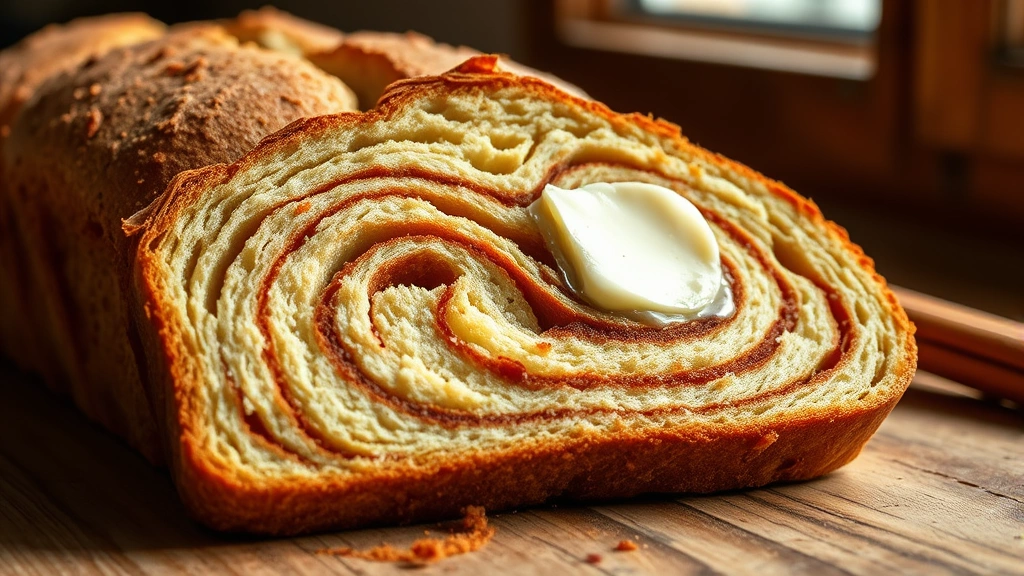
This Amish cinnamon bread recipe is a game-changer for anyone who loves that warm, comforting aroma of freshly baked bread wafting through their kitchen. What makes this version special is the easy no-knead method—you literally just mix, let it rise, and bake. No muscle power required, no stress, just pure delicious results that taste like they came straight from an Amish bakery.
I first discovered this recipe at a farmers market stand run by a lovely Amish family, and I’ve been obsessed ever since. Their secret? Letting time do the heavy lifting instead of your hands. The long, slow rise develops incredible flavor and creates that tender, slightly sweet crumb that makes cinnamon bread so irresistible. Plus, the cinnamon swirl running through every slice is absolutely heavenly.
Jump To Section
Why This Recipe Works
The no-knead technique is honestly a revelation. You’re working with a wetter dough than traditional bread recipes, which means better hydration and a more tender final product. Additionally, the extended rest period allows the gluten to develop naturally without any kneading whatsoever—it’s basically magic in a bowl.
The cinnamon-sugar filling in this Amish bread recipe is strategically placed to create those gorgeous swirls without any complicated rolling techniques. You’ll layer it right into the dough as it rises, which means the flavors meld beautifully and distribute evenly. The result? Every single slice has that perfect balance of soft bread and sweet cinnamon goodness.
Meanwhile, the long fermentation period isn’t just convenient—it actually improves the bread’s flavor profile and digestibility. You’re essentially giving the dough time to develop complex, nuanced flavors that rushed recipes simply can’t achieve. This is why Serious Eats recommends longer rising times for superior bread quality.
Ingredient Tips & Substitutions
For this cinnamon bread recipe, all-purpose flour works perfectly fine, but bread flour will give you a slightly chewier texture if that’s your preference. The difference is subtle but noticeable to bread enthusiasts. However, all-purpose is absolutely traditional for Amish baking and delivers that tender crumb we’re after.
The cinnamon here is the star, so please don’t skimp on quality. Fresh, fragrant cinnamon makes an enormous difference—I use Ceylon cinnamon for its delicate sweetness, though cassia cinnamon works too if that’s what you have on hand. Ground cinnamon loses potency over time, so if your jar has been sitting for over a year, it’s time for a fresh one.
Brown sugar in the filling adds moisture and a subtle molasses note that enhances the cinnamon’s warmth. You can substitute white sugar if needed, though you’ll lose that slight depth of flavor. The butter in the filling is essential—it’s what creates those beautiful, distinct swirls throughout the loaf. For instance, if you’re dairy-free, a quality vegan butter substitute works in a pinch.
Don’t skip the salt, even though you might think cinnamon bread should be purely sweet. A pinch of salt actually amplifies the cinnamon flavor and prevents the bread from tasting flat or one-dimensional. Additionally, consider adding a quarter teaspoon of nutmeg or cardamom to the cinnamon mixture if you want to elevate it even further—it’s a subtle addition that Amish bakers sometimes include.
Serving Suggestions
Warm cinnamon bread is best enjoyed with a generous slather of butter, allowing it to melt into every crevice. The bread is tender enough to eat plain, but honestly, why would you? A cup of strong coffee or creamy hot chocolate pairs beautifully alongside thick slices of this homemade treat.
For breakfast, toast a slice and serve it with jam, honey, or your favorite spread. Lunch calls for a simple sandwich—try pairing it with fresh tomato soup for a cozy combination. Afternoon tea or dessert? Serve it slightly warmed with a dollop of whipped cream or alongside vanilla ice cream.
This bread is also wonderful for French toast. The cinnamon is already built in, so you’re starting with incredible flavor before you even hit the griddle. Kids absolutely love it, and it’s a fantastic way to use up day-old slices that have lost their fresh appeal.
Storage & Reheating
Properly stored, this Amish cinnamon bread recipe stays fresh for 3-4 days at room temperature in an airtight container or bread bag. The soft crumb means it dries out faster than denser breads, so airtight storage is genuinely important. Don’t refrigerate it—cold temperatures actually accelerate staling in bread.
For longer storage, wrap cooled slices individually in plastic wrap and freeze for up to 3 months. Thaw at room temperature or pop frozen slices directly into the toaster for instant gratification. The texture remains remarkably good even after freezing, which is one of my favorite things about this recipe.
To reheat, wrap the loaf loosely in foil and warm in a 325°F oven for 10-15 minutes until the center is warm and the crust softens slightly. Alternatively, individual slices can be toasted, microwaved for 15-20 seconds, or warmed in a skillet. Microwaving is quickest but can make the bread slightly rubbery, so the oven method is preferred if you have time.
Recipe Notes & Variations
The beauty of this no-knead method is its flexibility. You can refrigerate the dough after the initial rise and bake it the next day—just bring it to room temperature before shaping and baking. This makes it perfect for meal planning and having fresh bread ready whenever you want it.
Some bakers add a splash of vanilla extract or a teaspoon of almond extract to the dough for extra depth. Others swirl in chopped pecans, walnuts, or raisins between the cinnamon layers. These additions are completely optional but worth experimenting with once you’ve made the basic version.
If you prefer a less sweet bread, reduce the cinnamon-sugar filling by a quarter. Conversely, if you’re a cinnamon fanatic, increase the filling and don’t feel guilty about it. This is your bread, and it should taste exactly how you love it. For more bread inspiration, check out this New York Times bread guide.
The dough temperature matters slightly—if your kitchen is very warm (above 75°F), the rising will happen faster, so check your dough around the 12-hour mark. Cool kitchens may need the full 16-18 hours. There’s no exact science here; just look for a puffy, bubbly dough that’s roughly doubled in size. When in doubt, give it more time rather than less—patience is your friend with bread baking.
Many home bakers pair this cinnamon bread with other Amish favorites. Try serving it alongside fresh salads for a comforting meal, or create a bread board with sourdough bread and other artisan loaves. The soft, sweet nature of cinnamon bread makes it distinct from crusty sandwich breads, so they complement each other beautifully on a table.
This recipe is also wonderful for gifting. Wrap a cooled loaf in parchment paper, tie it with twine, and add a handwritten note. It’s the kind of homemade gift that makes people feel genuinely cared for. Just let them know it keeps for 3-4 days and freezes beautifully, so they can enjoy it at their own pace.
Finally, don’t stress about perfection. Amish baking is fundamentally about simplicity and soul, not Instagram-worthy presentation. Your bread might not look like a professional bakery loaf, and that’s completely fine. It’ll taste absolutely delicious, and that’s what truly matters.
Ingredients
- 3 cups all-purpose flour
- 1½ teaspoons instant yeast
- 1½ teaspoons salt
- 1½ cups warm water
- 3 tablespoons butter, softened
- ½ cup brown sugar, packed
- 3 tablespoons ground cinnamon
- 2 tablespoons white sugar
Instructions
- Combine flour, instant yeast, and salt in a large bowl, stirring well to distribute the yeast evenly throughout the dry ingredients.
- Add warm water to the flour mixture and stir until a shaggy, sticky dough forms. Don’t worry if it looks messy—that’s exactly what you want. Cover the bowl with plastic wrap or a damp kitchen towel.
- Let the dough rest at room temperature for 12-18 hours. It should become puffy, bubbly, and roughly double in size. The longer rise develops incredible flavor, so patience pays off here.
- Once the dough has risen sufficiently, lightly flour your work surface and gently turn the dough out onto it. Resist the urge to knead—just handle it minimally.
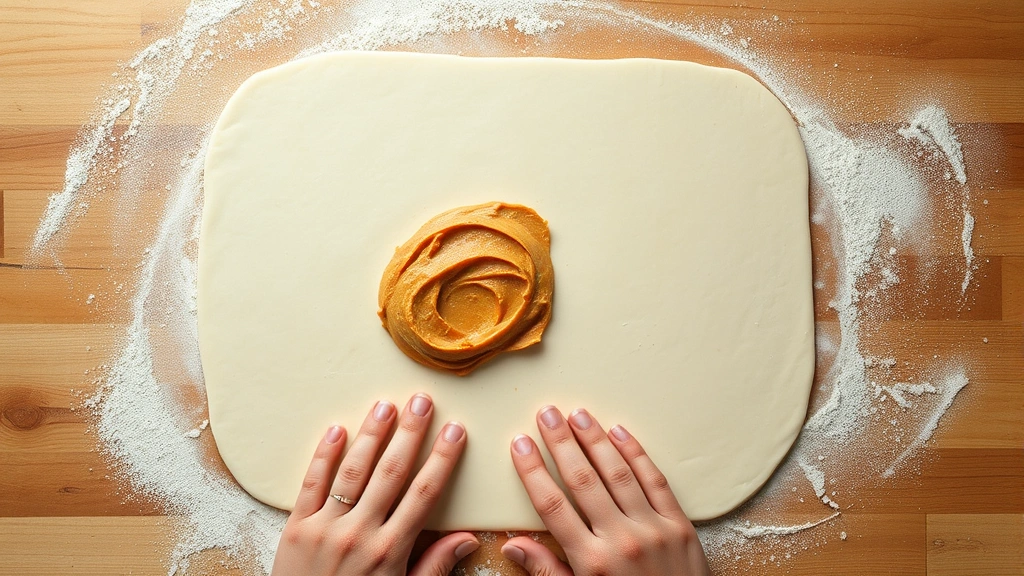
- Flatten the dough into a rough rectangle about ½ inch thick using your hands or a rolling pin.
- In a small bowl, combine softened butter, brown sugar, and ground cinnamon until you have a spreadable paste.
- Spread the cinnamon-butter mixture evenly over the entire surface of the flattened dough, leaving a small border around the edges.
- Starting from one long side, tightly roll the dough into a log, pinching the seam closed as you go.
- Place the rolled dough seam-side down into a greased 9×5 inch loaf pan, pressing gently so it fits snugly.
- Cover the loaf pan with plastic wrap and let it rise at room temperature for 2-4 hours, until the dough rises above the edge of the pan and looks puffy.
- Preheat your oven to 450°F about 30 minutes before baking.
- In a small bowl, combine white sugar and ½ teaspoon cinnamon, then sprinkle this mixture over the top of the risen dough for extra sweetness and visual appeal.
- Place the loaf pan in the preheated oven and bake for 30-35 minutes, until the top is deep golden brown and a toothpick inserted into the center comes out clean.
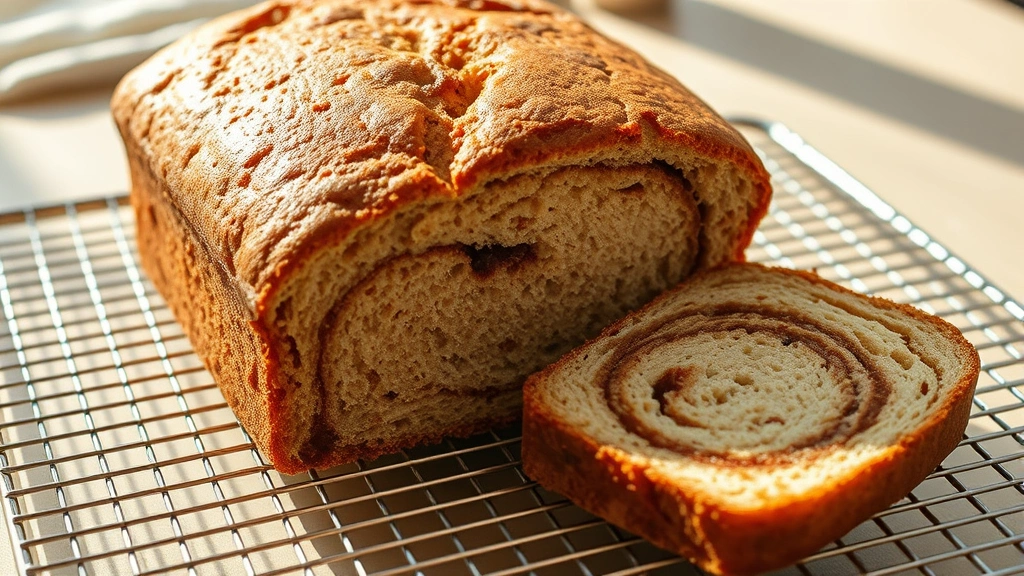
- Remove from the oven and let the bread cool in the pan for 10 minutes before turning it out onto a wire rack to cool completely.
- Slice once the bread has cooled to room temperature, though warm slices are absolutely acceptable if you can’t resist.
Pro Tips
This recipe relies on time rather than physical effort, making it perfect for busy bakers. The 12-18 hour bulk fermentation develops complex flavors that rushed bread simply can’t achieve. If your kitchen is warmer than 72°F, check the dough around the 12-hour mark to avoid over-proofing.
The dough will be quite wet and sticky—this is intentional. Resist the urge to add extra flour, as it would result in a denser loaf. The high hydration creates that tender, open crumb structure that makes Amish cinnamon bread so appealing.
For the cinnamon-sugar filling, fresh cinnamon makes an enormous difference in flavor quality. If your cinnamon has been in your spice cabinet for longer than a year, consider purchasing a fresh container. The potency fades over time, and you want maximum cinnamon flavor in this bread.
You can prepare the dough the night before and refrigerate it after the initial rise. Simply bring it to room temperature before shaping, filling, and placing it in the loaf pan. This flexibility makes the recipe convenient for advance meal planning.
The bread is best enjoyed within 2-3 days of baking when the crumb is still soft and tender. After day three, it begins to dry out, though it’s still acceptable for toasting or making French toast. Always store cooled bread in an airtight container at room temperature—never in the refrigerator, as cold accelerates staling.
For frozen storage, wrap individual slices in plastic wrap and place them in a freezer bag for up to three months. Thaw at room temperature or toast directly from frozen. The texture remains remarkably good even after freezing, which is one reason this recipe is so practical for meal planning.
If you prefer less sweetness, reduce the cinnamon-sugar filling by a quarter. Conversely, if you’re a cinnamon enthusiast, increase the filling quantities—there’s no such thing as too much cinnamon in this bread. Some bakers add chopped nuts, raisins, or a splash of vanilla extract for variation, all of which work beautifully.
The final sugar sprinkle on top is optional but highly recommended. It adds a subtle crunch and extra sweetness that mimics traditional bakery-style cinnamon bread. You can also brush the warm loaf with melted butter and sprinkle cinnamon sugar on top instead.