
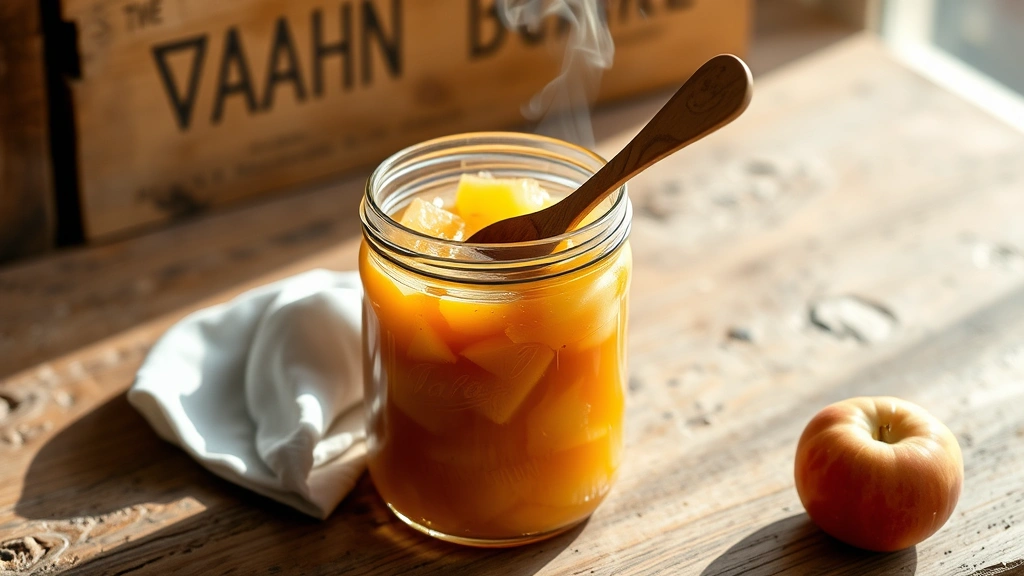
This apple compote recipe is an absolute game-changer for anyone who wants homemade fruit goodness without the fuss. In just 15 minutes, you’ll have a silky, naturally sweet compote that tastes like it simmered all day—but didn’t. I’m obsessed with how versatile this is, and honestly, once you make it, you’ll wonder why you ever bought the jarred stuff.
I grew up watching my grandmother make apple compote every fall, and it was always this mysterious process that seemed to take forever. Fast forward to now, and I’ve figured out the secret: it’s not complicated at all. You just need good apples, a little patience, and maybe a splash of something special. The beauty of this recipe is that it comes together so quickly, yet tastes like pure comfort in a bowl.
Jump To Section
What makes this apple compote so special is the way the apples break down into this gorgeous, chunky-smooth texture. It’s not applesauce—those are cousins but definitely different. Compote is chunkier, more textured, and honestly more interesting. Plus, you get to control exactly what goes into it, which means no weird additives or excess sugar.
Why This Recipe Works
The magic here is all about choosing the right apples and letting them do their thing. I use a mix of Honeycrisp and Granny Smith apples because they have different flavor profiles that complement each other beautifully. Honeycrisps bring natural sweetness, while Granny Smiths add that tart, crisp edge that keeps everything balanced. Together, they create depth that a single variety just can’t match.
The cooking method is intentionally simple—just a heavy-bottomed pot, medium heat, and a wooden spoon. You’re not trying to pulverize the apples; you want them to naturally break down while keeping some texture. This is what separates compote from sauce. Additionally, the short cooking time means you preserve more of those fresh apple flavors that make this taste like autumn in a jar.
I always add a tiny pinch of cinnamon and maybe a squeeze of lemon juice, but here’s the thing: less is more. You want to taste the apples first, with everything else playing a supporting role. The lemon especially brightens everything up and prevents that dull, brownish color you sometimes see in homemade compote.
Ingredient Tips & Substitutions
Let’s talk apples for a second because this is where your compote either shines or falls flat. Avoid mealy varieties like Red Delicious—they’ll turn into mush too quickly and lose their flavor. Instead, stick with firm apples that have good natural acidity. If you can’t find Honeycrisp, Fuji or Gala apples work wonderfully. For the tart component, Granny Smith is ideal, but Braeburn or Pink Lady also bring that necessary brightness.
The sugar situation is totally flexible. I use about ¼ cup of maple syrup or honey instead of white sugar, but that’s just my preference. Brown sugar works beautifully too and adds a subtle molasses note. If your apples are already very sweet, you might skip the sweetener altogether—taste as you go. For instance, if you’re using mostly Honeycrisp apples, you’ll need less added sugar than if you were using tarter varieties.
The cinnamon is optional but highly recommended. Use fresh cinnamon if you have it; old cinnamon tastes dusty and flat. A tiny pinch of nutmeg or cardamom is also lovely if you’re feeling adventurous. Some people add vanilla extract at the end, and honestly, that’s a beautiful touch. Meanwhile, the lemon juice is non-negotiable—it keeps the color bright and adds complexity.
Serving Suggestions
Here’s where this apple compote recipe really shines—the serving options are endless. Swirl it into yogurt for breakfast, layer it in a parfait with granola, or serve it warm over vanilla ice cream. It’s absolutely divine spooned over sweet potato gnocchi for an unexpected savory-sweet twist. You can also use it as a topping for pancakes, waffles, or oatmeal.
For something more sophisticated, pair it with cheese. Seriously. A nice sharp cheddar or creamy brie with a dollop of this compote on a sourdough bread sandwich is restaurant-quality delicious. You can also serve it as a side with pork chops, roasted chicken, or even with easy Tuscan chicken pasta for a gourmet touch.
Don’t forget about using this as a baking ingredient. Swirl it into muffin batter, layer it in a cake, or use it as a filling for thumbprint cookies. I’ve even spooned it over lemon pasta as an unexpected garnish that guests absolutely loved. The possibilities are genuinely limitless.
Storage & Reheating
This compote keeps beautifully in the refrigerator for up to two weeks in an airtight container. The flavor actually deepens as it sits, so don’t be surprised if it tastes even better on day three. You can also freeze it for up to three months—just thaw it in the fridge overnight before using. For longer storage, follow proper canning procedures if you want shelf-stable jars.
Reheating is easy and optional. You can eat it cold straight from the jar, or gently warm it on the stove over low heat with a splash of water if it’s thickened too much. In the microwave, just heat it in 30-second intervals, stirring between each one. However, I find it’s actually better served at room temperature or slightly chilled because the apple flavor comes through more clearly.
The texture will naturally thicken as it cools, which is perfect. If it gets too thick and you want it more pourable, just whisk in a little water or apple cider. The beauty of homemade compote is you control the consistency entirely. Additionally, if you’re planning to use it in slow cooker pasta or other recipes, make note of how thick you like it so you can adjust accordingly.
This apple compote recipe is honestly one of those recipes that seems too simple to be true. But that’s the beauty of it—real food doesn’t need to be complicated. Once you make this, you’ll be batch-making it regularly because it’s so useful and delicious. Your friends will ask what your secret is, and you’ll just smile knowing it’s nothing fancier than fresh apples and 15 minutes of your time. That’s the kind of homemade magic that makes everything taste better.
Ingredients
- 3 pounds mixed apples (2 pounds Honeycrisp, 1 pound Granny Smith), peeled, cored, and diced into ½-inch pieces
- ¼ cup maple syrup or honey
- 2 tablespoons water
- 1 tablespoon fresh lemon juice
- ¼ teaspoon ground cinnamon
- Pinch of sea salt
- ¼ teaspoon vanilla extract (optional)

Instructions
- Prepare your apples by peeling, coring, and dicing them into ½-inch pieces. Keep them in a bowl as you work to prevent browning—the lemon juice you’ll add later will help with that too.
- Add the diced apples to a large heavy-bottomed pot or Dutch oven over medium heat. Add the water, maple syrup, lemon juice, cinnamon, and sea salt.
- Stir everything together and bring to a gentle simmer. You’ll notice the apples will start releasing their juices almost immediately.
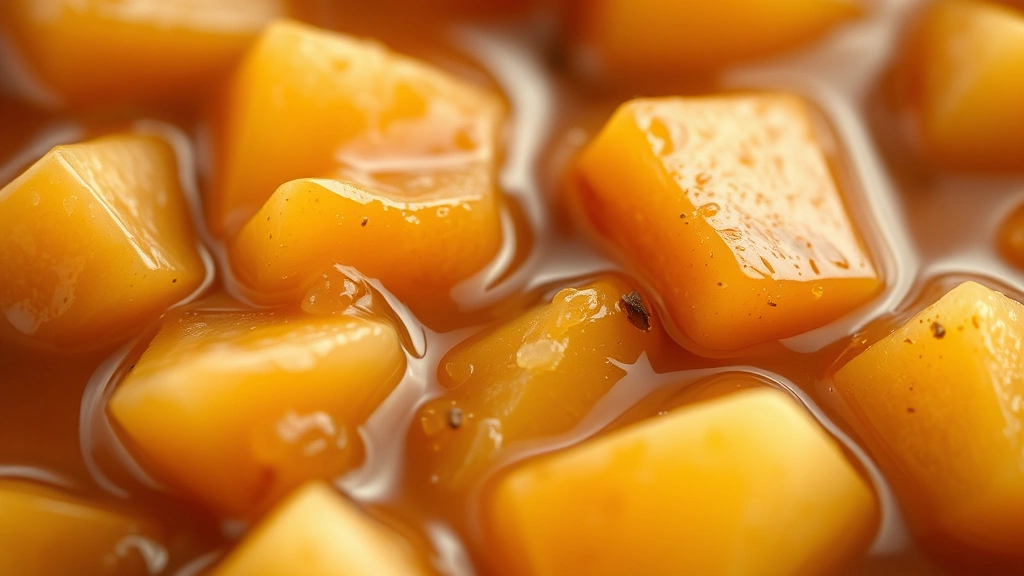
- Let it simmer for 12-15 minutes, stirring occasionally with a wooden spoon. You’re looking for the apples to break down into a chunky-textured consistency, not a smooth puree.
- As the apples cook, gently mash some of the larger pieces against the side of the pot to help break them down, but leave plenty of texture intact. The compote should look rustic and chunky.
- Taste and adjust sweetness if needed—add more maple syrup if you prefer it sweeter, or a squeeze more lemon juice if you want more brightness.
- Stir in the vanilla extract if using, then remove from heat. The compote will continue to thicken slightly as it cools.
- Transfer to a glass jar or container and let cool to room temperature. Store in the refrigerator for up to two weeks, or freeze for up to three months.
Pro Tips
Choosing the right apples makes all the difference in this recipe. I always use a combination of sweet and tart varieties because they balance each other perfectly. Honeycrisp apples are sweet and crisp, while Granny Smiths provide that necessary tartness. However, if Honeycrisp isn’t available, Fuji or Gala apples work beautifully as substitutes.
The maple syrup versus honey debate is really about personal preference. Maple syrup gives a subtle woodsy depth, while honey brings a floral note. Brown sugar is also lovely and adds molasses undertones. Meanwhile, you could even use coconut sugar if you’re looking for something different. The amount of sweetener depends entirely on how sweet your apples are naturally—taste as you go and adjust accordingly.
Don’t skip the lemon juice. It does two things: it prevents the compote from browning and adds brightness that makes the apple flavor pop. If you don’t have fresh lemon, bottled works in a pinch, but fresh is definitely better. The cinnamon should be fresh too—old spices taste dusty and flat, which will completely change the flavor profile.
For a spiced version, try adding a tiny pinch of nutmeg, cardamom, or even fresh ginger. Some people love a splash of vanilla extract stirred in at the end, which adds a subtle richness. Additionally, a pinch of ground cloves works wonderfully if you want something more autumnal and complex.
Storage is incredibly simple. In an airtight container in the refrigerator, this keeps for up to two weeks. The flavor actually deepens after a few days, so don’t be surprised if it tastes even better on day three or four. You can also freeze it in ice cube trays for easy portioning, then transfer the cubes to a freezer bag. Frozen compote keeps for up to three months and thaws quickly.
If you want shelf-stable jars for gifts, follow proper canning procedures using sterilized jars and a water bath. The texture will naturally thicken as it cools, which is exactly what you want. However, if it gets too thick after a few days, just whisk in a little water to reach your desired consistency. This recipe is incredibly forgiving and flexible to your preferences.