
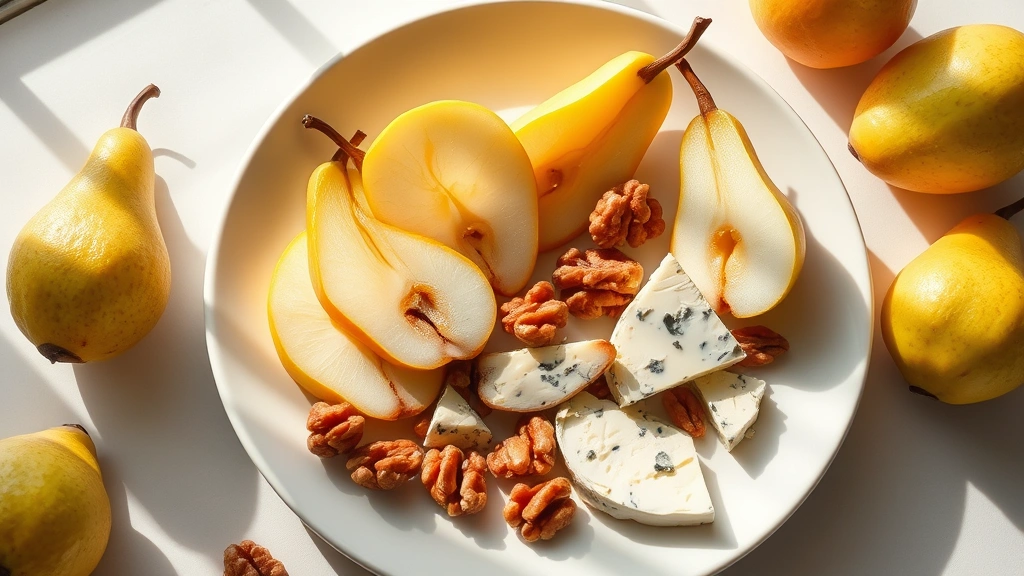
Asian pear recipes are truly a hidden gem in the kitchen, offering a refreshing and sophisticated way to elevate your everyday meals. If you’ve ever bitten into a crisp, juicy asian pear, you know exactly why chefs and home cooks alike are obsessed with this fruit. With its delicate sweetness, buttery texture, and that satisfying crunch, asian pears deserve a special place in your recipe collection.
What makes asian pears so magical is their versatility. They’re equally at home in a light summer salad as they are in a sophisticated dessert. Unlike their European pear cousins, asian pears maintain their crisp texture even when ripe, making them perfect for both raw and cooked applications. I absolutely love working with them because they never disappoint.
Jump To Section
Why Asian Pears Are Worth Your Attention
These golden orbs pack a serious nutritional punch. They’re loaded with vitamin C, fiber, and antioxidants that support your immune system and digestive health. Additionally, asian pears are naturally hydrating—they’re about 85% water, which makes them an excellent choice for those hot summer days when you need something refreshing and satisfying.
The flavor profile is where things get really interesting. You get subtle floral notes combined with a mild sweetness that’s never cloying. For instance, when you pair them with savory ingredients like prosciutto or blue cheese, the contrast is absolutely stunning. Meanwhile, they also shine beautifully in desserts where their delicate taste won’t overpower other flavors.
I started exploring asian pear recipes about three years ago after finding a beautiful box at my local farmers market. My kids took one bite and asked if every pear could taste like that! Now, I always keep a few on hand during their peak season from August through November. There’s something special about discovering an ingredient that transforms the way you cook.
Selecting and Preparing Your Asian Pears
Finding the perfect asian pear is all about understanding ripeness. Unlike some fruits, you want to pick them when they’re firm but yield slightly to gentle pressure. A ripe asian pear should smell subtly sweet at the stem end. Pro tip: don’t wait for them to get soft—that’s when you’ve missed the window of perfection.
Storage is wonderfully simple. Keep them in your refrigerator’s crisper drawer, and they’ll last for weeks. However, if you want to speed up ripening, leave them on the counter for a day or two. Once you slice into one, use it immediately or toss the cut pieces with a bit of lemon juice to prevent browning.
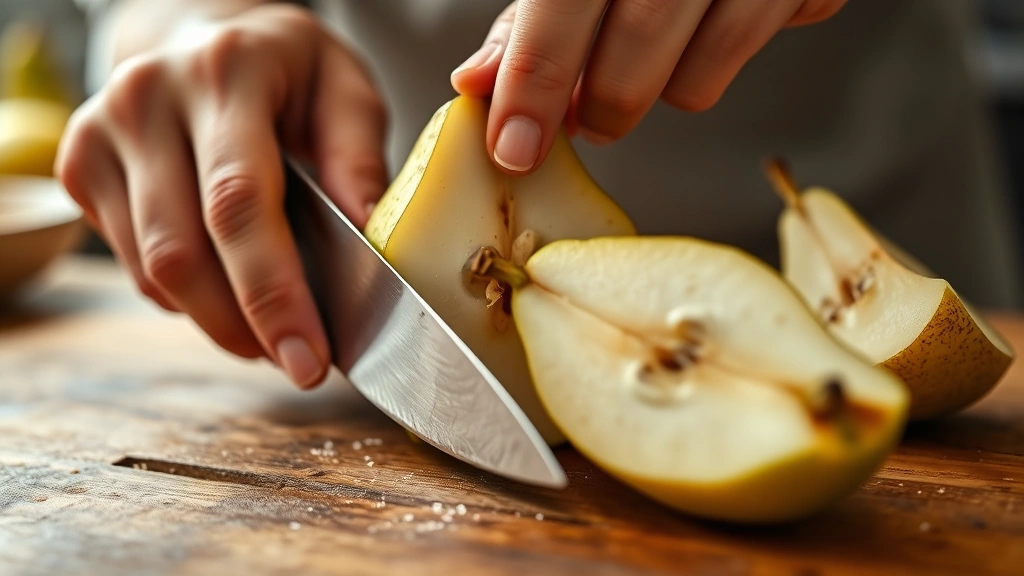
Preparation is refreshingly straightforward. Simply wash under cool water, then peel with a vegetable peeler if desired (though the skin is edible and adds nutrition). Core them like you would an apple, or slice them into wedges. The flesh is so tender that you don’t need fancy tools—a sharp knife is all you need.
Creative Asian Pear Recipe Ideas
The beauty of asian pear recipes lies in their endless possibilities. Try them in a quick tasty spring salad recipe where their crispness complements tender greens perfectly. Alternatively, you could whisk together a homemade oriental dressing recipe for salads that brings out their delicate sweetness.
For special occasions, consider featuring them in a perfect easter salad recipe alongside nuts and cheese. You could also incorporate them into an easy Italian dressing pasta salad recipe for a delightful fusion twist. Or go the sweet route and add them to a quick tasty spinach strawberry salad recipe for a sophisticated flavor combination.
Beyond salads, you can poach asian pears in a light wine syrup, roast them with cinnamon and brown sugar, or even grill them for a dramatic caramelized exterior. Some adventurous cooks make asian pear jam or pickle them for a unique condiment. The possibilities truly are endless.
Pairing Suggestions and Flavor Combinations
Asian pears play beautifully with both sweet and savory companions. In the savory realm, they’re exceptional with prosciutto, gorgonzola, goat cheese, and walnuts. The crisp sweetness cuts through rich cheeses while the fruit’s subtle floral notes create an elegant balance. I especially love them with crispy bacon and a vinaigrette made with Asian sesame oil.
For sweet applications, cinnamon, vanilla, ginger, and cardamom are your best friends. These warm spices amplify the pear’s delicate flavor without overwhelming it. Additionally, they pair wonderfully with dark chocolate, honey, and toasted nuts. Consider them in a rustic tart, paired with almond cream, or simply poached in a light ginger syrup.
The key to successful pairings is respecting the fruit’s delicate nature. You want complementary flavors that enhance rather than dominate. Think of your asian pear recipes as a conversation where each ingredient takes turns speaking rather than shouting.
Storage, Make-Ahead, and Serving Tips
Storing prepared asian pear dishes requires a bit of strategy. Sliced pears in a salad are best assembled just before serving to maintain crispness. However, if you’re making something cooked like roasted or poached pears, they’ll keep beautifully in the refrigerator for three to four days in an airtight container.
For make-ahead entertaining, prepare your salad components separately and combine them right before serving. The asian pears, greens, nuts, and dressing can all be prepped hours in advance. This approach keeps everything fresh and crisp. Meanwhile, cooked pear dishes actually improve after a day or two as flavors deepen and meld.
When serving, let refrigerated pears come to room temperature for about fifteen minutes to fully appreciate their delicate flavor. This simple step makes a noticeable difference in taste. For presentation, arrange them artfully on the plate—their beautiful golden color and perfect shape deserve to be showcased.
Why These Recipes Matter
Asian pear recipes represent an opportunity to explore ingredients beyond the ordinary grocery store offerings. They’re becoming increasingly available at farmers markets and specialty grocers, making them more accessible than ever before. By incorporating them into your cooking, you’re supporting seasonal eating and discovering new flavor dimensions.
These recipes also celebrate the intersection of traditional Asian cooking techniques with modern culinary creativity. For more inspiration, check out Bon Appétit’s Asian cuisine coverage or explore Serious Eats’ fruit recipes for additional ideas. You might also enjoy New York Times Cooking for sophisticated pear preparations.
Most importantly, asian pear recipes remind us that cooking should be joyful and exploratory. These twelve ways to enjoy this fruit are just the beginning. Once you start experimenting, you’ll develop your own favorite combinations and techniques. That’s the real magic of cooking—taking an ingredient and making it completely your own.
Ingredients
- 3 ripe asian pears, peeled, cored, and sliced
- 4 cups mixed salad greens
- 1/4 cup candied walnuts, roughly chopped
- 1/4 cup crumbled blue cheese or goat cheese
- 2 tablespoons fresh lemon juice
- 3 tablespoons extra virgin olive oil
- 1 tablespoon rice vinegar
- 1 teaspoon Dijon mustard
- Salt and freshly ground black pepper to taste
- Optional: 2 ounces thinly sliced prosciutto
Instructions
- Wash your asian pears under cool running water and gently pat dry with paper towels.
- Using a sharp vegetable peeler, remove the thin skin from each pear. You can leave the skin on if you prefer—it’s perfectly edible and adds nutrition.
- Cut each pear in half and use a small spoon or melon baller to remove the core from the center.
- Slice the pears into thin, even pieces, aiming for about 1/8-inch thickness. Immediately toss with lemon juice to prevent oxidation and browning.
- In a small bowl or mason jar, whisk together olive oil, rice vinegar, and Dijon mustard until emulsified.
- Add salt and freshly ground black pepper to your vinaigrette, tasting and adjusting seasoning as needed.
- Place mixed salad greens into a large bowl or on individual serving plates.
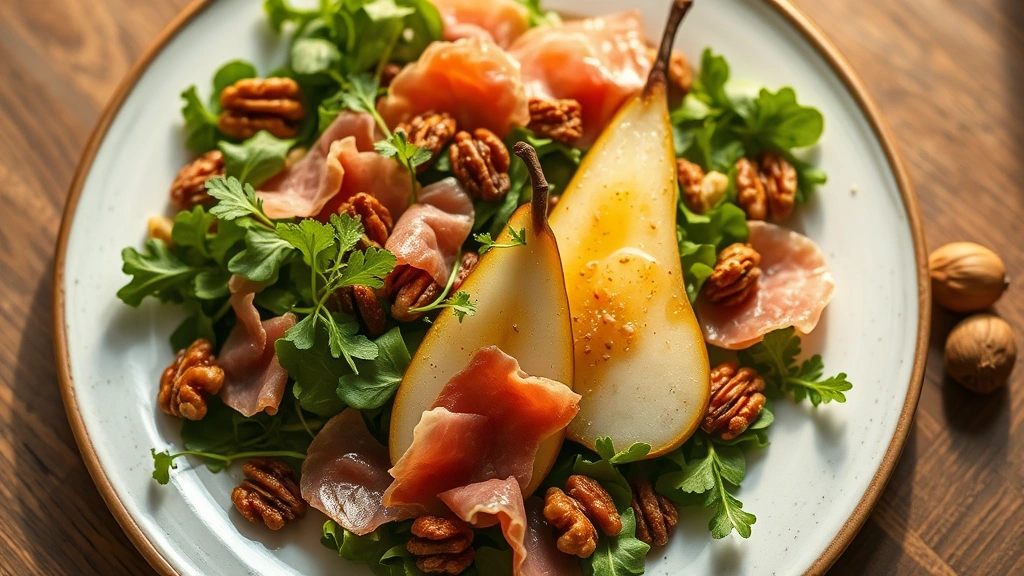
- Arrange the sliced asian pears artfully over the greens, creating an attractive presentation.
- Sprinkle candied walnuts and crumbled cheese over the salad.
- Add prosciutto pieces if using, arranging them for visual appeal.
- Drizzle the prepared vinaigrette over the salad just before serving.
- Serve immediately while the pears are still crisp and the greens are cool and fresh.
Pro Tips
Asian pears are wonderfully forgiving to cook with, but a few tips will help you achieve perfect results every time. First and foremost, timing is everything—these fruits are best enjoyed at peak ripeness when they’re crisp but fully ripe. If your pears seem too firm, leave them on the counter for a day or two before using. However, don’t wait until they’re soft; that’s when you’ve passed the ideal window for most asian pear recipes.
When selecting which pear variety to use, you have several excellent options. The Shinseiki variety is sweet and crisp with a delicate flavor. Meanwhile, the Hosui pear offers a butterier texture and slight caramel notes. Nashi pears are another popular choice, known for their exceptional crispness. All work beautifully in these recipes, though each brings its own subtle characteristics to the table.
Storage is refreshingly simple with asian pears. They’ll keep for up to three weeks in your refrigerator’s crisper drawer, making them a reliable ingredient to have on hand. Once you’ve sliced them, use them immediately or toss with a bit of lemon juice to prevent browning. The lemon juice trick is genuinely invaluable when you’re preparing asian pear recipes in advance.
For substitutions, you can absolutely use regular Bosc or Bartlett pears if asian pears aren’t available in your area. The flavor will be slightly different—less crisp and more traditionally pear-like—but the recipes will still be delicious. Additionally, you could use crisp apples like Honeycrisp or Granny Smith in a pinch, though you’ll lose some of the delicate sweetness that makes asian pears special.
When it comes to serving, presentation matters with these beautiful fruits. Their golden color and perfect shape deserve to be showcased on the plate. Arrange them thoughtfully rather than scattering them randomly. This small effort transforms a simple salad into something that looks restaurant-quality.
Finally, don’t be afraid to experiment with these asian pear recipes. Once you understand the basics, you’ll find yourself incorporating them into dishes you’d never considered before. That’s when the real joy of cooking begins—taking an ingredient and making it completely your own through creativity and exploration.