
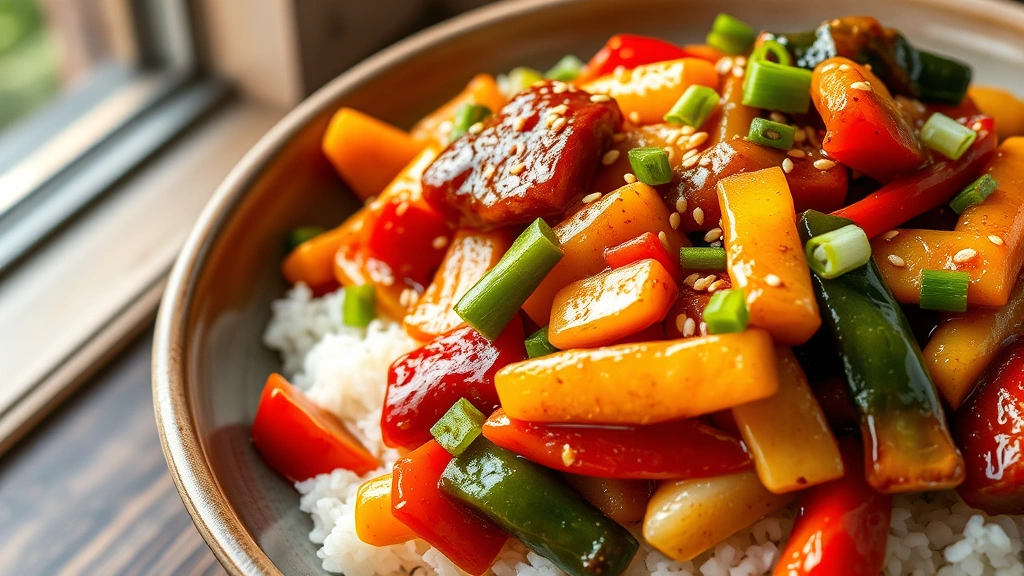
Asian recipes have completely transformed the way I cook at home, and I’m thrilled to share this collection of 25 authentic dishes that will elevate your kitchen skills to restaurant-quality standards. Whether you’re a beginner or a seasoned home cook, these recipes showcase the incredible depth and diversity of Asian cuisine—from silky stir-fries to aromatic curries, delicate dumplings to comforting noodle dishes. The beauty of mastering Asian recipes lies in understanding a few key techniques and flavor profiles that unlock an entire world of possibilities.
I still remember the first time I attempted a proper stir-fry at home. It seemed so intimidating—all that sizzling, the timing, getting the wok hot enough. But once I understood the fundamentals, everything clicked. That’s exactly what this guide does for you. We’re breaking down the mystery and showing you that creating authentic Asian recipes at home is absolutely achievable, no matter your skill level.
Jump To Section
Why This Collection Works
These 25 Asian recipes represent the most beloved and versatile dishes from across the continent. Each one teaches you a fundamental cooking technique or flavor combination that carries over to countless other recipes. For instance, learning how to create the perfect balance in a basic stir-fry sauce teaches you principles you’ll use in dozens of other dishes.
The collection spans multiple cuisines—Thai, Chinese, Japanese, Vietnamese, Korean, and more. This diversity means you’ll never get bored, and you’ll develop a genuinely global palate. Additionally, many of these Asian recipes share common ingredients, making your pantry setup more efficient and budget-friendly. Once you stock your kitchen with essentials like soy sauce, ginger, garlic, and sesame oil, you’ll be ready to tackle recipe after recipe without constant shopping trips.
What makes these particular Asian recipes special is their authenticity paired with accessibility. We’re not asking you to source impossible ingredients or spend hours on complex techniques. Instead, these recipes honor traditional flavor profiles while working with ingredients you can find at most grocery stores. That’s the sweet spot where home cooking becomes genuinely fun.
Essential Pantry Items for Asian Recipes
Before diving into specific dishes, let’s talk about the foundation. Building a solid pantry for Asian recipes is like an artist preparing their canvas—it makes everything that follows infinitely easier. You don’t need every ingredient at once; instead, gradually build your collection as you work through different recipes.
Start with the non-negotiables: quality soy sauce (both regular and low-sodium), sesame oil (the toasted kind for finishing, not cooking), rice vinegar, and mirin. These four ingredients form the backbone of countless Asian recipes. Then add garlic, fresh ginger, scallions, and chilies—your fresh flavor heroes. For sauces and marinades, keep fish sauce, oyster sauce, and hoisin on hand.
Meanwhile, don’t overlook pantry staples like white and brown sugar, cornstarch for thickening, and various oils for cooking at different temperatures. Additionally, having jasmine or short-grain rice, dried noodles, and canned coconut milk means you’re always ready to start cooking. This foundation transforms Asian recipes from intimidating to manageable.
Mastering Core Techniques
The magic of Asian recipes comes down to technique as much as ingredients. Stir-frying is perhaps the most essential skill—it’s fast, flavorful, and teaches you heat control like nothing else. The key is having everything prepped before heat hits the wok, what the professionals call mise en place. This single habit transforms your cooking from chaotic to controlled.
Steaming is another cornerstone technique in Asian recipes. Whether you’re making dumplings, fish, or vegetables, steaming preserves delicate flavors and textures beautifully. You don’t even need fancy equipment—a simple bamboo steamer or even a metal colander over simmering water works perfectly. For instance, try our best PF Chang’s lettuce wraps recipe to learn fundamental folding and assembly techniques used throughout Asian cooking.
Braising and slow-cooking also feature prominently in authentic Asian recipes. These methods develop deep, complex flavors that can’t be rushed. The time investment pays dividends in dishes that taste like they’ve been simmering all day, even when you’ve only spent 45 minutes of hands-on time.
Ingredient Tips & Smart Substitutions
One of my favorite discoveries while developing these Asian recipes was learning which ingredients can be swapped without sacrificing authenticity. Fresh ginger is non-negotiable, but ground ginger works in a pinch—just use about one-third the amount. Garlic paste or minced garlic from a jar is completely acceptable when fresh cloves aren’t available.
Fish sauce intimidates many home cooks, but it’s transformative in Asian recipes. If you’re hesitant, start with a smaller amount and taste as you go. However, soy sauce can sometimes substitute, though you’ll lose some depth. For coconut milk, full-fat canned versions work beautifully, but light coconut milk is fine if you prefer less richness.
When it comes to noodles, versatility is your friend. Can’t find the exact noodle a recipe calls for? Check the approximate cooking time and weight, then choose something similar. Our guide to best udon noodles recipe shows how different noodle varieties work in various Asian recipes. This flexibility means you’re never blocked from cooking just because you can’t find one specific ingredient.
Fresh chilies are wonderful in Asian recipes, but dried chilies, chili flakes, or chili paste all work in different contexts. The heat level varies, so always start with less and adjust upward. This approach prevents accidentally overwhelming your dish while teaching you your personal spice preferences.
Bringing It All Together
These 25 Asian recipes aren’t meant to be conquered in one week or even one month. Instead, think of them as a year-long journey of culinary discovery. Start with one recipe that excites you, master it completely, then move to the next. This methodical approach builds genuine cooking confidence rather than just following instructions.
The beautiful truth about Asian recipes is that they’re incredibly forgiving once you understand the fundamentals. A stir-fry that’s slightly overcooked is still delicious. A sauce that’s a touch too salty can be balanced with lime juice. These aren’t precision baking projects; they’re flexible, intuitive, and deeply satisfying.
Moreover, cooking Asian recipes at home saves significant money compared to restaurant takeout. You’ll discover that restaurant-quality dishes are absolutely achievable in your own kitchen. Beyond the financial benefit, you’ll develop a deeper appreciation for the cuisines, cultures, and techniques behind each dish. Additionally, our best miso salad dressing recipe demonstrates how a single sauce teaches principles applicable across dozens of Asian recipes.
For more inspiration and technique guides, check out resources like Serious Eats and New York Times Cooking, which offer incredible Asian cuisine content. These sites pair beautifully with this collection, providing additional context and variations.
I encourage you to approach these Asian recipes with curiosity and patience. Taste as you cook. Adjust seasonings to your preference. Make notes about what you’d do differently next time. This engaged approach to cooking transforms meals from routine tasks into genuine adventures. Soon, you’ll find yourself improvising within these recipes, creating your own signature versions, and confidently tackling Asian dishes you’ve only experienced in restaurants.
Start today with whichever recipe calls to you most strongly. Perhaps it’s the comforting noodle dishes, the elegant vegetable preparations, or the rich and aromatic curries. Whatever you choose, you’re embarking on a culinary journey that will enrich your kitchen and your table for years to come. These Asian recipes aren’t just about food—they’re about connection, culture, and the profound joy of feeding yourself and others well.
Ingredients
- 3 tablespoons soy sauce
- 2 tablespoons sesame oil
- 1 tablespoon rice vinegar
- 1 tablespoon mirin
- 2 teaspoons grated fresh ginger
- 4 cloves garlic, minced
- 1 teaspoon cornstarch
- 1/4 teaspoon white pepper
- 2 pounds mixed vegetables (bell peppers, snap peas, broccoli, carrots), cut into bite-sized pieces
- 1 pound protein of choice (chicken, shrimp, tofu, or beef), cubed or sliced
- 3 tablespoons vegetable oil for cooking
- 2 cups cooked rice or noodles for serving
- 2 scallions, sliced thin
- 1 teaspoon white sesame seeds
- 1 red chili, thinly sliced (optional)
Instructions
- Begin by preparing all your ingredients and arranging them within arm’s reach of your cooking station—this mise en place approach is essential for successful Asian recipes like this stir-fry.
- In a small bowl, whisk together soy sauce, sesame oil, rice vinegar, mirin, ginger, garlic, cornstarch, and white pepper until the cornstarch fully dissolves; set this sauce aside.
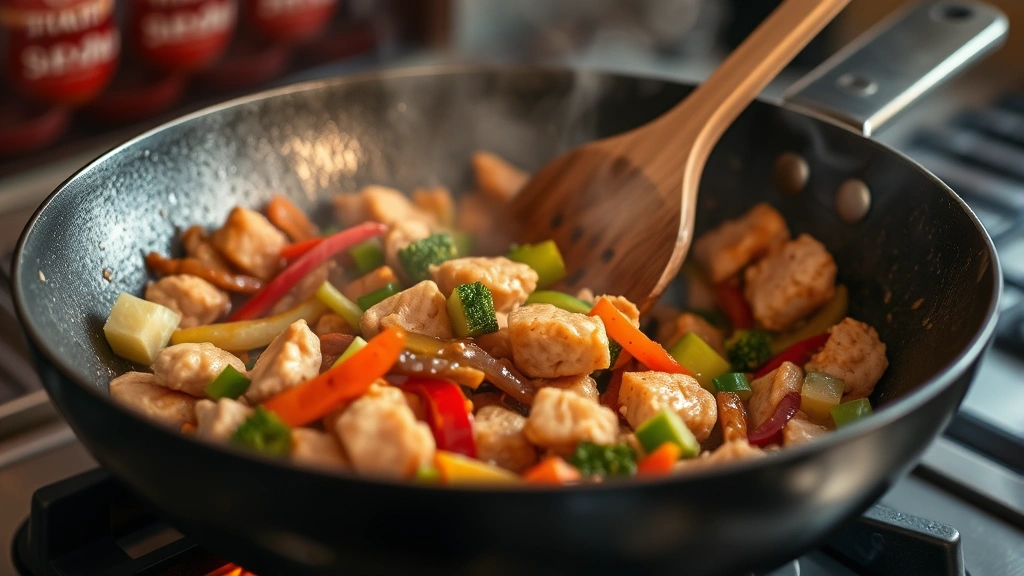
- Heat a wok or large skillet over high heat until it’s smoking slightly, then add 1 tablespoon of vegetable oil and swirl to coat the entire cooking surface.
- Add your protein to the hot wok and cook for 3-4 minutes, stirring constantly, until it’s nearly cooked through and lightly browned on the edges; transfer to a clean plate.
- Add the remaining 2 tablespoons of oil to the wok, then immediately add your harder vegetables (carrots and broccoli first) and stir-fry for 2-3 minutes until they begin to soften.
- Add the remaining vegetables (peppers and snap peas) and continue stir-frying for another 2 minutes, maintaining high heat and constant motion to preserve the vegetables’ crisp texture.
- Return the cooked protein to the wok, pouring in any accumulated juices, then give the sauce a quick stir and pour it over everything in the wok.
- Toss everything together for 1-2 minutes, allowing the sauce to coat all ingredients and thicken slightly as it heats through.
- Taste and adjust seasonings with additional soy sauce or rice vinegar as needed, then transfer to a serving platter.
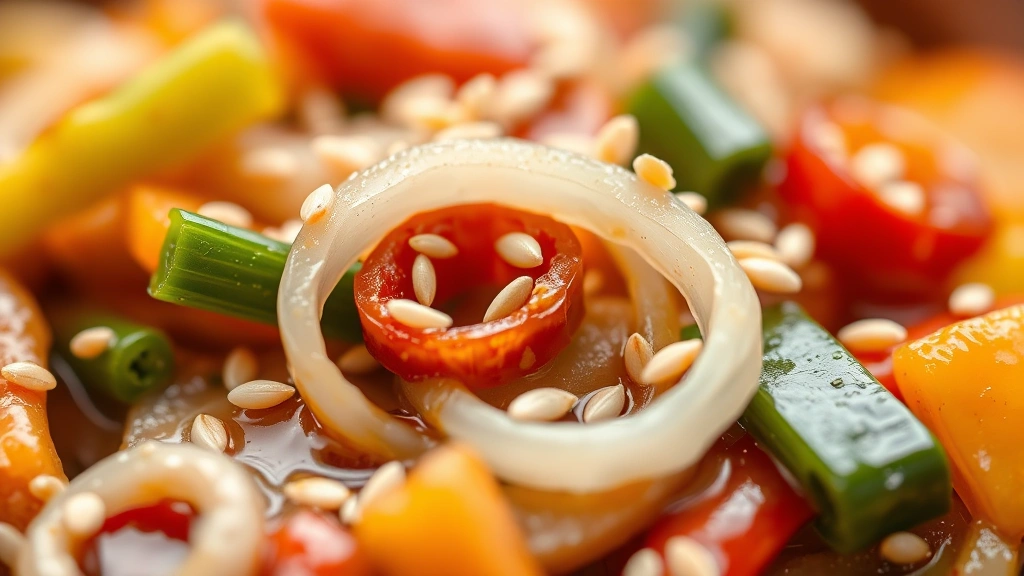
- Garnish generously with sliced scallions, white sesame seeds, and fresh chili slices if using, then serve immediately over rice or noodles.
Pro Tips
The key to perfect Asian recipes like this stir-fry is heat management. Your wok needs to be screaming hot before anything hits it—this creates that beautiful color and texture while keeping vegetables crisp. If your wok isn’t hot enough, you’ll end up steaming instead of stir-frying, which fundamentally changes the dish’s character.
Ingredient prep is equally crucial in these Asian recipes. Having everything cut to similar sizes ensures even cooking. Meanwhile, preparing your sauce ahead of time prevents you from scrambling mid-cook when things are moving quickly. This preparation transforms cooking from stressful to smooth and enjoyable.
Protein choices are wonderfully flexible in this recipe. Chicken breast cooks quickly and remains lean, while thighs offer more moisture and flavor. Shrimp requires the shortest cooking time—just 2-3 minutes total. Tofu should be pressed beforehand to remove excess moisture, then cubed and cooked until golden. Additionally, beef works beautifully if you slice it thinly against the grain. Each protein variation teaches slightly different technique while maintaining the same delicious results.
For vegetable selection, choose based on what’s fresh and what you enjoy. Bok choy, mushrooms, water chestnuts, bamboo shoots, and asparagus all work wonderfully in Asian recipes like this. The important thing is mixing textures—some soft, some crunchy—for interest in every bite. However, avoid vegetables that release too much water when cooked, which can make your sauce watery.
Storage is straightforward with this Asian recipe. Refrigerate leftovers in an airtight container for up to three days. When reheating, use a wok or skillet over medium heat with a splash of water to restore moisture and prevent sticking. Alternatively, microwave on 50% power in 30-second intervals, stirring between each. The noodles or rice can be reheated separately for best results.
For variation, try drizzling finished dishes with chili oil or adding a tablespoon of peanut butter to the sauce for richness. Our easy whole wheat pasta recipe works wonderfully as an alternative base instead of traditional rice. These small adjustments keep Asian recipes exciting and personalized to your preferences.