
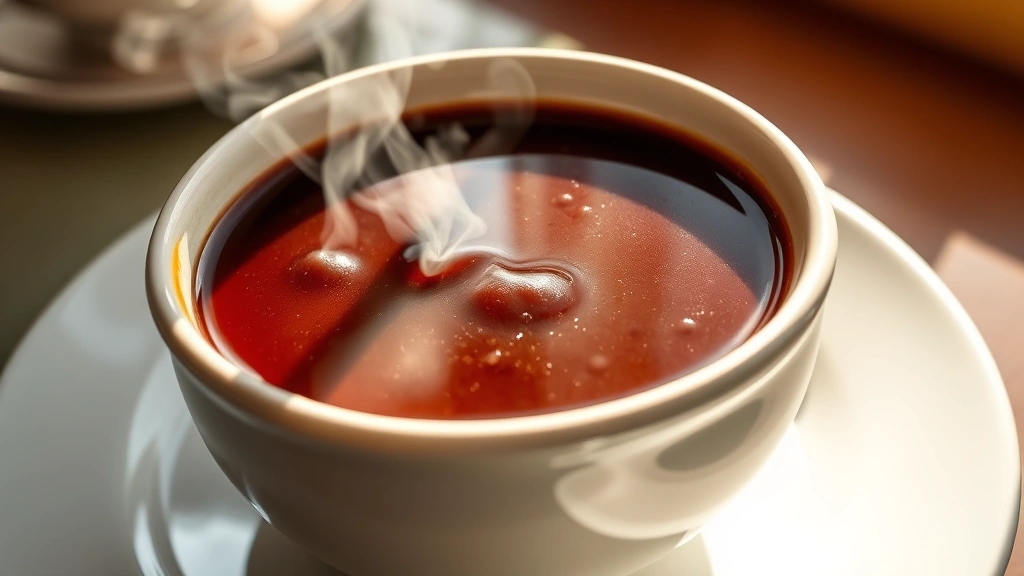
Au jus recipes are the secret weapon that transforms simple beef dishes into restaurant-quality meals worthy of your best dinner parties. This rich, savory sauce is essentially concentrated beef goodness—a deeply flavorful dipping sauce made from beef drippings, broth, and aromatics that elevates everything from French dip sandwiches to elegant beef dinners.
The beauty of au jus is its simplicity. You’re not making some complicated five-ingredient masterpiece; you’re capturing the essence of perfectly roasted beef and turning it into liquid gold. Whether you’re a seasoned home cook or just starting your culinary journey, mastering au jus recipes will forever change how you approach beef cooking.
Jump To Section
Why This Recipe Works
Au jus works because it respects the ingredient it comes from. When you roast beef, all those beautiful flavors get trapped in the pan drippings. Most home cooks pour that liquid down the drain—a tragedy, honestly. Instead, we’re going to harness that magic and transform it into something extraordinary.
The key to exceptional au jus recipes lies in building flavor layers. We start with beef stock (not chicken—this matters), add those precious pan drippings, incorporate aromatic vegetables, and finish with herbs like thyme and bay leaf. The result? A sauce that tastes like it simmered for hours, even though you can make it in minutes.
What makes au jus different from gravy is the approach. Gravy relies on a roux (flour and fat), while au jus is typically thickened naturally through reduction or kept completely unthickened for that classic thin, pourable consistency. This is precisely what makes it so versatile—it clings to meat without coating it heavily.
Ingredient Tips & Substitutions
Let’s talk about the foundation: beef stock. Don’t use vegetable or chicken stock here. You need beef stock because it has the mineral-rich, umami-forward profile that makes au jus sing. If you can’t find quality beef stock at your grocery store, homemade is worth the effort, but in a pinch, a good quality store-bought version works beautifully.
The beef drippings are non-negotiable for authentic au jus recipes. These are the pan juices left over after roasting beef. However, if you’re starting from scratch without roasted beef, you can still create delicious au jus by browning beef scraps or using beef bones in a hot pan first. This Maillard reaction develops those deep, savory flavors your sauce needs.
For aromatics, onion, carrots, and celery are traditional, but feel free to get creative. Some cooks add garlic, mushrooms, or even a splash of red wine for additional complexity. Fresh herbs—particularly thyme, rosemary, and bay leaf—add sophistication without overpowering the beef flavor. Meanwhile, Worcestershire sauce and a pinch of salt and pepper round out the seasoning profile perfectly.
If you want a thicker au jus, cornstarch or arrowroot powder work beautifully without affecting the flavor. Simply whisk your chosen thickener with a tablespoon of cold water, then whisk it into your simmering sauce. For a completely clean, traditional approach, skip the thickener and let the sauce reduce naturally until it reaches your desired consistency.
Preparation & Cooking Methods
There are five exceptional methods for making au jus recipes, each with its own advantages. The stovetop method is the most accessible—it’s quick, forgiving, and requires minimal equipment. Simply heat your pan over medium-high heat, add aromatics, deglaze with beef stock, simmer for 10-15 minutes, then strain and season.
The slow cooker method is perfect for hands-off cooking. Combine beef bones, aromatics, beef stock, and herbs in your slow cooker, then let it work its magic on low for 6-8 hours. This method develops incredibly deep flavor because the long, gentle heat extracts maximum goodness from every ingredient. Additionally, the slow cooker method is fantastic if you’re planning ahead for a dinner party.
Pressure cooker au jus recipes cut cooking time dramatically—from hours to about 30 minutes of active cooking time. The high pressure forces flavors to meld quickly and creates that concentrated, restaurant-quality result. This method works exceptionally well if you’re short on time but unwilling to compromise on flavor.
The roasting pan method is what you’ll use if you’ve just cooked a beautiful beef roast. Immediately after removing your meat, place the pan on the stovetop over medium heat. Add beef stock, scraping up all those flavorful browned bits (the fond) from the bottom. Let it simmer while you rest your meat, then strain and serve. This approach is pure restaurant technique—the fond contains concentrated beef flavor that’s impossible to replicate any other way.
Finally, the braising liquid method transforms your beef braising liquid into silky au jus. When you braise beef low and slow, you’re essentially creating au jus as a byproduct. Simply strain the braising liquid, skim excess fat if desired, and you have a sauce ready to go.
Serving Suggestions
Au jus recipes truly shine when paired with the right dishes. The classic pairing is the French dip sandwich—crispy bread, tender roast beef, and that warm, savory sauce for dipping. Try your au jus with our best sub roll recipe for an unforgettable experience.
Beyond sandwiches, au jus is phenomenal with old fashioned beef and noodles—the sauce soaks into tender egg noodles beautifully. It’s equally stunning over mashed potatoes, roasted vegetables, or creamy polenta. For something more adventurous, drizzle it over tasty steak tacos for a sophisticated twist.
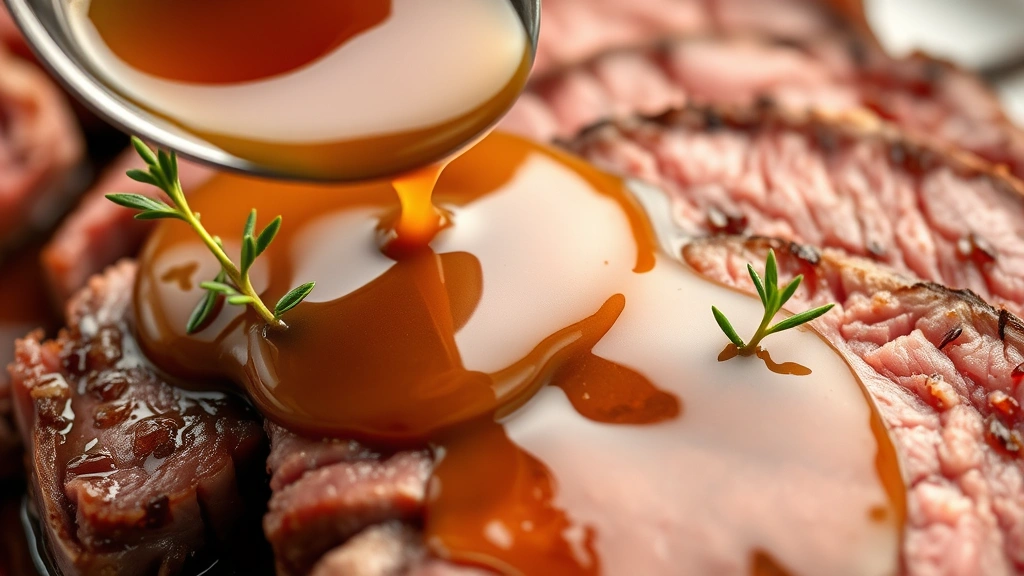
For entertaining, consider serving au jus alongside prime rib or beef tenderloin—your guests will think you trained in a professional kitchen. It’s also wonderful with the perfect BBQ burger as an elegant dipping sauce that elevates the casual into the special.
Even vegetable-forward dishes benefit from a sophisticated beef au jus. Roasted asparagus, Brussels sprouts, or mushrooms become restaurant-caliber sides when finished with a spoonful of this sauce. The key is using au jus as a flavor accent rather than overwhelming the primary ingredient.
Storage & Make-Ahead Tips
One of the best things about au jus recipes is how beautifully they store. In the refrigerator, au jus keeps for up to four days in an airtight container. The fat will solidify on top as it cools—this is actually protective, sealing the sauce from bacteria and oxidation. Simply reheat gently on the stovetop whenever you’re ready to use it.
For longer storage, freeze your au jus in ice cube trays. Once frozen solid, transfer the cubes to freezer bags and they’ll keep for up to three months. This method is incredibly convenient because you can thaw exactly the amount you need without waste. Pop a cube or two into a pan, warm over medium heat, and you have fresh-tasting au jus in minutes.
Make-ahead preparation is one of the smartest strategies for entertaining. Prepare your au jus the day before, refrigerate it, then gently reheat it just before serving. This approach means one less thing to worry about while your guests are arriving. Additionally, you’ll notice the flavor actually deepens overnight as the ingredients continue to meld together.
When reheating au jus, use gentle heat to preserve the delicate flavors. Medium heat on the stovetop works beautifully, or you can warm it in the microwave in 30-second intervals, stirring between each one. Avoid rapid boiling, which can concentrate the flavors too intensely and potentially cause the sauce to break.
For easy vegetable beef soup, au jus recipes provide the perfect liquid base. You can prepare a batch of au jus ahead of time and use it as your soup foundation, creating a restaurant-quality meal from simple ingredients.
Au jus recipes represent one of those magical cooking techniques that seems intimidating until you realize it’s simply respecting your ingredients and building flavor intentionally. Whether you’re using the stovetop, slow cooker, pressure cooker, or pan drippings method, you’re creating something that transforms simple beef into an elegant, memorable meal. Start with whichever method appeals to you most, master it, then explore the others. Your dinner table will thank you for the upgrade.
For additional inspiration on beef sauce techniques, Serious Eats offers excellent beef cooking guides, while the New York Times cooking section features classic French sauce methods. Bon Appétit also provides contemporary takes on traditional sauces.
Ingredients
- 3 cups beef stock
- 1 cup beef drippings or pan juices from roasted beef
- 1 medium onion, quartered
- 2 carrots, roughly chopped
- 2 celery stalks, roughly chopped
- 3 cloves garlic, crushed
- 3 sprigs fresh thyme
- 2 bay leaves
- 1 tablespoon Worcestershire sauce
- 1 teaspoon beef bouillon powder (optional)
- ½ teaspoon salt
- ¼ teaspoon black pepper
- 1 tablespoon cornstarch (optional, for thickening)
- 2 tablespoons cold water (if using cornstarch)
Instructions
- If using roasted beef drippings, pour them into a saucepan and place over medium-high heat. If starting from scratch, heat 2 tablespoons of beef fat in your pan and brown 8 ounces of beef bones or scraps until deeply caramelized, about 5-7 minutes.
- Add the chopped onion, carrots, and celery to the pan. Cook for 3-4 minutes, stirring occasionally, until the vegetables begin to soften and develop light color on their edges.
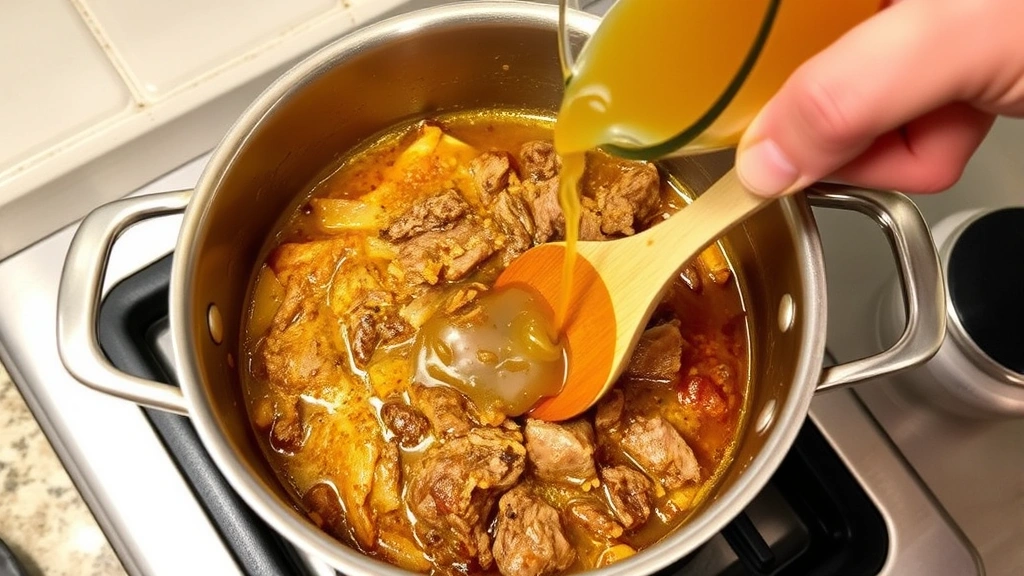
- Pour in the beef stock, scraping the bottom of the pan with a wooden spoon to release all the flavorful browned bits (the fond). This step is crucial for building deep flavor.
- Add the crushed garlic, thyme sprigs, bay leaves, and Worcestershire sauce. Stir well to combine all ingredients.
- Bring the mixture to a gentle simmer over medium heat. Reduce heat to medium-low and simmer for 12-15 minutes, allowing the flavors to meld and the liquid to concentrate slightly.
- If desired, whisk the cornstarch with cold water in a small bowl until smooth, then slowly whisk this mixture into the simmering au jus. Stir constantly for 1-2 minutes until the sauce thickens slightly. Skip this step for traditional, thinner au jus.
- Carefully pour the au jus through a fine-mesh strainer into a clean saucepan or serving vessel, pressing gently on the solids to extract all flavorful liquid. Discard the solids.
- Taste and adjust seasoning with additional salt, pepper, or beef bouillon powder as needed. The sauce should be richly savory without being salty.
- Serve immediately while hot, or prepare ahead and reheat gently on the stovetop before serving.
Pro Tips
The beauty of au jus recipes is their flexibility—you can make them with or without a roux. Traditional French au jus is thinner and pourable, with no thickening agent. However, modern interpretations sometimes add cornstarch for a silkier mouthfeel. Choose whichever method aligns with your preference and the dish you’re serving.
Beef stock quality matters tremendously here. If your store-bought beef stock tastes weak or salty, consider making your own by simmering beef bones with aromatics for 6-8 hours. Homemade stock creates noticeably superior au jus recipes, though good quality store-bought versions work beautifully when time is limited.
For deeper flavor complexity, try adding a tablespoon of tomato paste before the stock, a splash of red wine, or even a pinch of espresso powder. These ingredients enhance the umami and beef flavor without being detectable as individual flavors—they simply make people say “this tastes incredible, what’s in this?”
The aromatics can be customized based on what you have available. Leeks work beautifully instead of onion, mushroom stems add earthiness, and fresh rosemary provides a sophisticated herbal note. Additionally, if you’re making au jus recipes regularly, save vegetable scraps in the freezer specifically for this purpose.
Fat management is important for the finished sauce. If you have excessive fat on top after refrigerating, simply spoon it off before reheating. However, a thin layer of fat actually protects the sauce during storage and adds richness to the finished product, so don’t remove all of it.
Make-ahead tip: Prepare your au jus up to two days in advance, store it in the refrigerator, and gently reheat it just before serving. The flavors actually improve overnight as ingredients continue to meld. This approach eliminates last-minute stress when entertaining and ensures your sauce is perfect when guests arrive.