
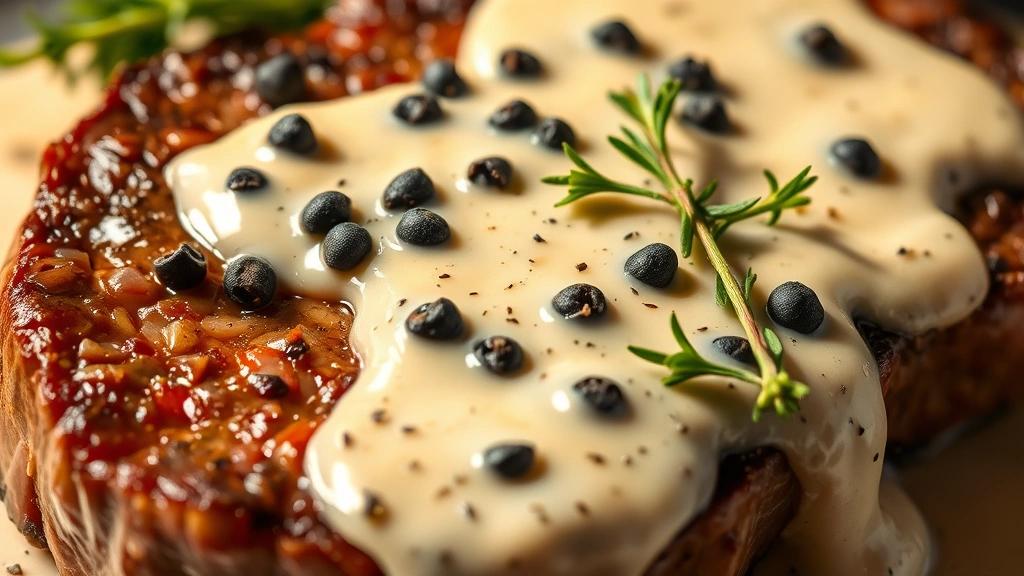
An au poivre sauce recipe is the elegant French solution to turning any protein into something restaurant-worthy in just 10 minutes. This creamy, peppery sauce combines the sophisticated flavors of cognac, beef broth, and crushed peppercorns into a luxurious coating that transforms simple steaks, chicken, or even burgers into something truly special.
I fell in love with au poivre sauce during a trip to Paris years ago. A small bistro near the Seine served the most incredible steak au poivre—the sauce was silky, bold, and absolutely unforgettable. Since then, I’ve mastered this classic French sauce in my own kitchen, and honestly, it’s become my secret weapon for impressing dinner guests without spending hours in the kitchen.
Jump To Section
Why This Recipe Works
What makes this au poivre sauce recipe so special is its perfect balance of simplicity and sophistication. The crushed black peppercorns provide a sharp, complex bite that doesn’t overpower the dish—instead, they create depth and character. Meanwhile, the cognac adds a subtle warmth and elegance that you simply can’t replicate with regular brandy.
The magic happens when you combine the pan drippings from your protein with heavy cream and beef broth. This creates an incredibly silky sauce that clings beautifully to whatever you’re serving it with. Additionally, the cooking technique—where you crush the peppercorns by hand rather than using pre-ground pepper—makes a massive difference in flavor intensity and texture.
This sauce comes together in under 10 minutes, which means you can have a Michelin-worthy dinner on the table faster than you’d think possible. No complicated techniques, no mysterious ingredients, just straightforward French cooking at its finest.
Ingredient Tips & Substitutions
Black peppercorns are non-negotiable here—they’re the star of the show. I always buy whole peppercorns and crush them fresh because pre-ground pepper tastes dusty and flat by comparison. Use a mortar and pestle or even the bottom of a heavy pan to crack them just before cooking.
Cognac brings authenticity and a lovely floral note to the sauce, but if you’re out or prefer not to use alcohol, good-quality brandy works as a solid substitute. For a non-alcoholic version, try a splash of apple cider vinegar mixed with a tablespoon of honey—it adds acidity and depth without the alcohol. However, nothing quite captures that classic French bistro feeling like cognac does.
Heavy cream is essential for that luxurious texture, but if you’re looking for a lighter option, you can substitute half-and-half or even whole milk (though the sauce won’t be quite as rich). Additionally, using homemade beef broth instead of store-bought elevates the entire sauce to another level—the deeper, more complex beef flavor really shines through.
If you’re making this sauce for a mushroom swiss burger, feel free to add sautéed mushrooms to the finished sauce for extra umami and texture. For instance, cremini or portobello mushrooms work beautifully here.
Serving Suggestions & Pairings
Steak is the traditional choice for au poivre sauce—a beautiful ribeye or New York strip becomes absolutely divine when topped with this creamy pepper sauce. But don’t limit yourself to beef. Chicken breasts become elegant dinner party material, and pork tenderloin takes on a sophisticated flair that’ll have everyone asking for your secrets.
For something unexpected, try this sauce over a lamb burger—the peppery sauce complements the rich, gamey flavor of lamb beautifully. Meanwhile, if you’re serving vegetarians, creamy au poivre sauce is stunning over roasted cauliflower steaks or sautéed mushrooms.
Side dish pairings are crucial. Creamy mashed potatoes are classic for a reason—they catch every drop of that gorgeous sauce. Alternatively, buttered egg noodles, crispy roasted potatoes, or even a simple green salad with oil and vinegar dressing provide nice contrast to the richness of the sauce.
Storage & Reheating Instructions
This sauce keeps beautifully in an airtight container for up to three days in the refrigerator. The flavors actually deepen slightly as it sits, making it perfect for meal prep. Just make sure to let it cool to room temperature before storing, and keep it away from foods with strong odors since cream-based sauces absorb flavors easily.
Reheating is straightforward—warm the sauce gently over low heat, stirring frequently to prevent breaking. If it’s thickened too much during storage, whisk in a splash of beef broth or cream to reach your desired consistency. Never boil the sauce after reheating, as high heat can cause the cream to separate and become grainy.
For freezing, this sauce is a bit tricky because cream-based sauces can separate when frozen. However, you can freeze it for up to one month if you’re careful. Thaw it overnight in the refrigerator and reheat gently over low heat, whisking constantly to recombine the ingredients.
Professional Tips for Perfect Results
The foundation of excellent au poivre sauce is proper technique when cooking your protein. You want to develop a beautiful golden crust on your steak or chicken before making the sauce—this creates fond (those flavorful browned bits) that adds incredible depth to your finished sauce. After removing your protein, don’t wash the pan; that fond is liquid gold.
Temperature control matters more than you’d think. Keep your heat at medium to medium-high while making the sauce—too high and the cream can break, too low and you won’t get proper flavor development. Stir frequently and don’t rush the process, even though it only takes 10 minutes total.
One pro tip I learned from a French chef: add the peppercorns to the pan with just a touch of oil before adding the liquid. Let them bloom for 30 seconds or so—this toasts them slightly and releases their essential oils, making the flavor more vibrant and complex. It’s a small step, but it genuinely transforms the sauce.
Additionally, whisking the sauce vigorously for the last minute of cooking incorporates air and creates a silkier, more luxurious mouthfeel. This is what separates homemade au poivre sauce from restaurant-quality au poivre sauce.
For those interested in other classic sauce recipes, Serious Eats has excellent resources on French sauce techniques. Meanwhile, New York Times Cooking features beautiful variations on traditional French dishes that pair wonderfully with this sauce.
This au poivre sauce recipe truly captures the essence of French bistro cooking—elegant, approachable, and absolutely delicious. Once you master this classic, you’ll find yourself making it again and again. It’s the kind of sauce that makes ordinary weeknight dinners feel like you’re dining at a Parisian restaurant, and honestly, that’s pretty special.
Ingredients
- 2 tablespoons whole black peppercorns
- 2 tablespoons unsalted butter
- 1/4 cup cognac or quality brandy
- 1/2 cup beef broth
- 1/2 cup heavy cream
- 1/2 teaspoon Dijon mustard
- 1/4 teaspoon salt
- 1/4 teaspoon fresh thyme (optional)
- Pan drippings from your cooked protein (steak, chicken, etc.)
Instructions
- Crush the black peppercorns coarsely using a mortar and pestle or the bottom of a heavy pan—you want them cracked, not powdered, so they maintain texture and flavor.
- After cooking your steak or protein, remove it from the pan and set aside on a warm plate, keeping the pan on the stovetop with all those delicious drippings.
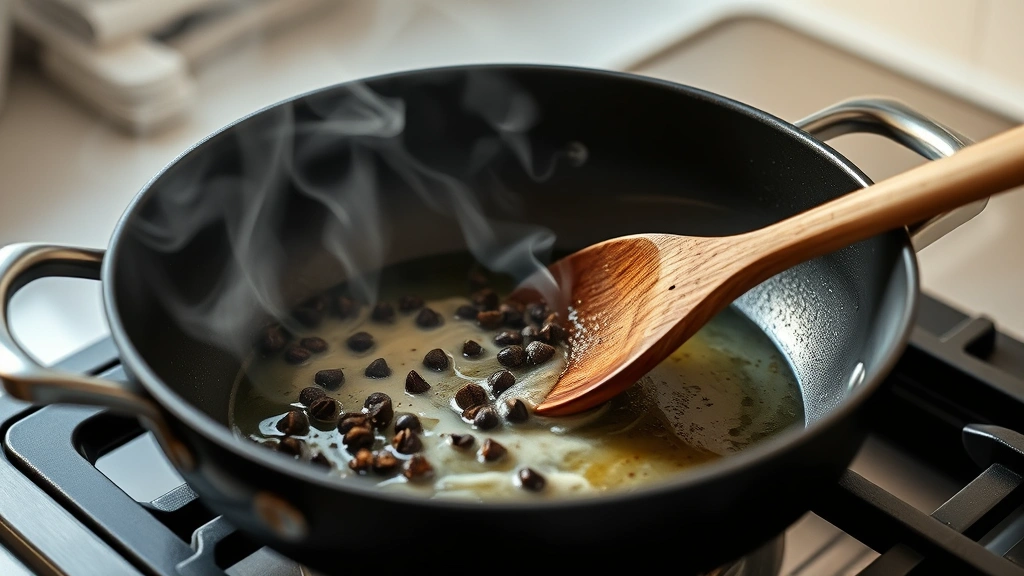
- Melt butter over medium heat in the same pan with the meat drippings, then add the crushed peppercorns and let them toast for about 30 seconds, stirring gently—this releases their essential oils and deepens the flavor.
- Carefully pour in the cognac and let it simmer for 1-2 minutes, scraping up all the fond from the bottom of the pan with a wooden spoon—this is where the magic happens.
- Pour in the beef broth and bring the mixture to a gentle simmer, cooking for about 2 minutes to reduce slightly and concentrate the flavors.
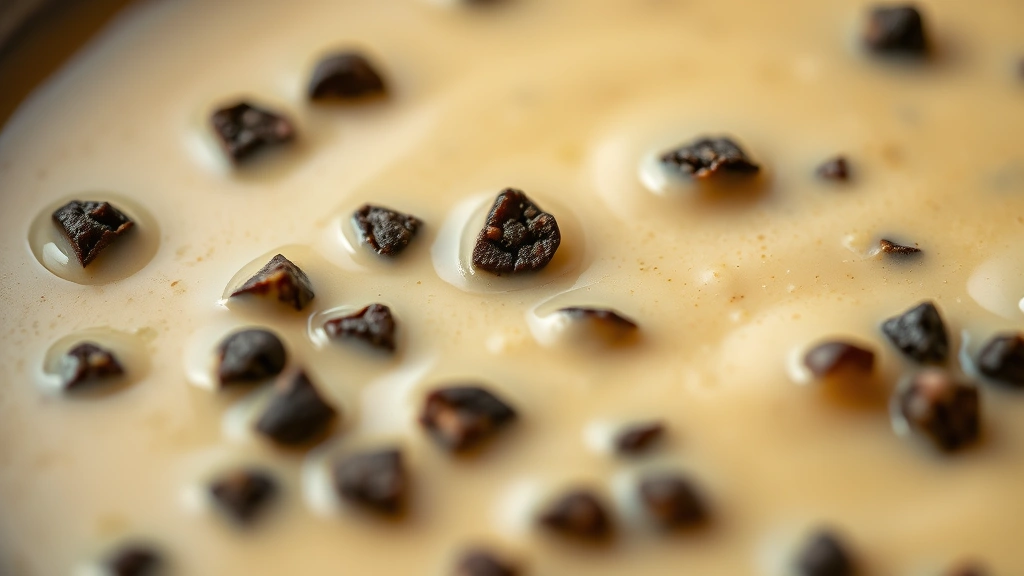
- Reduce heat to low and whisk in the heavy cream and Dijon mustard, stirring constantly until the sauce becomes silky and smooth—this takes about 2-3 minutes.
- Add the salt and fresh thyme if using, then taste and adjust seasonings as needed—you might want a pinch more salt or a tiny splash of extra cognac.
- Pour the finished au poivre sauce over your cooked protein and serve immediately with your favorite sides, making sure each plate gets plenty of that gorgeous, peppery cream sauce.
Pro Tips
This sauce is incredibly versatile, so don’t feel confined to just steak. I’ve made it for chicken breasts, pork chops, and even fish with excellent results. The key is having a good protein with browned bits in the pan—those fond bits create the foundation for an exceptional sauce.
If you prefer a thicker sauce, simply let it simmer a bit longer after adding the cream, or whisk in a tiny bit of cornstarch mixed with cold water (about 1/2 teaspoon of each). For a lighter version, substitute half the heavy cream with beef broth instead—you’ll lose some richness but gain a more delicate sauce that’s still absolutely delicious.
The cognac is important, but if you absolutely can’t use alcohol, try this substitution: use 1/4 cup beef broth plus 1 tablespoon of apple cider vinegar and 1/2 teaspoon of honey. It won’t be identical, but it captures that subtle depth you’re looking for. However, if possible, splurge on decent cognac—it’s truly worth it for this classic French preparation.
Make sure your cream is at room temperature before adding it to the hot sauce—cold cream can sometimes cause the sauce to break. Additionally, always keep the heat at medium or below once the cream is added, as boiling can separate the cream and create a grainy texture. If this happens, don’t panic—simply whisk in an extra tablespoon of cold cream off heat, and it should come back together.
One more trick: if you’re making this sauce ahead of time, you can prepare it without the cream and refrigerate it for up to two days. Then simply reheat gently and whisk in the fresh cream just before serving—this prevents any separation issues and ensures the creamiest possible texture. This approach is perfect for dinner parties when you want to minimize last-minute cooking.
The peppercorns will continue to release flavor as the sauce sits, so if you’re making it ahead, the flavor will actually be more intense. Taste and adjust the salt accordingly, as the concentrated pepper flavor might require less additional seasoning than you’d expect.