
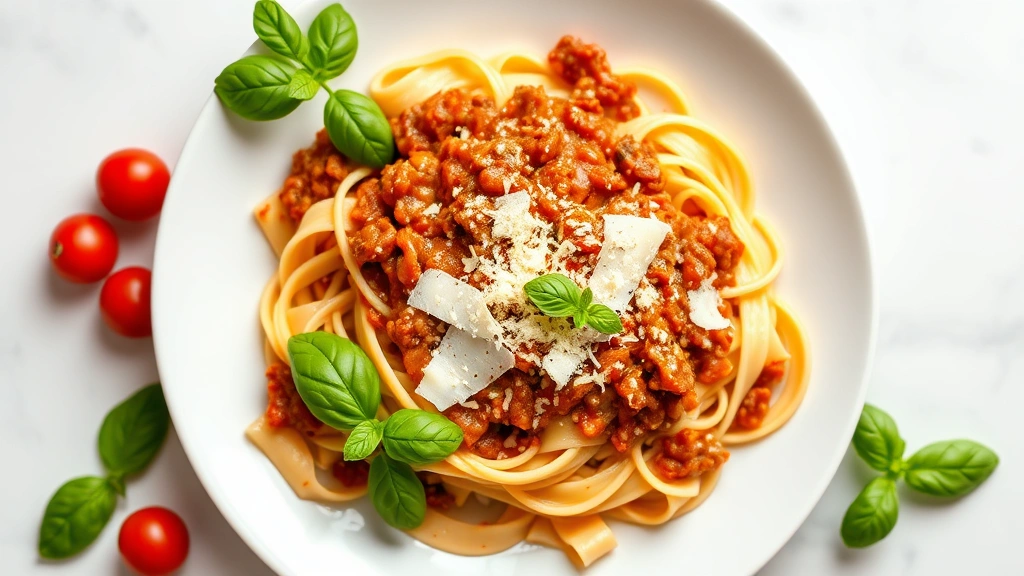
An authentic bolognese recipe is one of those timeless Italian dishes that deserves a place in every home cook’s repertoire. This isn’t the watery red sauce you might find at chain restaurants—it’s a rich, deeply savory meat sauce that’s been perfected over generations in Bologna, Italy. Once you make this version, you’ll understand why Italian families have guarded their bolognese recipes like treasures.
The magic of a true bolognese lies in its simplicity and patience. There are no shortcuts here, just quality ingredients and time. You’ll need ground meat, aromatics, tomatoes, and a whole lot of love simmering away on your stovetop. The result is a sauce so luxurious and complex that it transforms humble pasta into something absolutely extraordinary.
Jump To Section
Why This Recipe Works
What makes this authentic bolognese recipe different from other meat sauces? It’s the combination of beef and pork, which creates a depth of flavor you simply can’t achieve with beef alone. The long, slow simmer—we’re talking 2-3 hours minimum—allows all the flavors to meld and intensify, creating that signature rich, almost velvety texture.
Additionally, this recipe uses whole milk towards the end, a technique straight from Bologna. The milk softens the acidity of the tomatoes and adds a subtle sweetness that balances the earthiness of the meat. It’s a small step that makes an enormous difference. Meanwhile, the soffritto (that holy trinity of celery, carrot, and onion) builds the flavor foundation from the very beginning.
For instance, when you taste this sauce, you’ll notice how the meat almost melts into the sauce rather than sitting in distinct chunks. That’s because the long cooking time breaks down the meat fibers, creating an incredibly cohesive, luxurious sauce. This is what separates an authentic bolognese from a quick weeknight meat sauce.
Ingredient Tips & Substitutions
The combination of ground beef and ground pork is really non-negotiable if you want an authentic result. Beef alone makes the sauce too heavy, while pork alone leaves it lacking depth. However, if you absolutely must choose one, ground beef will give you better results than pork alone. Look for ground beef that’s about 80/20 (80% lean, 20% fat)—the fat content is essential for flavor and texture.
When it comes to tomatoes, canned San Marzano tomatoes are your best friend. They have fewer seeds, lower acidity, and a naturally sweet flavor that works beautifully in this sauce. If you can only find regular canned tomatoes, that’s perfectly fine—just add a pinch of sugar to balance the acidity. Fresh tomatoes don’t work well for this recipe since the long cooking time would turn them bitter.
The milk might seem unusual, but trust the process. Use whole milk for the richest flavor. Some cooks prefer to use heavy cream, which works beautifully too. You could also try easy Tuscan chicken pasta if you’re looking for a lighter alternative with similar Italian flavors.
Don’t skip the white wine—it adds brightness and helps tenderize the meat. A dry white wine like Pinot Grigio or Sauvignon Blanc works perfectly. If you don’t have wine on hand, you can substitute it with beef broth, though you’ll lose some of that bright acidity.
The Cooking Process Explained
Start by heating your olive oil and building your soffritto. This step takes about 8-10 minutes, and you want the vegetables to become soft and aromatic without browning. This creates the flavor foundation for everything that follows.
Once your soffritto is ready, add the meat and brown it thoroughly. This isn’t about creating a crust; it’s about breaking up the meat into small pieces and cooking out any excess moisture. Take your time here—rushing this step means you’ll end up with larger meat chunks instead of that signature fine texture.
The wine deglazes the pan and adds brightness. Let it reduce almost completely before adding the tomatoes. This concentration of flavors is what creates that deeply savory bolognese character. Then comes the tomatoes, and here’s where patience becomes your best ingredient.
Low heat and a long simmer are absolutely essential. The sauce should bubble very gently, almost lazily, for at least two hours. Some traditional recipes call for three hours or even longer. The longer it simmers, the more the flavors intensify and the more the meat breaks down. Stir occasionally to ensure nothing sticks to the bottom.
About 30 minutes before the sauce is finished, add the milk. This might seem strange—adding dairy to a tomato sauce—but it’s a traditional step that works beautifully. The milk mellows the acidity and adds a subtle sweetness and richness that makes the sauce feel luxurious.
Serving Suggestions
Traditionalists in Bologna serve bolognese with fresh egg tagliatelle, not spaghetti. The flat, wide ribbons of tagliatelle catch and hold the sauce better than thin spaghetti strands. However, you can serve this sauce with whatever pasta shape you love—pappardelle, fettuccine, penne, or even layered in a best spaghetti casserole for a comforting baked pasta dish.
Toss the hot pasta with the sauce and finish with a generous handful of freshly grated Parmigiano-Reggiano cheese. A crack of black pepper and a drizzle of good olive oil complete the dish. Some cooks like to add a splash of pasta water to loosen the sauce slightly—this is a great technique if your sauce seems too thick.
This sauce pairs beautifully with a simple side salad, perhaps a best Waldorf salad for something classic and crisp. Add some crusty bread—maybe best sourdough sandwich bread—for soaking up every last drop of sauce.
Storage & Make-Ahead Tips
This is one of those recipes that actually improves with time. Make it a day ahead if you can—the flavors will deepen and meld even more overnight. Store the sauce in an airtight container in the refrigerator for up to four days, or freeze it for up to three months.
To freeze, let the sauce cool completely, then transfer it to freezer bags or containers. Leave a little headspace if using bags, as the sauce will expand slightly as it freezes. Thaw overnight in the refrigerator and reheat gently on the stovetop over low heat, stirring occasionally and adding a splash of water if it seems too thick.
You can also make a double batch and freeze half for a future meal. There’s something wonderful about having homemade bolognese sauce ready to go on a busy weeknight. Just thaw, reheat, cook your pasta, and you have a restaurant-quality dinner in minutes.
For a healthier twist or different flavor profile, check out best traditional pasta fagioli, which offers a lighter bean-based alternative. Or try best lemon pasta for something completely different.
According to Serious Eats, the key to authentic bolognese is respecting the cooking time and using quality ingredients. Bon Appétit emphasizes the importance of the meat-to-tomato ratio, while New York Times Cooking celebrates how this sauce transforms simple pasta into something special.
This authentic bolognese recipe represents years of Italian culinary tradition in a single pot. It’s comfort food at its finest, the kind of dish that brings families together and creates lasting memories around the dinner table. Make it, share it, and watch how it becomes a favorite in your home too.
Ingredients
- 3 tablespoons olive oil
- 1 medium onion, finely diced
- 2 medium carrots, finely diced
- 2 celery stalks, finely diced
- 8 ounces ground beef
- 8 ounces ground pork
- 1 cup whole milk
- ½ cup dry white wine
- 1 can (28 ounces) San Marzano tomatoes, crushed by hand
- 3 tablespoons tomato paste
- 2 bay leaves
- 1 teaspoon salt
- ½ teaspoon black pepper
- ¼ teaspoon nutmeg
- Pinch of sugar (if needed)
- Fresh egg tagliatelle or pasta of choice
- Freshly grated Parmigiano-Reggiano cheese
- Fresh basil leaves (optional garnish)
Instructions
- Heat the olive oil in a large, heavy-bottomed pot or Dutch oven over medium heat. Add the diced onion, carrot, and celery—this is your soffritto. Cook gently for 8-10 minutes, stirring frequently, until the vegetables are soft and fragrant but not browned.
- Increase the heat to medium-high and add the ground beef and pork. Break up the meat with a wooden spoon, stirring frequently to ensure it cooks evenly into small pieces rather than large chunks. Cook for 8-10 minutes until the meat is no longer pink and any excess moisture has evaporated.
- Pour in the white wine, scraping up any flavorful bits stuck to the bottom of the pot. Let the wine reduce almost completely, about 5-7 minutes, until you can barely smell the alcohol.
- Stir in the tomato paste and cook for 2-3 minutes, stirring constantly, allowing it to caramelize slightly and deepen in color.
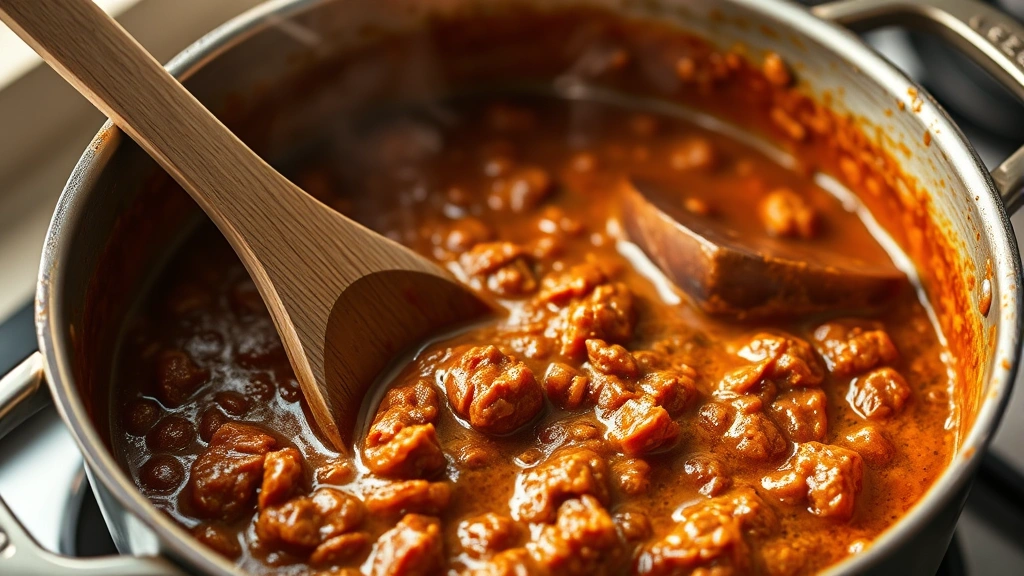
- Add the crushed tomatoes, bay leaves, salt, pepper, and nutmeg. Stir well to combine. Reduce the heat to low and let the sauce simmer very gently, partially covered, for about 1 hour 45 minutes to 2 hours. The sauce should bubble only occasionally, almost lazily.
- Stir the sauce occasionally during cooking to ensure nothing sticks to the bottom. If it seems too thick at any point, add a splash of water. Taste and adjust seasonings as needed—add a pinch of sugar if the sauce tastes too acidic.
- About 30 minutes before the sauce is finished cooking, stir in the whole milk. The sauce will look a bit curdled at first, but don’t worry—as it simmers, the milk will incorporate beautifully and add a subtle sweetness and richness.
- Continue simmering for the final 30 minutes, stirring occasionally, until the sauce is rich, deeply colored, and the meat is completely tender and almost dissolved into the sauce.
- Remove the bay leaves and taste one final time, adjusting salt and pepper as needed. The sauce should coat the back of a spoon and have a velvety texture.
- Cook your pasta according to package directions in a large pot of salted boiling water until al dente. Reserve 1 cup of pasta water before draining.
- Toss the hot pasta with the bolognese sauce, adding a splash of pasta water if needed to create a silky consistency. Divide among serving bowls and top generously with freshly grated Parmigiano-Reggiano cheese, a crack of black pepper, and a few fresh basil leaves if desired. Serve immediately.
Pro Tips
The soffritto is your foundation, so don’t rush this step. The vegetables need time to soften and release their flavors gently. Browning them would add bitterness, which isn’t what we want here.
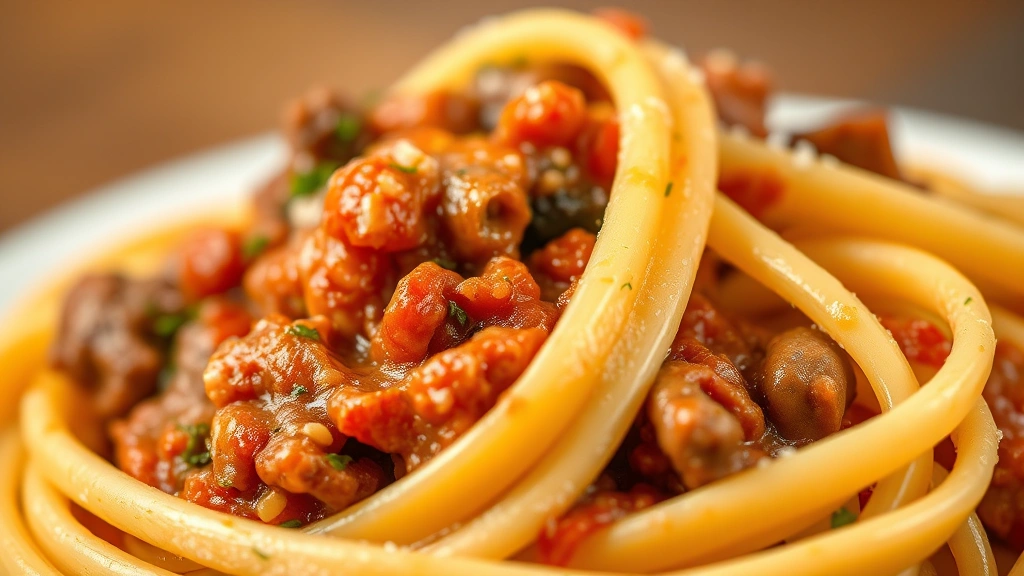
When browning the meat, break it up into small pieces as it cooks. This creates that signature fine texture that makes authentic bolognese so special. If you let the meat sit in large clumps, you’ll end up with something more resembling ground meat sauce rather than true bolognese.
The long, slow simmer is non-negotiable. This isn’t a quick weeknight sauce—it’s a labor of love that rewards patience. During this time, the flavors intensify, the meat breaks down completely, and the sauce transforms into something luxurious and complex. Your kitchen will smell absolutely amazing while it’s cooking.
Adding milk might seem strange, but it’s a traditional technique from Bologna that really works. The dairy mellows the acidity of the tomatoes and adds a subtle sweetness that balances the earthiness of the meat. Don’t skip this step if you want an authentic result.
If you prefer not to use milk, you can substitute with heavy cream or even a splash of beef broth, though the flavor profile will be slightly different. The milk is what gives authentic bolognese its characteristic velvety texture and subtle sweetness.
For substitutions: If you can’t find San Marzano tomatoes, regular canned crushed tomatoes work fine—just add a pinch of sugar to balance any excess acidity. You can replace the pork with more beef if necessary, though you’ll lose some of the complexity. The wine is important for brightness, but vegetable broth is an acceptable substitute.
Make-ahead tip: This sauce actually tastes better the next day after the flavors have had time to meld. Make it a day ahead, refrigerate, and reheat gently before serving. You can also freeze half the batch for future meals—it keeps beautifully for up to three months.
Storage: Keep the sauce in an airtight container in the refrigerator for up to four days. To freeze, cool completely and transfer to freezer bags or containers, leaving a little headspace. Thaw overnight in the refrigerator and reheat gently on the stovetop, adding a splash of water if it seems too thick.
Serving tip: Traditional bolognese is served with fresh egg tagliatelle, which has the perfect surface area to catch and hold the sauce. However, you can use any pasta shape you love. Remember to reserve pasta water—a splash or two helps create a silky, cohesive dish.