
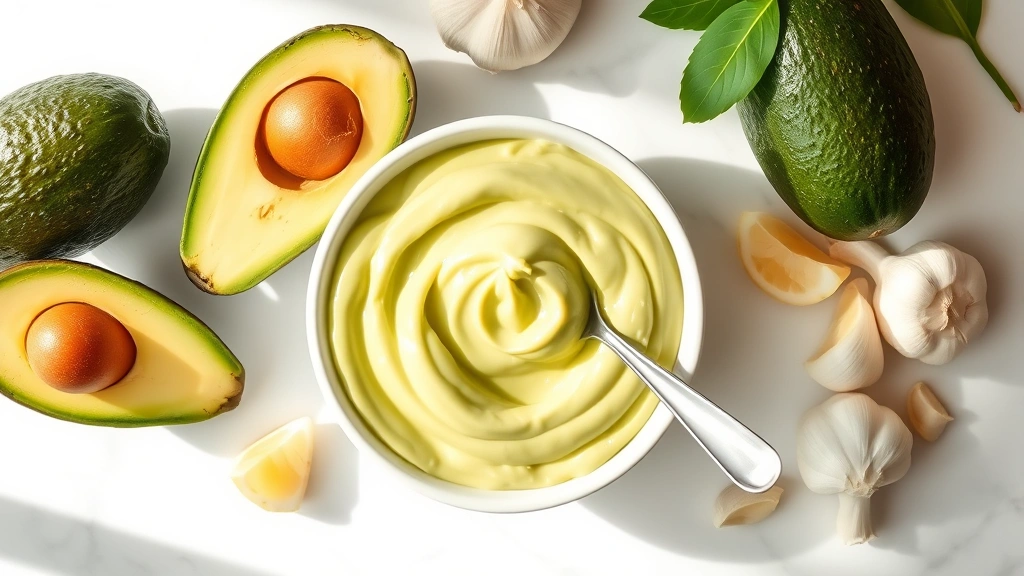
This avocado mayo recipe is about to become your new kitchen secret. In just five minutes, you’ll have a silky, creamy condiment that transforms everything from sandwiches to salads into something absolutely extraordinary.
I discovered the magic of avocado mayo quite by accident. While experimenting with ways to use up perfectly ripe avocados, I realized that blending them into mayo created something far superior to store-bought versions. The result? A luxurious spread that’s naturally rich, slightly green, and infinitely more interesting than traditional mayo. Your taste buds will thank you.
Jump To Section
Why This Recipe Works
The beauty of this avocado mayo recipe lies in its simplicity and versatility. Avocados bring a natural creaminess that requires no heavy ingredients or artificial thickeners. You’re essentially combining healthy fats with tangy flavors to create something that feels indulgent yet wholesome.
What makes this truly special is how quickly it comes together. Unlike traditional homemade mayo that requires patience and careful whisking, this version blends smooth in minutes. The creamy texture is guaranteed, even for kitchen novices. Additionally, because you’re working with just a handful of ingredients, every element shines through without competing flavors.
This condiment works beautifully on tuna burger patties, adding richness and subtle avocado flavor that elevates the entire sandwich. However, it’s equally at home on toasted bread, tucked into lettuce wraps, or dolloped onto grain bowls.
Ingredient Tips & Substitutions
The foundation of this recipe depends on using ripe avocados—not too hard, not mushy. They should yield slightly to gentle pressure. If your avocados aren’t quite ripe, leave them on the counter for a day or two. Timing matters here because overripe avocados can taste bitter.
For the acid component, fresh lemon juice is my preference, though lime juice works beautifully too if you’re craving a brighter, more tropical note. The acidity not only adds flavor but also prevents the avocado from browning too quickly. Meanwhile, good quality egg yolks make a noticeable difference—they should be at room temperature for the best emulsion.
Garlic adds a subtle punch, but start with just a small clove. You can always add more, but you can’t take it out. If raw garlic feels too intense, try roasted garlic instead for a mellower, sweeter flavor. For those avoiding eggs, Serious Eats recommends aquafaba (chickpea liquid) as a reliable substitute that still creates proper emulsion.
The oil you choose matters more than you’d think. Neutral oils like avocado oil or light olive oil blend smoothly without overpowering the avocado. Extra virgin olive oil, while delicious, can sometimes mask the delicate avocado flavor. For a lighter version, you might use fewer egg yolks and rely more heavily on the avocado’s natural fat content.
Serving Suggestions & Pairings
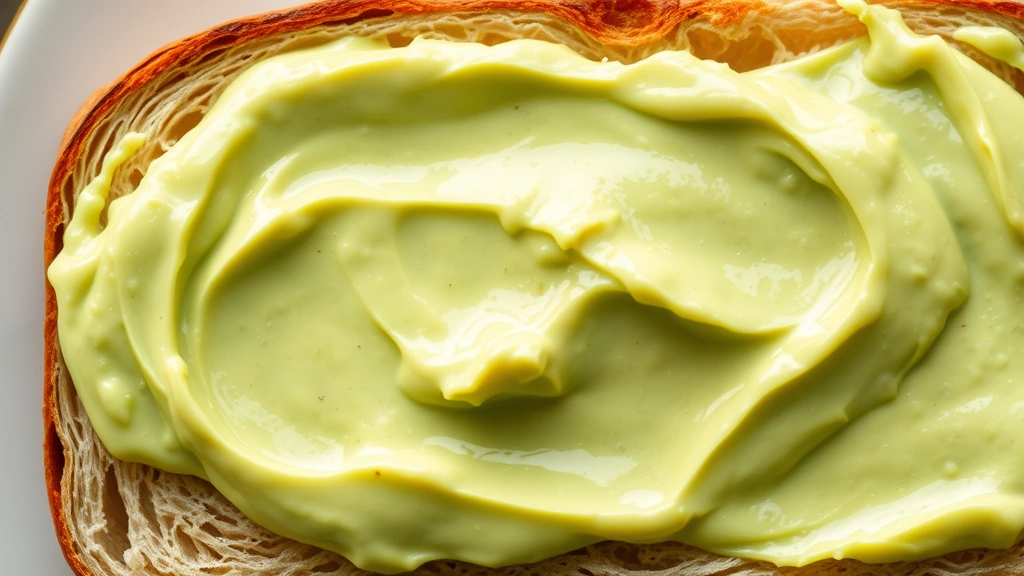
Once you’ve made this avocado mayo recipe, you’ll find endless ways to use it. Spread it on sandwiches instead of boring old mayo—it pairs beautifully with turkey, roasted vegetables, or crispy bacon. The creamy texture clings to bread perfectly while adding genuine depth.
Try it with shrimp quesadillas, where its richness complements the savory seafood. Or dollop it onto lamb burgers for a sophisticated flavor combination that feels restaurant-worthy.
For a lighter approach, use it as a salad dressing base. Mix a spoonful with a bit more lemon juice and you’ve got an instant vinaigrette. This works particularly well on Mexican chicken salads where the avocado flavor enhances rather than competes. Additionally, it makes an excellent dip for vegetables or chips when thinned slightly with a bit of water or lime juice.
Fish tacos become instantly elevated when topped with a spoonful of this creamy condiment. Grain bowls, roasted vegetable plates, and even simple grilled fish benefit from its luxurious texture. For instance, Mediterranean salads gain a modern twist when dressed with avocado mayo thinned with a touch of white wine vinegar.
Storage & Shelf Life
This is where you need to be honest with yourself: homemade avocado mayo doesn’t last as long as the bottled stuff. That’s because there are no preservatives, and avocado naturally browns when exposed to air. Plan to use it within 24 hours for best flavor and color.
To extend its life slightly, press plastic wrap directly onto the surface before refrigerating. This minimizes air exposure and slows browning. If some discoloration happens around the edges, simply scoop it away—the interior should remain perfectly green and delicious. For longer storage, freeze small portions in ice cube trays, then pop them out and store in freezer bags for up to three months.
The frozen cubes work beautifully on hot sandwiches or bowls where they’ll melt slightly and distribute evenly. However, the texture becomes slightly softer upon thawing, so frozen mayo works best as a spread or sauce rather than eaten straight. This means making this recipe more frequently is actually the best solution—it’s so quick, after all.
Pro Tips for Perfect Results
Temperature matters more than most people realize. Both your egg yolks and avocado should be at room temperature before blending. Cold ingredients make emulsion difficult and can result in a broken, grainy texture instead of that silky smoothness you’re after.
Start the emulsion slowly. Add your oil in just a thin drizzle at first, allowing each bit to fully incorporate before adding more. This patience at the beginning ensures a stable emulsion. Once the mixture begins to thicken and emulsify, you can increase the oil flow slightly.
If your mayo breaks and becomes thin and separated, don’t panic. Start fresh with another room-temperature egg yolk in a clean bowl, then slowly whisk in the broken mayo as if you’re creating the sauce from scratch. This often saves the batch. Additionally, having all ingredients prepped and ready before you begin makes the whole process smoother and less stressful.
For the best results, use a food processor or blender rather than whisking by hand. The mechanical action ensures proper emulsion and creates that impossibly silky texture. New York Times Cooking suggests this method for foolproof results every time.
This avocado mayo recipe has genuinely changed how I approach condiments. What once seemed like something to buy at the supermarket is now something I make with pride. It’s creamy, it’s elegant, and it’s ready in five minutes. That’s the kind of kitchen magic worth celebrating.
Ingredients
- 1 ripe avocado, halved and pitted
- 1 egg yolk, room temperature
- 1/2 cup neutral oil (avocado or light olive oil)
- 2 tablespoons fresh lemon juice
- 1 small garlic clove, minced
- 1/4 teaspoon sea salt
- 1/8 teaspoon white pepper
- Pinch of cayenne pepper (optional)
Instructions
- Scoop the avocado flesh into a food processor or blender, discarding the skin and pit. Make sure your avocado is ripe but not overripe—it should be creamy and soft, not mushy.
- Add the room-temperature egg yolk, lemon juice, minced garlic, salt, and white pepper to the food processor with the avocado.
- Pulse everything together until the mixture is smooth and well combined, about 10-15 seconds. The mixture should look pale green and creamy at this point.
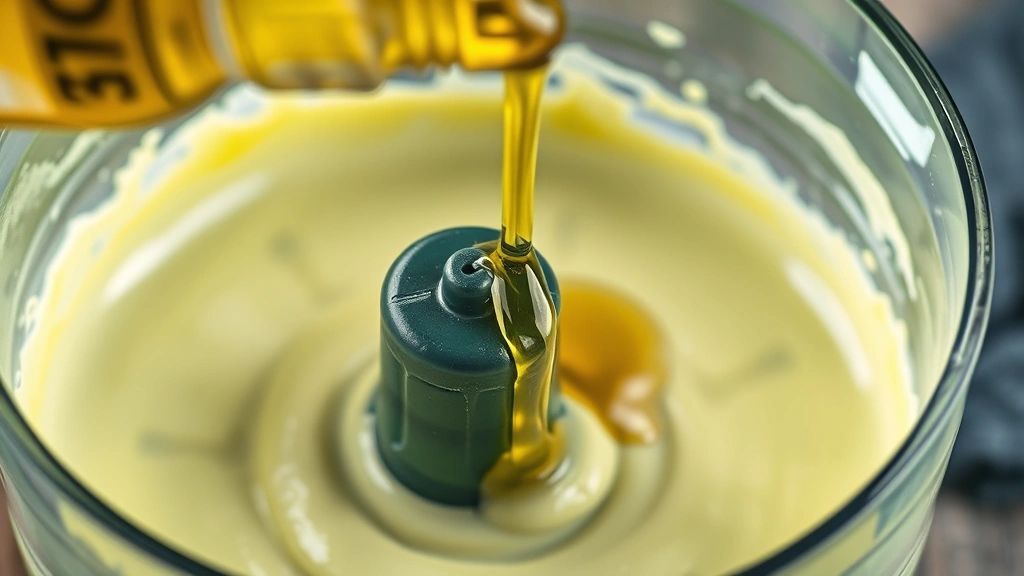
- With the food processor running on low speed, begin adding the oil in a very thin, steady drizzle—just a few drops at a time. This slow addition is crucial for proper emulsion and will prevent the mayo from breaking.
- Continue adding the oil gradually as the mixture incorporates and thickens. Once the mayo becomes visibly thicker and emulsified (after about 1/4 cup of oil), you can increase the flow slightly, but maintain a steady stream rather than pouring.
- Keep adding oil until you’ve incorporated all of it and the mayo reaches your desired thickness. The finished product should be silky, smooth, and pale green with a spreadable consistency.
- Taste and adjust seasonings as needed—add more lemon juice for brightness, more salt for depth, or a pinch of cayenne for subtle heat. Pulse briefly to combine any adjustments.
- Transfer to a clean jar or container, press plastic wrap directly onto the surface to minimize air exposure, and refrigerate until ready to use. Use within 24 hours for best flavor and color.
Pro Tips
Make sure your egg yolk is truly at room temperature before starting. Cold eggs make emulsion difficult and can result in a broken, grainy texture. If your mayo does break and becomes thin, don’t throw it away—start with a fresh egg yolk in a clean bowl and slowly whisk in the broken mayo to rescue it.
For an egg-free version, use 2 tablespoons of aquafaba (the liquid from canned chickpeas) instead of the egg yolk. It creates an equally stable emulsion and works beautifully for those with dietary restrictions or preferences. The result is slightly less rich but still wonderfully creamy.
The oil you choose impacts the final flavor significantly. Avocado oil has a neutral taste and pairs perfectly with avocado. Light olive oil works well too, but avoid extra virgin olive oil as it can overpower the delicate avocado flavor. Grapeseed oil or sunflower oil are also excellent neutral options.
Garlic intensity varies depending on freshness and size, so start with less and add more if needed. Roasted garlic creates a sweeter, milder flavor if you prefer a gentler approach. Meanwhile, fresh ginger or a dash of smoked paprika can add interesting flavor variations if you’re feeling adventurous.
Storage requires some honesty—this mayo browns relatively quickly compared to store-bought versions because avocado oxidizes when exposed to air. Press plastic wrap directly onto the surface before refrigerating to slow browning, and plan to use within 24 hours for best results. Freezing in ice cube trays extends shelf life to three months, though the texture softens slightly upon thawing.
This recipe scales beautifully if you need larger quantities. Simply multiply all ingredients proportionally, though you may need to add oil more slowly when making bigger batches. For smaller quantities, you can halve everything, though working with just half an egg yolk is trickier—try using an egg yolk substitute instead for easier measuring.
Troubleshooting tip: if your mayo seems too thick, thin it with a teaspoon or two of water or additional lemon juice, pulsing gently to combine. If it’s too thin, you likely added the oil too quickly—whisk in another room-temperature egg yolk gradually to stabilize and thicken it up. Patience during the oil addition phase prevents most problems entirely.