
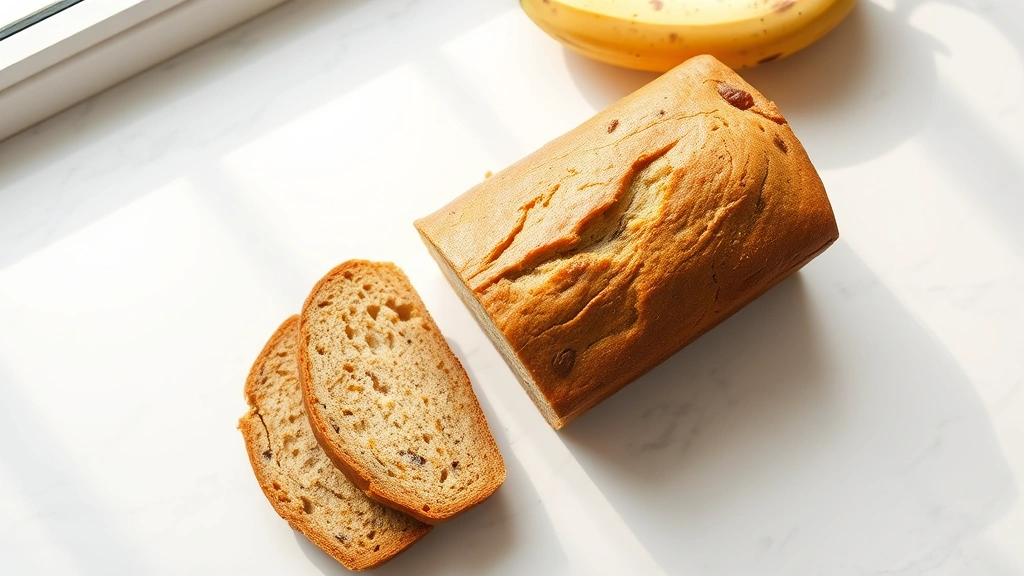
Banana recipes with ripe bananas are an absolute game-changer in the kitchen. Those spotty, golden bananas that sit in your fruit bowl are exactly what you need to create the most delicious, moist, and flavorful treats imaginable.
There’s something magical about perfectly ripe bananas. They’re sweeter, creamier, and packed with natural sugars that make baked goods incredibly tender and desserts wonderfully indulgent. If you’ve ever wondered what to do with those bananas that are getting darker by the day, wonder no more—this is your moment to shine in the kitchen.
Jump To Section
I’ve been baking and cooking with ripe bananas for years, and I can confidently say that the difference between using underripe and perfectly ripe fruit is night and day. The deeper the color, the more developed the flavor. This is why banana bread made with those speckled beauties tastes so much better than versions made with pale yellow fruit.
Why This Recipe Works
Ripe bananas are nature’s perfect baking ingredient. They add moisture without requiring extra oil or butter, they provide natural sweetness so you can reduce added sugar, and they create that coveted tender crumb that keeps baked goods fresh longer.
The starches in bananas have converted to sugars, which means they caramelize beautifully in the oven. Additionally, the pectin structure breaks down slightly, making the fruit easier to mash into a smooth puree. This results in better incorporation into batters and more uniform texture throughout your finished dish.
What makes banana recipes with ripe bananas so forgiving is their versatility. You can use them in quick breads, smoothies, puddings, cakes, muffins, cookies, and even savory dishes. Meanwhile, they work beautifully as a substitute for eggs in vegan baking or as a natural sweetener in breakfast bowls and oatmeal.
Ingredient Tips & Substitutions
The key to choosing ripe bananas is looking for deep yellow skin with brown spots—not too many dark patches, but definitely plenty of speckles. These bananas are at their peak flavor and texture. If your bananas are already brown-skinned, peel and freeze them immediately for later use in smoothies or baking.
For most banana recipes, you’ll want to mash your fruit until completely smooth with no lumps remaining. A fork works perfectly fine, though some people prefer using a potato ricer or immersion blender for extra smoothness. However, if you’re making banana bread pudding or layered desserts, you might want slightly chunkier pieces for textural interest.
One ripe medium banana typically yields about ⅓ to ½ cup of mashed banana. This measurement is crucial for maintaining the right ratio in your recipes. If a recipe calls for 1 cup mashed banana, you’ll need roughly 3 medium bananas or 2 large ones.
For those looking to expand their baking horizons, consider pairing bananas with complementary flavors like chocolate, vanilla, cinnamon, nutmeg, and peanut butter. You might also explore making fresh fruit-based sides that showcase the natural sweetness of ripe fruit in unexpected ways.
Serving Suggestions & Flavor Pairings
Banana recipes with ripe bananas shine brightest when paired with the right accompaniments. A slice of warm banana bread tastes incredible with a cup of coffee or tea, while banana muffins make the perfect grab-and-go breakfast item.
For desserts, consider serving banana cake with cream cheese frosting, banana pudding with whipped cream and vanilla wafers, or banana bread with a simple glaze. These combinations elevate the humble banana into something truly special. For instance, pairing a banana-based dessert with a light dusting of cinnamon or a drizzle of dark chocolate adds sophistication and depth.
Breakfast enthusiasts will love layering mashed bananas with yogurt and granola for a quick parfait, blending them into smoothie bowls, or simply spreading them on whole grain toast with almond butter. The natural sweetness means you skip the need for additional sweeteners, making these options perfect for mindful eating.
If you’re entertaining, banana bread pudding becomes an elegant dinner-party dessert, especially when topped with bourbon sauce or caramel drizzle. For casual gatherings, banana cookies or banana energy balls offer simple, shareable treats that disappear quickly.
Storage & Reheating Tips
Most banana baked goods store beautifully for 3-4 days when kept in an airtight container at room temperature. However, banana bread actually improves after a day or two as flavors continue to develop and the crumb sets perfectly.
For longer storage, wrap cooled banana baked goods tightly in plastic wrap and foil, then freeze for up to 3 months. When you’re ready to enjoy them, thaw overnight at room temperature or warm individual slices in the microwave for 20-30 seconds.
Banana pudding and other chilled desserts keep well in the refrigerator for up to 5 days, though wafers or cookies on top are best added shortly before serving to maintain their crispness. Smoothies should be consumed immediately after blending, but you can prep and freeze banana slices in advance for convenient smoothie-making throughout the week.
One clever trick: always peel and slice extra ripe bananas before they become overripe, then freeze them on a baking sheet. Once frozen solid, transfer them to freezer bags. This way, you’ll always have ripe banana ready for baking, smoothies, or ice cream bases.
Why Ripe Bananas Matter Most
Understanding the science behind ripe bananas helps you become a better baker and cook. As bananas ripen, the chlorophyll breaks down, revealing the yellow pigment underneath. Simultaneously, enzymes convert starches into sugars, which is why ripe bananas taste sweeter and work better in recipes.
The texture also changes significantly. Ripe bananas have a creamier, softer flesh that mashes into a silky puree. This translates directly to more moist, tender baked goods with superior crumb structure. Additionally, the aroma becomes more pronounced and inviting, which actually enhances the perception of flavor when you eat the finished dish.
Professional bakers and pastry chefs specifically seek out the spottiest bananas for this exact reason. They understand that banana recipes with ripe bananas consistently deliver superior results in terms of moisture, flavor, and texture.
If you’ve been intimidated by baking or wondering how to use up those aging bananas, today is your day to embrace the possibilities. From comfort food classics to creative modern desserts, ripe bananas open up a world of culinary opportunities that will impress your family and friends.
For additional inspiration beyond traditional baking, you might explore fresh recipe collections that showcase seasonal ingredients, or check out quick preparation techniques for busy weekdays.
Start with the ripest bananas in your kitchen today. Peel them, mash them, and create something delicious. Whether you’re baking banana bread for the first time or perfecting a family recipe, you’re about to discover why ripe bananas are the secret ingredient to irresistible homemade treats.
Ingredients
- 3 medium ripe bananas, peeled and mashed (about 1 cup)
- ½ cup unsalted butter, softened
- ¾ cup granulated sugar
- 2 large eggs
- 1 teaspoon vanilla extract
- 1¾ cups all-purpose flour
- 1 teaspoon baking soda
- ½ teaspoon salt
- ¼ teaspoon ground cinnamon
- ⅛ teaspoon ground nutmeg
- ½ cup sour cream or Greek yogurt
Instructions
- Preheat your oven to 350°F and grease a 9×5-inch loaf pan with cooking spray or butter.
- In a large mixing bowl, cream together softened butter and granulated sugar until light and fluffy, about 2-3 minutes of beating.
- Add eggs one at a time, beating well after each addition, then stir in vanilla extract until fully combined.
- Gently fold in your mashed ripe bananas until no streaks of banana remain visible in the mixture.
- In a separate bowl, whisk together flour, baking soda, salt, cinnamon, and nutmeg to combine evenly.
- Alternate adding the dry ingredient mixture and sour cream to the banana mixture, beginning and ending with dry ingredients, and mix until just combined—don’t overmix.
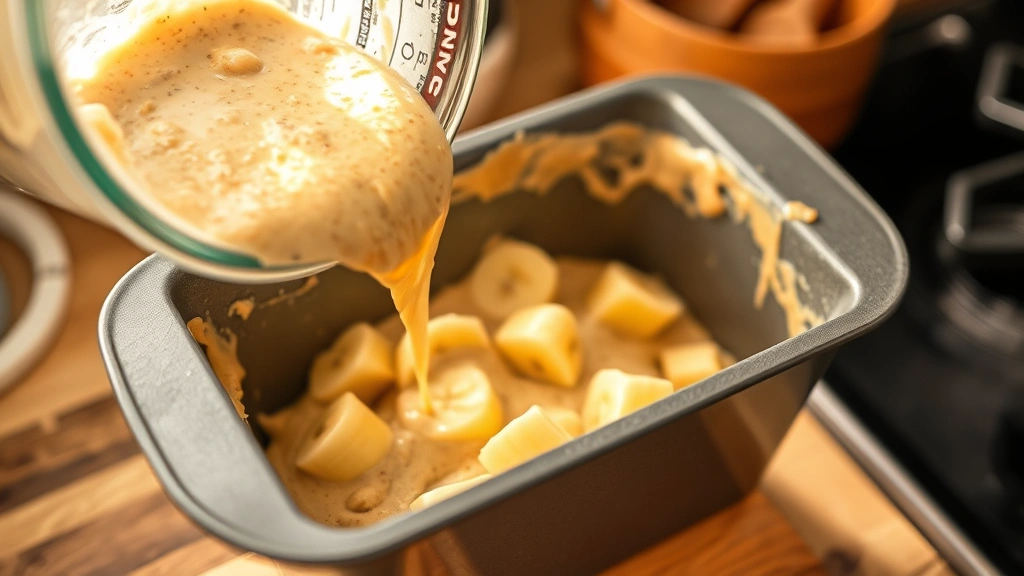
- Pour the batter into your prepared loaf pan, smoothing the top with a spatula.
- Bake for 50-60 minutes, or until a toothpick inserted into the center comes out with just a few moist crumbs attached.
- Allow the banana bread to cool in the pan for 10 minutes, then turn out onto a wire rack to cool completely.
- Once cooled, slice and serve warm or at room temperature, storing leftovers in an airtight container.
Pro Tips
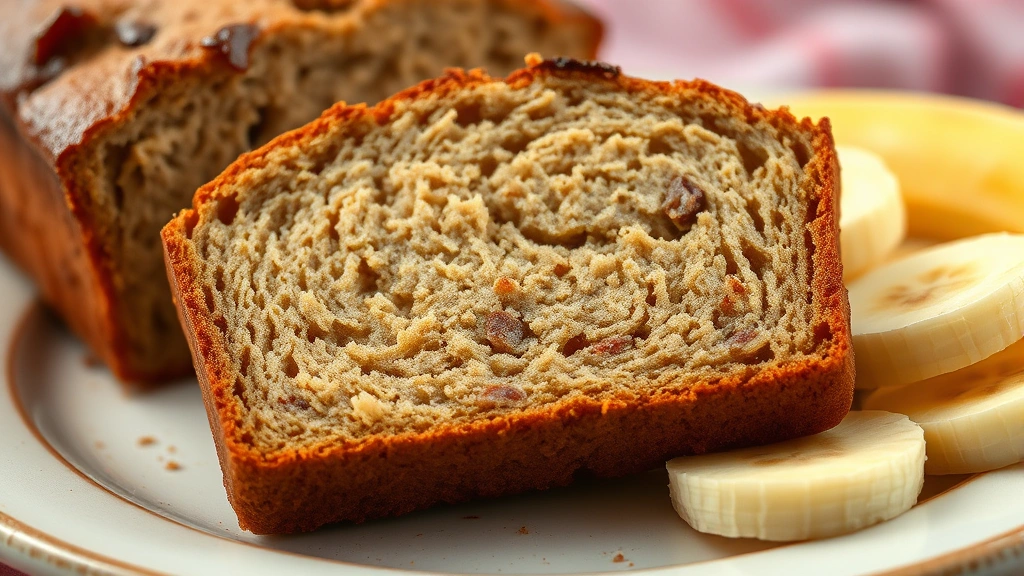
This classic banana bread recipe showcases why ripe bananas are essential for baking. The deeper the brown spots on your bananas, the more naturally sweet and flavorful your finished loaf will be. If your bananas aren’t quite ripe enough yet, place them in a paper bag at room temperature for a day or two to accelerate ripening.
For texture variations, you can fold in ½ cup chopped walnuts or chocolate chips after combining the wet and dry ingredients. However, this should be done gently and at the very end to maintain a tender crumb. Meanwhile, if you prefer a less sweet loaf, reduce the sugar to ⅔ cup without negatively impacting the texture.
One helpful tip: don’t open the oven door during the first 45 minutes of baking. The steam created inside helps the bread rise properly and develop that perfectly cracked top. Additionally, if the top is browning too quickly before the bread is fully baked, loosely tent it with aluminum foil for the remaining baking time.
For a glaze, whisk together 1 cup powdered sugar with 2-3 tablespoons milk until you reach a drizzling consistency, then drizzle over completely cooled banana bread. This adds sweetness and visual appeal. Alternatively, a simple cream cheese frosting pairs beautifully with banana bread and transforms it into a more decadent dessert.
Storage is straightforward—wrapped tightly at room temperature, this banana bread keeps for 3-4 days. For longer storage, wrap it well in plastic wrap and foil, then freeze for up to 3 months. Thaw overnight at room temperature before serving, or microwave individual slices for quick breakfast treats throughout the week.
If you’re using frozen bananas from earlier preparation, thaw them completely and drain any excess liquid before mashing. This prevents your batter from becoming too wet, which could result in dense, gummy texture. The mashed bananas should be fairly thick and smooth, not watery.