
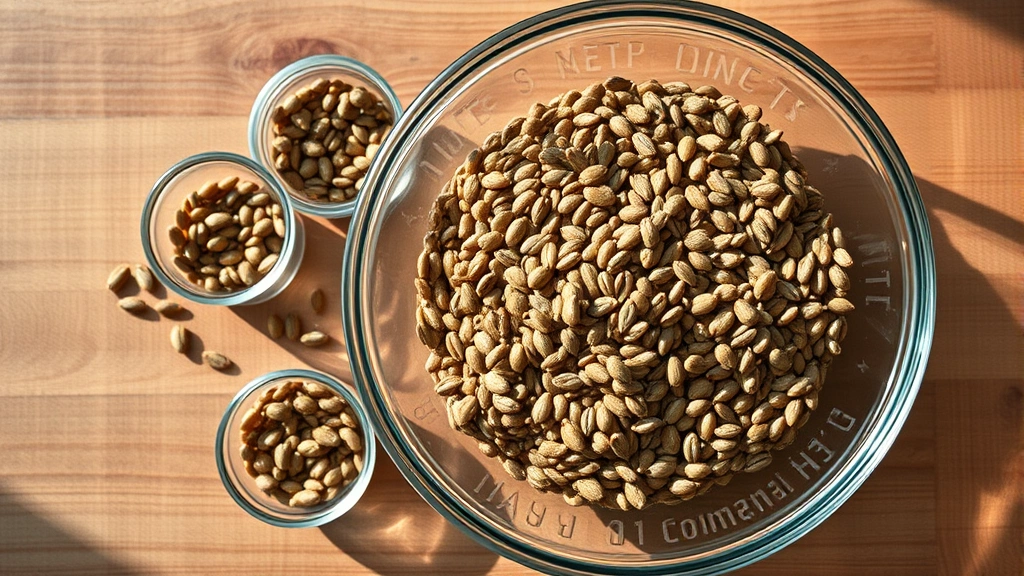
A bariatric seed recipe is one of the smartest choices you can make after weight loss surgery—these nutrient-dense little powerhouses pack serious nutrition into tiny portions, making them perfect for post-op eating plans. Seeds like pumpkin, sunflower, and chia are absolute game-changers when you’re working within strict calorie and volume limits. They deliver plant-based protein, healthy fats, fiber, and essential minerals without taking up much room in your pouch or sleeve.
I discovered the magic of seed-based recipes during my own wellness journey, and honestly, they’ve become my secret weapon for staying satisfied between meals. What makes a bariatric seed recipe so special is how it respects the physical limitations of post-surgery eating while delivering maximum nutritional bang for your buck. You’re not eating air—you’re eating concentrated nutrition that keeps you full longer.
Jump To Section
Why This Recipe Works
This particular bariatric seed recipe combines multiple seed varieties to create a balanced nutritional profile that supports your weight loss goals. The combination of pumpkin seeds, sunflower seeds, and chia creates a triple-threat of protein, omega-3 fatty acids, and fiber. Additionally, seeds are naturally portion-friendly—a small handful delivers serious satiety without overwhelming your post-surgery stomach capacity.
The beauty of seed-based eating is that you’re getting complete nutrition in amounts that feel manageable. Meanwhile, the healthy fats in seeds help with nutrient absorption and hormone balance, both critical after bariatric surgery. For instance, the magnesium in pumpkin seeds supports energy levels, while chia seeds provide sustained hydration through their gel-forming properties.
One major advantage: seeds don’t require much cooking time or complicated preparation. This bariatric seed recipe comes together in minutes, making it perfect for busy days when you need quick nutrition. You can prep batches ahead and portion them out for grab-and-go convenience throughout your week.
Ingredient Tips & Substitutions
Raw seeds work beautifully in this bariatric seed recipe, but lightly toasting them first brings out their natural flavors and adds a satisfying crunch. However, if you have difficulty with raw seeds post-surgery, you can use roasted versions—just check labels for added oils or sodium. The beauty of this recipe is its flexibility; you can swap out seed varieties based on what your surgeon recommends and what your stomach tolerates best.
Chia seeds are particularly beneficial because they expand slightly when moistened, creating a more voluminous feel without extra calories. Pumpkin seeds offer excellent protein content—about 9 grams per ounce—making them a bariatric-friendly powerhouse. Sunflower seeds provide vitamin E and selenium, nutrients often depleted post-surgery that need replenishment.
If nuts are on your approved list, you can incorporate small amounts of almonds or walnuts into this bariatric seed recipe for added variety. For those with nut allergies or restrictions, stick with pure seeds and perhaps add unsweetened coconut flakes for textural contrast. Dried fruit like cranberries or unsweetened apricots can be minced finely and mixed in for natural sweetness without excessive sugar.
Preparation & Serving Suggestions
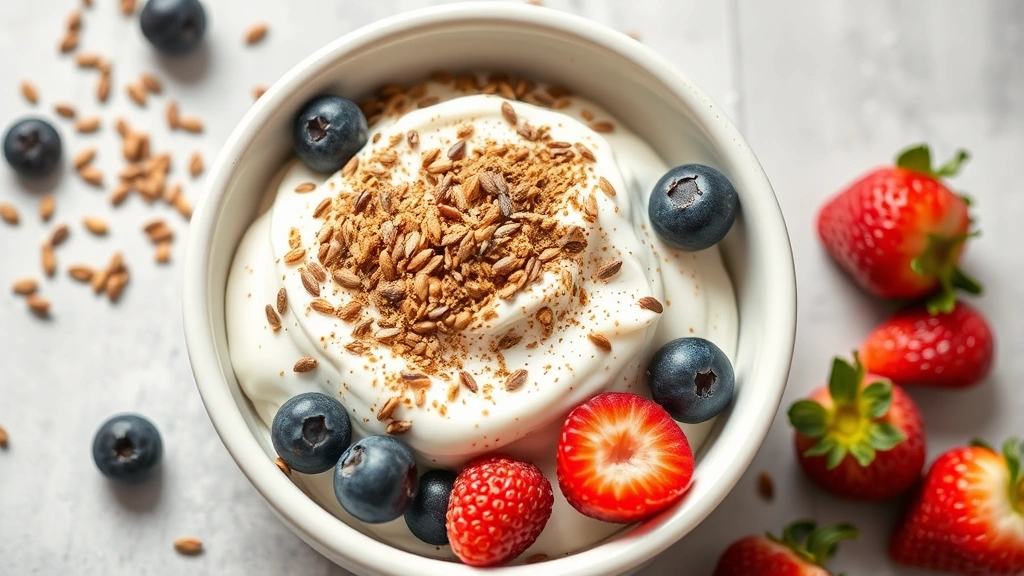
The genius of this bariatric seed recipe is how versatile it becomes once you master the basic formula. Mix your seed blend into plain Greek yogurt for a protein-packed snack that satisfies sweet and savory cravings simultaneously. Sprinkle it over soup or broth to add nutrition and substance without large volume increases.
You can also use this bariatric seed recipe as a coating for grilled chicken or fish—the seeds toast slightly in the pan and create a nutrient-dense crust. Alternatively, mix it into cottage cheese for a creamy, protein-rich meal that feels indulgent but supports your goals. Some people enjoy stirring a portion into their morning coffee with a splash of almond milk for a nutty, energizing drink.
For those with a sweet tooth, blend this bariatric seed recipe with a small amount of almond butter and a touch of honey to create seed butter—spread thinly on celery or apple slices. The key is respecting portion sizes; even nutrient-dense foods need to align with your post-surgery volume guidelines. Your surgeon’s recommendations should always take precedence over recipe suggestions.
Storage & Reheating
One fantastic aspect of this bariatric seed recipe is its incredible shelf life and storage flexibility. Keep your prepared seed mixture in an airtight container in your pantry for up to two weeks, or refrigerate for extended freshness. The seeds won’t go rancid quickly because their natural oils are relatively stable compared to processed foods.
For longer storage, transfer your bariatric seed recipe to the freezer in portioned containers or freezer bags—it keeps beautifully for up to three months. This makes meal prep incredibly convenient; you can batch-make several portions during your planning session and pull them out as needed. Meanwhile, frozen seed mixes thaw quickly at room temperature, making them perfect for spontaneous snacking.
I recommend portioning this bariatric seed recipe into small containers immediately after making it, using your surgeon’s approved serving size as your guide. This removes temptation and ensures you’re sticking to your nutritional targets without overthinking it. Label containers with preparation dates so you know exactly how fresh your mix is.
Nutritional Powerhouse for Your Journey
Understanding why this bariatric seed recipe matters requires recognizing the specific nutritional challenges post-surgery patients face. Your body needs concentrated nutrition in small amounts—seeds deliver exactly that profile. Protein is crucial for preserving muscle during weight loss, and seeds provide plant-based options for those avoiding animal proteins initially.
The fiber content in seeds supports digestive health, which is particularly important after surgery when your system is adjusting to new eating patterns. However, introduce fiber gradually and drink plenty of water to avoid discomfort. The healthy fats in this bariatric seed recipe aren’t empty calories; they’re essential for vitamin absorption, hormone production, and satiety.
Additionally, seeds contain phytochemicals and antioxidants that support immune function during the stress of weight loss surgery recovery. You’re not just eating food—you’re fueling healing and transformation. This bariatric seed recipe respects both the physical and emotional aspects of your post-surgery journey, delivering satisfaction and nutrition without guilt.
For more creative protein-forward salad options that pair beautifully with seed mixtures, check out the Best Rotisserie Chicken Salad Recipe or try the Amazing Matthew McConaughey Tuna Salad Recipe for bariatric-friendly meal bases. The Best Shrimp Salad Recipe offers another excellent protein option that complements seed toppings perfectly.
If you’re looking to add more variety to your seed-based eating, explore the Quick Tasty Spinach Strawberry Salad Recipe as a base for your seed mixture, or try the Best Waldorf Salad Recipe with seeds sprinkled throughout. For dressing inspiration that works wonderfully with seed-topped dishes, the Best Miso Salad Dressing Recipe adds umami depth without excessive calories.
I encourage you to experiment with this bariatric seed recipe and make it your own. Your post-surgery journey is unique, and finding foods that feel both nourishing and satisfying is deeply personal. Seeds have been sustaining humans for thousands of years—now they’re helping you sustain your transformation. That’s genuinely powerful.
Ingredients
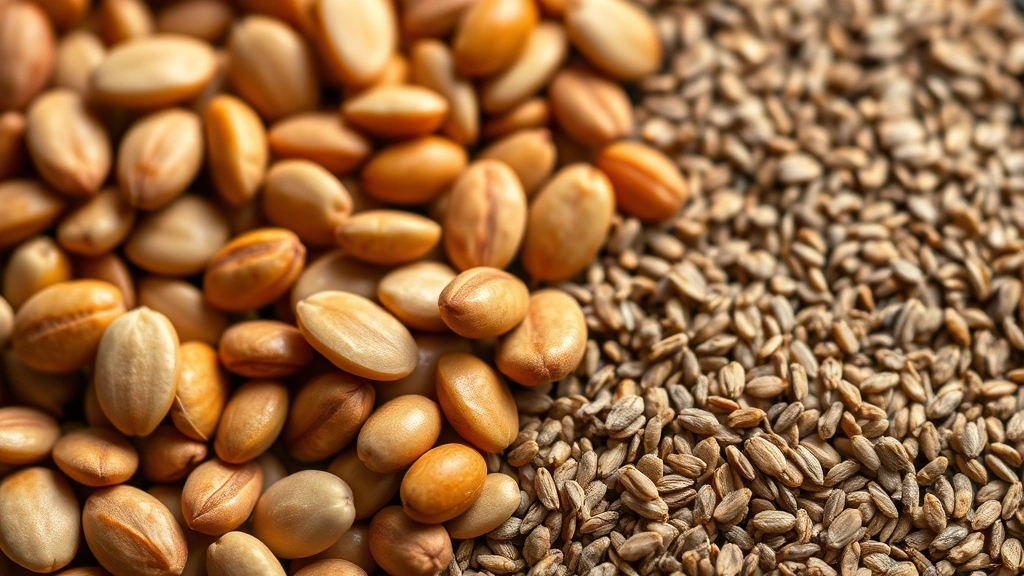
- 1 cup raw pumpkin seeds (pepitas)
- ¾ cup raw sunflower seeds
- ¼ cup chia seeds
- 2 tablespoons ground flaxseed
- 1 teaspoon sea salt (adjust to taste)
- ½ teaspoon garlic powder (optional)
- ¼ teaspoon black pepper
- 2 tablespoons unsweetened coconut flakes (optional)
Instructions
- Measure all seeds into a medium mixing bowl, keeping chia seeds and flaxseed separate initially to ensure even distribution.
- Add sea salt, garlic powder, and black pepper to the seed mixture, stirring gently with a wooden spoon to combine thoroughly.
- Fold in chia seeds and flaxseed last, mixing carefully to prevent them from clumping together in the bottom of the bowl.
- If using coconut flakes, toast them in a dry skillet over medium heat for 2-3 minutes until fragrant, then let cool completely before adding to seed mixture.
- Stir the coconut flakes into your bariatric seed recipe, combining gently until evenly distributed throughout.
- Divide the finished seed mixture into eight equal 2-tablespoon portions using a small measuring spoon or kitchen scale for accuracy.
- Transfer portions into small glass containers or resealable bags, labeling each with the preparation date.
- Store in your pantry at room temperature for up to two weeks, or refrigerate for extended freshness up to one month.
- For longer storage, freeze portions in labeled containers for up to three months, thawing at room temperature before use.
- Consume one portion as a snack, sprinkled over approved foods, or mixed into yogurt—always respecting your post-surgery volume guidelines.
Pro Tips
This bariatric seed recipe works beautifully with minimal modifications based on individual tolerances. Some post-surgery patients prefer toasted seeds for enhanced flavor and digestibility—lightly toast seeds in a 300°F oven for 8-10 minutes, stirring occasionally, then cool completely before mixing. However, raw seeds are equally nutritious and require zero cooking time, making them convenient for busy schedules.
Portion control is absolutely essential with this bariatric seed recipe, even though seeds are nutrient-dense. Your surgeon’s approved serving size should be your non-negotiable guideline; typically 1-2 tablespoons per serving is standard for post-op patients. Meanwhile, tracking your intake helps identify which seed types your system tolerates best—some people find certain seeds trigger discomfort initially.
For those with swallowing difficulties or texture sensitivities, consider blending a portion of this bariatric seed recipe into a fine powder and mixing into broths or purees. The nutritional benefits remain intact while the texture becomes more manageable. Additionally, you can create a seed butter by blending 1 cup of the seed mixture with 1-2 tablespoons of almond oil until creamy, though portion sizes remain critical.
Hydration is crucial when consuming seeds, particularly chia seeds which expand when moistened. Drink at least 8 ounces of water whenever you eat this bariatric seed recipe to support digestion and prevent any discomfort. Some patients find sipping water throughout their snack prevents feeling overly full too quickly.
If you experience any digestive upset, reduce your seed intake gradually and consult your surgeon or nutritionist. Certain seeds contain compounds that require proper preparation and hydration for optimal digestion. This bariatric seed recipe is meant to support your health, not compromise it—always prioritize your body’s signals over recipe instructions.
Storage tip: Keep your bariatric seed recipe away from heat sources and direct sunlight to preserve the integrity of healthy fats. Glass containers work better than plastic for long-term storage, as they don’t absorb oils or odors. Label everything clearly with preparation dates—this simple habit prevents waste and ensures you’re consuming fresh nutrition.