
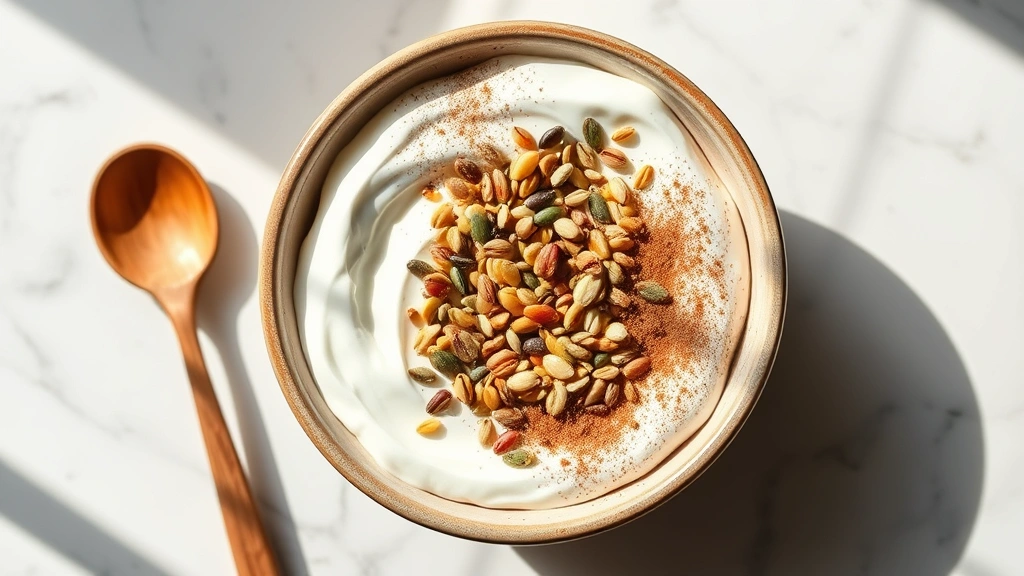
A bariatric seed ritual recipe is more than just food—it’s a mindful practice that transforms how you nourish your body after weight loss surgery. This gentle, nutrient-dense seed blend becomes a daily ritual, a moment of intentional eating that supports healing, satiety, and long-term success on your bariatric journey.
I created this recipe after watching friends navigate life after bariatric surgery. They struggled with finding foods that were satisfying, nutrient-rich, and easy on their smaller stomachs. Seeds became their secret weapon. They’re packed with protein, healthy fats, and fiber—everything a post-bariatric body craves—yet gentle enough for sensitive digestive systems.
Jump To Section
Why This Recipe Works
Seeds are nutritional powerhouses for bariatric patients. They provide essential micronutrients without requiring large portions, which is crucial when you’re working with a reduced stomach capacity. A single tablespoon of this seed blend delivers impressive amounts of protein, omega-3 fatty acids, and minerals your body desperately needs during recovery.
The ritual aspect matters just as much as the nutrition. When you slow down and intentionally consume this blend—perhaps stirring it into Greek yogurt, sprinkling it over soft vegetables, or mixing it into smoothie bowls—you’re practicing mindful eating. This conscious approach helps prevent the common post-surgery pitfall of eating too quickly or too much.
Additionally, seeds are incredibly versatile. You can customize this recipe based on your current stage of the bariatric diet, whether you’re in the liquid phase, soft food phase, or maintenance. The flexibility makes it sustainable for years, not just weeks.
Understanding Your Bariatric Seed Ritual Recipe
This isn’t a complicated recipe with dozens of steps. Instead, it’s a simple formula you’ll master in minutes. The beauty lies in understanding why each component matters and how to adapt it as your tolerance improves.
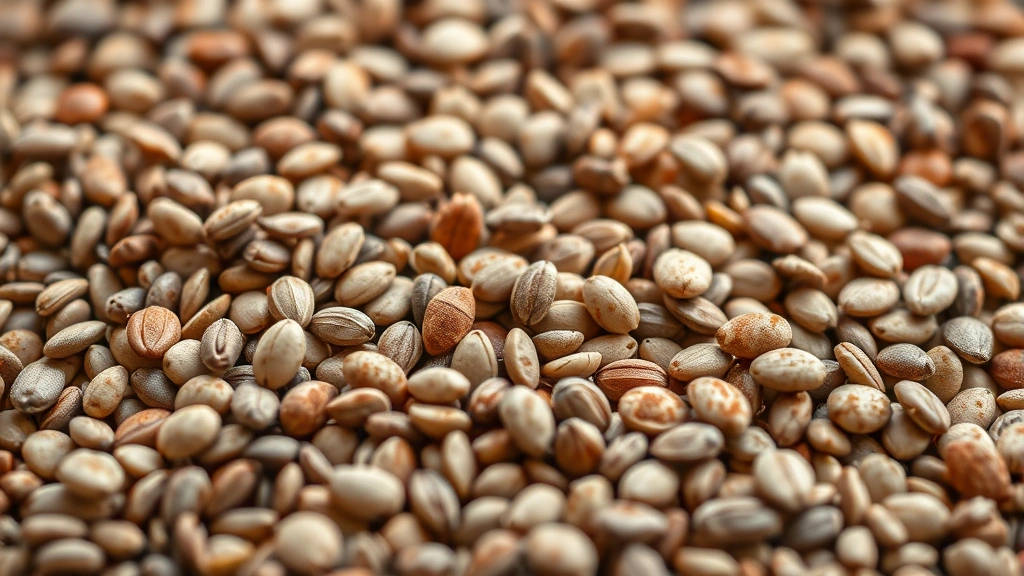
Ground flaxseeds form the base because they’re easier to digest than whole seeds and provide exceptional levels of lignans and omega-3s. Chia seeds add gelatinous properties that slow digestion, keeping you satisfied longer—invaluable when your stomach holds just a few ounces. Pumpkin seeds contribute zinc and magnesium, minerals often deficient post-surgery. Hemp seeds round out the profile with complete protein containing all nine essential amino acids.
The ritual becomes your anchor. Many bariatric patients find that consuming their seed blend at the same time each day—perhaps with morning coffee or as an afternoon pause—creates structure and mindfulness around eating. It’s a tiny act of self-care that reinforces your commitment to your new life.
Ingredient Tips & Substitutions
Quality matters enormously with seeds. Purchase from sources with high turnover because seeds contain oils that can become rancid. Store your seeds in the refrigerator in glass containers, away from light and heat. Whole Foods, Trader Joe’s, and reputable online sources typically offer the freshest options.
If you’re allergic to any particular seed, simply substitute an equal amount of another variety. Sunflower seeds work beautifully in place of pumpkin seeds. Sesame seeds can replace hemp seeds. The goal is creating a blend you’ll actually enjoy, because consistency beats perfection every time.
For the earliest post-op phases, grind your seeds into a fine powder using a high-powered blender or dedicated spice grinder. As you progress and your stomach heals, you can gradually introduce partially ground seeds, then whole seeds, monitoring how your body responds.
The cinnamon and vanilla aren’t just flavor enhancers—cinnamon may help stabilize blood sugar, and vanilla satisfies sweet cravings without adding sugar. However, if you’re sensitive to spices early post-op, omit them temporarily and reintroduce later.
Preparation & Serving Methods
The most common way to consume your bariatric seed ritual recipe is stirred into Greek yogurt—the protein combination becomes formidable, and the creamy texture makes it easy on your digestive system. Start with just two to three tablespoons of the blend mixed into a quarter-cup of yogurt.
Alternatively, sprinkle it over soft scrambled eggs, cottage cheese, or pureed vegetables. Some patients blend it directly into protein shakes, though you may need to add extra liquid as seeds absorb moisture. Others use it as a topping for soft fruits like berries or banana when they reach the appropriate dietary stage.
The ritual deepens when you make this a moment of pause. Sit down, breathe, and consume slowly—chewing thoroughly even though it’s soft. This mindful practice trains your brain to recognize satisfaction signals from smaller portions, supporting long-term weight loss success.
Storage & Shelf Life
Prepare your seed blend in batches and store in airtight glass containers in your refrigerator for up to three weeks. For longer storage, freeze portions in ice cube trays—each cube holds roughly one serving—and transfer to freezer bags. Frozen portions last up to three months.
Never leave your seed blend on the counter at room temperature for extended periods. The oils in seeds oxidize quickly, reducing nutritional value and potentially creating off-flavors. When in doubt, refrigerate or freeze.
Some bariatric patients prepare individual portions in small mason jars with their yogurt or other base, creating grab-and-go breakfast options that support consistency with their ritual practice.
Nutrition & Bariatric Success
This seed blend provides approximately 12-15 grams of protein per two-tablespoon serving—remarkable for such a small volume. It’s also rich in fiber, which supports digestive health and helps prevent constipation, a common post-bariatric challenge.
The healthy fats slow gastric emptying, meaning you feel satisfied longer on smaller portions. This is crucial for preventing the grazing and snacking that can derail bariatric success. Additionally, seeds contain phytonutrients and antioxidants that support overall health during significant body composition changes.
However, remember that seeds are calorie-dense: roughly 160 calories per two tablespoons. Measure portions carefully, especially if weight loss has plateaued. Your bariatric team can help determine optimal daily amounts for your specific situation.
Research published in nutrition journals consistently shows that patients who incorporate seeds and nuts into their post-bariatric diet maintain better long-term weight loss and report higher satisfaction levels. This isn’t accidental—it’s biochemistry meeting behavior change.
The bariatric seed ritual recipe becomes your nutritional anchor, a daily practice that reminds you that eating after weight loss surgery isn’t about deprivation—it’s about intention, quality, and nourishing yourself with foods that truly support your transformation. Each morning you prepare your blend, you’re choosing health. That choice compounds over months and years into the life you’ve worked so hard to create.
Ingredients
- 3 tablespoons ground flaxseeds
- 2 tablespoons chia seeds
- 2 tablespoons raw pumpkin seeds (pepitas), finely ground or chopped
- 2 tablespoons hemp seeds
- 1 tablespoon unsalted sunflower seeds, ground
- 1/2 teaspoon ground cinnamon
- 1/4 teaspoon vanilla extract or vanilla powder
- Pinch of sea salt
Instructions
- Measure all seeds into a clean glass bowl or food storage container. If using whole seeds, lightly pulse them in a food processor until partially ground—you want some texture remaining, not a complete powder, unless you’re in the earliest post-op phase.
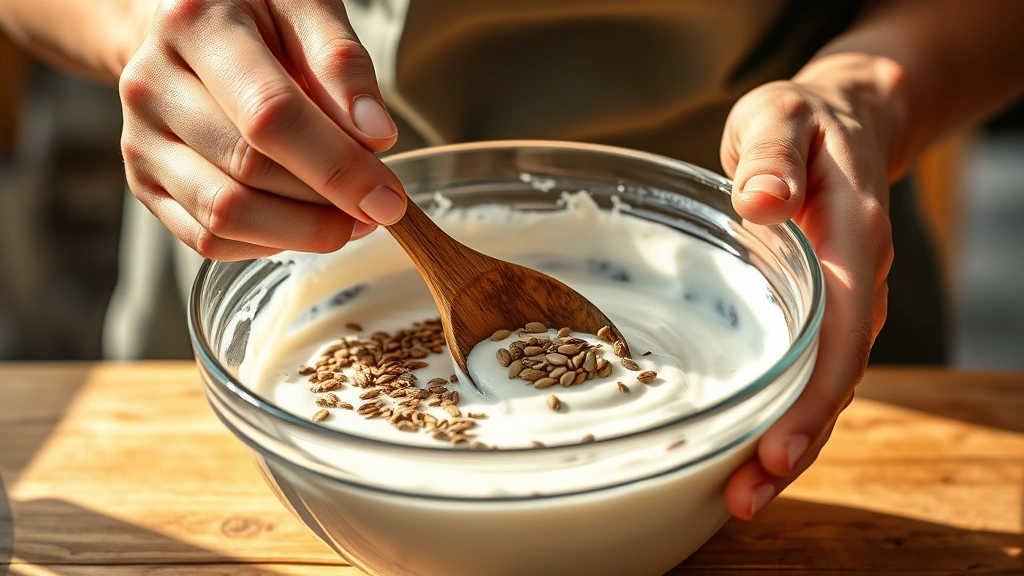
- Add ground cinnamon, vanilla, and sea salt to the seed mixture. Stir thoroughly with a small spoon or fork, breaking up any clumps and ensuring the spices distribute evenly throughout.
- Transfer to an airtight glass container and refrigerate immediately. Label the container with the date prepared so you remember when to use it by.
- To serve, measure two tablespoons of the seed blend into a bowl. Stir into Greek yogurt, cottage cheese, or soft protein base of choice, adding a splash of water or milk if needed to reach desired consistency.
- Consume slowly and mindfully, chewing thoroughly. Pair with plenty of water throughout the day to support healthy digestion, as seeds absorb moisture in your digestive tract.
- For portable portions, mix individual servings into small mason jars with your chosen protein base the evening before, cover, and refrigerate overnight for grab-and-go breakfast options.
Pro Tips
This bariatric seed ritual recipe works best when you establish a consistent daily practice. Many patients find that consuming their blend at the same time each day—perhaps with morning coffee or as an afternoon snack—creates powerful mindfulness around eating and supports satiety throughout the day.
If you’re newly post-op and still in liquid or pureed phases, grind your seeds into an extremely fine powder using a high-powered blender like a Vitamix. As your surgeon clears you to progress through diet stages, gradually introduce coarser textures, monitoring how your body responds. Some patients find they can tolerate whole seeds within weeks; others need several months.
For those experiencing nausea or sensitivity to spices early in recovery, temporarily omit the cinnamon and vanilla. You can reintroduce these flavor components as your digestive system stabilizes. The base seed combination provides complete nutrition on its own.
Constipation is common after bariatric surgery, and while this seed blend helps tremendously, ensure you’re also drinking adequate water. Most bariatric surgeons recommend 64-80 ounces daily. The combination of seeds plus hydration creates optimal digestive support.
Budget considerations: Seeds can seem expensive initially, but one batch of this recipe costs roughly $8-12 and provides twelve servings. That’s less than $1 per serving for a powerhouse nutrition investment. Buy from bulk bins when possible to reduce packaging waste and cost.
Some bariatric patients experience seed intolerance due to digestive sensitivity. If you notice bloating, gas, or discomfort, reduce your portion size and increase water intake. If problems persist, consult your bariatric surgeon or registered dietitian. They may recommend temporarily eliminating seeds and reintroducing them later as your system heals.
The ritual aspect extends beyond nutrition. Consider pairing your seed blend with a few minutes of intentional breathing, journaling, or reflection. This transforms eating from a rushed necessity into a moment of self-care—powerful psychological support for maintaining your weight loss long-term.
Store extra portions in your freezer for weeks when life gets chaotic. Pull out frozen seed-yogurt cubes and thaw overnight in the refrigerator. This preparation strategy removes barriers to consistency, ensuring you maintain your ritual even during busy seasons.