
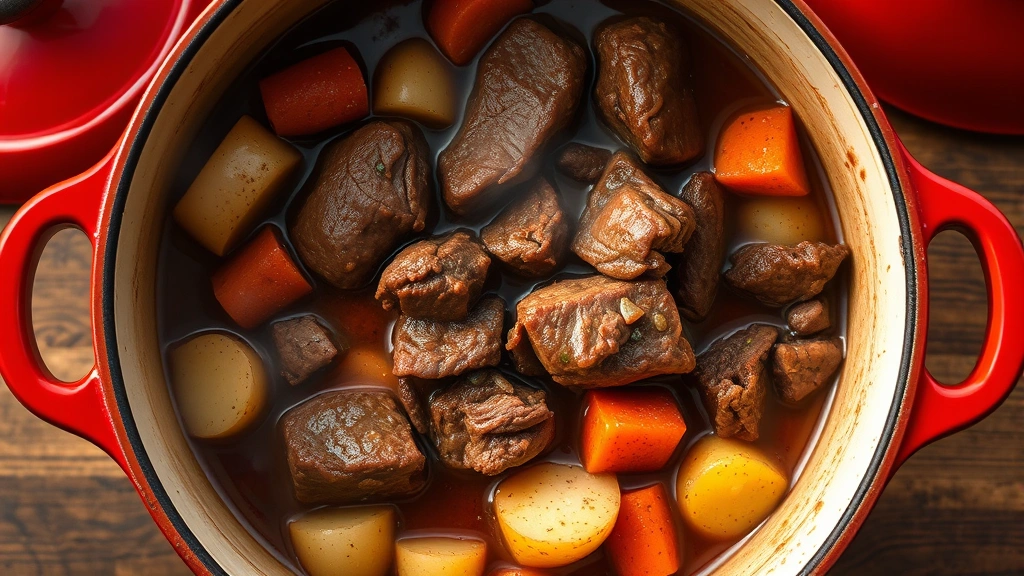
If you’re looking for the best dutch oven recipes, you’ve come to the right place. A Dutch oven is honestly one of my most treasured kitchen investments—it’s the unsung hero that transforms simple ingredients into restaurant-quality meals with minimal effort. Whether you’re a seasoned cook or just starting your culinary journey, Dutch oven cooking is pure magic.
There’s something wonderfully nostalgic about cooking in a Dutch oven. My grandmother used hers for everything, and now I understand why. The heavy cast iron distributes heat so evenly that your food cooks beautifully from all angles. Plus, you can go straight from stovetop to oven without switching pans. That means less cleanup and more time enjoying what you’ve made.
Jump To Section
Why Dutch Ovens Are Kitchen Game-Changers
Dutch ovens aren’t just for fancy restaurants or professional chefs. These versatile pots work beautifully for weeknight dinners, weekend entertaining, and everything in between. The tight-fitting lid traps steam and moisture, keeping your dishes incredibly tender and flavorful. Meanwhile, the thick walls ensure even heat distribution, so you won’t get those annoying hot spots that burn your food.
What I love most is the versatility. You can braise short ribs, bake artisan bread, make creamy soups, or whip up comforting stews. One pot does it all, and it looks absolutely gorgeous when you bring it to the table. Your guests will be impressed before they even taste your cooking.
Getting Started with Dutch Oven Cooking
The beauty of Dutch oven cooking is that it doesn’t require fancy techniques or intimidating skills. Start with recipes like best ricotta cheese lasagna or hearty soups to build your confidence. Most recipes follow the same simple pattern: sear ingredients on the stovetop, add your liquid, cover, and let the oven do the heavy lifting.
Temperature control is straightforward too. Most recipes call for 325°F to 350°F, which allows ingredients to cook gently and develop incredible flavor. Additionally, you’ll find that Dutch oven cooking is incredibly forgiving—it’s hard to mess up when you’re working with such reliable equipment.
For instance, try our best Olive Garden Zuppa Toscana recipe as your first Dutch oven adventure. It’s creamy, comforting, and proves that homemade versions beat restaurant versions every single time. You’ll have dinner on the table in about an hour, and your kitchen will smell absolutely amazing.
Classic Recipes That Shine in Dutch Ovens
Braising is where Dutch ovens truly excel. The combination of dry heat and trapped steam creates the most incredibly tender meat you’ve ever tasted. Beef chuck, pork shoulder, and chicken thighs all become fall-apart delicious with minimal intervention. However, you don’t need expensive cuts—Dutch oven cooking transforms humble ingredients into show-stopping meals.
Soups and stews are equally fantastic in these pots. The best Panera butternut squash soup recipe tastes even better homemade, and a Dutch oven makes it effortless. You’ll also love making delicious pinto bean soup and best stuffed cabbage soup for weeknight dinners that feel homey and satisfying.
Meanwhile, don’t overlook baking applications. Dutch ovens create the perfect steam environment for artisan bread, creating that coveted crispy crust and chewy interior. Even desserts like cobblers and bread puddings bake beautifully in these vessels.
Pro Tips for Dutch Oven Success
Season your cast iron properly, and it’ll become more non-stick over time. After each use, wash it with warm soapy water—yes, really—and dry it completely. A light coating of neutral oil after washing keeps the seasoning strong. Think of it as a friendship that improves with every meal you share.
Invest in an oven thermometer to ensure accurate temperature control. Dutch ovens can have hot spots, and knowing your exact oven temperature prevents overcooking or undercooking. Additionally, always preheat your oven and Dutch oven together for even cooking. This small step makes a significant difference in your results.
Brown your meat and aromatics before adding liquid—this builds flavor through a process called the Maillard reaction. For instance, a few minutes of high-heat searing creates a flavorful foundation that elevates your entire dish. Don’t skip this step, even though it adds just five minutes to your cooking time.
Building Your Dutch Oven Recipe Collection
Start with recipes you already love. If you adore best slow cooker mac and cheese, try making it in your Dutch oven instead. You’ll appreciate the creamier texture and faster cooking time. The possibilities expand when you realize that most one-pot recipes can be adapted for Dutch oven cooking.
Follow trusted sources like Serious Eats and New York Times Cooking for inspiration. These resources offer tested recipes with detailed explanations of techniques. Additionally, Bon Appétit features beautiful Dutch oven recipes with helpful step-by-step photos.
Keep notes on what works for your kitchen and preferences. If you prefer thicker stews, reduce your liquid slightly. If you like more tender vegetables, add them later in the cooking process. These small adjustments transform recipes into your personal signature dishes.
The journey to mastering Dutch oven cooking is delicious, rewarding, and honestly quite fun. With these versatile pots in your arsenal, you’ll find yourself cooking more often and enjoying every moment. Your family will request these meals again and again, and you’ll love creating food that brings everyone together. That’s the real magic of the best Dutch oven recipes—they’re not just about delicious food, they’re about creating memories around your table.
Ingredients
- 3 tablespoons olive oil, divided
- 2 pounds beef chuck roast, cut into 2-inch pieces
- 1 large yellow onion, diced
- 4 cloves garlic, minced
- 3 medium carrots, cut into 1-inch pieces
- 3 medium potatoes, cut into 1-inch cubes
- 3 cups beef broth
- 1 cup red wine (optional, can substitute with broth)
- 2 bay leaves
- 1 teaspoon fresh thyme, or ½ teaspoon dried thyme
- 1 teaspoon fresh rosemary, or ½ teaspoon dried rosemary
- 1 teaspoon salt
- ½ teaspoon black pepper
- 2 tablespoons tomato paste
- 1 tablespoon cornstarch mixed with 2 tablespoons water (optional, for thickening)

Instructions
- Preheat your oven to 325°F. Pat the beef pieces dry with paper towels—this helps them brown beautifully instead of steaming.
- Heat 1½ tablespoons of olive oil in your Dutch oven over medium-high heat. Working in batches to avoid crowding, brown the beef on all sides, about 3-4 minutes per batch. Transfer to a plate and set aside.
- Add the remaining 1½ tablespoons of olive oil to the pot. Add the diced onion and cook for 3-4 minutes until it starts to soften and become fragrant.
- Stir in the minced garlic and tomato paste, cooking for about 1 minute until the mixture becomes fragrant and the tomato paste caramelizes slightly.
- Pour in the red wine (if using) and scrape up any browned bits stuck to the bottom—this is liquid gold for flavor. Let it simmer for 2 minutes to reduce slightly.
- Add the beef broth, browned beef, bay leaves, thyme, and rosemary. Stir well, making sure the beef is mostly submerged. Season with salt and pepper.
- Cover the Dutch oven with its lid and transfer to the preheated oven. Braise for 1 hour.
- Carefully remove the hot Dutch oven from the oven. Stir in the carrots and potatoes. Return to the oven, covered, for another 30-40 minutes until the vegetables are tender and the beef is falling apart.
- Remove from the oven. If you prefer a thicker sauce, mix the cornstarch and water together and stir it into the hot stew. Return to the stovetop over medium heat and simmer for 2-3 minutes until thickened.
- Taste and adjust seasonings as needed. Remove bay leaves before serving. Ladle into bowls and serve hot.
Pro Tips
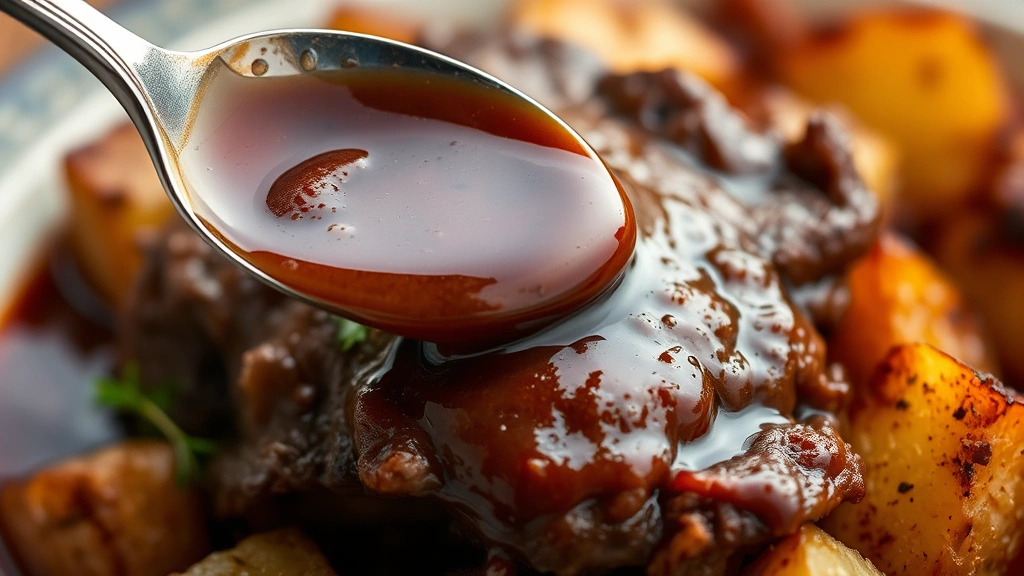
This classic Dutch oven beef stew is pure comfort in a bowl. The long, slow cooking makes the meat incredibly tender while the vegetables become silky and flavorful. However, don’t skip browning the meat—those crusty bits create the foundation for a rich, deeply satisfying sauce.
For ingredient substitutions, feel free to swap the beef chuck for pork shoulder if you prefer. Additionally, you can replace red wine with more beef broth or even apple cider for a slightly different flavor profile. Root vegetables like parsnips, turnips, or sweet potatoes work beautifully alongside (or instead of) the carrots and potatoes.
The cooking time can vary depending on the size of your beef pieces and your oven’s accuracy. For instance, if your pieces are larger than 2 inches, add an extra 15-20 minutes to the initial braising time. Conversely, smaller pieces may be done a bit faster. The meat should shred easily with a fork when it’s perfectly cooked.
Storage is wonderfully convenient with this recipe. Cool the stew completely before transferring to airtight containers. It keeps in the refrigerator for up to 4 days and freezes beautifully for up to 3 months. In fact, the flavors deepen as it sits, making it even better the next day. Reheat gently on the stovetop over medium-low heat, adding a splash of broth if needed to restore the sauce consistency.
For serving suggestions, pair this stew with crusty bread, egg noodles, or mashed potatoes. A simple green salad on the side provides a fresh contrast to the rich stew. Meanwhile, a glass of the same wine you used in cooking pairs beautifully with this dinner.