
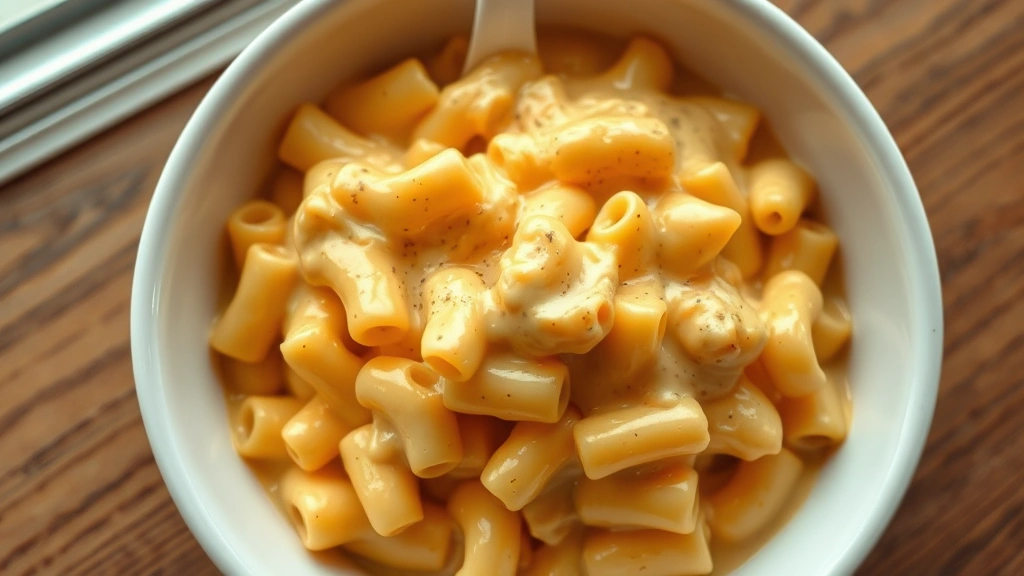
The best mac n cheese recipe is creamy, dreamy, and absolutely irresistible. This isn’t your boxed dinner nostalgia (though we love that too)—this is the real deal, made with a silky cheese sauce that coats every noodle in pure comfort.
I grew up watching my grandmother stir a pot of mac and cheese on the stove, the aroma filling our entire kitchen. She never rushed it. She’d slowly melt butter, whisk in flour, gradually add milk, and then—here’s the magic—she’d add three different cheeses instead of just one. The result was something so creamy and complex that it ruined me for all other versions. Years later, I finally understood her method, and now I’m sharing it with you.
Jump To Section
Why This Recipe Works
This ultimate creamy mac and cheese uses a proper béchamel sauce as its foundation. That means we’re building layers of flavor with butter, flour, and milk before we even add the cheese. This technique ensures a velvety texture that won’t become grainy or separate, no matter how long it sits.
The combination of sharp cheddar, gruyere, and a touch of sharp white cheddar creates depth. Sharp cheddar brings that bold flavor we crave, gruyere adds nuttiness and helps with creaminess, and white cheddar gives brightness without darkening the sauce. Additionally, a pinch of smoked paprika and dijon mustard amplifies the cheese flavor without making it taste like anything other than cheese.
For instance, many recipes skimp on cheese or use only one variety. That’s where they go wrong. This recipe doesn’t hold back—we’re using almost a pound of cheese for a reason. The pasta-to-sauce ratio matters too; you want enough sauce to coat every single piece without creating a soup.
Ingredient Tips & Substitutions
Let’s talk cheese because this is where the magic happens. You’ll want to grate your cheese fresh from a block if possible. Pre-shredded cheese contains anti-caking agents that can make your sauce grainy or less smooth. Yes, it takes an extra minute, but your future self will thank you.
If you can’t find gruyere, aged gouda works beautifully. In a pinch, you could use fontina or even extra sharp cheddar. However, avoid American cheese or processed cheese products if you want that authentic, sophisticated flavor. That said, if you’re interested in a different approach, our best Velveeta cheese mac and cheese recipe offers a creamier, more nostalgic take.
The pasta shape matters more than you’d think. Elbow macaroni is traditional and classic for good reason—the curved tubes capture sauce beautifully. However, shells, cavatappi, or penne all work wonderfully. Just avoid long, thin pasta like spaghetti; the sauce won’t cling properly.
For the milk, whole milk is essential here. The fat content contributes to that creamy texture we’re after. If you’re dairy-free, unsweetened oat milk or cashew cream can work, though the result will be slightly different. Meanwhile, if you want to make this in a slow cooker, check out our best slow cooker mac and cheese recipe for detailed instructions.
Making the Perfect Cheese Sauce
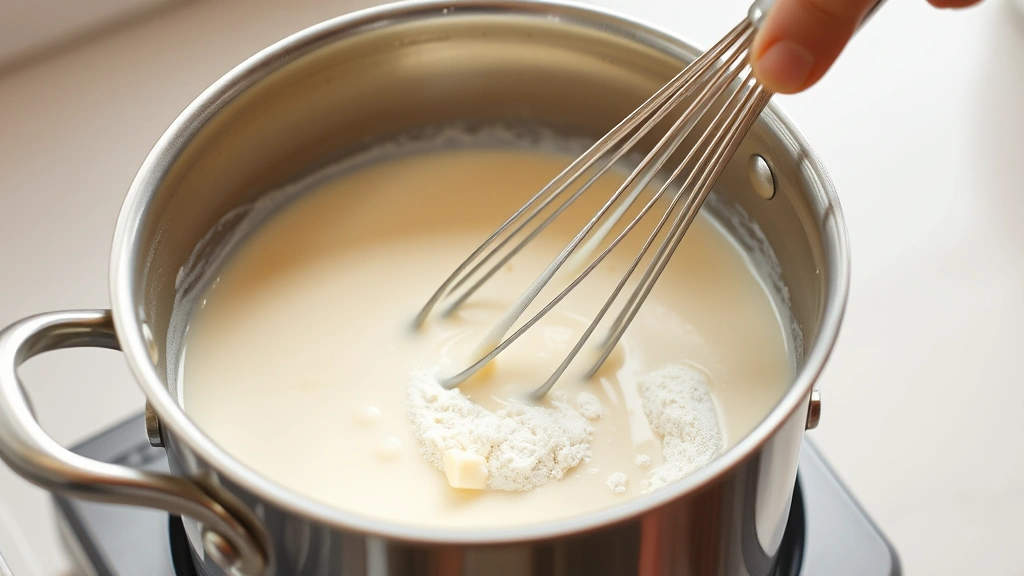
The foundation of this dish is a béchamel sauce, which is just a fancy French term for butter, flour, and milk cooked together. Start by melting your butter over medium heat—don’t rush this step. Once melted, whisk in the flour to create a paste. This is called a roux, and it’s what will thicken your sauce.
Cook that roux for about a minute, stirring constantly. This brief cooking time cooks out the raw flour taste without browning the mixture. Then comes the critical part: gradually add your milk while whisking continuously. This prevents lumps from forming. Pour slowly at first, whisking like your life depends on it, then gradually increase the milk flow as the sauce thickens.
Once all the milk is incorporated and the sauce coats the back of a spoon, reduce the heat to low. This is when you add your seasonings—salt, pepper, a pinch of cayenne, dijon mustard, and smoked paprika. Taste as you go; you want to feel the flavors building. Then, remove from heat and add your cheese, stirring until completely melted and smooth. The residual heat will melt the cheese perfectly without risking any graininess.
Serving Suggestions & Pairings
Mac and cheese is inherently a crowd-pleaser, but it shines brightest when paired with something fresh and bright. A crisp best Caesar salad recipe in minutes cuts through the richness beautifully. The acidity and freshness balance the creamy, indulgent pasta perfectly.
Alternatively, serve it alongside roasted vegetables—broccoli, asparagus, or Brussels sprouts all work wonderfully. You could also pair it with a simple green salad tossed with vinaigrette, or go lighter with steamed green beans dressed with a bit of butter and garlic.
For a more substantial meal, consider adding crispy bacon, caramelized onions, or sautéed mushrooms directly into the mac and cheese. If you’re looking for other side dish inspiration, our easy Italian dressing pasta salad recipe makes an excellent companion.
Storage & Make-Ahead Tips
This mac and cheese is best served fresh and hot, right out of the pot. However, real life happens, and sometimes you need to make it ahead. You can prepare the cheese sauce up to two days in advance—just store it in an airtight container in the refrigerator. When you’re ready to serve, reheat it gently over low heat, whisking in a splash of milk if it’s gotten too thick.
Cooked mac and cheese keeps for about three to four days in the refrigerator. Reheat it gently on the stovetop with a splash of milk, or in the oven covered with foil at 350°F for about 15-20 minutes. Avoid the microwave if possible, as it can make the texture grainy. The freezer is your friend too—frozen mac and cheese keeps for up to three months. Thaw overnight in the refrigerator before reheating.
If you want to bake this as a casserole, transfer the cooked mac and cheese to a buttered baking dish, top with breadcrumbs mixed with melted butter, and bake at 375°F for about 25-30 minutes until golden and bubbly. This gives you that crispy top that contrasts beautifully with the creamy interior.
For other cheesy comfort food ideas, our best cottage cheese lasagna recipe offers a different but equally satisfying approach to cheese-based pasta dishes. Looking for something with a completely different flavor profile? Our best Rotel chicken spaghetti recipe brings spicy, creamy comfort to the table.
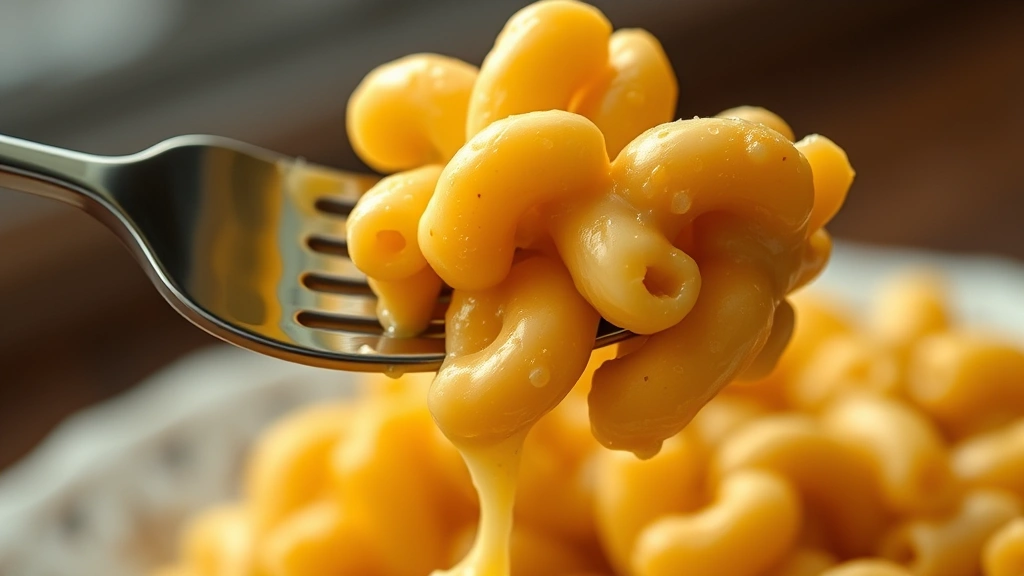
The beauty of this best mac n cheese recipe is its versatility and reliability. Whether you’re feeding a family of four on a Wednesday night or bringing it to a potluck, this recipe delivers creamy, cheesy, absolute comfort every single time. Start with this classic version, then have fun making it your own with add-ins and variations. Most importantly, enjoy every single forkful.
Ingredients
- 1 pound elbow macaroni pasta
- 4 tablespoons unsalted butter
- 3 tablespoons all-purpose flour
- 3 cups whole milk, warmed
- ½ teaspoon salt
- ¼ teaspoon black pepper
- ¼ teaspoon cayenne pepper
- 1 teaspoon dijon mustard
- ½ teaspoon smoked paprika
- 2 cups sharp cheddar cheese, freshly grated
- 1½ cups gruyere cheese, freshly grated
- 1 cup sharp white cheddar cheese, freshly grated
- ¼ teaspoon freshly grated nutmeg
Instructions
- Bring a large pot of salted water to a boil and cook the elbow macaroni according to package directions until al dente, about 8-9 minutes. Drain the pasta, reserving ½ cup of pasta water, and set aside.
- While the pasta cooks, melt the butter in a large saucepan over medium heat. Once melted and foaming, whisk in the flour to create a paste (roux). Stir constantly for about 1 minute to cook out the raw flour taste, being careful not to brown it.
- Slowly pour in the warmed milk while whisking constantly to prevent lumps from forming. Start with a slow stream, whisking vigorously, then gradually increase the flow as the sauce begins to thicken. Continue whisking until the sauce coats the back of a spoon, about 5-7 minutes total.
- Remove the saucepan from heat and add the salt, black pepper, cayenne pepper, dijon mustard, and smoked paprika. Whisk to combine and taste for seasoning, adjusting as needed.
- Add all three cheeses to the warm sauce and stir gently until completely melted and smooth. The residual heat will melt the cheese perfectly—don’t return the pan to the heat. Finish with a pinch of freshly grated nutmeg.
- Add the cooked pasta to the cheese sauce and fold gently to combine, ensuring every noodle is coated. If the sauce seems too thick, add some of the reserved pasta water, one tablespoon at a time, until you reach the desired consistency.
- Transfer to a serving dish and serve immediately while hot and creamy. For a baked version, transfer to a buttered baking dish, top with buttered breadcrumbs, and bake at 375°F for 25-30 minutes until golden and bubbly.
Pro Tips
The key to perfect mac and cheese is patience and proper technique. Don’t rush the roux—that minute of cooking time eliminates the raw flour taste. When adding milk, whisk constantly to prevent lumps; this is non-negotiable.
Cheese quality matters tremendously. Freshly grated cheese melts smoothly, while pre-shredded varieties contain anti-caking agents that can make your sauce grainy or separated. It takes just two extra minutes to grate your own cheese, and the difference is remarkable.
Temperature control is crucial when adding cheese. Remove the pan from heat before adding the cheese and stir gently—high heat can cause the cheese to become oily or grainy. The residual heat is plenty to melt everything beautifully.
If you make a mistake and your sauce breaks or becomes grainy, don’t panic. Start with a fresh small saucepan, warm it over low heat, add a splash of milk, then slowly whisk in your broken sauce. Often you can rescue it this way.
For storage, mac and cheese keeps for three to four days in an airtight container. Reheat gently on the stovetop over low heat with a splash of milk to restore the creamy texture. You can also freeze it for up to three months; thaw overnight in the refrigerator before reheating.
This recipe scales beautifully. Double or halve it as needed for your crowd. The proportions remain the same—it’s about 1 tablespoon butter and 1 tablespoon flour per cup of milk, then roughly ¾ to 1 cup of cheese per cup of milk for a rich, creamy sauce.
Feel free to add mix-ins after the pasta is combined with the sauce. Crispy bacon, caramelized onions, fresh herbs like chives or parsley, roasted garlic, or sautéed mushrooms all enhance the dish beautifully. However, keep the base classic so you can enjoy the pure cheese flavor first.