
If you’re looking for the best sourdough discard recipes, you’ve come to the right place! There’s nothing more frustrating than tossing out that precious sourdough starter every week—but what if I told you that discard is liquid gold waiting to become something absolutely delicious?
I used to feel guilty throwing away starter. Then I realized that sourdough discard isn’t waste at all—it’s an ingredient with serious potential. Whether you’re feeding your starter daily or weekly, that unfed, bubbly mixture deserves better than the trash can. The beautiful thing about sourdough discard is that it’s already doing the hard work for you: the wild yeast and bacteria are active, the flavor is developed, and you’re literally just adding it to recipes that would otherwise call for commercial yeast.
Jump To Section
My sourdough journey started five years ago with one little jar of starter and a lot of questions. I quickly learned that feeding a starter creates a weekly ritual of measurement and discarding. But then I discovered something life-changing: all those discard recipes that transformed my kitchen into a bakery paradise. Suddenly, my starter wasn’t a burden—it was a creative opportunity.
Why This Recipe Works
The magic of using sourdough discard lies in efficiency and flavor. Your discard already contains active cultures that will help dough rise beautifully, giving you that tangy depth you love in sourdough bread without needing a long fermentation. Plus, you’re reducing waste while making something genuinely delicious.
What makes these recipes so special is their flexibility. Sourdough discard works beautifully in both sweet and savory applications. From fluffy pancakes to crispy crackers, from tender biscuits to rich chocolate cakes, the possibilities are genuinely endless. The acidity in the discard actually enhances flavors and creates better texture in most baked goods.
Additionally, using discard means you’re not dependent on having perfectly active starter at peak rise. Even sluggish or newly-fed starter works wonderfully in these recipes. There’s no stress about timing or watching for the perfect bubble formation—just mix, bake, and enjoy.
Ingredient Tips & Substitutions
The foundation of any good sourdough discard recipe is, well, the discard itself. You’ll want unfed starter that’s been sitting in your jar for at least a few days. It should be bubbly and smell pleasantly sour, but it doesn’t need to be at peak activity. If your discard smells strongly of acetone (like nail polish remover), that’s actually a sign it’s perfect for baking—that’s the wild yeast doing its thing.
Most recipes in this collection call for between one-half to one full cup of discard, depending on whether you’re making something sweet or savory. If you’re short on discard, you can always feed your starter and use it the next day. However, don’t skip the discard entirely thinking you can substitute with regular yeast—you’ll miss out on that signature tangy flavor and the texture benefits that make these recipes special.
For the flour, all-purpose works beautifully in everything. Whole wheat flour is a wonderful addition if you want more nutrition and earthiness, though you may need slightly more liquid. Gluten-free flour blends designed for baking work too, though results vary by brand.
Meanwhile, when it comes to liquids, milk adds richness to sweet applications while water keeps things neutral for savory recipes. Don’t be afraid to experiment with buttermilk or even plant-based milks—they all bring something unique to the table.
Best Sourdough Discard Applications
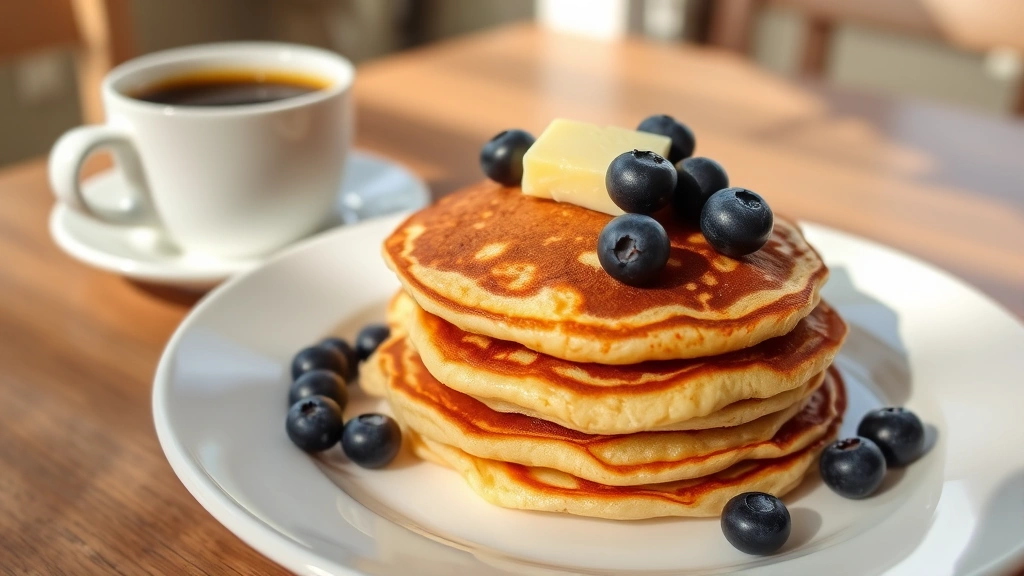
Let’s talk about what you can actually make with this ingredient. Pancakes are the gateway drug to sourdough discard baking—they’re forgiving, delicious, and absolutely foolproof. The discard creates naturally fluffy pancakes with a subtle tang that pairs perfectly with maple syrup and butter.
For something savory, try our best panini sandwich recipe served alongside sourdough discard crackers or a quick sourdough flatbread. Speaking of sandwiches, sourdough discard biscuits make phenomenal bases for best tea sandwiches recipe, bringing that authentic sourdough complexity to afternoon tea.
Then there are the sweet applications: muffins, coffee cakes, brownies, and cookies all benefit from sourdough discard. The acidity actually helps activate baking soda, creating better rise and a more tender crumb. Some of my favorite discoveries have been best vegan sandwich recipe accompaniments like sourdough discard focaccia.
For lunch ideas, pair your homemade sourdough discard bread with a tasty Mediterranean salad recipe and a drizzle of best miso salad dressing recipe. The sourdough’s tang complements the Mediterranean flavors beautifully.
Storage & Reheating Tips
Most baked goods made with sourdough discard store beautifully at room temperature for 2-3 days in an airtight container. The naturally fermented nature of the discard actually helps these items stay fresher longer than conventional baked goods. Pancakes and waffles freeze wonderfully for up to three months—just pop them in the toaster to reheat.
For bread and biscuits, wrap them in a kitchen towel and store in a bread box or paper bag to maintain crispness on the outside while keeping the inside soft. If they start to dry out, a quick toast brings them back to life beautifully.
Freezing is your best friend with sourdough discard recipes. Most dough freezes perfectly before baking, and baked items freeze well too. This is especially helpful when you’re managing a weekly starter feeding schedule—make a big batch, freeze half, and enjoy fresh-baked goods all week.
Flavor Variations & Creative Ideas
The beauty of sourdough discard recipes is their adaptability. Add cinnamon and brown sugar to pancakes for a cozy breakfast. Stir fresh herbs into biscuit dough for a savory twist. Mix chocolate chips and nuts into muffins. The tangy base created by sourdough discard actually makes these flavor additions taste more sophisticated and balanced.
According to Serious Eats, the science behind sourdough fermentation creates natural complexity that enhances other flavors. This means your additions will shine brighter than they would in recipes using commercial yeast. It’s not just about using up discard—it’s about creating genuinely better baked goods.
Try incorporating sourdough discard into unexpected places too. Some home bakers swear by adding it to pizza dough, waffle batter, and even savory pie crusts. Bon Appétit has explored sourdough discard’s potential in creative applications, and the results are consistently impressive.
For comfort food enthusiasts, sourdough discard works wonderfully in drop dumplings for perfect Panera bread tomato soup recipe or creamy chicken stew. The discard adds complexity to broths and creates light, fluffy dumplings without any fussy technique.
Additionally, you can make sourdough discard starter recipes—basically, recipes specifically designed to be made from unfed starter. These are often simpler and more forgiving than traditional sourdough bread, perfect if you’re still building confidence in your baking skills.
The world of sourdough discard baking is genuinely exciting. You’re not just preventing waste; you’re creating bakery-quality foods at home. Each batch teaches you something new about fermentation, flavor development, and the incredible potential hiding in that humble jar of starter. Welcome to the community of bakers who’ve discovered that sourdough discard isn’t a problem to solve—it’s an ingredient to celebrate.
Ingredients
- 1 cup active sourdough discard (unfed starter)
- 1 3/4 cups all-purpose flour
- 2 tablespoons granulated sugar
- 1 1/2 teaspoons baking powder
- 1/2 teaspoon baking soda
- 3/4 teaspoon salt
- 1 large egg
- 3/4 cup whole milk
- 3 tablespoons melted butter
- 1 teaspoon vanilla extract
Instructions
- In a large mixing bowl, whisk together flour, sugar, baking powder, baking soda, and salt until well combined and no lumps remain.
- In another bowl, whisk together sourdough discard, egg, milk, melted butter, and vanilla extract until smooth and fully incorporated.
- Pour the wet ingredients into the dry ingredients and gently fold together using a rubber spatula until just combined—don’t overmix, some lumps are perfectly fine and will result in fluffier pancakes.
- Let the batter rest for 5 minutes while you heat your griddle or skillet over medium-high heat and lightly butter or oil the surface.
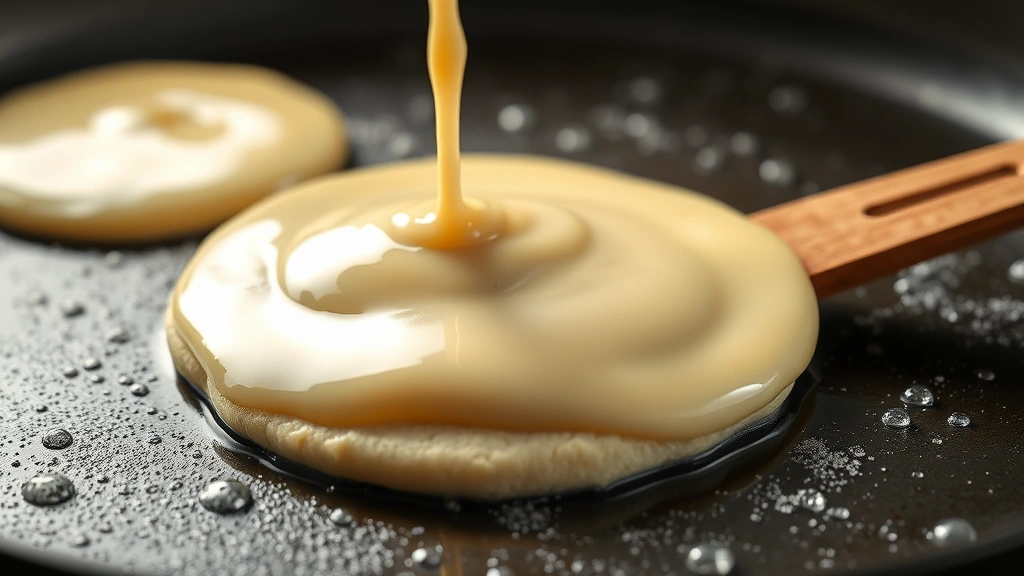
- Pour 1/4 cup batter onto the hot griddle for each pancake, leaving space between them for spreading.
- Cook for 2-3 minutes until the bottoms are golden brown and you see bubbles forming on the surface, then flip carefully.
- Cook the other side for 1-2 minutes until golden brown and cooked through.
- Transfer finished pancakes to a warm plate and serve immediately with your favorite toppings.
Pro Tips
These sourdough discard pancakes are genuinely foolproof, even for beginning bakers. The discard adds natural lift and creates a subtle tang that elevates these beyond standard pancakes. The batter is forgiving—a few lumps are actually desirable because they create pockets of fluffiness.
Temperature control is your friend here. A medium-high heat is perfect for getting golden-brown exteriors while keeping interiors tender. If your griddle is too hot, the outside burns before the inside cooks through. Too cool, and you’ll end up with pale, dense pancakes. A droplet of water should sizzle immediately when it hits the surface—that’s your sweet spot.
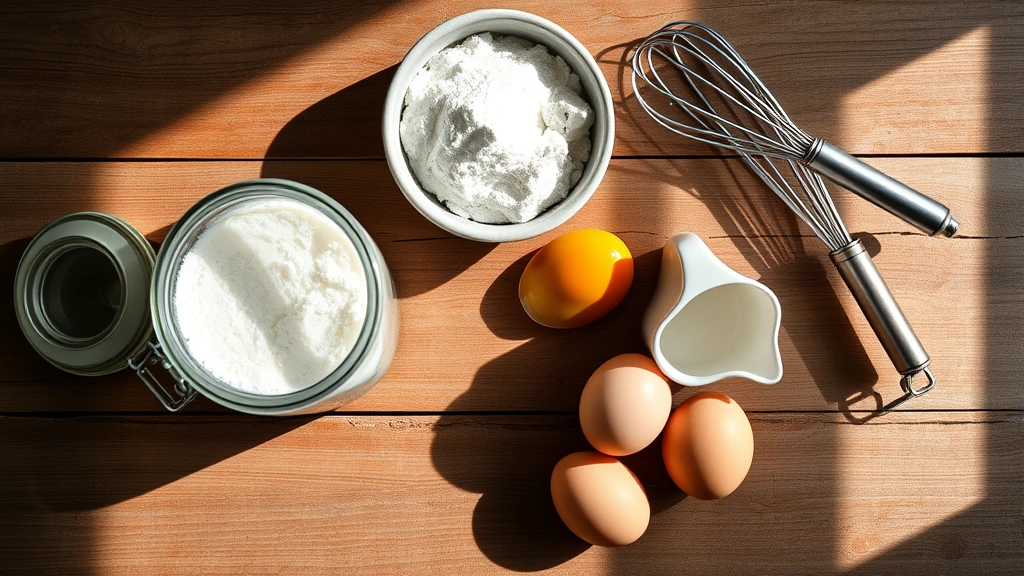
For make-ahead convenience, you can prepare the dry ingredients the night before in a sealed container. Combine the wet ingredients in the morning, mix them together, and you’re ready to cook in minutes. Alternatively, freeze cooked pancakes in a single layer on a baking sheet, then transfer to a freezer bag. They reheat beautifully in the toaster or a 350°F oven.
Toppings are where you can get creative. Classic maple syrup and butter are always wonderful, but consider fresh berries, whipped cream, Greek yogurt, or even a drizzle of honey and nuts. For chocolate lovers, chocolate chips stirred into the batter work beautifully. Meanwhile, those preferring fruity flavors can add mashed banana or fresh blueberries directly to the batter.
If your sourdough discard is particularly thick, you can thin it slightly with a tablespoon or two of milk to reach a consistency similar to yogurt. Conversely, if it’s very liquidy, you might need to reduce the milk slightly. The batter should pour easily but not be watery.
Storage is simple: keep leftovers in an airtight container at room temperature for up to 2 days, or freeze for up to 3 months. There’s nothing quite like having homemade sourdough pancakes ready to go on busy mornings.