
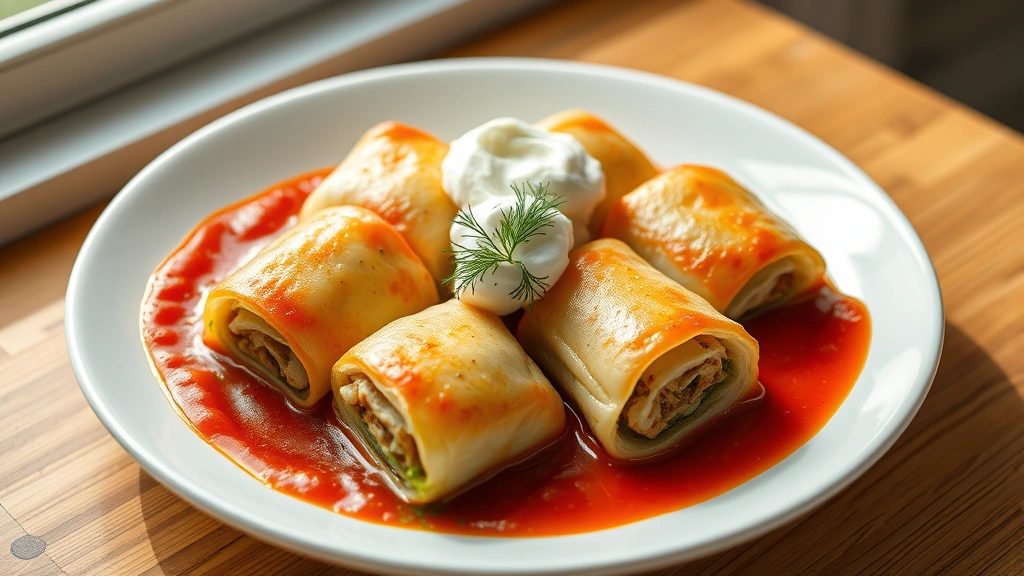
The best stuffed cabbage recipe is one that brings comfort to your table with minimal fuss and maximum flavor. This authentic version combines tender cabbage leaves wrapped around a savory filling of seasoned ground beef, rice, and aromatics, then simmered in a tangy tomato sauce until everything melds into pure deliciousness. Whether you’re cooking for your family or impressing guests, this dish delivers that homey, soul-satisfying taste that keeps people coming back for seconds.
I grew up watching my grandmother make stuffed cabbage rolls every Sunday, and I’ve learned that the secret isn’t some complicated technique—it’s using quality ingredients and taking your time with the assembly. The beauty of this recipe lies in its simplicity and versatility. You can make it ahead, freeze it, or serve it straight from the pot with crusty bread and a simple side salad.
Jump To Section
Why This Recipe Works
This particular approach to stuffed cabbage stands out because it respects the vegetable itself. Rather than overcomplicating things, we let the cabbage shine while the filling provides robust, satisfying flavor. The combination of ground beef and rice creates a filling that’s hearty without being heavy, and the tomato-based sauce ties everything together beautifully.
Additionally, this recipe is incredibly forgiving. The cooking method ensures that even if your cabbage rolls aren’t perfectly wrapped, they’ll still cook evenly and taste absolutely fantastic. The low, gentle simmer allows the flavors to develop and deepen, transforming simple ingredients into something truly special. For instance, the tomato sauce becomes richer and more complex as it cooks, infusing the cabbage rolls with incredible depth.
What makes this the best stuffed cabbage recipe for busy home cooks is the flexibility it offers. You can prepare it in a regular pot, slow cooker, or oven—whatever works best for your schedule and kitchen setup. This versatility makes it perfect for meal prep or feeding a crowd without stress.
Ingredient Tips & Substitutions
The foundation of great stuffed cabbage starts with choosing the right cabbage. Look for a head that’s firm and compact, preferably around 2 to 3 pounds. Green cabbage works beautifully, though red cabbage adds a striking visual element if you’re feeling adventurous. The outer leaves should be free of major blemishes, and the whole head should feel heavy for its size, indicating good moisture content.
Ground beef is traditional, but you have wonderful options here. Ground turkey or chicken works equally well if you prefer something lighter, though you might want to add a touch more seasoning since poultry is milder. Ground lamb brings an interesting Mediterranean twist if you want to experiment. For a vegetarian version, try using cooked lentils mixed with finely chopped mushrooms—they provide that meaty texture and umami depth you’re looking for.
The rice in the filling should be short or medium-grain white rice. It absorbs flavors beautifully and holds the filling together without becoming mushy. However, brown rice works fine too; just increase the cooking time slightly since it takes longer to soften. Some people use a combination of rice and breadcrumbs, which creates an even lighter filling.
For the sauce, canned tomatoes are actually ideal here. San Marzano tomatoes produce an especially silky sauce, but any good quality crushed or whole tomatoes will serve you well. If you prefer a sweeter sauce, add a tablespoon of brown sugar or honey. A splash of vinegar brightens the sauce and adds complexity—apple cider vinegar or red wine vinegar both work wonderfully.
Preparation & Cooking Tips
The key to easy cabbage rolling starts with softening the leaves properly. Many recipes tell you to boil the whole head, which works but is messy. Instead, pop your cabbage in the freezer for a few hours, then let it thaw at room temperature. This breaks down the cell structure, making leaves peel away like magic and become perfectly pliable without boiling.
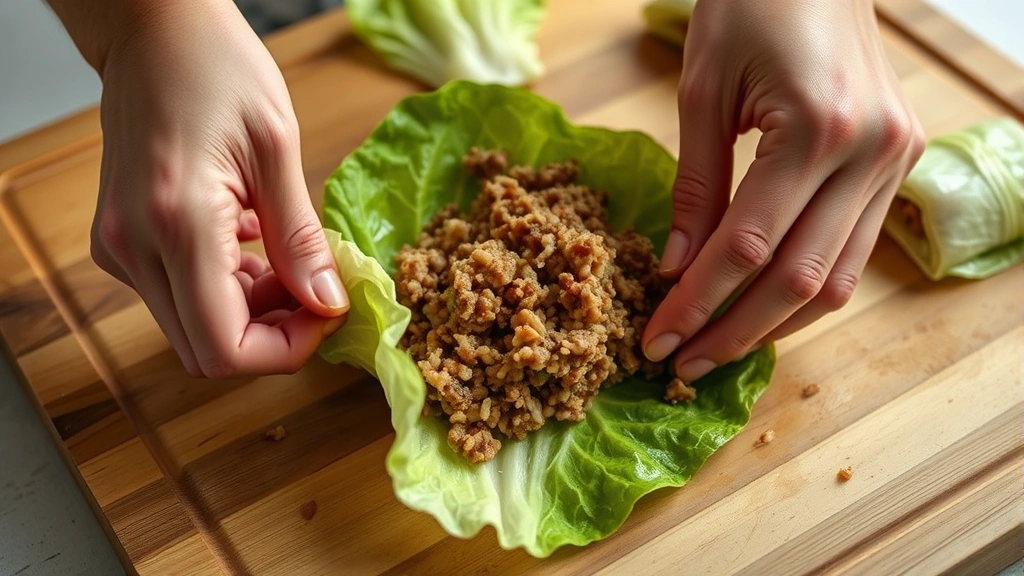
When assembling your rolls, lay a leaf on a flat surface and trim the thick center vein at the base—this makes rolling much easier. Place about 2 to 3 tablespoons of filling near the base of the leaf, fold in the sides, then roll tightly away from you. Don’t stress about perfection; slightly loose rolls are fine and will hold together during cooking.
As you work, arrange seam-side down in your cooking vessel. This keeps them closed during cooking and ensures even browning if you’re using the oven method. If you have any leftover cabbage pieces or torn leaves, layer them on the bottom and top of your rolls—they act as a protective barrier and prevent sticking.
Serving Suggestions
Serve your stuffed cabbage rolls hot from the pot, generously spooned with sauce. A dollop of sour cream on top adds richness and cools the heat slightly, creating a beautiful visual contrast. Fresh dill or parsley scattered over each portion brings brightness and aroma to the dish.
For sides, consider pairing this with a fresh, crisp salad. A quick tasty spring salad provides a refreshing counterpoint to the rich, savory rolls. Alternatively, a tasty Mediterranean salad with crisp vegetables and tangy vinaigrette complements the flavors beautifully.
Crusty bread is essential for soaking up every drop of that incredible sauce. Garlic bread or a simple peasant loaf both work perfectly. Meanwhile, if you’re looking for heartier sides, egg noodles or mashed potatoes provide comfort-food accompaniments that elevate the entire meal.
Storage & Reheating
One of the best things about this recipe is that it actually tastes better the next day. The flavors continue developing as the rolls sit in the sauce, making it perfect for meal prep. Store your stuffed cabbage in an airtight container in the refrigerator for up to 4 days. The rolls will keep their texture beautifully and reheat without drying out.
To reheat, place your rolls in a covered baking dish and warm in a 325-degree oven for about 20 to 25 minutes, until heated through. Alternatively, gently reheat on the stovetop over medium heat, stirring occasionally to ensure even warming. The microwave works too—just use 50% power to prevent the cabbage from becoming tough.
Freezing is absolutely possible and highly recommended. Prepare the entire dish, cool it completely, then transfer to freezer-safe containers. These will keep for up to 3 months. Thaw overnight in the refrigerator before reheating, or thaw and heat directly in a 350-degree oven for about 45 minutes, covered.
If you’re craving similar comfort food dishes, try making a best stuffed pepper soup for a lighter variation on the theme. For something equally satisfying, the perfect oven-ready lasagna brings that same layered, comforting appeal. You might also enjoy making a delicious crock pot lasagna soup for a weeknight alternative.
This best stuffed cabbage recipe earns its reputation through honest, satisfying cooking. It’s the kind of dish that makes your kitchen smell amazing, brings people together around the table, and leaves everyone feeling genuinely satisfied. Start with this version, and you’ll understand why it’s remained a beloved favorite across generations and cultures. The combination of tender cabbage, seasoned filling, and rich sauce creates something that’s simultaneously simple and sophisticated—exactly what comfort food should be.
Ingredients
- 1 large head green cabbage (about 2½ to 3 pounds)
- 1 pound ground beef
- ¾ cup uncooked white rice
- 1 medium onion, finely diced
- 3 cloves garlic, minced
- 1 large egg
- 1 teaspoon salt
- ½ teaspoon black pepper
- ½ teaspoon paprika
- ¼ teaspoon cayenne pepper (optional)
- 1 can (28 ounces) crushed tomatoes
- 1 can (15 ounces) tomato sauce
- 2 tablespoons tomato paste
- 2 tablespoons brown sugar
- 1 tablespoon apple cider vinegar
- 2 cups beef or vegetable broth
- 1 bay leaf
- 2 tablespoons olive oil
- Fresh dill or parsley for garnish
- Sour cream for serving
Instructions
- Prepare your cabbage by placing it in the freezer for at least 4 hours or overnight. This makes the leaves incredibly pliable and easy to separate. When ready to use, remove from the freezer and let thaw at room temperature for 1 to 2 hours until fully softened.
- While the cabbage thaws, prepare your filling. Heat 1 tablespoon of olive oil in a large skillet over medium heat. Add the diced onion and cook for 3 to 4 minutes until softened and fragrant. Stir in the minced garlic and cook for another minute.
- Add the ground beef to the skillet, breaking it apart with a spoon as it cooks. Cook for 5 to 7 minutes until the beef is browned and no longer pink. Drain excess fat if needed.
- Remove the skillet from heat and stir in the uncooked rice, egg, salt, pepper, paprika, and cayenne pepper. Mix until everything is well combined and evenly distributed. Set the filling aside to cool slightly.
- Once your cabbage is soft, gently peel away the leaves and set them on a cutting board. You’ll need about 12 to 16 large leaves for rolls. Save any torn pieces for layering in your cooking vessel.
- For each roll, lay a cabbage leaf flat and trim the thick center vein at the base with a sharp knife. This makes rolling much easier. Place 2 to 3 tablespoons of filling near the base of the leaf.
- Fold the left and right sides of the leaf inward toward the center, then roll tightly away from you, creating a compact cylinder. Place seam-side down on a plate as you work.
- In a large bowl, whisk together the crushed tomatoes, tomato sauce, tomato paste, brown sugar, apple cider vinegar, beef broth, and bay leaf. This creates your cooking sauce.
- Spread 1 tablespoon of olive oil in the bottom of a large Dutch oven or heavy-bottomed pot. Layer any reserved or torn cabbage pieces on the bottom to prevent sticking.
- Arrange your cabbage rolls seam-side down in a single layer over the cabbage pieces. If needed, arrange them in two layers, making sure they’re snug but not crushed.
- Pour the tomato sauce mixture evenly over the rolls, ensuring they’re well covered. If any rolls aren’t submerged, add a bit more broth. Bring the liquid to a gentle simmer over medium heat.
- Once simmering, reduce heat to medium-low, cover partially, and cook for 40 to 45 minutes. The rolls should be tender and the sauce should have thickened slightly. The cabbage will be completely soft and the filling cooked through.
- Remove from heat and let rest for 5 minutes. Taste the sauce and adjust seasonings as needed. Remove the bay leaf before serving.
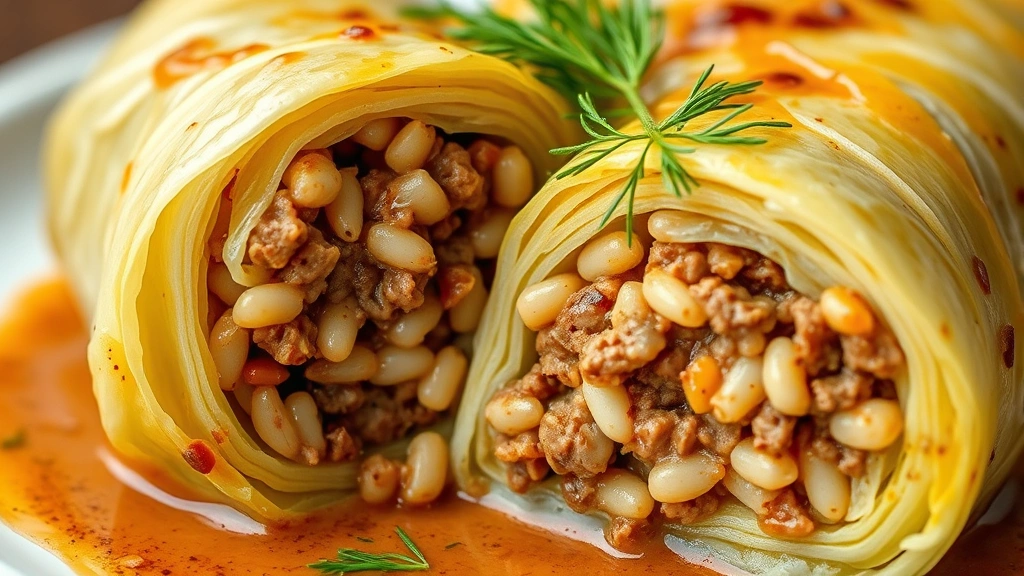
- Serve hot, garnishing each portion with fresh dill or parsley and a dollop of sour cream. Ladle plenty of sauce over each roll.
Pro Tips
The freezer trick for softening cabbage is genuinely a game-changer. Instead of wrestling with boiling water and hot leaves, you simply freeze and thaw. This method is safer, cleaner, and actually produces more pliable leaves. Just plan ahead so your cabbage has time to freeze.
Your filling can be customized based on what you have on hand. Some cooks add finely grated vegetables like carrots or zucchini to stretch the meat further and add nutrition. Others include a handful of fresh herbs like parsley or dill directly in the filling mixture. These additions are all welcome and won’t significantly change cooking times.
The sauce is where much of the flavor magic happens. Don’t skip the brown sugar—it balances the acidity of the tomatoes beautifully. Meanwhile, the vinegar adds brightness and depth that keeps the sauce from tasting one-dimensional. If you prefer a spicier version, increase the cayenne pepper or add a pinch of red pepper flakes to the sauce itself.
For slow cooker cooking, assemble everything as directed, then transfer to your slow cooker. Cook on low for 6 to 8 hours or on high for 3 to 4 hours. The longer cooking time actually deepens the flavors even more, though you’ll need to reduce the sauce by cooking it down on the stovetop afterward if you prefer a thicker consistency.
If you want to use the oven method, preheat to 350 degrees. After bringing your pot to a simmer on the stovetop, cover it tightly with foil and transfer to the oven. Bake for 45 to 50 minutes until the rolls are tender and the sauce has thickened. This hands-off method is incredibly convenient when you’re juggling other dishes.
Storage is simple and convenient. These rolls keep beautifully in the refrigerator for up to 4 days in an airtight container. Freezing works wonderfully too—they’ll keep for up to 3 months. The flavors actually develop and improve during storage, making this an ideal make-ahead dish. When reheating, do so gently to prevent the cabbage from becoming tough.
Common mistakes to avoid include using raw rice that hasn’t been cooked beforehand—though here we use uncooked rice, it cooks perfectly in the sauce during the 45-minute simmer. Another issue is overstuffing your rolls, which causes them to burst during cooking. Stick with 2 to 3 tablespoons per roll for best results. Finally, don’t skip the acid in your sauce—whether it’s vinegar or tomato paste—as it prevents the dish from tasting flat.